Organics Waste Recycling Webinar

The City of San Diego’s new curbside organics waste recycling program is here! Join us on Wednesday, May 3 at 11 a.m. for our free webinar to learn about mandatory organics waste recycling, what it means for the City of San Diego residents, and how to do it at home.


During the one-hour webinar, you will learn:


  • How to properly dispose of food waste through the curbside organics waste recycling program
  • What types of waste can be put in the organics waste recycling bin
  • Why it’s so important to divert organic waste from our landfills


Attend the live webinar to get your questions answered by a representative from the City of San Diego Environmental Services Department.

Registration is required. Participants that cannot attend live are encouraged to register to receive the recording and additional resources. Thank you to the City of San Diego Environmental Services Department for sponsoring this event!


Organics Waste Recycling Webinar

The City of San Diego’s new curbside organics recycling program is here! Join us on Saturday, February 25th at 10 a.m. for our free Organics Waste Recycling Webinar to learn about mandatory organics waste recycling, what it means for the City of San Diego residents, and how to do it at home.

You will learn:

  • How to reduce food waste in the kitchen through meal planning and food storage
  • How to properly dispose of food waste through the curbside organics waste recycling program
  • What types of waste can be put in the organics waste recycling bin
  • Why it’s so important to divert organic waste from our landfills

Attend the live webinar to get your questions answered by a representative from the City of San Diego Environmental Services Department. Register to receive the link to the live webinar. Participants who cannot attend live are encouraged to register to receive the recording and additional resources. Thank you to the City of San Diego Environmental Services Department for sponsoring this event.

Zero Waste Thanksgiving

Zero Waste Thanksgiving

Thanksgiving is a time for family, being grateful, and… lots of food! If you are starting to plan your Thanksgiving meals for the holiday, consider these zero-waste tips to keep our landfills from getting stuffed!

Buy Local

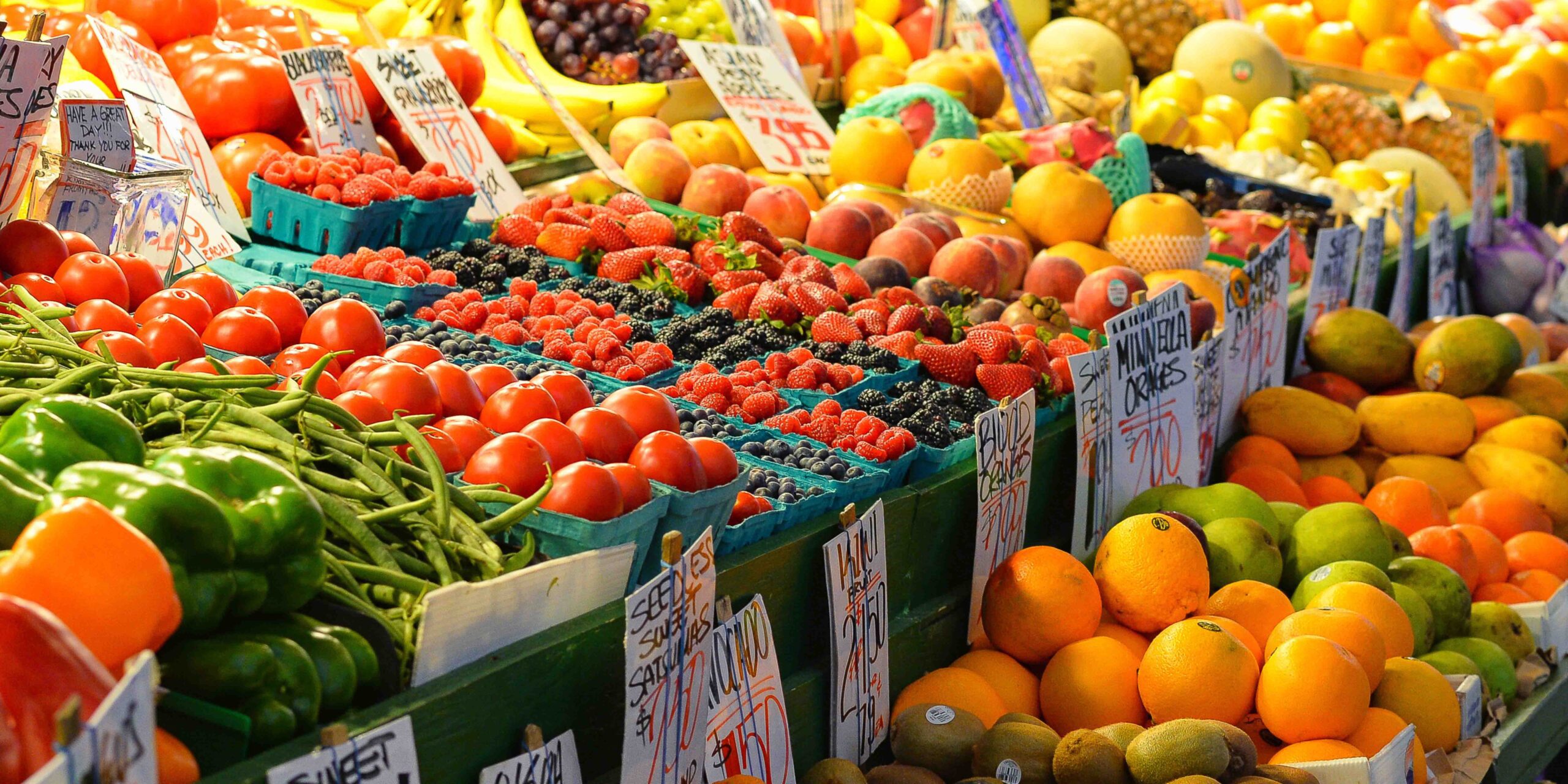
Visit your local farmer’s market or grocery store instead of big chain supermarkets to buy the produce and poultry you need for your Thanksgiving meal. This not only reduces your carbon footprint but supports local farmers and agriculture. The money you spend will be put back into the local economy and used to invest in better farming equipment and practices, resulting in better yield and fresher foods.

Buy in Bulk

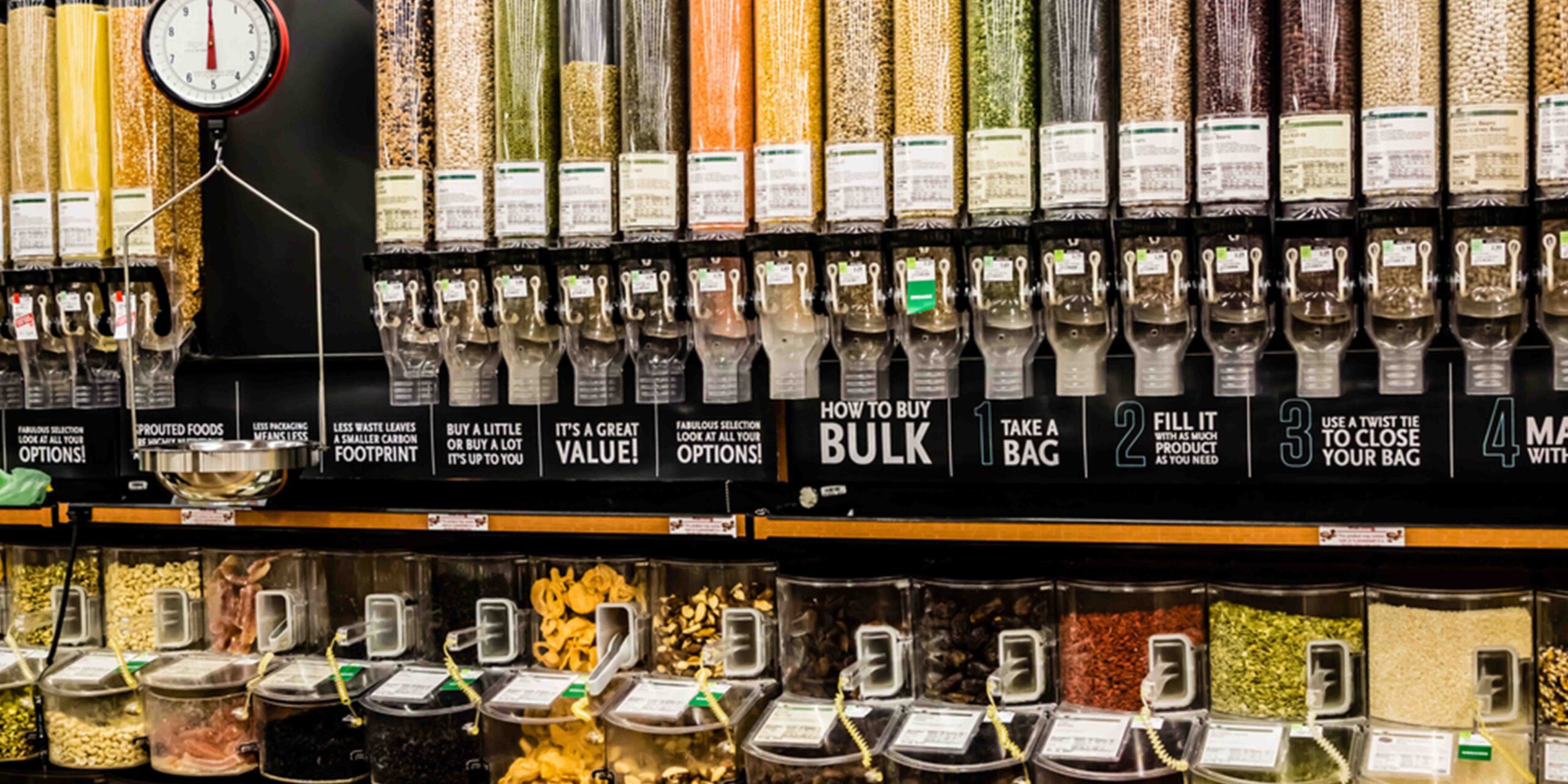
Consider bulk buying some of your products to reduce plastic packaging and save some money! Bulk buying doesn’t mean you need to buy family-sized bags of produce, you can just bring your own containers to designated stores and fill them based on your needs. For Thanksgiving, items to bulk buy include rice, potatoes, pasta, honey, spices, herbs, and vegetables. Check out this resource on How to Bulk Buy for more tips or type in “refill stores” on wastefreesd.org to find a bulk store near you! 

Dinnerware

Avoid using single-use plastic. Instead, use plates, bowls, and cutlery already at home. If you don’t have enough, ask a friend or family member to bring their own. For larger parties, consider purchasing compostable dinnerware made from natural plant-based materials, which are biodegradable and a more sustainable option.

Make Turkey Broth

Did you know that turkey broth is beneficial for the bones and digestive system, and contains nutrients in the form of vitamins and minerals essential to the body? Instead of throwing out the carcass and innards as you would normally, add them all into a large pot along with some onions, carrots, and celery, then cover everything with water and let it simmer for 4-6 hours. You can also find other recipes and ideas here on how to use the entire turkey and not waste a single part.

Leftovers

No matter how carefully you plan, you’re bound to have some leftovers. Make sure you make space in the fridge beforehand and use a vacuum sealer so the food stays fresher for longer periods of time. You can also use leftovers to make new recipes such as Thanksgiving leftover casserole using mashed potatoes, stuffing, cranberry sauce, and stuffing. Discover more delicious recipes here.

We hope you have a wonderful Thanksgiving holiday and are able to put into practice at least some of our Zero Waste Thanksgiving tips! For tips and tricks on sustainability visit our blog at WasteFreeSD 

4 Steps to Zero Waste Pumpkin Carving

4 Steps to a Zero Waste Pumpkin Carving For Halloween

Carving pumpkins for Halloween? With all of the goodness that usually gets tossed into the trash during this holiday activity, learn how to make this tradition more sustainable. Check out these 4 steps to make your carving completely zero waste this year!

But First! Cut Your Pumpkin

Start with a sharp knife, metal spoon, and two bowls – one for flesh and one for seeds. Cut open the pumpkin by carving a circle into the top (or bottom) of the pumpkin.

Scoop out seeds & strings (aka “guts”) into one bowl, and then for the other bowl use a strong spoon to scrape the walls for the “flesh” that can be used to make pie! 

Then, carve your design as desired!


1. Roast the Pumpkin Seeds for a Tasty Snack

Ingredients: Raw Seeds, Water, Olive Oil or Butter, Salt

  • Rinse seeds & separate guts
  • Preheat oven to 400°F
  • Coat bottom of baking pan with olive oil or butter
  • Spread seeds on a pan and in a single layer – toss them to coat with the oil & add salt (can also add chili flakes or other seasoning!)
  • Bake on the top rack until seeds begin to brown, ~ 20 minutes. When lightly browned, remove & let cool.

Store in a jar and use as a snack or an addition to soups, salads, granola bars, oatmeal bowls and more!

2. Make Some Purée!

  • Bring water to boil in bottom of steamer or in a pan
  • Remove skin from pumpkin meat & slice into similarly sized chunks
  • Place chunks in a steamer (or metal colander in pan with lid on) for approx. 50 minutes or until soft & mushy
  • Squash with fork or potato masher to make purée, or use a blender

Leave to cool and use it for other recipes like pie, face masks, or soup! Freeze leftovers for later use.

3. Revitalize your skin with a DIY pumpkin face mask.

Nourish your skin and use the extra remains of pumpkin puree to make a face mask at home!  For an exfoliating facial scrub mix ½ cup of pumpkin purée with 1 tbsp of organic honey and ½ of finely ground oatmeal. For a quick and vitamin-C filled face mask, mix 1 tbsp.of pumpkin puree and 1 tsp. of plain yogurt. For more inspiration, try one of the face mask recipes from Hello Glow.

4.  Repurpose carved pumpkins and turn them into bird feeders!

Cut your carved pumpkins in half and fill the bottom with bird seed. Then, watch as feathered friends flock to your yard! Afterwards, be sure to compost the remainder. Just don’t forget to scrape off any wax from the pumpkin so it doesn’t get eaten!

After you’ve used up all the pumpkin that you can, take a moment to be proud of yourself and appreciate your ability to use up every part of the pumpkin! Be sure to share your knowledge with your friends, family, and neighbors! Happy Halloween!

Want to find the nearest location where you can compost your pumpkins and any other organic food waste? Visit our website www.wastefreesd.org and find the closest recycling, repair, donation or disposal centers near you!

Save Your Scraps Webinar

Did you know that 40 percent of the food grown, processed and transported in the U.S. currently goes to waste? Adopting a zero waste mindset in the kitchen is a key step everyone can take to reduce this amount and live more sustainably.


Join I Love A Clean San Diego, in partnership with the City of Vista, on Wednesday, November 9th from 5pm-6pm for our free Save Your Scraps webinar! Come hungry to learn ways to reduce food waste and how to recycle right in the kitchen. We’ll share tips on meal prepping, food storage, low-waste cooking, and how to properly dispose of food waste through the the City of Vista’s new curbside organics recycling program. Discover what types of waste can be put in organics recycling bins, and why it is so important to keep organic waste from reaching the landfill. You’ll leave with the tools you need to stop wasting food (and money) in your home!


Please register to receive the Zoom link. We look forward to seeing you on November 9th!

Organics Recycling Webinar – Out of the Black Bin and Into the Green Bin!

Did you know that 40 percent of the food grown, processed and transported in the U.S. currently goes to waste? The County of San Diego’s new curbside organics recycling program seeks to divert this waste from our landfills and turn it into compost and mulch.


Join I Love A Clean San Diego, in partnership with the County of San Diego, on Thursday, November 3rd from 5pm-6pm for our free Organics Recycling webinar! Come ready to learn ways to reduce food waste and how to recycle right in the kitchen. We’ll share tips on meal prepping, food storage, low-waste cooking, and how to properly dispose of food waste through the County’s new curbside organics recycling program. Discover what types of waste can be put in organics recycling bins, and why it is so important to keep organic waste from reaching the landfill. You’ll leave with the tools you need to stop wasting food (and money) in your home!


Please register to receive the Zoom link. We look forward to seeing you on November 3rd!

Eliminating Food Waste | Eliminado el Desperdicio de Comida

40% OF FOOD IN THE USA IS WASTED

JOIN YOUR COMMUNITY IN NOT THROWING OUT THIS VALUABLE RESOURCE!

  1. SHOP SMART

Plan out your meals beforehand. Be sure to check the fridge to see what needs to be used up before buying more!

  1. LEARN THE LINGO

“Best By”/ “Use By” dates refer to food quality, not safety. Foods past these dates are often fine to eat. Trust your instincts!

  1. STORE FOOD PROPERLY

Find out what goes where! Even fruit like apples, oranges, and pears have different proper storing techniques.

  1. USE FOOD ENTIRELY

There’s plenty of ways to cook with food scraps or food past its prime. For example, old bananas make amazing banana bread!

  1. SAVE YOUR LEFTOVERS

Keep leftovers in the front of the fridge where they won’t be forgotten. Or use the freezer to press “pause” on your food!

  1. DONATE EXTRA FOOD

Got more than you need? Ask your neighbors if they’d like some leftovers or donate non-perishables to a local charity!

  1. COMPOST FOOD SCRAPS – JOIN YOUR COMMUNITY IN NOT THROWING OUT THIS VALUABLE RESOURCE!

With what’s left after you’ve done all else, compost your scraps to create “black gold” for your yard!

KEEP SAN DIEGO BEAUTIFUL!


40% DE LA COMIDA EN LOS E.U. ES DESPERDICIADA

¡INFÓRMATE SOBRE COMO LIMITAR EL DESPERDICIO DE COMIDA!

  1. COMPRAS MAS INTELIGENTE

Planea tu comida de antemano. ¡Asegúrate de revisar el refrigerador para ver qué se debe usar antes de comprar más!

  1. APRENDE EL LINGO

Las fechas “Best By” / “Use By” se refieren a la calidad de la comida, no a la seguridad. La comida después de estas fechas está bien para comer. ¡Confía en tus instinctos!

  1. CONSERVA LA COMIDA POR MAS TIEMPO

Frutas como manzanas, naranjas y peras pueden ser conservadas por más tiempo antes de comer. Infórmate sobre la técnica adecuada para guardar tu comida.

  1. USE COMIDA ENTERAMENTE

Hay muchas maneras de cocinar con restos de comida o comida vencida. Por ejemplo, los plátanos viejos hacen un increíble pan de plátano!

  1. GUARDA LAS SOBRAS

Guarda las sobras en la parte del refrigerador donde no serán olvidadas o usa el congelador para preservar la comida.

  1. DONACION DE COMIDA EXTRA

¿Tienes más comida de la que necesitas? Ofrece tus sobras de comida a tus vecinos o dona tus sobras a una organización local.

  1. COMPOSTAJE HECHO DE COMIDA

Puedes usar lo que queda de comida como abono para tu compostaje y crear “oro negro” para tu jardín.

¡MANTEN SAN DIEGO LIMPIO!

Food Waste Facts Sourced from United States Department of Agriculture (USDA)

Commercial Kitchen Food Waste Reduction Webinar

Green Business Solutions: Commercial Kitchen Food Waste Reduction

Food waste is rampant in the U.S., costing us time, money, and resources ($162 billion annually!). It’s time for us all to trim unnecessary waste. As someone who works in a commercial kitchen, you have a big part to play, and we’re here to help guide you.

Join I Love A Clean San Diego and the City of San Diego on Wednesday, May 11th from 3 – 4 p.m. for a free Green Business Solutions webinar focused on Commercial Kitchen Food Waste Reduction. In this informational webinar, we will cover tips and tricks for food waste reduction in commercial kitchens, share case studies from local businesses who have implemented changes successfully, and leave you feeling empowered to begin making incremental shifts in your own practices.

Part Two of this two-part webinar series will include:

  • The importance of food waste reduction in commercial kitchens
  • The environmental and economic benefits for your business
  • Edible food recovery resources
  • Strategies to implementing lasting, sustainable practices
  • Tips for increasing employee and consumer engagement
  • Q&A session with a City of San Diego Environmental Services representative

Thank you to the City of San Diego for sponsoring this webinar. Register to receive the Zoom link. We’ll see you there!

If you can’t attend the live event, we’ve got you covered! Register and we will send you a recording of the webinar.

To take full advantage of this program, join us on Wednesday, May 4th from 3-4pm for Part One of this webinar series. This second event will detail organic waste recycling programs available in the City of San Diego. Please note you will need to register separately for each event. Register for Part One here.

Commercial Kitchen Food Scraps Recycling Webinar

Green Business Solutions: Commercial Kitchen Food Scraps Recycling

Almost half of what we trash is compostable! To tackle this issue, the City of San Diego has commercial composting options and support available for businesses within the city. To learn more, join I Love A Clean San Diego and the City of San Diego on Wednesday, May 4th from 3 – 4 p.m. for a free Green Business Solutions webinar focused on Commercial Kitchen Food Scraps Recycling.

In this informational webinar, we will detail upcoming organic waste recycling regulations and how to meet requirements. We’ll also share best practices from local businesses who have implemented changes successfully.

Part One of this two-part webinar series will include:

  • The importance of food scrap recycling in commercial kitchens
  • Requirements for businesses to lower their waste production
  • Tools and strategies for successfully implementing a composting program through the City of San Diego’s Food Scraps Recycling Program
  • Q&A session with a City of San Diego Environmental Services representative

Thank you to the City of San Diego for sponsoring this webinar. Register to receive the Zoom link. We’ll see you there!

If you can’t attend the live event, we’ve got you covered! Register and we will send you a recording of the webinar.

To take full advantage of this program, join us on Wednesday, May 11th from 3-4pm for Part Two of this webinar series. This first event will detail how to reduce organic waste in commercial kitchens. Please note you will need to register separately for each event. Register for Part Two here.

Reduce Holiday Food Waste and Prepare for Organic Waste Recycling in 2022

Reduce Food Waste Holidays

Reduce Holiday Food Waste and Prepare for Organic Waste Recycling in 2022

Residents of San Diego County will soon be able to recycle food scraps and other organic waste curbside. Holiday meal planning is an excellent time think about reducing food waste while enjoying deliciousness of the season.

Did you know food is the single largest material disposed in U.S. landfills today, costing the average family of four approximately $1,500 per year? Discarded food also wastes the money, time, labor, transportation, water and land used to grow the food. When organic materials like food scraps decompose in landfills, methane is released, a driver of global climate change that’s up to 86 times more potent at trapping heat than carbon dioxide.

In California, there is a solution on the horizon to curb methane generated by discarded food waste in landfills. A state law (SB 1383) will require the recycling organic waste, including food scraps, food-soiled paper, yard trimmings and non-hazardous wood waste (ie. lumber, pallets, etc) beginning in 2022. Contact your local municipality and/or waste and recycling hauler for additional information about organic waste recycling in your area.

The organic waste recycling process will greatly reduce greenhouse gas generation and yield beneficial compost, fertilizer and/or renewable energy depending on the process used.  However, the ability to recycle our food scraps and other organic waste should not be a reason to stop reducing food waste, considering 40 percent of all food produced in the U.S. is discarded and around 1 in 8 people in the US are food insecure.

“While recycling organic waste into beneficial products like compost, fertilizers and renewable natural gas is a positive step forward, we still want to emphasize the tremendous benefits of reducing food waste in the first place,” said Ian Monahan, director of communications at I Love A Clean San Diego.

Resources like the Natural Resource Defense Council’s Save The Food campaign as well as some simple tips from the County of San Diego and I Love A Clean San Diego, can help save money and positively impact the environment all while enjoying delicious holidays meals.

  1. Tune in to the Celebrate Sustainably: Food & Festivities Webinar on November 17

I Love A Clean San Diego is hosting a free webinar on Wednesday, November 17 from 5 p.m. – 6p.m., titled Celebrate Sustainably: Food & Festivities Webinar. Please register online to attend.

We will focus on ways to reduce the amount of waste produced in our kitchens around big holiday meals. Come hungry for strategies to begin practicing in the kitchen right away, and leave feeling satisfied that you can live a low-waste lifestyle at all times of the year.

  1. Cook and serve with a plan

The easiest way to reduce food waste during the holidays is to buy and prepare the right amount of food. The Save the Food Guest-mator helps create a menu based on how many guests are attending your holiday feast. Try it out here.

Once you know how much food is needed, create a detailed shopping list and stick to it. This will prevent excessive purchases that may not be needed.

When shopping for ingredients, opt for items in recyclable packaging to further minimize unnecessary waste. Learn how to Recycle Right on this County of San Diego website.

  1. Shop at local farmers’ markets

Visit one of the 36 certified farmers’ markets in San Diego County (farmers’ markets) and buy local, unpackaged produce directly from regional farmers. Doing so cuts down on packaging, transportation and benefits the farmer directly while providing you with the freshest ingredients.

  1. Embrace all foods

When shopping, most people search for the perfect looking produce, meaning the “ugly” fruits and vegetables are often left on the shelves. If these items are not sold in time, they may end up as wasted food.  This “ugly” produce has the same vitamins and nutrients as their “prettier” counterparts. Give all produce a chance when at the grocery store or farmers’ markets, especially if the chosen produce will be cut up and used as part of a larger dish (the “ugly” part won’t be noticeable).

  1. Go for plant-based meals

Did you know most vegetables use nearly eight times less water per calorie than meat?  Incorporating more plant-based foods into holiday celebrations, such as green bean casserole, lentil shepherd’s pie, and stuffed peppers, can cut the environmental footprint of meals significantly. Find more plant-based holiday recipes here.

  1. Shrink serving sizes

Reducing portion size by using smaller dishes and smaller serving spoons, can significantly reduce food waste– seriously, it works!  Your guests can always come back for seconds.

  1. Anticipate yummy leftovers

Having a plan for leftovers is another way to ensure food is eaten. After all, half the goodness of holiday food is in the delicious leftovers.  Ask guests to bring containers or provide them to take remaining food home, freeze leftovers for a later date, or use in creative ways. Some recipe ideas can be found here.

  1. Check out WasteFreeSD.org

Visit WasteFreeSD.org for more tips on how to reduce food waste, learn more about organics recycling and find recycling options for just about anything.