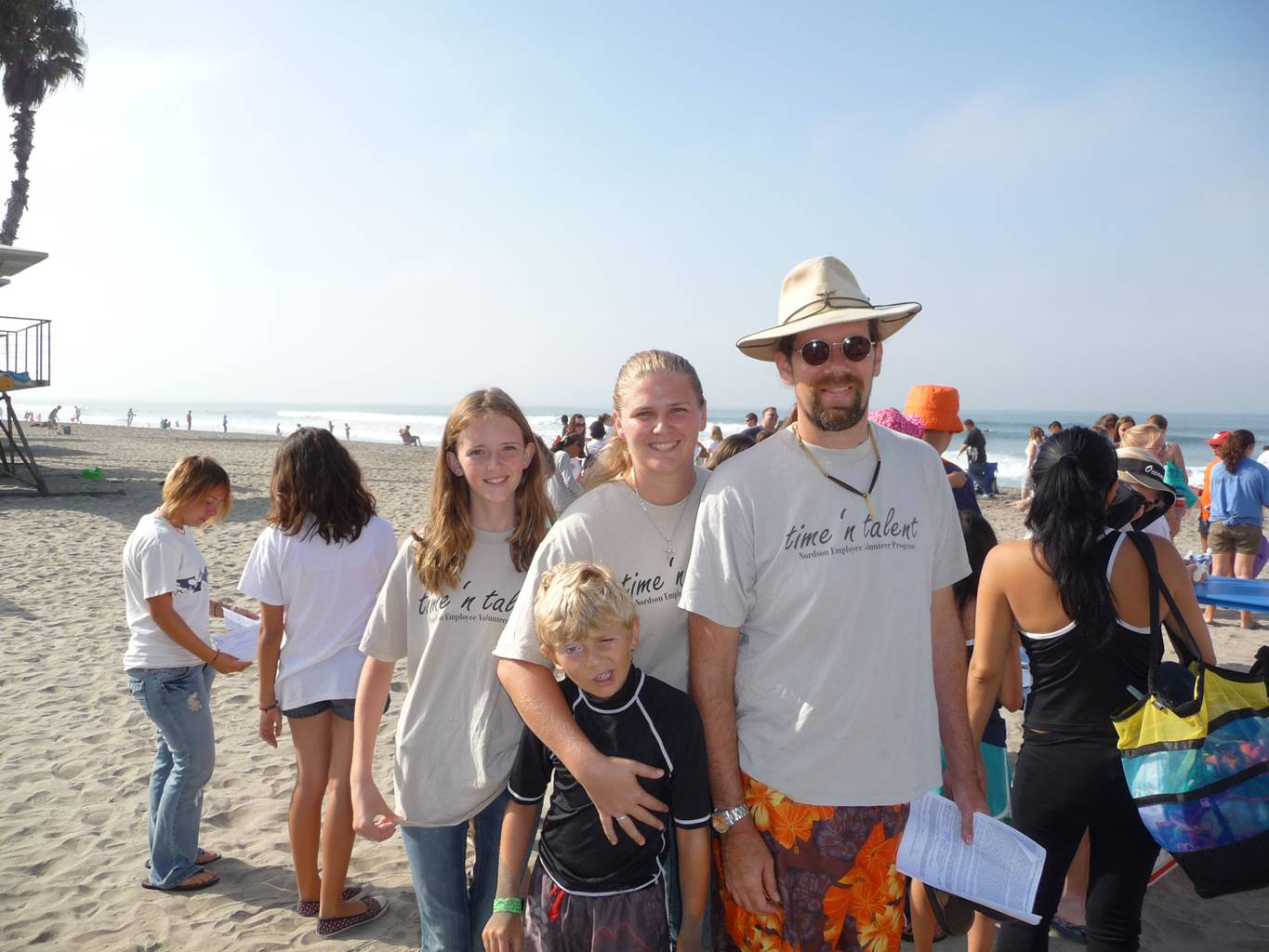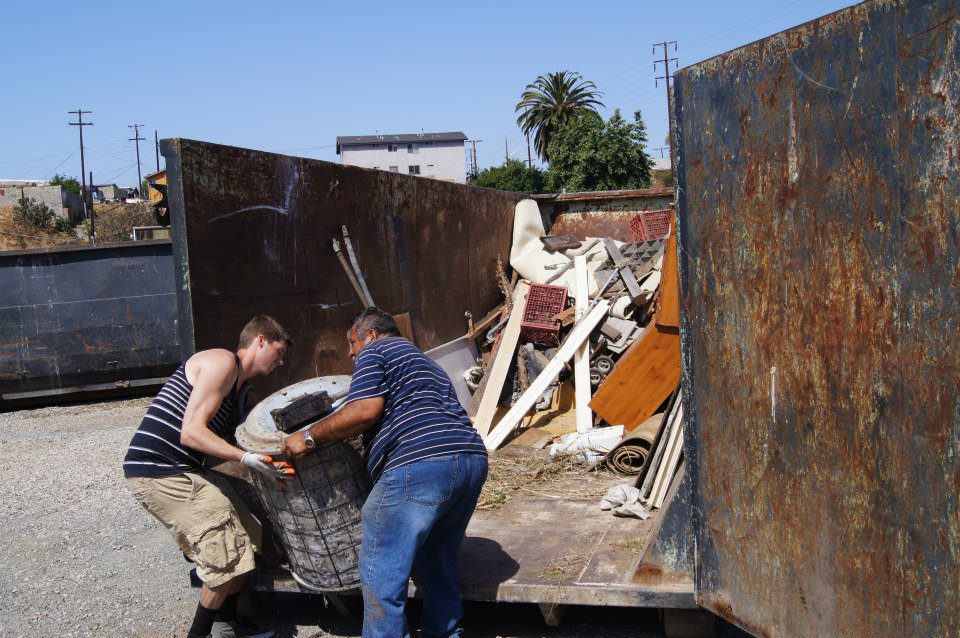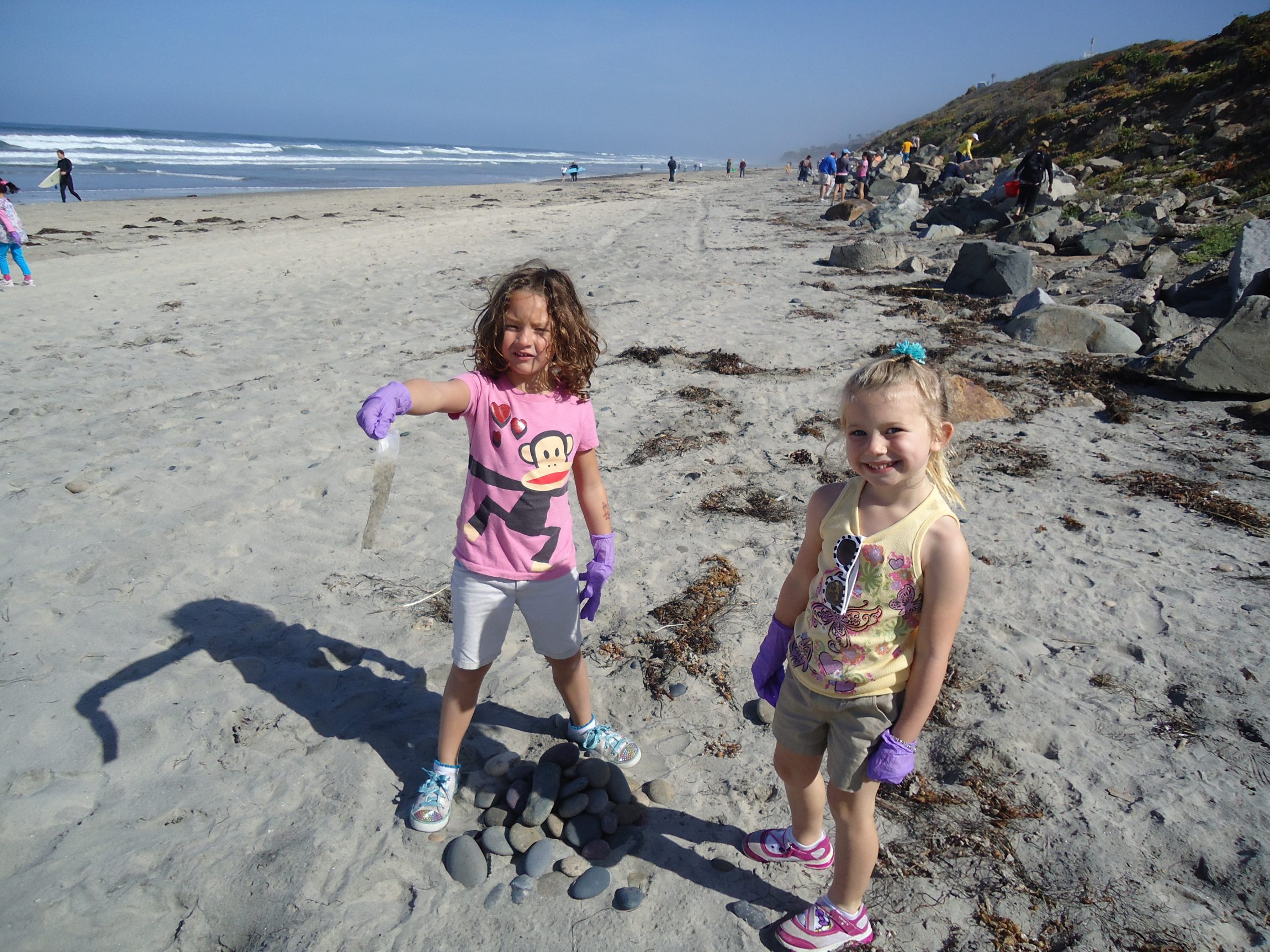

Today’s blog comes from our Community Program Coordinator and co-Coastal Cleanup Day mastermind, Moriah Saldaña! Over the last few month, Moriah has worked closely with our Community Program Manager, Lexi Ambrogi, to ensure that our second countywide cleanup of the year was a success. Read on to learn more about preliminary totals and view snapshots from around the county!
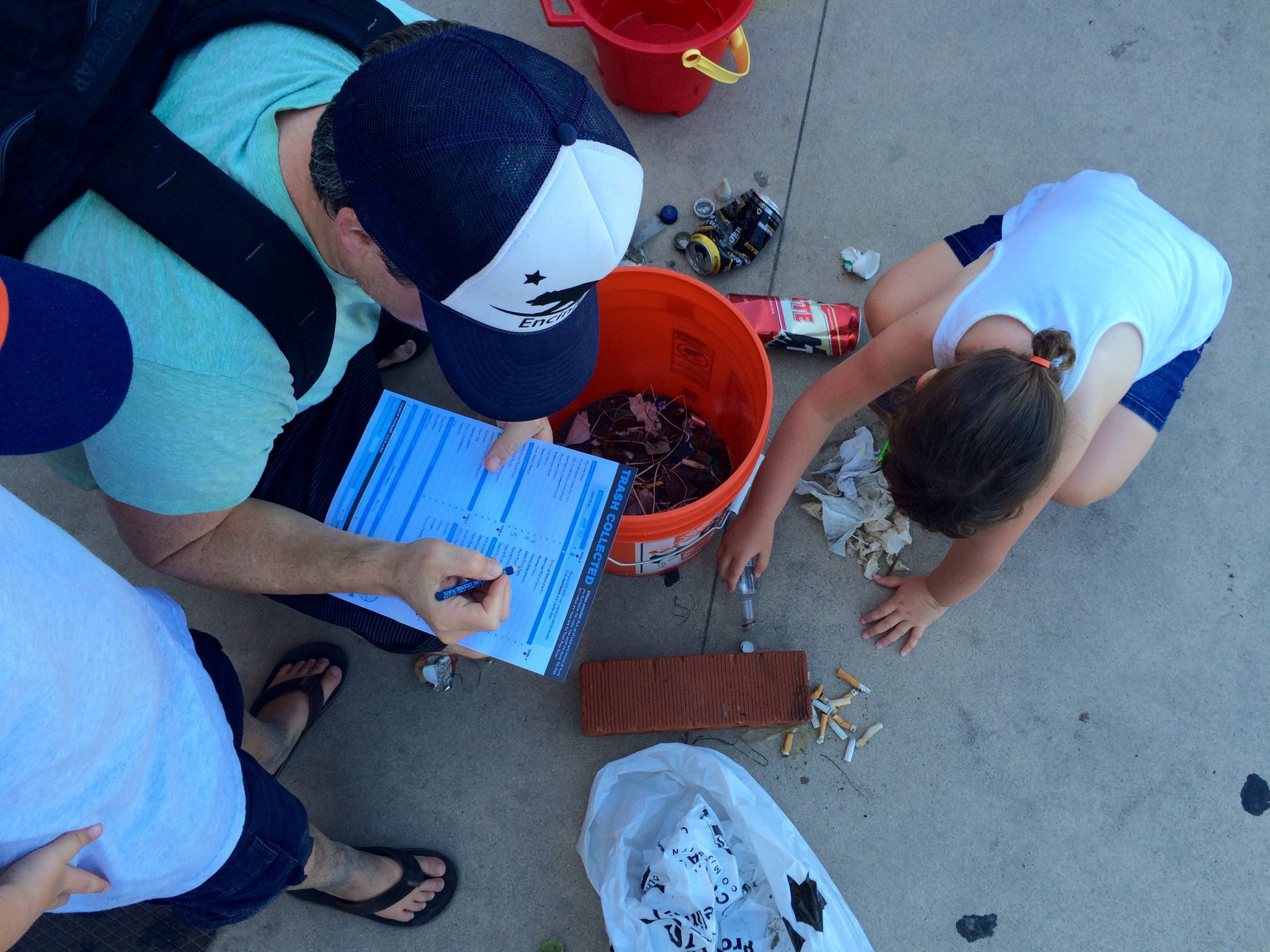
The results are still coming in from Coastal Cleanup Day,
but one thing is for sure, Coastal Cleanup Day was an enormous hit! Whether our volunteers were at the beach picking up litter, removing graffiti in their local neighborhoods, or removing invasive plants from canyons, we know that San Diegans are now able to enjoy more than 100 clean outdoor spaces free of litter!
Coastal Cleanup Day in San Diego is part of a statewide and international cleanup effort to restore coastlines across the globe. The effort is coordinated statewide by the California Coastal Commission and internationally by The Ocean Conservancy. While international totals for 2015 are not available yet, in 2014, 560,000 volunteers in 91 countries picked up more than 16 million pounds of trash!
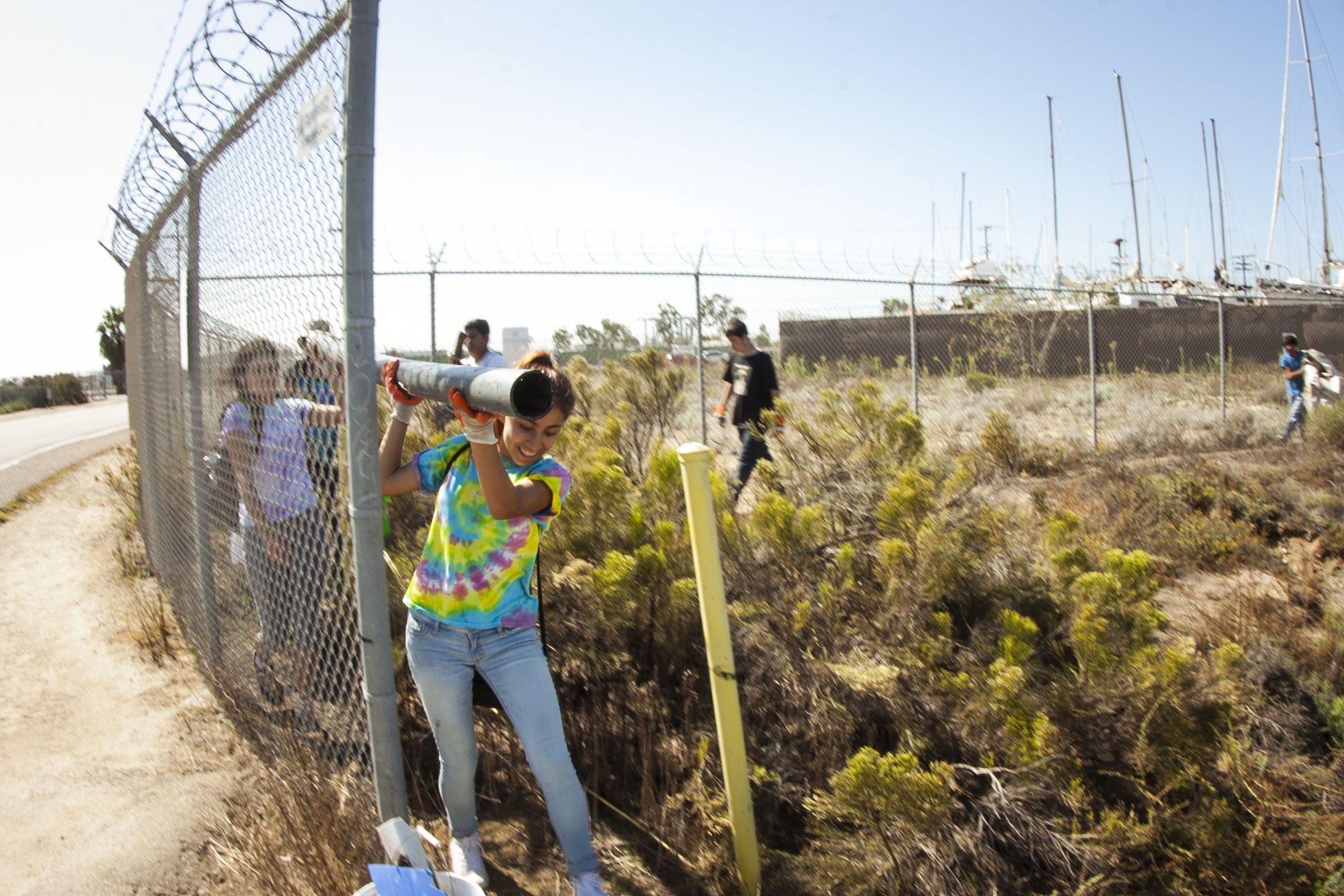
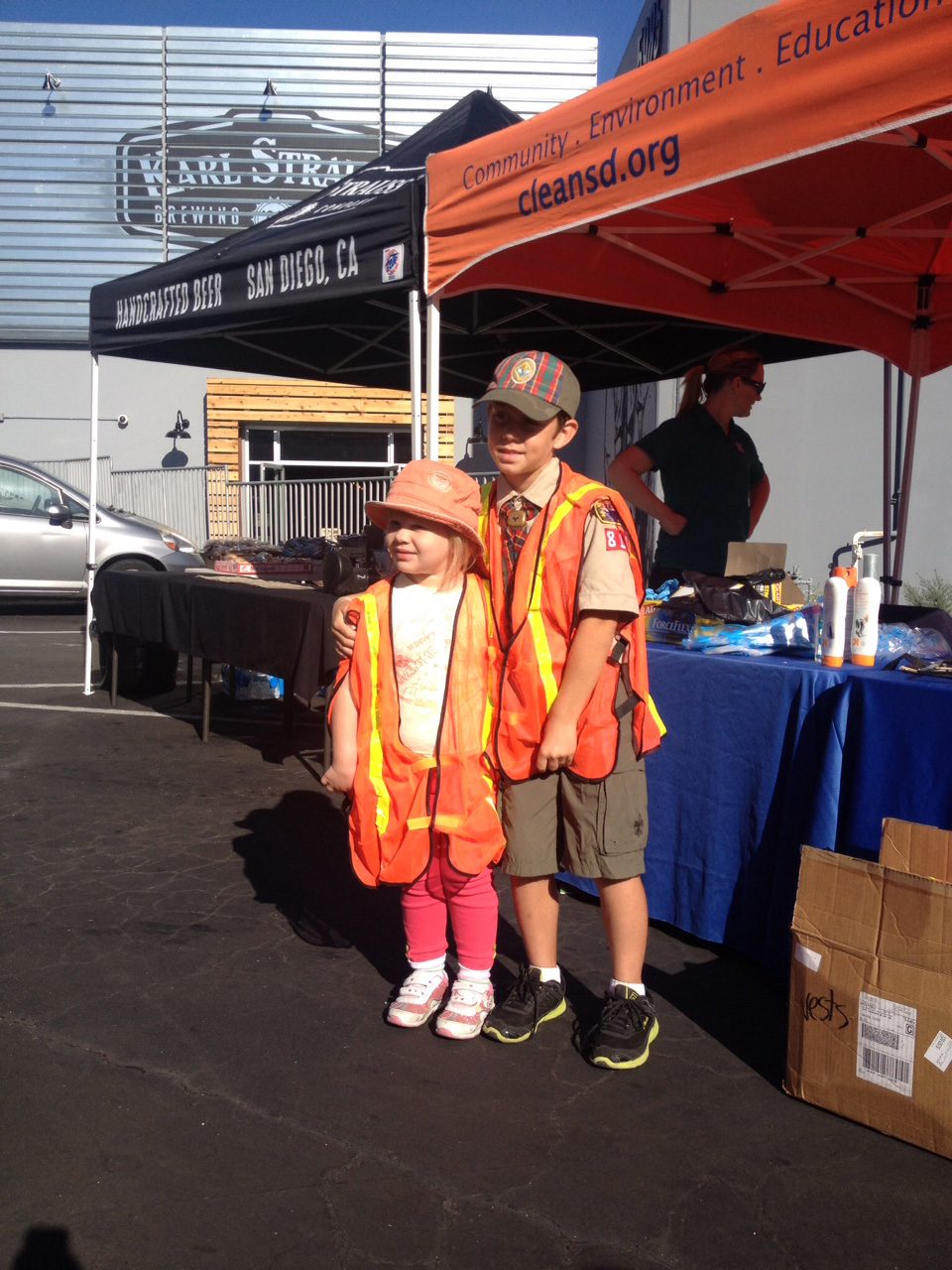
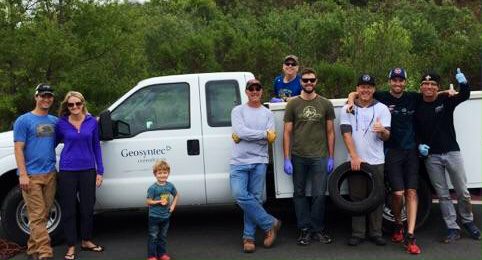
Our staff woke up extra early on Saturday morning to lead more than 200 volunteers in beautification projects at Emerald Hills Park in Encanto. While the focus of the morning was on various planting and mulching projects, volunteers cleared out over 2,700 pounds of debris!

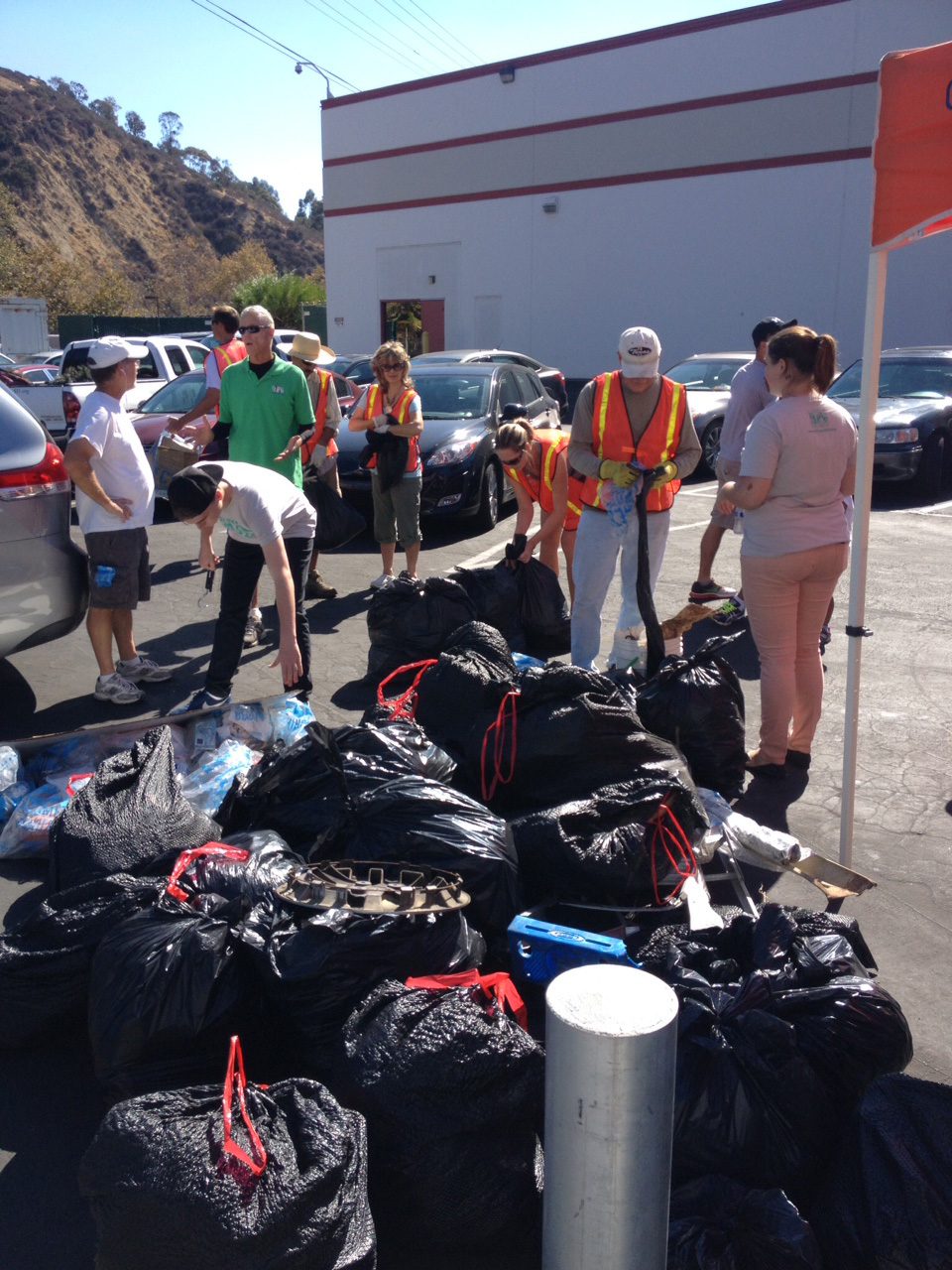
As for the county as a whole, preliminary totals for Coastal Cleanup Day – San Diego indicate that we had over 7,500 volunteers cleaning up 105 local creeks, canyons, beaches and bays as part of this event! While the trash totals are still being compiled, we are expecting that more than 150,000 pounds of trash were removed from our county. On top of this, volunteers also beautified and restored the local environment through removing graffiti, removing invasive plants, building raised garden beds, and performing a variety of park maintenance projects.

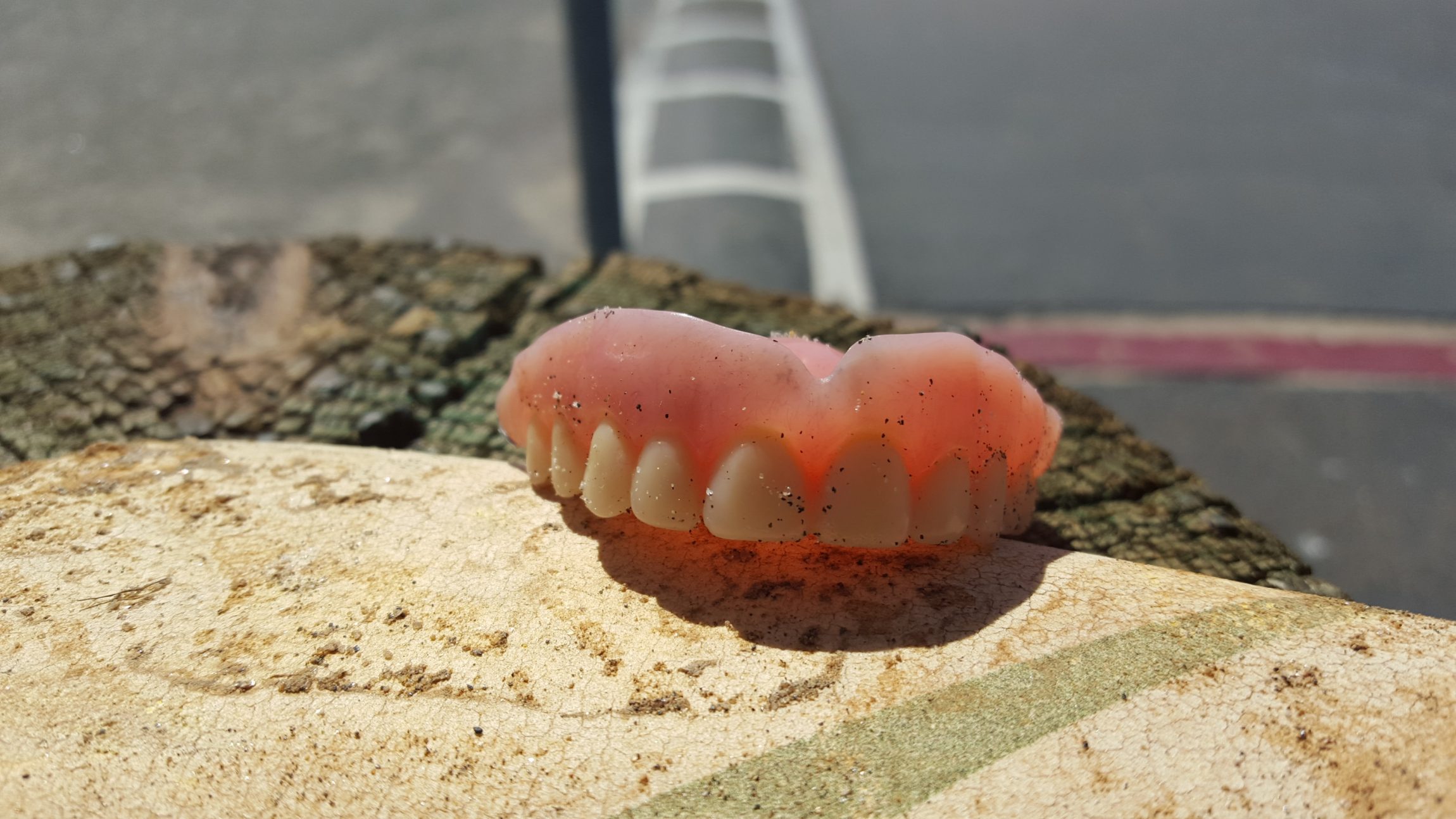
Every year at this event, and at our other countywide cleanup, Creek to Bay in April, we see that cigarette butts and small plastic items are our most commonly found items. While unfortunately this isn’t that surprising, we are often stunned by some of the more unique pieces of litter that our volunteers find. Some of my favorites this year include a set of dentures in good shape, a full fish tank, a dragon statue and a MacBook computer.
See more pictures from Coastal Cleanup Day and our other cleanups on Facebook and Instagram!
Looking to join us at our next event? We have a quite a few volunteer opportunities coming up. Click here for more information on how to get involved!






 Remember why you started caring in the first place. Even for the most devoted of us, aiming for a zero waste lifestyle can easily become overwhelming. However, history has proven that small, consistent actions lead to great results. You started recycling/biking to work/buying in bulk/living green because something made you care. Remind yourself of that initial spark. For me, it’s remembering my experiences working with children outdoors, and seeing how a connection to nature helps them feel confident, make new friends, and find peace during the tumults of growing up. So tape a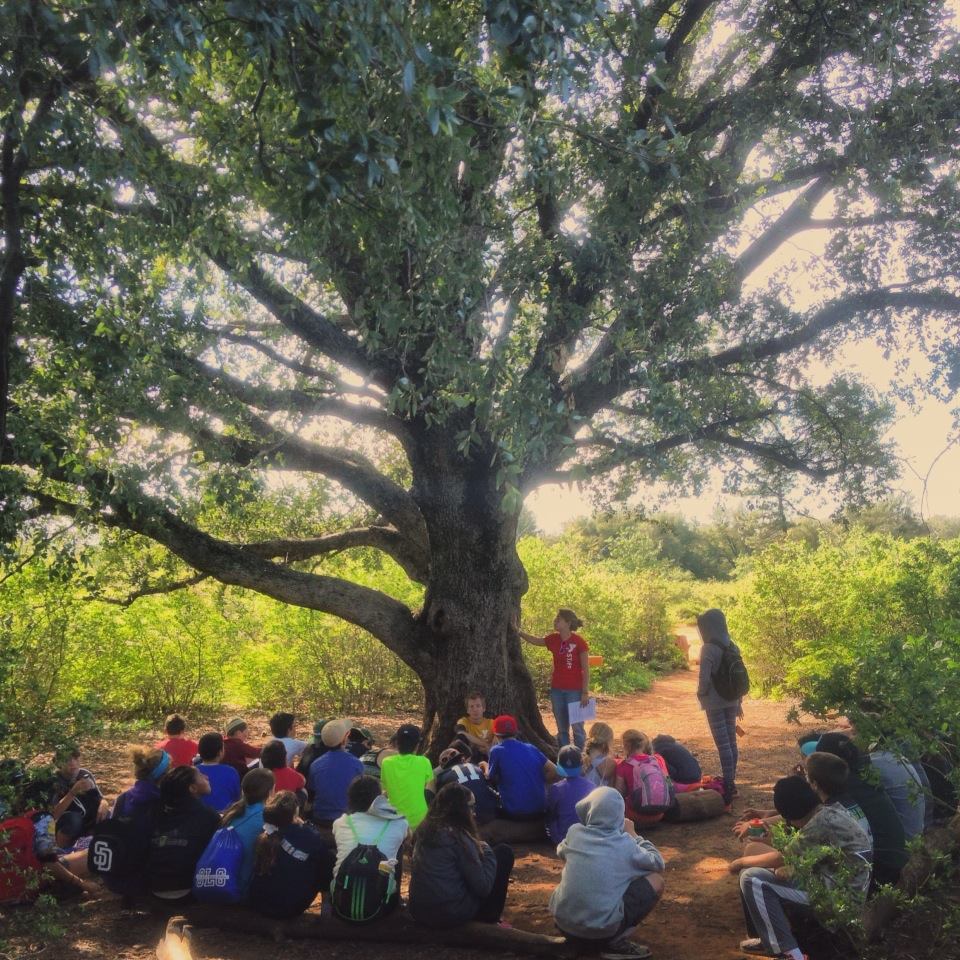
 Today’s blog comes from our administrative assistant, Brittany! San Diego native, born and raised, Brittany it goes without saying that she loves our beaches and 4th of July. To get you jazzed for the long holiday weekend ahead, she has put together some of her favorite waste-free tips for a day at the beach!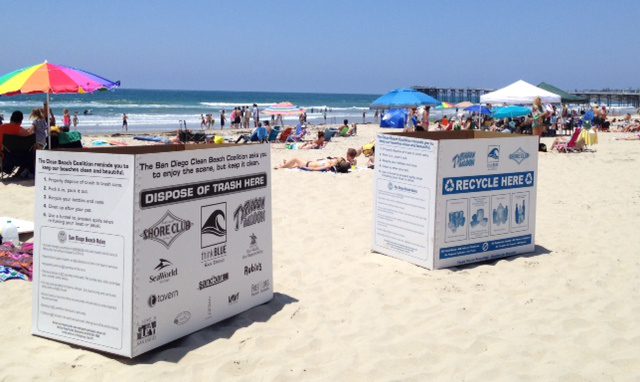


 Today’s blog comes from ILACSD’s Education Manager and outdoor enthusiast, Erika! In preparation for Memorial Day Weekend, one of the busiest times of the year for San Diego’s outdoor spaces, Erika has put together her top eco camping tips! Whether you’re going to the beach or the desert, you’ll be able to fully enjoy your holiday weekend!





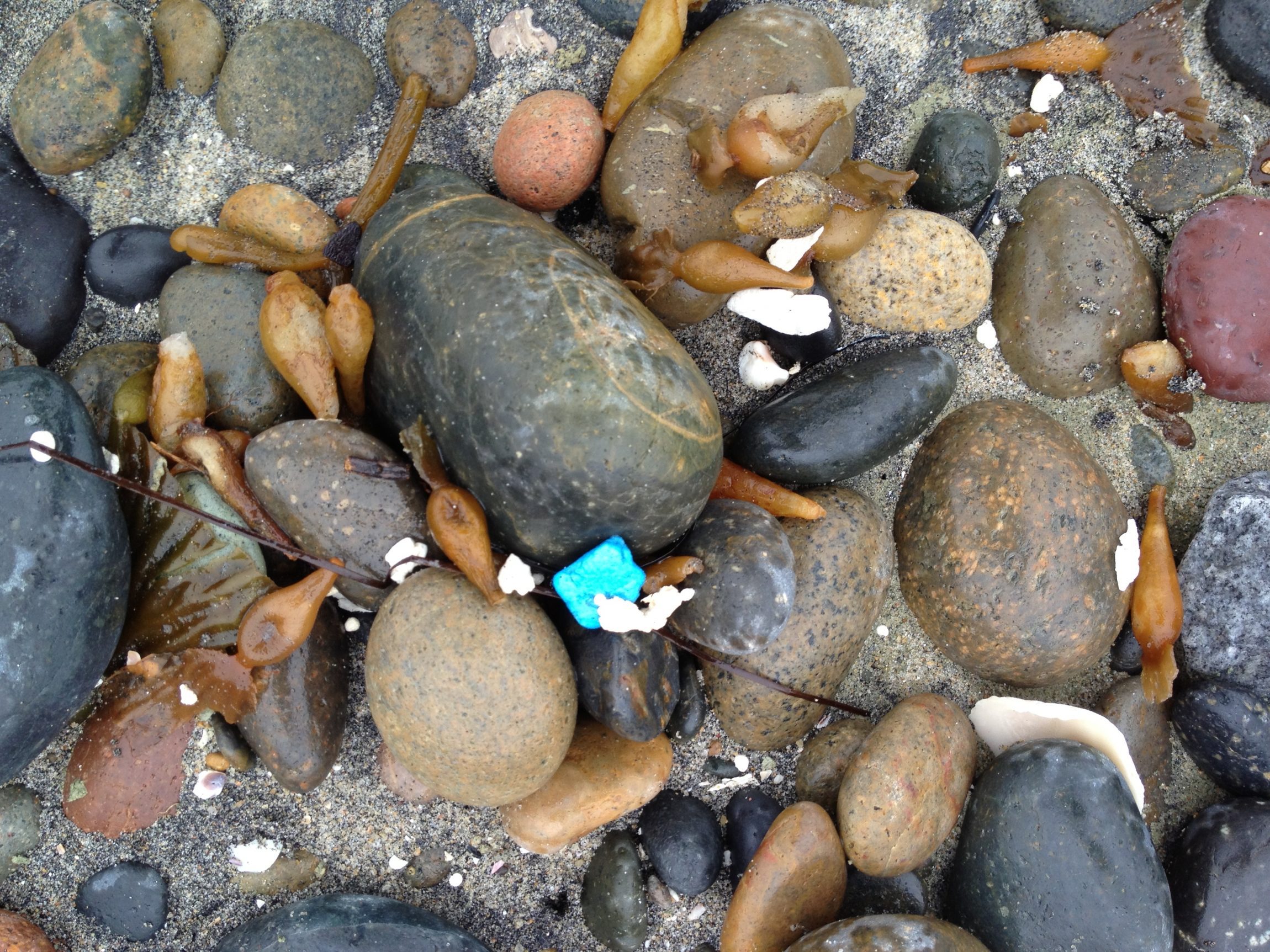
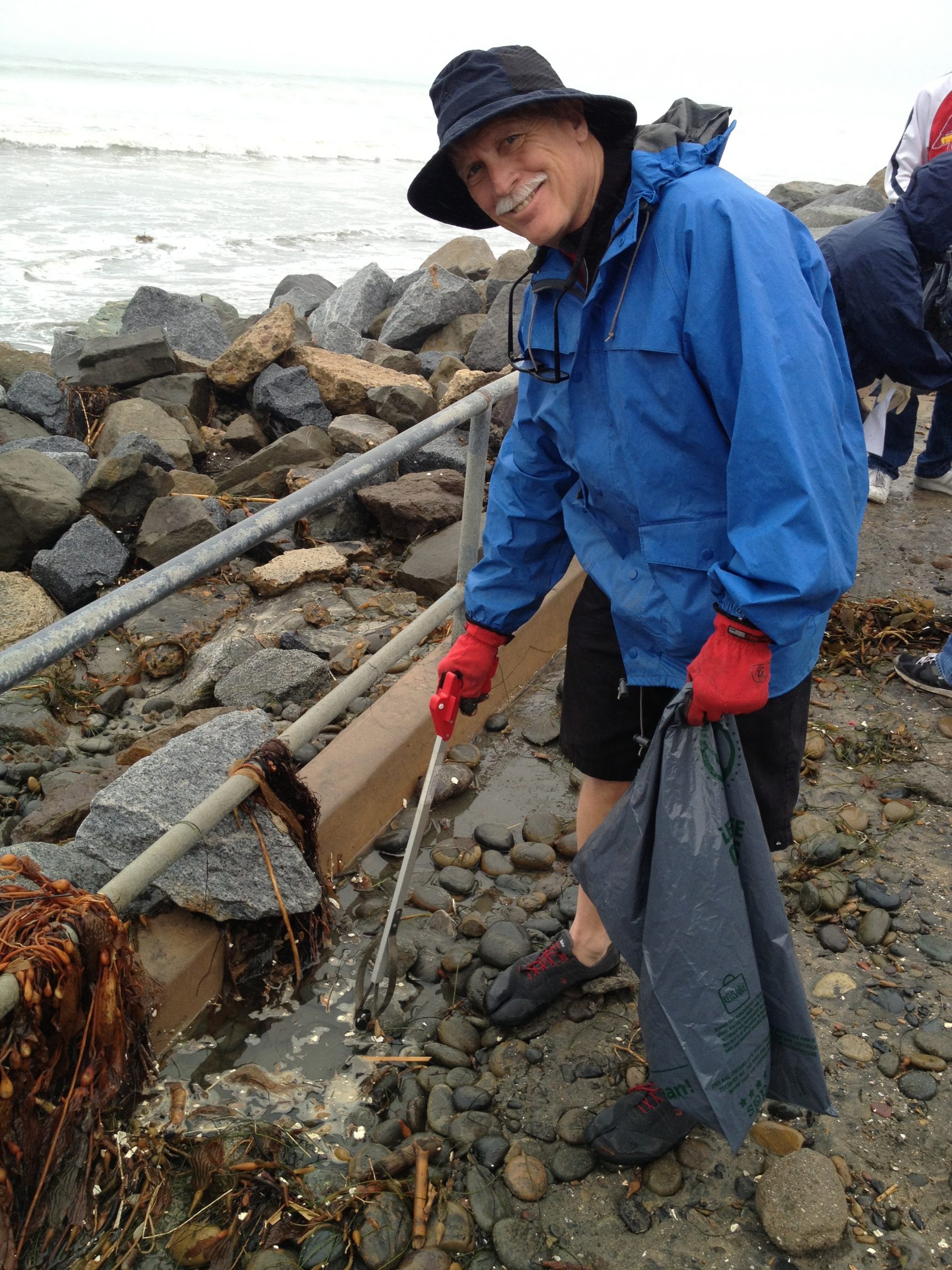 The California Coastal Commission funded a round of these cleanups in 2013, and more than 5,400 volunteers hit beaches up and down the coast to hunt for tsunami debris. While it has been challenging to confirm that any of the items found originated in Japan, many suspicious items have been found, including building materials and lumber with joinery more common to Japan than to US construction.