After having our last logo for 10 years, we decided we needed a face lift, but don’t worry! We’re still the same great organization that has worked with you to keep San Diego clean for more than 60 years! Learn more about our new look and new staff roles in our latest e-newsletter!
Gardeners come together at Creek to Bay
 Today, we would like to highlight yet another amazing Creek to Bay site captain team! Recently, our Development and Marketing Coordinator, Sarah, sat down with Kaley, a Community Health Specialist from the International Rescue Committee (IRC) who helps lead the New Roots Community Farm program. Read on to learn more about how this diverse group of community members have come together to do much more than pick up litter.
 First, let’s start with a little background; what does the IRC do? The International Rescue Committee (IRC) provides health care, infrastructure, learning and economic support to people from around the world whose lives and livelihoods have been uprooted due to conflicts and disasters. Every year, the IRC resettles thousands of refugees in 22 U.S. cities, including San Diego, in efforts to help people, “survive, recover, and gain control of their future.” (www.rescue.org)
One of their most popular programs, the New Roots Community Farm, helps promote food security for approximately 90 refugee families who reside in the City Heights area. Each family has a plot where they plant, maintain and harvest food that they bring home to their families. They even have a booth at the City Heights Farmer’s Market each Saturday, as well, where farmers can sell their produce to bring in extra income for their families.
[youtube https://www.youtube.com/watch?v=RvmA3pEX-Ak]
But the IRC’s reach doesn’t stop there. About three years ago, the New Roots team was introduced to ILACSD through a combined partnership with Ground Works San Diego – Chollas Creek and Linda Pennington; both of which are longstanding ILACSD supporters and advocates for the well-being of City Heights and Chollas Creek. Their collaboration was a natural fit because a portion of Chollas Creek, a 32 mile natural waterway and drainage system, runs along the backside of the New Roots Community Farm. Unfortunately, the creek has been known to attract illegal dumping and litter so when it rains those pollutants move downstream impacting several neighborhoods along the way.
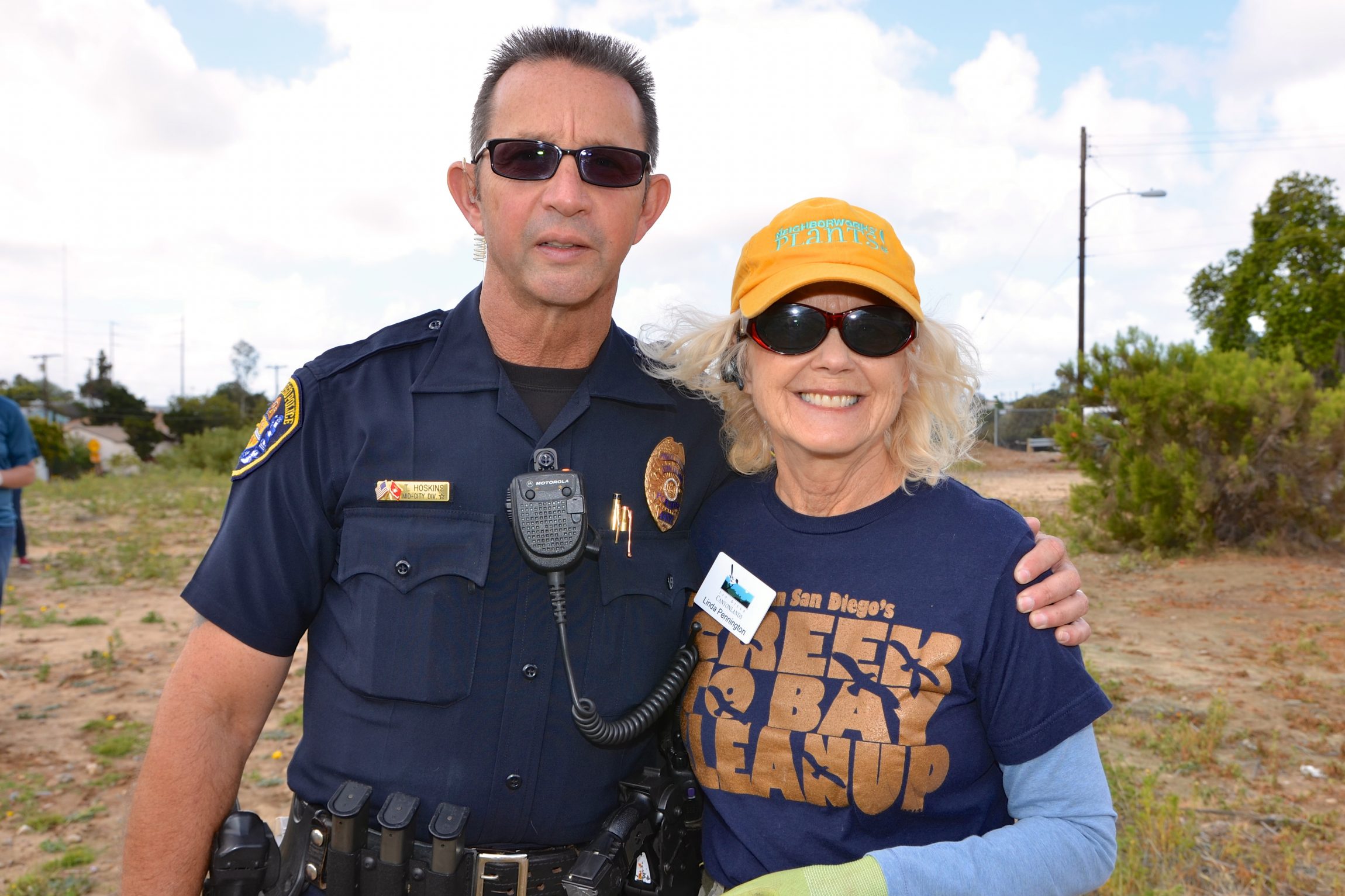
When asked, “What motivated your team to volunteer as site captains?” Kaley replied, without hesitation, “The free dumpster” which may seem like a comedic response but she further explained that ILACSD’s support, training and cleanup materials were great incentives to join. Additionally, her team was motivated by the fact that having pollution near a growing garden is not only unsightly, but could eventually lead to health issues. Thanks to this collaboration, the team at New Roots Community Farm now hosts quarterly cleanups in addition to their involvement with Creek to Bay and Coastal Cleanup Day, ensuring a healthy and safe garden for all to enjoy!
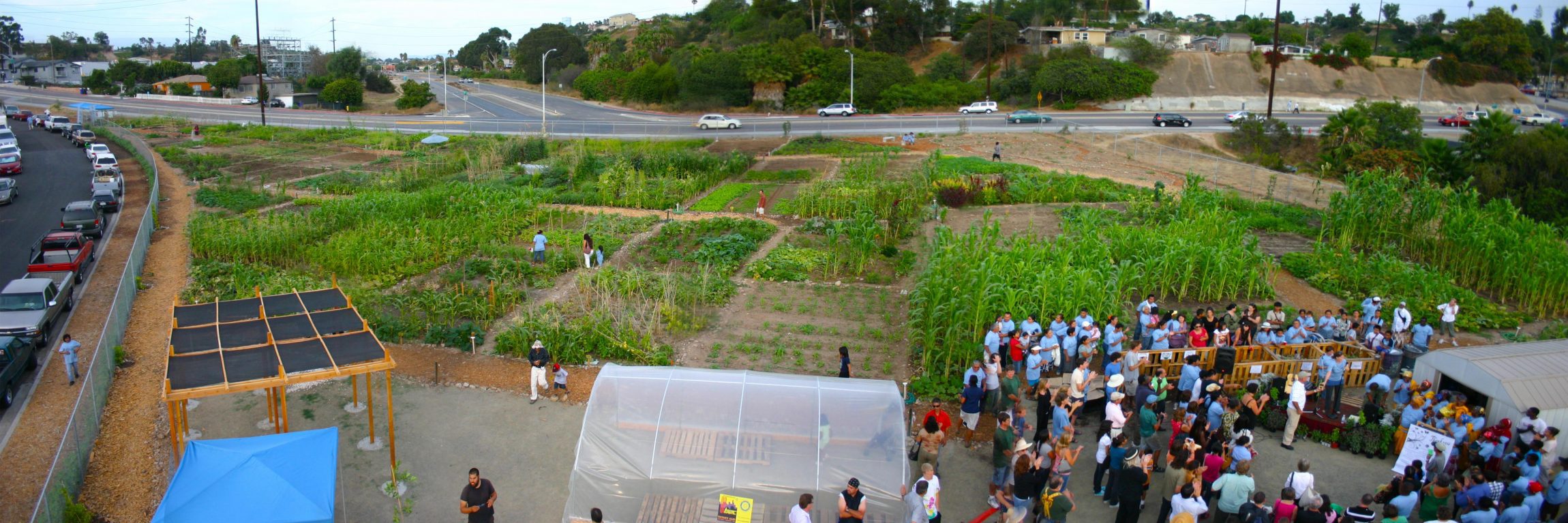
Ensuring safe food is not the only focus for this cleanup site. Although 90 families have plots at the garden, they often don’t see one another. Creek to Bay helps bring together one of San Diego’s most diverse communities, consisting of about dozens of different cultures and ethnicities, to enhance their local environment. It also provides them with a safe outlet to explore areas outside of the gardens. Since being introduced to I Love A Clean San Diego, volunteers have developed a native plants garden, walking paths, and removed pollutants from the creek bed. Above all else, the garden and Creek to Bay has helped to provide the gardeners with a greater connection to their new home in San Diego.
Join Kaley and her team at the New Roots Community Garden cleanup site in City Heights or choose from our other 105 sites at www.CreektoBay.org!
Standley Middle School Goes Green!

Today’s blog comes from our Environmental Educator, Emily! Emily spends most of her time traveling to different schools around San Diego County and teaching students about different ways they can help protect their local environment. Now, schools all around the county are starting to implement more efforts to be green. One shining example of this is the Green Team from Standley Middle School in University City. Today’s blog highlights the inspiring efforts of these students and their advisor. Read on to celebrate their successes and gain ideas for starting a Green Team at a school near you!
Their journey begins in 2013, when Shelley Rannikko and her colleague took a group of students to Yosemite National Park. This trip inspired the students to become eagerly engaged as environmental stewards. As Shelley recalls, “the ten hour road trip was the perfect place to brainstorm about how we could spread the word of recycling at school through a club called ‘Green Team’.”
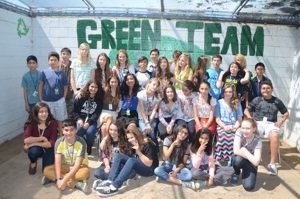
In the short time since its inception, the Green Team has made a significant impact on their campus. Here’s a look at how the club is structured, and what they’ve been able to accomplish:
Mission: The purpose of our team is to educate the students and families of Standley Middle School about the importance of recycling and how to accomplish it. The team is in its second year and maintains over 35 members, with more wanting to join every day! They meet during Academic Prep.
Member Responsibilities: Students are given chores that change weekly. Chores include:
- Bin Placement – bins provided through an Educate! grant
- Bin Return
- Garbage Ghosts – using trash pickers, they pull recyclables out of campus trash cans and place them in the recycling bins
- Radical Rinsers – rinse recyclables, like plastic bowls, lids, and milk cartons
- Green Team Ambassadors – pass out Green Team Bucks to students using the recycling bins
- Recycling Engineers – take cleaned items to the recycling dumpster
- Bottle Brick Makers – pack Gatorade bottles with non-recyclable items; bricks will be used to construct a bench on campus,
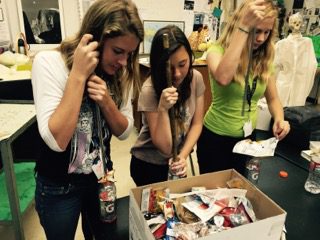
Recycling: Since its start in 2013, the Green Team has recycled:
| STANDLEY’S STATS ON RECYCLING | |
| Item | Pieces or Pounds |
| Juice Pouches | 3370 |
| Go Go Squeezes | 474 |
| Chip Bags | 2000+ |
| Milk/Juice Cartons | 150* |
| Plastic Bowls, Plastic Containers | 200+* |
| Cans and Bottles | 300+ pounds |
*Collection started last week
Through the TerraCycling program, the students are able to recycle more than the average blue bin. GoGo Squeezes and Juice Pouches are sent to TerraCycle, where the company pays for shipping and gives money back to non-profit organizations or to a charity of your choice from their website. Check your waste hauler’s requirements, or look into innovative programs like this one!
 Getting Others Involved: The Green Team has implemented a loyalty recycler card program to encourage students to recycle. Additionally, Green Team Ambassadors walk the quad during lunch, giving out Green Team Bucks for placing recyclables in the appropriate bins. For every six stamps or Green Team Bucks, students can earn an otter pop!
The Green Team creates videos that are shown school-wide during the Principal’s Chat. These videos promote fundraisers, the loyalty recycler card program, membership in the club, and explain what can be recycled on campus. Even Principal Bill Pearson got involved by researching how to reduce paper fliers and informational posters. His solution? Turn existing bulletin boards into chalkboards! A combination of exterior flat paint and unsanded tile grout made this possible, and it brings a bit of character to the quad.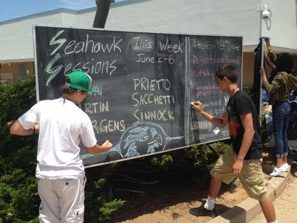
Looking Ahead: In addition to the bottle brick bench, the Green Team hopes to combine efforts with the Garden Club to create worm bins and start composting at their school.
If you’re interested in learning more, feel free to contact Shelley Rannikko, the Green Team Advisor, at (619) 920-2183 or srannikko@sandi.net.
[youtube https://www.youtube.com/watch?v=WHG3h1_Wghc]
Related Links for more information:
What is TerraCycle?: https://www.youtube.com/user/TerraCycleVideos
Drink Pouch Recycling Brigade: https://www.youtube.com/watch?v=vG5CdXhRtrE
Bottle Bricks: http://www.utne.com/environment/eco-bricks-zm0z12ndzlin.aspx
Kicking off Creek to Bay registration!
It’s one of our favorite days of the year...the day that Creek to Bay volunteer registration officially begins!
Plan to spend the morning of April 25th with ILACSD staff and thousands of other volunteers from across San Diego County to protect and enhance San Diego’s treasured natural spaces. But don’t take our word for it. Read on to hear from one of our newest site captain teams, the Trails Committee of San Elijo Hills from San Marcos!
Once upon a time, there was a group of concerned residents who recognized a growing litter problem in their community. Instead of turning a blind eye, they chose to band together to protect their neighborhood by hosting cleanups. They called themselves the Trails Committee of San Elijo Hills. Soon after forming, they realized that they needed some help to get their vision off the ground. So Crystal, a member of the Trails Committee of San Elijo Hills, and her team turned to ILACSD for guidance and supplies.
In a recent conversation with ILACSD, Crystal shared that “The Trails Committee of San Elijo Hills is just a small group of dedicated community members. Without I Love A Clean San Diego, pulling off a cleanup of this magnitude would have been a huge effort.”
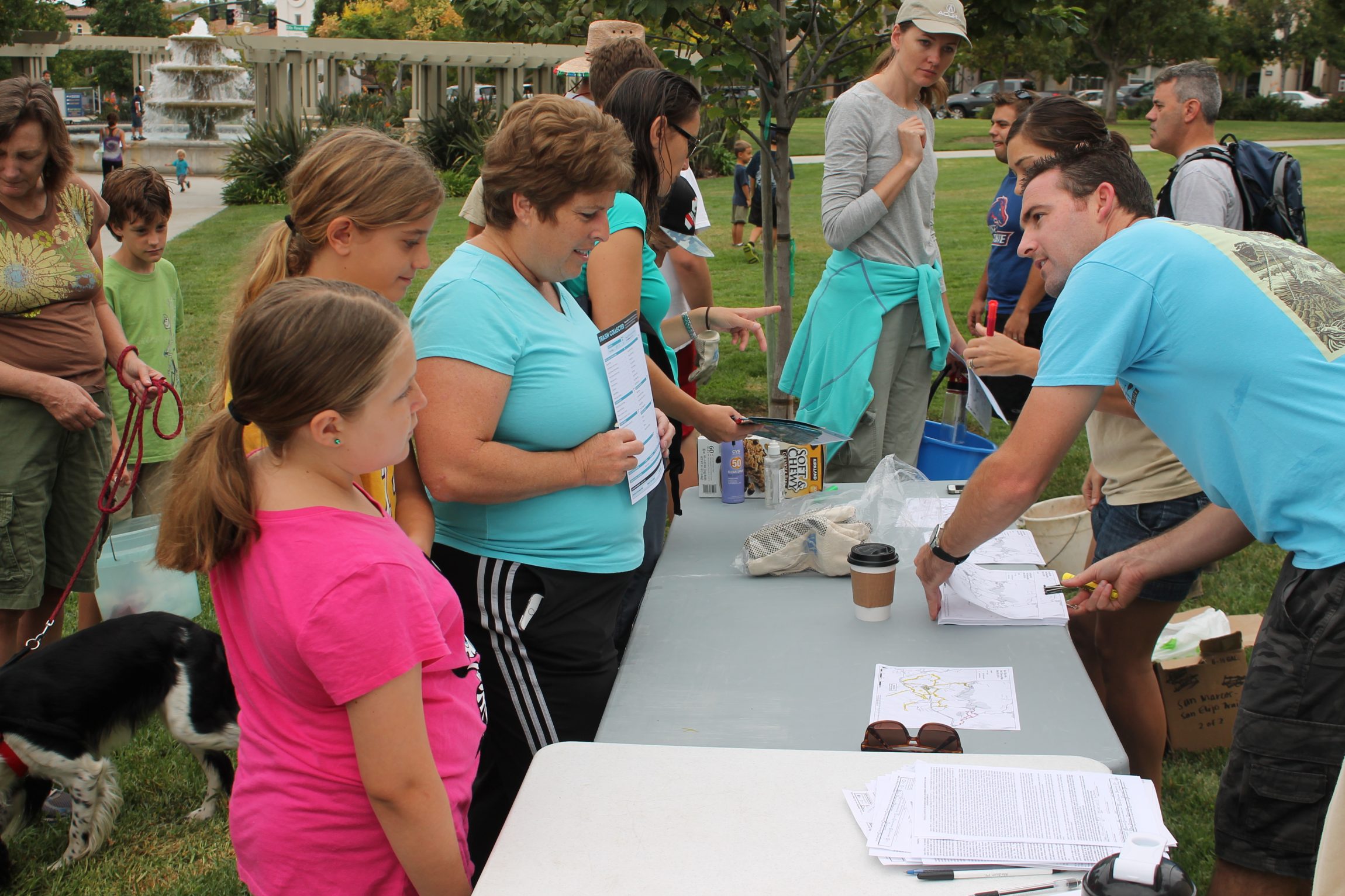
Well, this little group of concerned citizens organized their first cleanup last year as part of ILACSD’s annual Creek to Bay Cleanup. The results? To their surprise, more than 100 people showed up to clean up all 18 miles of the San Elijo Hills trails! What originally started as a small group of concerned community members grew almost ten-fold overnight. When asked about her favorite part of the Creek to Bay Cleanup was, Crystal replied that she enjoys connecting with others that are passionate about protecting the environment and seeing them get excited about what they are able to accomplish in just three hours.
Crystal also shared with us that cleanups like Creek to Bay are important for two reasons:
1) Volunteers physically remove the trash – instantly making our environment better.
2) The cleanups bring awareness and educate others about the problems that littering causes – encouraging community members to think twice before littering has a lasting impact.
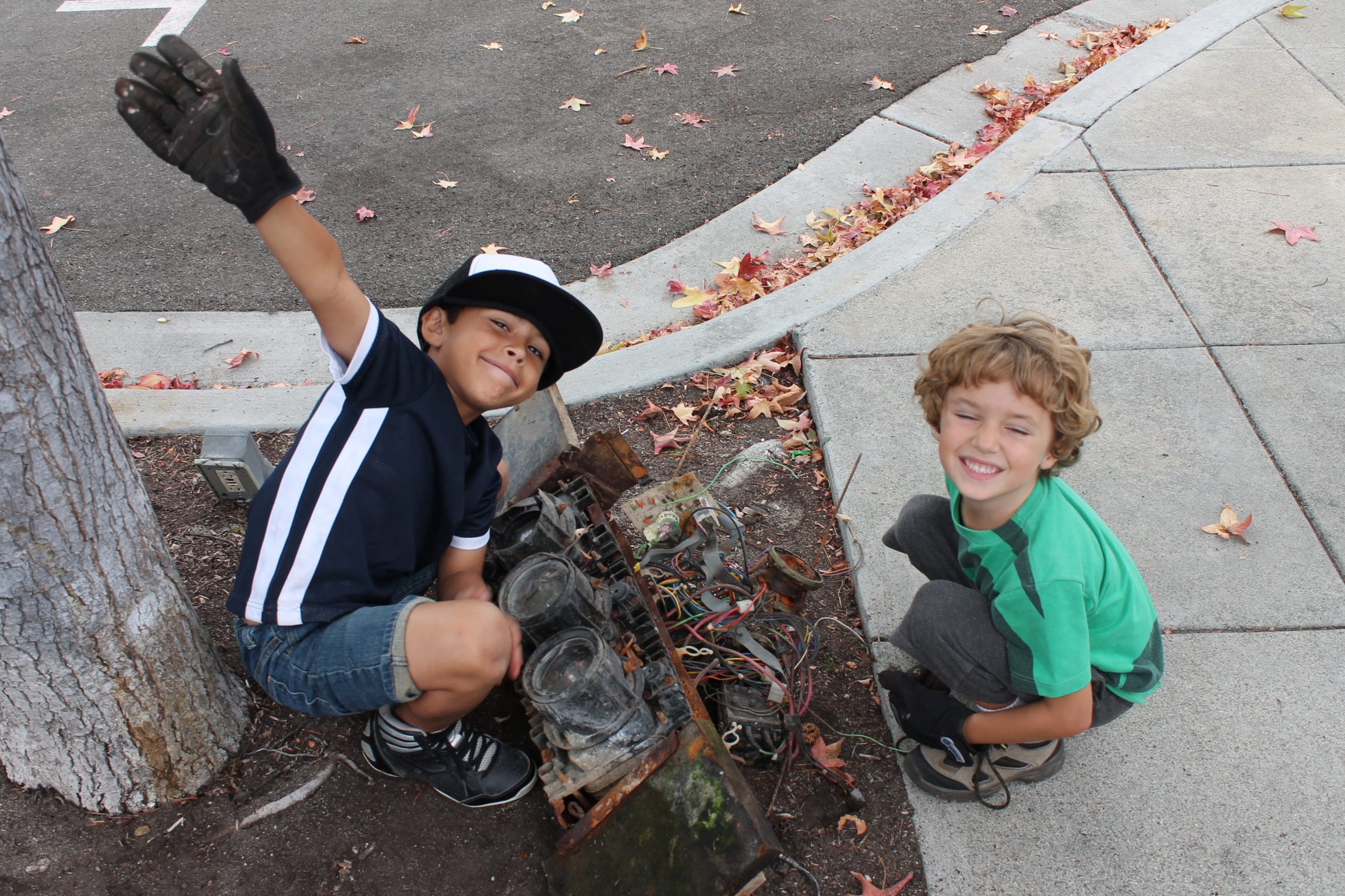
For more information and to register for Creek to Bay, please visit www.CreektoBay.org! If you’re feeling on the fence, take these words of encouragement from Crystal, “Three hours seems like a lot of time to give on a Saturday morning, but by the end you’ll surprise yourself. You’ll have a lot of fun and you’ll also gain a greater sense of pride for your community.”
Green Up Your Spring Cleaning!
 Although the groundhog saw its shadow and predicted six more weeks of winter last month, it sure feels like spring has taken hold in San Diego! For today’s blog, Amanda, our Hotline Manager, has put together a variety of useful tips to help jumpstart your eco-friendly spring cleaning!
Some may argue that San Diego only has two seasons – summer and a slightly cooler and rainier version of summer. Nevertheless, it is officially spring! Along with visions of bunnies, tulips and warmer weather – you’ll probably think of (and dread!) spring cleaning when you hear the word “spring”.
Eco-friendly products are now more popular than ever, but how do you know if what you’re purchasing is really helping to protect the environment? The EPA is rolling out a new program this spring/summer, it is called the Safer Choice Label. These labels will not only help you choose products that are safer for our environment, they will also help you choose products that are safer for your family, children and pets. More information on the EPA’s program can be found here.
If you aren’t able to find a product with the Safer Choice Label, there are a few things you can look for when choosing an eco-friendly cleaner on your own. Here is a list of harmful ingredients to avoid:
- Phosphates and EDTA, or ethylenediaminetetraacetic acid
- Butyl or 2-butoxyethanol and oxalates

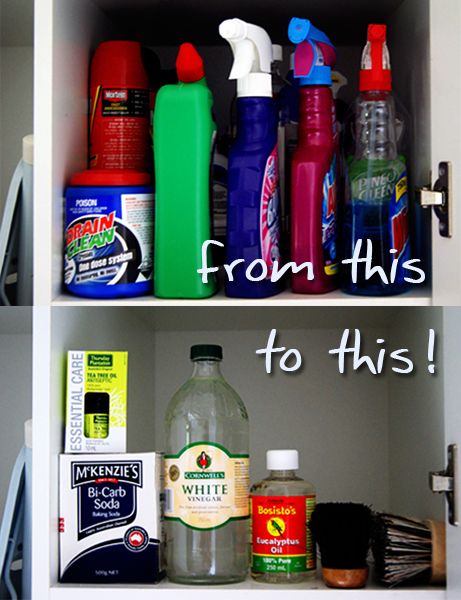
In place of these harsh chemicals, look for sodium citrate, sodium bicarbonate alkyl polyglycoside, isopropanol and glycerol on the ingredients list. For more information, check out this article from Washington Post!
If you have a little more time to invest, DIY cleaning products are great alternatives as well! You can make anything from glass cleaner to furniture polish to carpet cleaner with some basic products you may already have at home. You can clean your toilet bowl with vinegar and baking soda – yes, just like the volcanoes you made as a kid! Find more tips on our Pinterest board “Clean and Green” including this great Buzzfeed article about DIY household products!
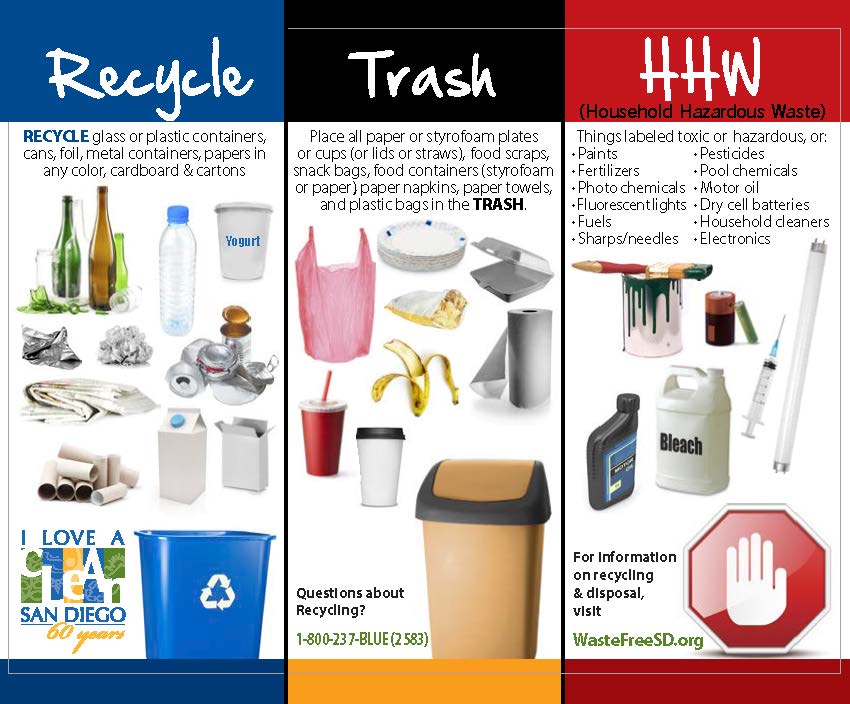
After your house is spick and span, remember to repair, recycle, donate, reuse and/or properly dispose of the excess items, putting things in their place. If you need a refresher on what is considered trash, recyclable, and household hazardous waste turn to www.WasteFreeSD.org! Our database also has lots of information about donation and recycling centers to help you get rid of unwanted items!
Profiling ILACSD’s longest-serving site captains!

Today’s blog is a special one. Two of our longest standing supporters, Jane Donley and Mindy Pellissier, graciously put together these thoughtful answers about their experience as site captains and what they do year-round to help protect OB’s Dog Beach. Read on to learn more about their passion for a clean San Diego and why they want you to join them for Creek to Bay, happening April 25th!
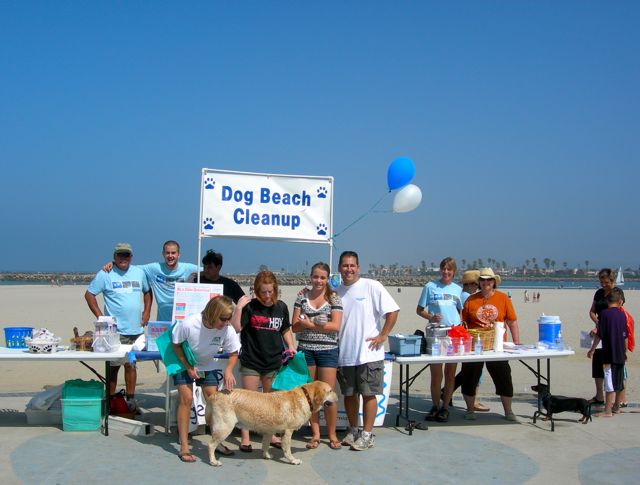
Prior to opening the Dog Wash, Mindy & I got our first dog in Feb. 1989 and began visiting Dog Beach daily. The Ocean Beach Town Council had adopted Dog Beach in 1972 (when it officially became an off-leash area) for cleanups 3-4 times a year. As members of the Town Council, we became involved in the cleanups and in 1993 (when opening Dog Beach Dog Wash) took over as captains and organizers of the cleanups.
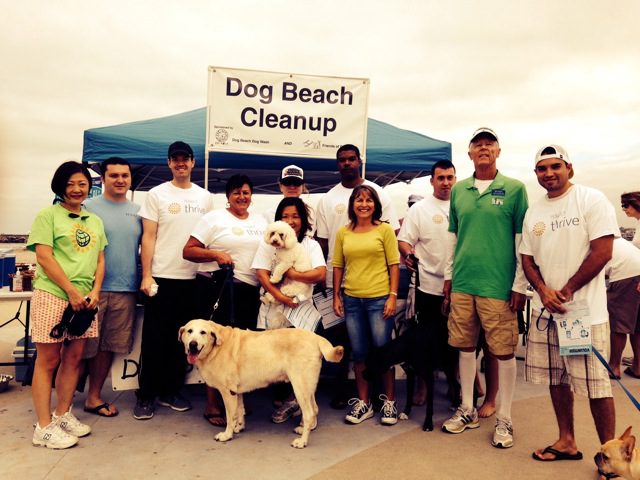
In 1996, we organized Friends of Dog Beach to cleanup and care for Dog Beach, conducting bi-weekly cleanups with several hundred volunteers. Currently we conduct monthly cleanups (every second Saturday from 9 to 11 am) in addition to Creek to Bay, Morning After Mess on July 5th, and Coastal Cleanup Day. We installed 12 stainless steel containers for dog bags with help from County Supervisor Greg Cox and the OB Community Development Corporation in 2002, and currently provide more than 10,000 free poop bags a week to keep Dog Beach clean.
What brings us back?
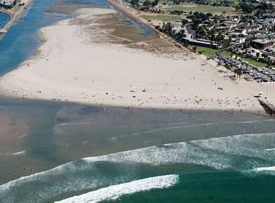
We value Dog Beach (40+ acres of sand where the San Diego River meets the Pacific Ocean) for the joy it brings to the 10,000 dogs who visit each week, the social benefits to dogs and human guardians, and the love and respect we have for the natural habitat and fresh air. We are committed to improving the water quality of the river and ocean, and maintaining the beach as a desired destination for nature- and dog-lovers, and will always support organizations and individuals who share these values.
Why should others consider becoming site captains?
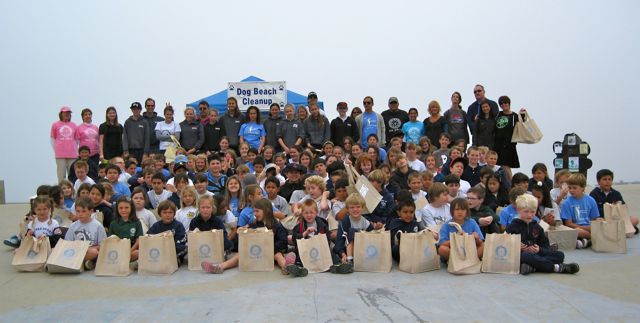
The best part of being a site captain is the vested interest in protecting and enhancing the beauty and health of a “great place” be it a canyon, creek, back alley or beach. Over years one can see improvements, and socializing with neighbors for a good cause improves everyone’s quality of life. Inspiring others, especially younger generations, to respect and enhance the environment is another major goal.
Aside from cleanups, how else does Dog Beach Dog Wash protect the environment?
In our private lives, and at Dog Beach Dog Wash, we continually seek ways to protect and enhance the environment. We’ve planted trees, and conserve water with low-flow devices, synthetic lawn and low-water plants. We use recycled and recyclable paper products, green cleaning products, “Energy Star” appliances, and sell healthy organic dog treats and dog/cat collars and leashes made from soy and recycled plastic bottles. Because of potential zoonotic diseases, we cannot use recycled water; we looked into that.
We also donate our used towels and dog accessories to local animal shelters to be re-used for dogs & cats awaiting forever homes. We support organizations that share our values for sustaining and improving the environment, including I Love A Clean San Diego, Think Blue, Surfrider, Coastkeeper, and the San Diego River Park Foundation.
Mark your calendars – registration opens Wednesday, April 1st! You’ll have the opportunity to choose from 100+ cleanup sites across San Diego County, including Jane & Mindy’s site in OB! For more information & to register, please visit www.CreektoBay.org. In a matter of only a couple hours, you’ll be able to show pride for your community working along side neighbors to ensure a safe and clean environment for current and future San Diegans!
A Rind is a Terrible Thing to Waste
 Today’s blog comes from our Education Manager, Erika. Earlier this year, Erika took it upon herself to find new ways to reduce the amount of waste she creates each day – she signed up for a composting course! Now that she is on her way to becoming a Master Composter, she wants to share what she has learned in hopes of inspiring you to take a composting course near you! Read on to learn more about how food waste impacts our landfills and how you can become a skilled composter as well!
A rind is a terrible thing to waste, so do something! Join the Master Composters!
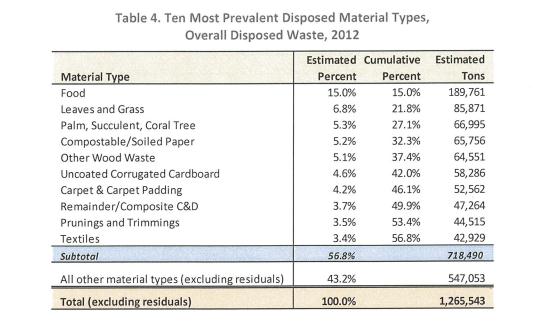
Here at I Love A Clean San Diego, many of my coworkers and I feel strongly about waste reduction. In the past few years, I have seen my own transition from using some disposable items in my life. An example being bringing my stainless steel pint glass to the Adventure Run last week, so that I wouldn’t have to use a disposable plastic cup for that IPA at the end of the race. While I have been able to carry my bamboo cutlery and stainless steel straw around, I noticed that I was still creating quite a bit of waste – food waste. In San Diego, we lead the country in per capita waste, with disposing about 1.3 million pounds in 2012. Of that trash, a 2012-2013 study showed that food represented the most prevalent material composed in our landfill, accounting for 15% of the total waste stream. In residential waste, that percentage increased to 18%. After learning these startling statistics, I realized there is so much more that I can do with regard to waste reduction. So, with waste in my mind, I signed up for a Master Composting class.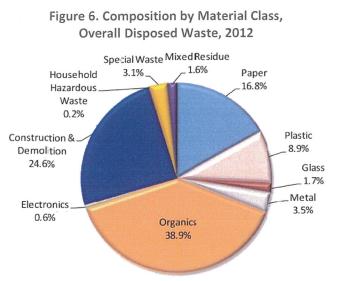

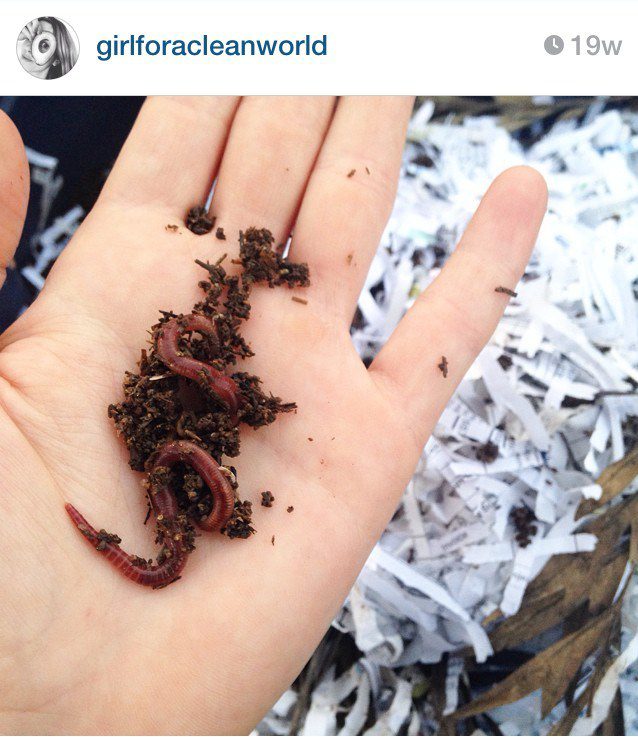
Last October, my friend, @girlforaccleanworld, and I joined with a dozen other composting inquirists, skeptics, novices, and enthusiasts to begin our composting journey to potential Mastery. At first, I was quite anxious. I previously had a horrific experience with a vermicompost, resulting in [read quickly] maggots and other vermin. Needless to say, I was apprehensive but determined to further reduce my waste through composting. The great thing about the course is that there is such a great variety in reasons why people compost – from professional development, to reducing waste, to ameliorating compost gone wrong, to education – there were people from all walks of life.
Another great thing about the course is its hands on approach. On the first day, we were already getting our hands dirty, layering greens (food scrapes, grass clippings, etc.) and browns (cardboard, paper, other wood products). Each week, we measured the temperature and moisture of the bin, turned it, and looked for grubs – ok, that might have just been me. I was captivated by how clean everything was and how quickly different items could degrade. While I learned a lot in the class, the take home for me was:
• Anything and everything (natural) will eventually turn to compost, it just is a matter of time.
• You can be active or passive, it will still turn to compost
• Compost does not smell – if it smells, give it a turn, it needs to breath
• Composting doesn’t need a ton of space, especially vermicomposting
Since completion, I have been working toward 30 hours community composting service to become an official Master. I have become more conscious of my grocery shopping, as to not buy more than I need, and have been able to help people out with their composting woes. I would highly recommend the class to anyone. For more information visit http://www.thelivingcoast.org/programs/composting-programs/. There is also a 5 week long composting workshop available through the Solana Center that starts on April 11th. For additional information please click here.
Let’s work together to minimize our food waste! Connect with us on Facebook, Twitter, Pinterest and Instagram for helpful tips and tricks about how to reduce waste in your life!
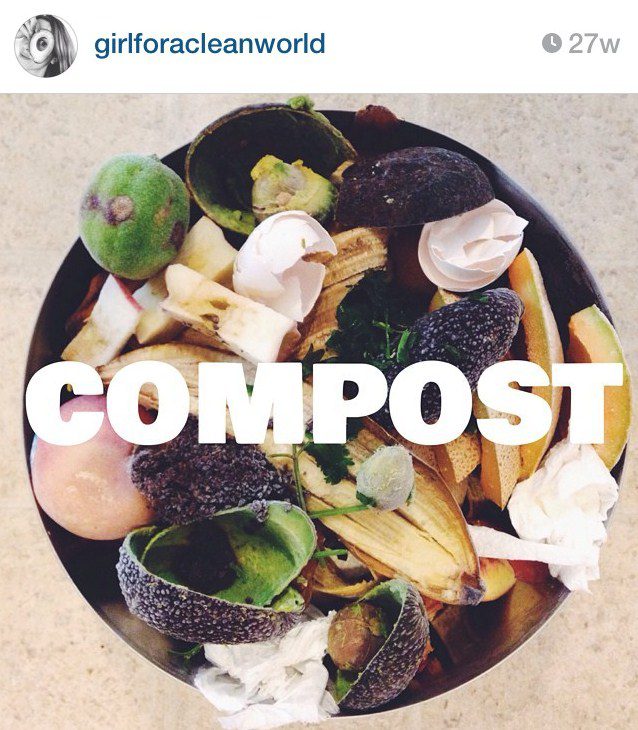
Photo Credit: @girlforaccleanworld. Thanks for allowing us to use these great photos!
Local Businesses Step Up for Creek2Bay
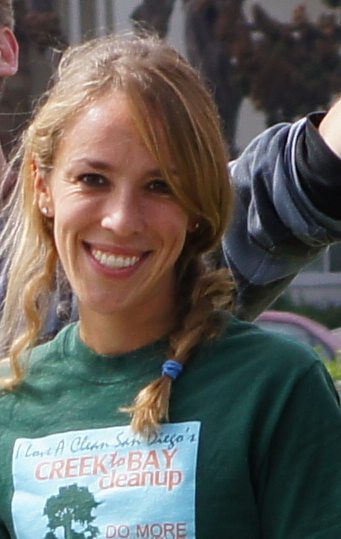 Today’s blog comes from our Community Programs Manager, Lexi! If you have ever volunteered for one of our cleanups there is a good chance you two have crossed paths! In addition to community cleanups, she also helps coordinate our two countywide cleanups, Creek to Bay and Coastal Cleanup Day. Creek to Bay is the first countywide cleanup of the year and there will be close to 100 cleanup sites across San Diego County! Read on to learn more about how local businesses have stepped up to protect and conserve our environment!
Preparations for our Earth Month volunteer event, the Creek to Bay Cleanup, are in full swing here at I Love A Clean San Diego. With 95 cleanup and beautification projects happening throughout San Diego County on April 25, it’s certainly a busy time around our office!
This event would not be possible without the support of some of our business partners in the community. We’d like to take this opportunity to recognize some of these groups that help make this event a success.
One of our newest partners for this event is local startup BoxedGreen. This eco-friendly company is helping San Diegans reduce their environmental impact by offering gently used cardboard boxes for $1 each. Through unique partnerships with local businesses, BoxedGreen connects community members in need of boxes with nearby retailers who have boxes to spare.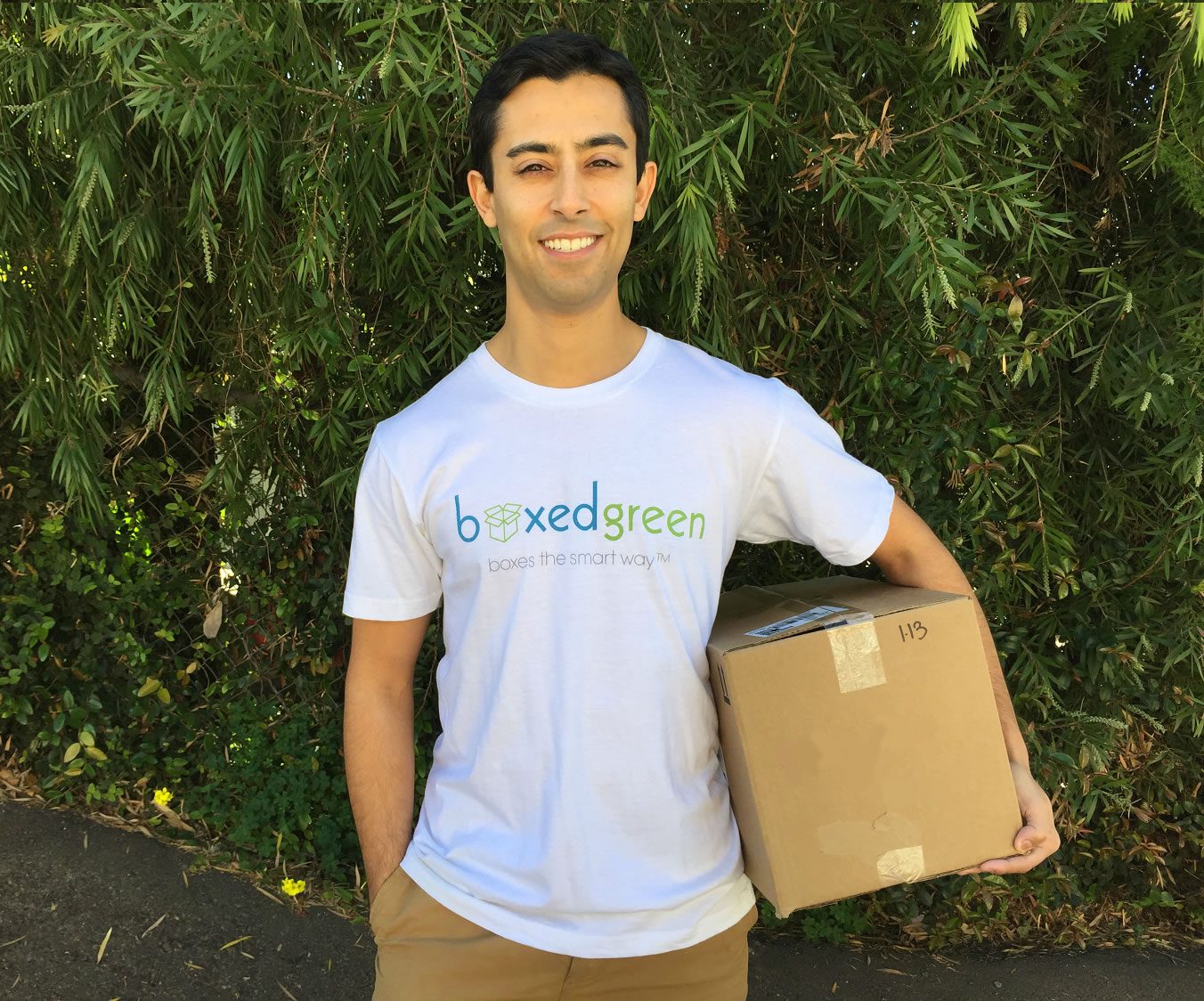
BoxedGreen will be donating a portion of the cardboard boxes we use to pack up the cleanup supplies for our 95 different Creek to Bay sites throughout San Diego County. We can’t wait to put these recycled boxes to good use!
RECON Environmental, Inc.
Maple Canyon in the Park West neighborhood of San Diego looks quite a bit different now than it did 4 years ago, thanks in large part to cleanup efforts led by a team from RECON Environmental, Inc. RECON, a local environmental services firm, wanted to use its expertise in habitat restoration to revitalize a canyon in their neighborhood through community involvement.
RECON staff began serving as site captains for this canyon in 2011, focusing first on large trash items that had been illegally dumped years ago. Once these items were properly disposed of, RECON began to focus on habitat restoration by removing invasive plants and slowly returning the canyon to its native state of coastal sage scrub.

To keep the canyon looking great between our countywide cleanup efforts (Creek to Bay in April and Coastal Cleanup Day in September), RECON also coordinates their own cleanups of the canyon through our Adopt-A-Beach/Adopt-A-Canyon program. RECON is a perfect example of how a company can take action to beautify the environment right in its own backyard!
Sony
For the last several years, we have worked with our friends at Sony to offer a fun photo contest for all of our volunteers. The winner of this year’s contest will receive a brand new Sony Cyber-Shot camera! Last year’s photo contest theme was “Be The Change,” and we received tons of great shots of volunteers beautifying their local communities.
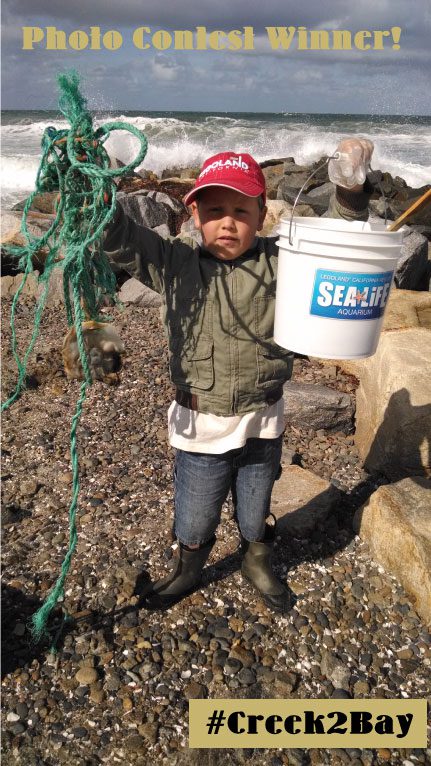
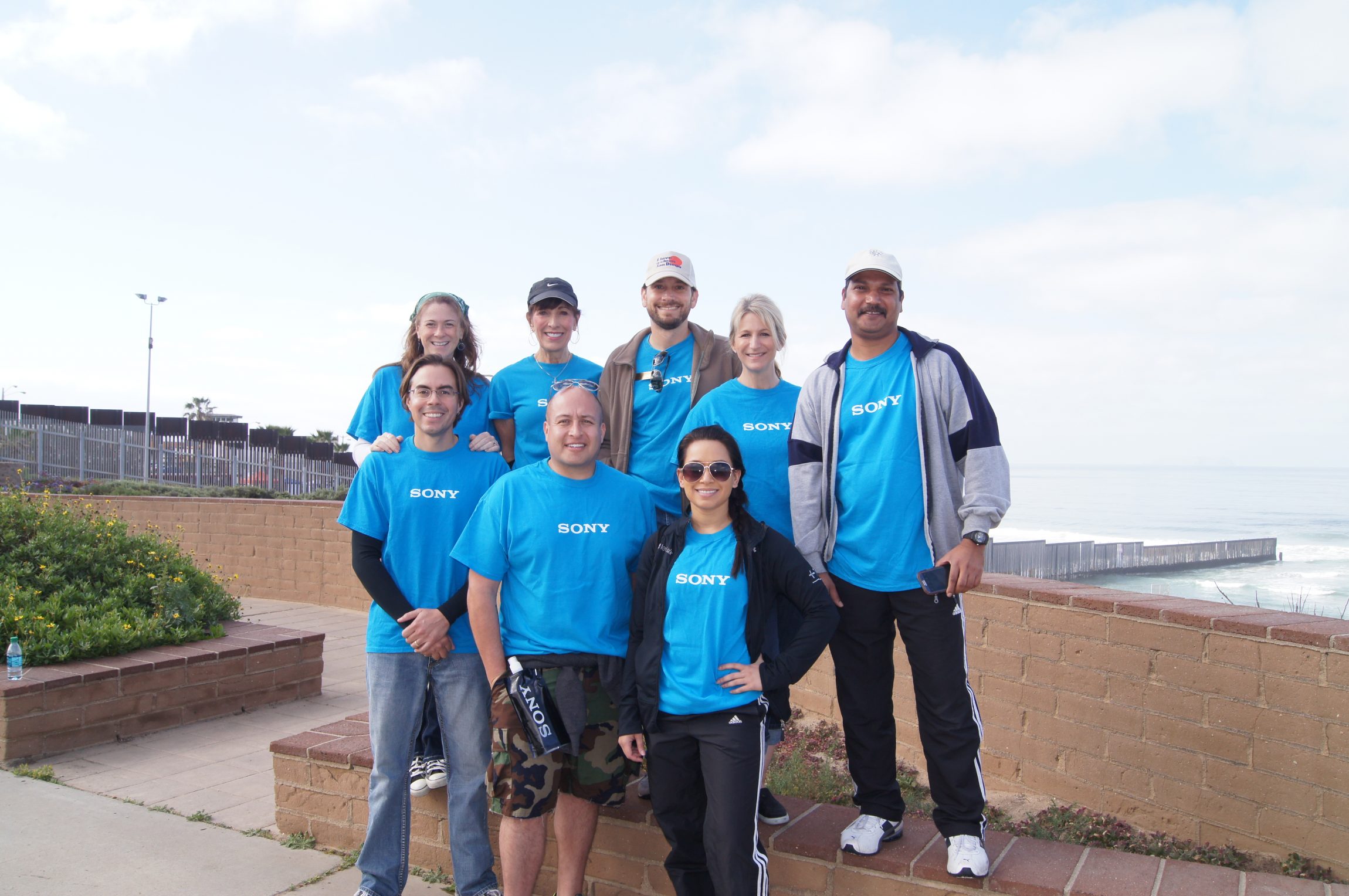
And not only is Sony supporting our event by sponsoring the photo contest—they also gather a volunteer team every year to participate at one of our many cleanup sites.
Interested in getting your business connected with our Creek to Bay Cleanup? Visit www.CreektoBay.org to find out about how you can get involved! If you’re interested in becoming a sponsor, please download a copy of our sponsorship packet. For more information, please email Natalie, Senior Director of Operations, at nroberts@cleansd.org. Thank you!
Unique Partnership Captures Cross-Border Message
For today’s blog, ILACSD’s Development & Marketing Coordinator, Sarah, collaborated with Lucy Eagleson, Program Coordinator & Media Educator from Outside the Lens (OTL) to highlight one of ILACSD’s most cherished partnerships. Read on to learn more about how we meshed digital media and environmental stewardship to bring our Kids’ Ocean Day aerial art to life!
First, a little bit of background information about OTL, Lucy and how this partnership came to be.
Lucy spends a lot of her time as a Media Educator in San Diego classrooms, helping students find their voice within and express it through digital media arts. By looking at current and historical photography and films, students come to understand that a picture is often worth a thousand words, and sometimes even more. Lucy enjoys partnering with I Love A Clean San Diego for Kids’ Ocean Day because it brings together her passion for photography and making a difference in our community.
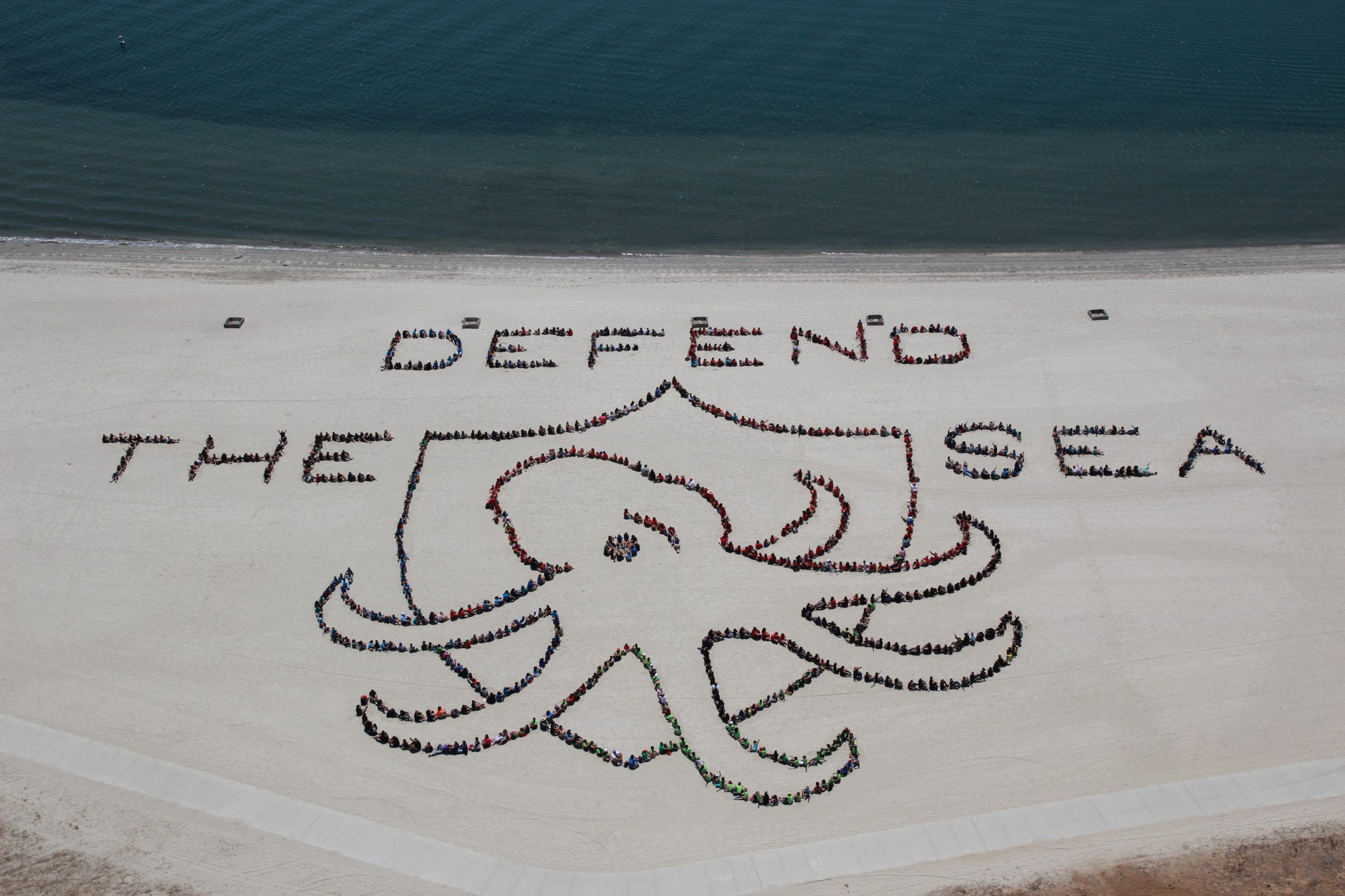
ILACSD staff have worked together with OTL for Kids’ Ocean Day for many years now, but this year we threw Lucy a curve ball – a bi-national aerial art image. Without going into too many details, a bi-national aerial art image posed some challenges for Lucy and the Corporate Helicopter team, but at the end of the day we couldn’t be happier with the end result.

Close to 1,200 students, their teachers and volunteers from both sides of the border came together to remove harmful pieces of beach debris along Border Field State Park and Playas de Tijuana. After the cleanup, one-by-one, the students filled into the aerial art outline to form this year’s cross-border aerial art image and commemorate the first-ever bi-national Kids’ Ocean Day! Below is one of our favorite pictures of the aerial art formation coming to life!
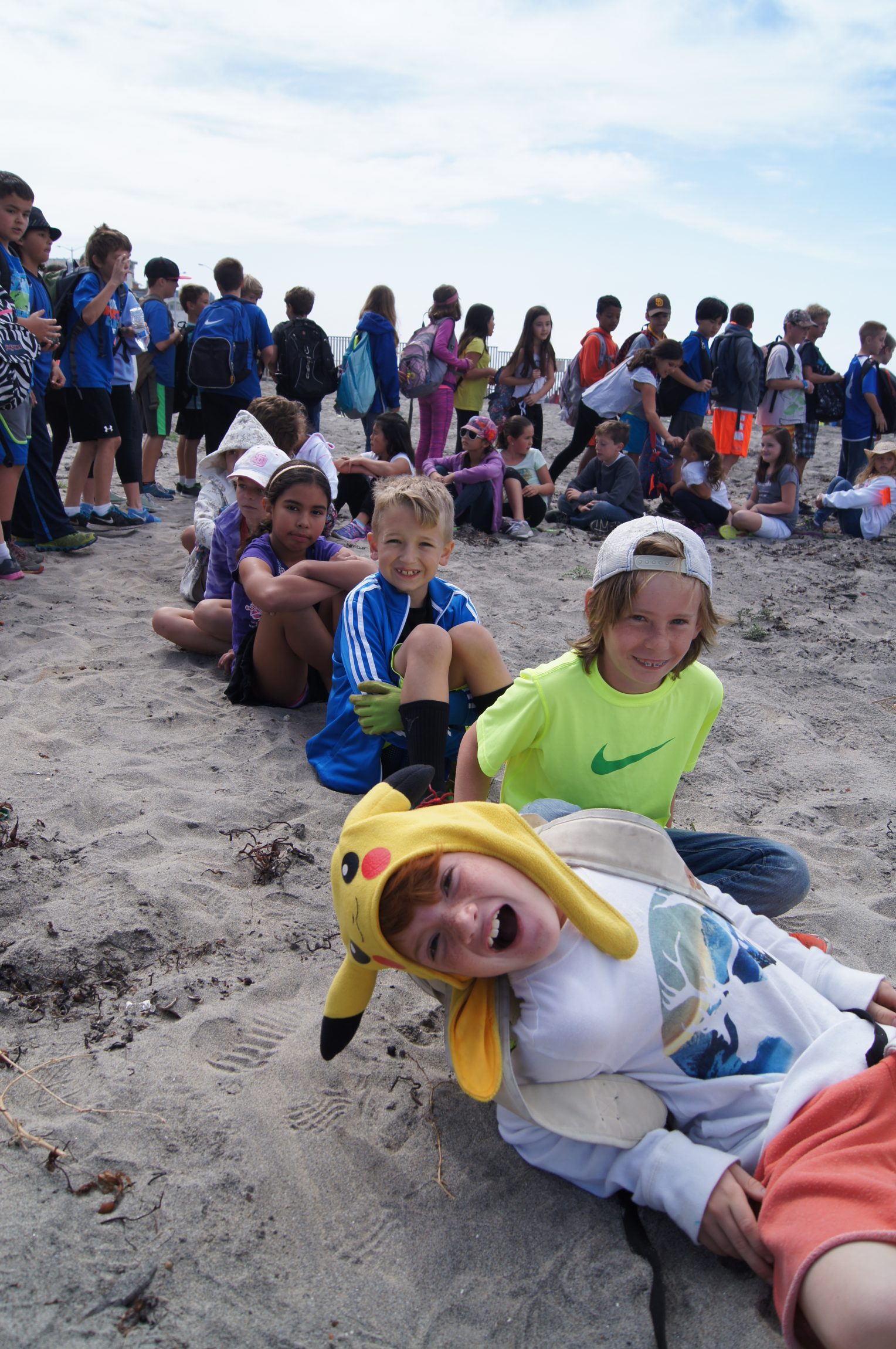
This stunning image clearly demonstrates that we all need to do our part to protect our environment and that the ocean knows no borders. The message reads “UNITE POR EL MAR” which translates to unite for the sea. This image has received an overwhelming response on social media and from local media alike, for which we are extremely grateful.

It goes without saying that a special “thank you” goes out to Outside The Lens, Lucy, and the Corporate Helicopter team for capturing this powerful image!
Be sure to follow and like ILACSD and OTL on your favorite social media networks to stay connected to the great work happening year-round!
 Facebook:
https://www.facebook.com/iloveacleansd
https://www.facebook.com/OutsideTheLens
 Twitter:
https://twitter.com/iloveacleansd – @ilacsd
https://twitter.com/OutsideTheLens – @OutsideTheLens
 Instagram:
https://instagram.com/iloveacleansd/
https://instagram.com/outsidethelens/
About Outside the Lens – Outside the Lens empowers youth to use digital media to create change within themselves, their community, and the world. Students see how the power of their photos can speak louder than words and even inspire change in the community around them.
DITCHING DISPOSABLE PLASTIC – the bag edition
Since last fall, ILACSD has received a variety of questions about how plastic bag ban laws will impact the way we shop. For today’s blog, ILACSD’s Director of Development and Marketing, Morgan, will focus on Encinitas’s plastic bag ordinance and tackle some frequently asked questions. Read on to get the answers to your questions and learn about upcoming reusable bag giveaways!
As you may have heard, the California statewide plastic bag ban is now on hold until it can be put on the ballot for a statewide vote. While the battle rages on in the case of California vs. Big Plastic, there is also some news about a local plastic bag ban. You may have heard that back in October 2014, the Encinitas City Council voted to establish an ordinance limiting the usage of single-use plastic carry out bags at local stores. Well, the first phase of that ban is set to go into effect on April 10th. I Love A Clean San Diego is working hard to make sure that Encinitas residents and businesses are informed about the changes before they go into effect. If you live, work, or shop in Encinitas, you can turn to us to get all of your questions answered about how “Encinitas Municipal Code Section 11.26” will actually work.
Also, starting this weekend, ILACSD will conduct a series of bag giveaways at local grocery stores in the community. So keep an eye out on our Facebook and Twitter pages as we announce give-away dates, time and locations.
Here’s a rundown of some of our favorite FAQs:
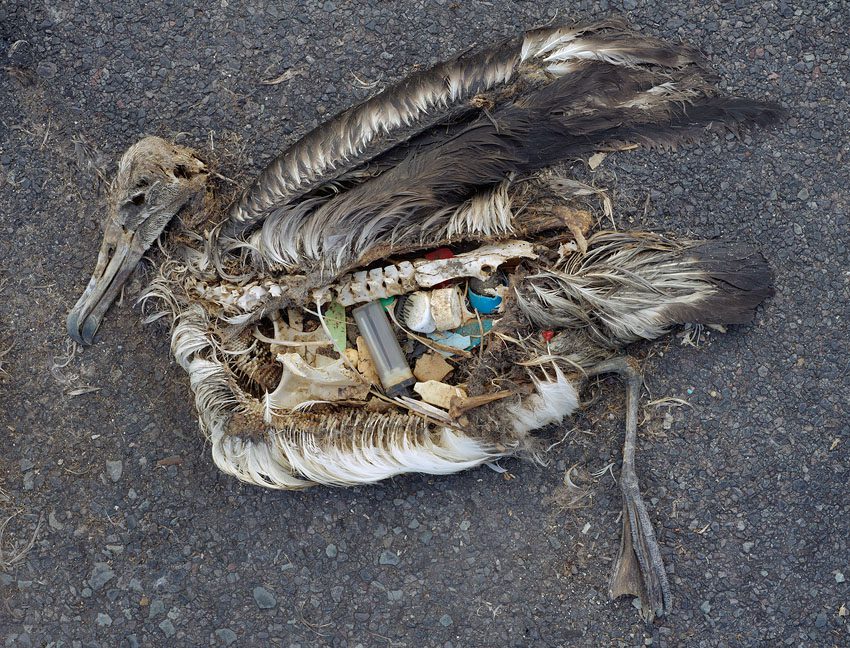
Why is the City of Encinitas banning single-use plastic carryout bags? Well, plastic bags are extremely lightweight and can act like balloons blowing out of garbage trucks and landfills. These flyaway bags litter our communities, enter storm drains, and eventually end up in the ocean. Plastic is the most common type of litter found on local beaches. Marine life often become entangled in plastic bags and can mistake plastic particles for food, causing harm and sometimes death to the animals. New research suggests that this plastic is making its way up the food chain and is potentially affecting the seafood we eat.
I heard that I will have to pay 10 cents to use my own reusable bag. Is this true? NO! Customers will now have two choices at checkout: bring your own reusable bags to carry your groceries at no cost (some retailers even offer a rebate for each reusable bag you bring) OR purchase bags at checkout. You can buy reusable bags or paper bags for your groceries at a minimum cost of ten cents each. If you forget your reusable bags at home and don’t want to pay for bags, you always have the option of loading groceries back into your cart and putting them directly in your car without any bags.
What about using biodegradable bags? A “biodegradable” plastic bag is not a solution for litter issues associated with plastics. These bags can only break down under very specific conditions and do NOT break down naturally in our waterways, posing a threat to animal life. To fully degrade, these bags require heat and specific bacteria present in industrial composting facilities, and we don’t have any of those facilities in San Diego County.
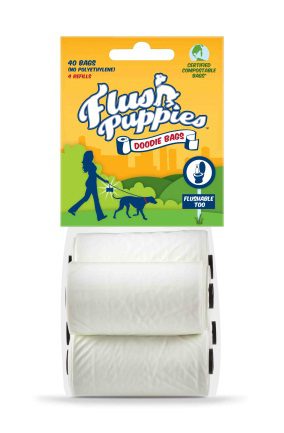
I line my trash cans with plastic bags from the grocery store. Now what can I use? Trash can liners and large trash bags will still be available for purchase in stores. To cut back on waste, you can buy heavier-weight plastic bags and reuse them after emptying waste into your curbside bin. To cut out plastic bags altogether, line the bottom of your trash can with newspaper or other paper, and rinse it out periodically after use.
I use plastic grocery bags to pick up pet waste. What do I do now? There will still be many plastic bags in circulation. You can use bags from bread, produce, bulk products, or cereal, or purchase a roll of small pet waste bags. To avoid using plastic bags altogether, you can bring last week’s newspaper or a waste-scooping device on your walk and use it to pick up after your pet. Check out other solutions to pet waste disposal in our blog “Scoop the Poop: Alternatives to Plastic Bags”.
I’m worried about bacteria on reusable bags. Are they sanitary? Plastic produce bags will still be available for wrapping meat, poultry, and seafood. Consider carrying these raw meat items in a designated reusable bag each time, separate from fresh fruits and vegetables. To keep your reusable bags clean, just use common sense and everyday hygiene. Throw your cloth/fabric tote bags into the wash with your laundry load to clean them periodically. For thick plastic reusable bags, wipe them clean with a sponge dipped in warm, soapy water and allow them to air dry before storing. Find cleaning tips for your bags and other eco-friendly cleaning tips on our Pinterest board “Clean and Green”.
If you have other questions that are not listed here, please share them in the comments below!