Calling all Clean Freaks and Greeks! ILACSD is looking for fraternity and sorority volunteers!

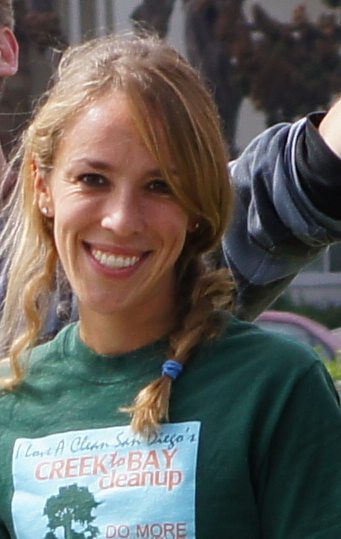
Today’s blog post comes from our expert Community Events Coordinator, Lexi Ambrogi.  If you’re interested in learning more about volunteering or want to sign up for an event, contact her at lambrogi@cleansd.org. 
S

We may not think of San Diego as a college town, but with UC San Diego, San Diego State, and University of San Diego right in our backyard, there are tens of thousands of college students in our community. For many students, a big part of the collegiate experience is Greek life—fraternities and sororities can be a great way to make friends and enjoy your 4 years (or 5, if you fall in love with San Diego’s beaches and want to hang around a bit longer).

We’ve been fortunate enough to team up with some great fraternities and sororities at our cleanup events. Are you involved with Greek life? Here are the top 5 reasons we want to see you our at our next cleanup event:

5. Leadership: Looking for some leadership experience for your resume? Look no further. Why not organize a cleanup for your fraternity or sorority through our Adopt-A-Beach program? Or take it a step further and get trained as a site captain to lead a cleanup site for one of our countywide cleanups, Creek to Bay or Coastal Cleanup Day.

4.  Exercise: We’ve been known to find some pretty heavy items at our cleanups.  Why not get your sweat on while removing things like tires, mattresses and tables from canyons that have served as illegal dump sites?
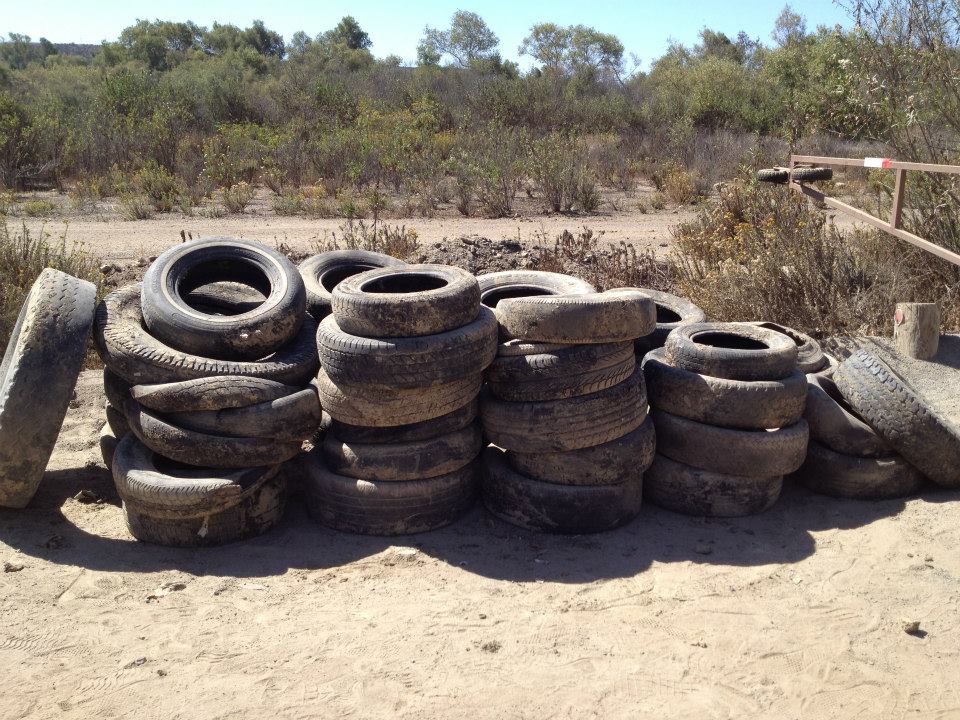
Better than Crossfit: exercise through ILACSD tire removal

3. Benefit your own community: Hey, you’re going to be here for a few years. Pitch in and do your part to protect San Diego’s beautiful beaches, bays and canyons—all of which are negatively impacted by pollution and litter.
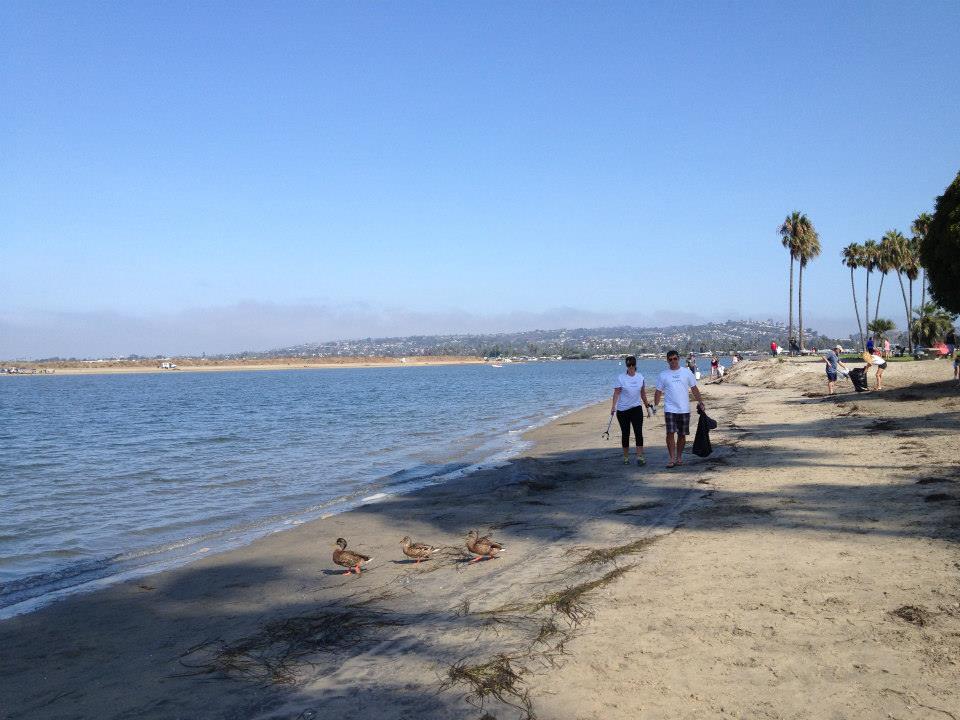
Cleanups protect our beautiful beaches, oceans, and we bet these ducks appreciate them, too!
Cleanups protect our beautiful beaches and oceans, and we bet these ducks appreciate them, too!

2. Philanthropy: Most Greek organizations have a philanthropic component. That means you’re probably looking for community service opportunities. Well, we have plenty of ‘em! We host cleanups every month, and we have two ongoing volunteer programs that you can participate in year-round so you can get your fill of service.

1. Mingling: Ok, so you’re in a fraternity or sorority. You love meeting new people and building connections and relationships. Our cleanup events draw hundreds of volunteers; what better way to connect with other chapters and members than at a cleanup? Volunteer for a few hours, spend the rest of the day on the beach with some new friends. Not a bad way to spend a Saturday!
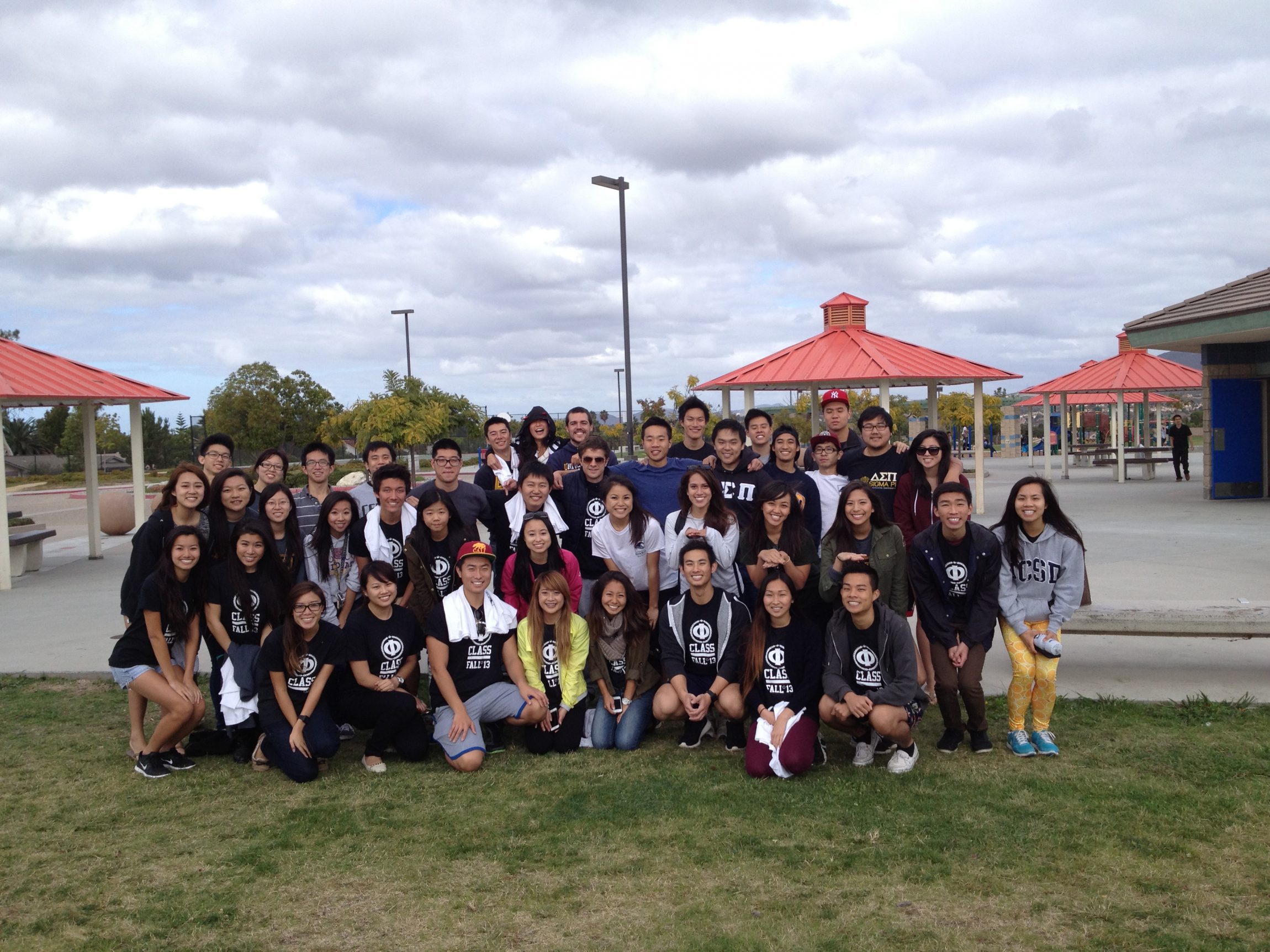
delta sigma phi
Delta Sigma Pi, a UCSD professional fraternity, out at a cleanup

You can see a list of our upcoming events at www.cleansd.org. Sign up for one today!

 

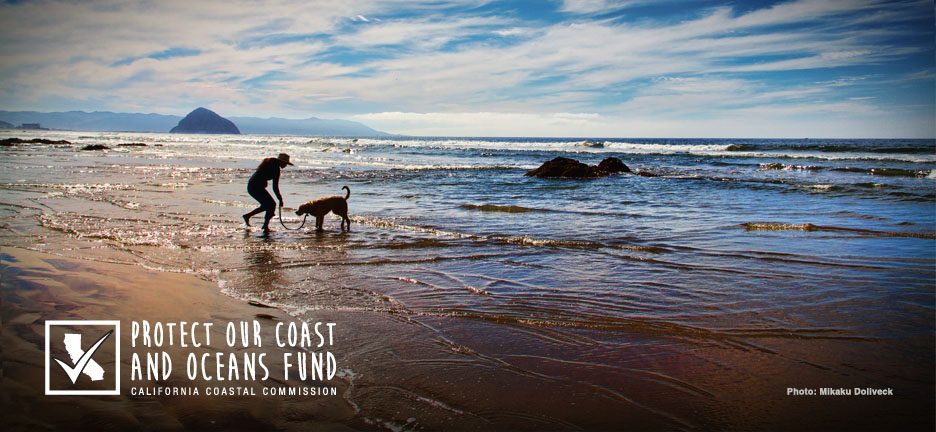
Protect Our Coast and Oceans Fund

Protecting the CA coast is now as easy as checking a box!

What if I told you that by simply checking a box, you could provide a meaningful donation to protecting the California Coast? That’s right, this year as you file your state income tax returns, you can show your love for California’s coast at the same time.  Just enter a donation of any amount next to the Protect Our Coast and Oceans Fund – listed in the “Voluntary Contributions” section on the last page of your California tax return. Your contribution will go back into our communities, providing grants to clean up shorelines, restore habitat, bring kids to the coast (some for the first time), and promote beach access.

Just check the box!!

The donation goes to to the California Coastal Commission’s Whale Tail Grant Program, which provides a ton of funding for some local San Diego programs, including a couple of I Love A Clean San Diego programs.  Since its creation, the Whale Tail Grant Program has brought almost a million dollars, $902,231 to be exact, to San Diego County coastal and marine education programs!

Protect our coast and oceans for all of us, including our furry friends who love to enjoy some time at the beach.

Some of the programs that benefit from this funding are I Love A Clean San Diego’s “Adopt-A-Beach” Program, UC San Diego’s Birch Aquarium “School to Shoreline” Program, and the American Lung Association’s 1-800-NO SMOKE Campaign.  All of the programs that receive funding from the Whale Tail Grant program are dedicated in some way to either keeping our beaches and coastal areas clean and accessible, educating people about pollution prevention, or getting kids that maybe have never been to the beach educated about the environment and into the water.

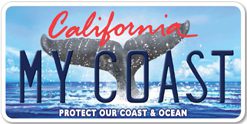
For more information about the Whale Tail Grant Program or how to donate, check out www.checkthecoast.org. You can double your impact by getting a Whale Tail license plate next time you are renewing your car registration. Those funds also go right back into the community to support marine conservation.

Funds from the Whale Tail license plate program support ILACSD's Adopt-A-Beach program!
Funds from the Whale Tail license plate program support ILACSD’s Adopt-A-Beach program!

Questions From Kids: Why are storm drains not filtered?

Today’s blog post comes from our amazing program assistant, Nicole!

Being a Program Assistant for I Love A Clean San Diego is truly a wonderful experience. I’m filled with enormous gratitude to have the opportunity to visit schools throughout San Diego County and share information with students. Everywhere I visit, kids share curiosity for information about our environment and have a passion for the future of our planet and nature.

Our  High School Watershed Presentation raises environmental awareness in students by teaching the harms of storm water pollution in local watersheds. The presentation teaches that there are many types of pollution that are easily contained before they become a problem. Students are empowered to learn that they can be part of the solution by recycling oil, scooping poop, and utilizing hazardous waste collection services. However, to many students it seems only logical that something more must be done to resolve this problem.

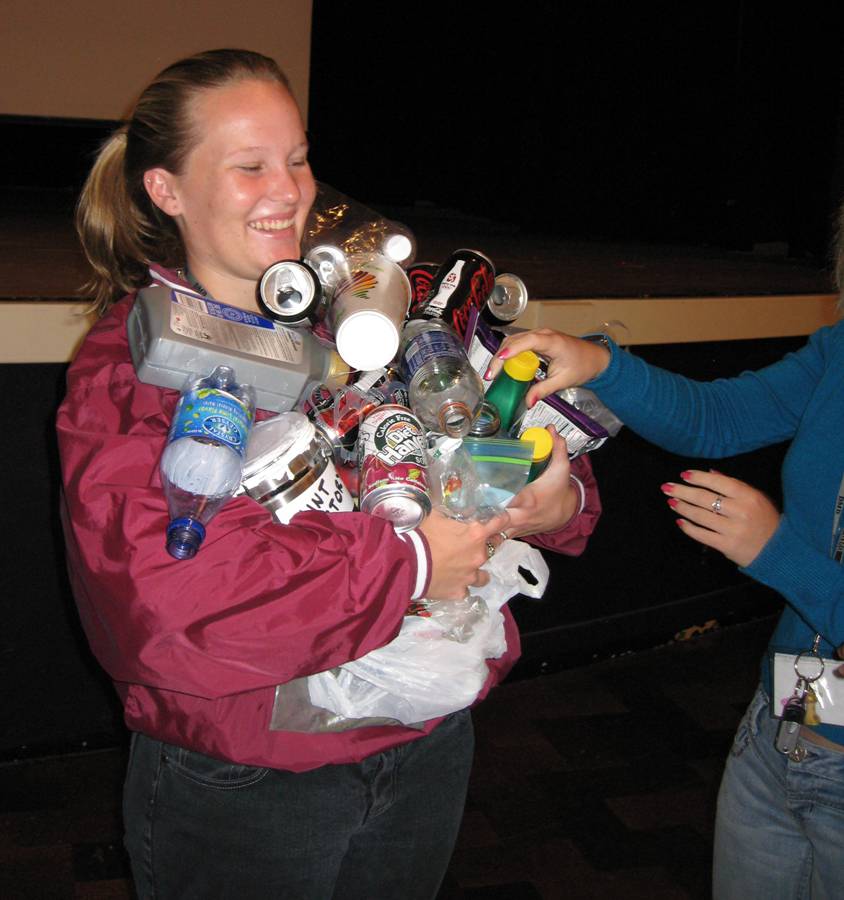
A High School Watershed Presentation student learning the hard way about litter!

One of the most common questions I have from the kids following the watershed presentation is, “Why are there no filters or screens on the storm drain inlets?”

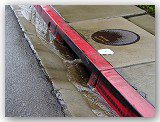
Before addressing the question from the kids it is important to explain what is a “Storm Drain?” When there are heavy rains, parking lots streets and flat areas in a town can flood and create hazardous conditions. Storm Drains are drainage systems which are specifically designed to handle an excess of water as a result of flooding or heavy rainfall. Thier sole purpose is to quickly and efficiently move excess storm water into rivers and streams and eventually to the ocean. It is important to note that everything that goes down the storm drain goes directly to the ocean. Currently there are no filters on storm drain inlets which poses a major pollution risk, because trash, sediment, organic debris, and spills in the streets are carried through the unfiltered storm drain system. For this reason, Storm Drains have signs above them which say “No dumping, drains to ocean” to remind people to protect their waterways by disposing of pollutants responsibly.Think-Blue-Stencil-9-2009reduced

So back to the question from the kids “Why are there no filters or screens on the storm drain inlets?” A drain inlet filter or screen sounds like a feasible and logical solution. However, during a rainstorm, trash, sediment, organic matter, and other debris can quickly be swept into drain inlets. Heavy accumulation of trash, sediment, and organic debris  can clog grates, thus preventing proper drainage and potentially creating a flooding. Currently, local universities and the state of California are in the process of evaluating new technologies in the form of filtration or screening devices to be installed to help manage and control storm drain pollution and enhance water quality control. They have conducted comparative studies to analyze how various filters hold up as being effective mechanisms for collecting unwanted pollution that goes down storm drain inlets. Most of the storm drain inlet filters currently being tested would require regular maintenance to ensure effectiveness. The solutions are in progress and it is going to require a collective effort to make sure they are carried out. There is no shortage of great ideas for how to address and solve this pollution problem. The City of San Diego is taking action to reduce storm water runoff by incorporating Low Impact Development techniques into constructed surfaces such as rooftops, streetscapes, parking lots, sidewalks, and medians. These design elements work with nature to filter polluted storm water. For example, parking lots and streetscapes can be constructed to funnel storm water into landscaped elements called bio-swales that capture and filter rainwater before reaching local waterways.

Rain flows into storm drains and then oceans, bringing with it any debris

Enrichment education programs offered by I Love A Clean San Diego are focused on spreading up-to-date information. Great questions from kids demonstrate that the message about how to protect and preserve our environment is being heard. It is inspiring to hear the passion they have and it gives me confidence that as a society we can and will take action for a healthy planet.


Loving More than A Clean SD at Cupid’s Cleanup!

 We can’t promise you’ll find love, but we do guarantee you’ll have a great time and show your passion for the environment at our annual Cupid’s Cleanup!  Join us on Saturday, February 15 for a neighborhood and canyon cleanup in North Park and South Park, and stick around for a fun Valentine’s Day-themed mixer hosted by Thorn St. Brewery.

Volunteers toasting their hard work at a past Cupid's Cleanup
Volunteers toasting their hard work at a past Cupid’s Cleanup

This Valentine’s-themed event isn’t just about picking up litter; it can also be about picking up your future spouse. Yup, this has happened.  Not too long ago, at a past Cupid’s Cleanup, Julie and Kenny Potter met and fell in love.  Now married, the Potters are pretty solid evidence that our cleanups work both for the environment and for your love life.  Check out a cool interview below with these lovebirds. [youtube=http://www.youtube.com/watch?v=n1WQcKG-g-M&feature=c4-overview&list=UUBOVQBmYOgCNDCZNkQ-RAyw]

And for those of you who have already found your other half, we welcome all volunteers- single, married, kids, and families!

Be sure to join us for the post-event party at North Park’s Thorn Street Brewery: volunteers are invited to stop by for some free beer tasters as a thank you for their hard work.

If you’d like to sign up for this event, contact Lexi Ambrogi at lambrogi@cleansd.org or (619)-704-2778. Hope to see you all there!

xoxo,

ILACSD
cupid

ILACSD- Winning First place for Keeping San Diego Beautiful!

The Keep America Beautiful Clean Community Systems was introduced in San Diego in 1977. The City Council and current Mayor Pete Wilson kabgave the green light for the organization to officially become an affiliate of Keep America Beautiful, and the name I Love A Clean San Diego was born. First as the program slogan, then eventually as our organization’s name! We are proud of our work with Keep America Beautiful (KAB).  This week, some of our staff are at the KAB conference to learn more.  Here’s how ILACSD has been keeping San Diego clean (and beautiful) and, we have to brag a bit, a few cool programs of ours that have been nationally recognized by KAB:

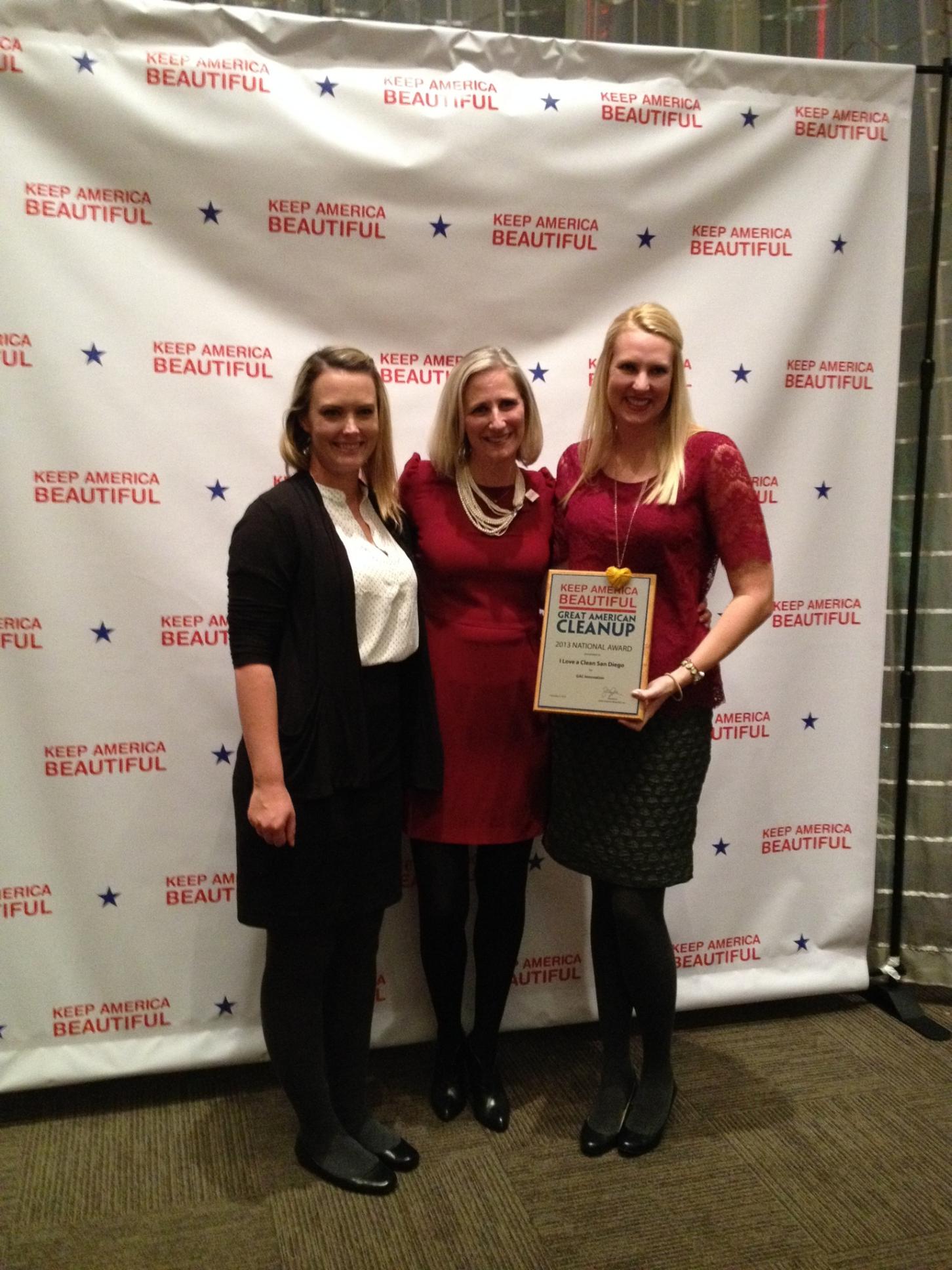
-For 2013, we won the KAB Innovation Award! To further educate San Diegans about the importance of waste reduction and pollution prevention,we launched a Bring Your Own Reusables campaign, encouraging volunteers to switch from disposable plastic bags and gloves, and single-use water bottles to a more sustainable alternative when volunteering.  Approximately 70% of volunteers (5,000+ out of over 7,000 participants) brought at least one reusable item to our largest volunteer event of the year, Coastal Cleanup Day.

Here we are accepting the award!

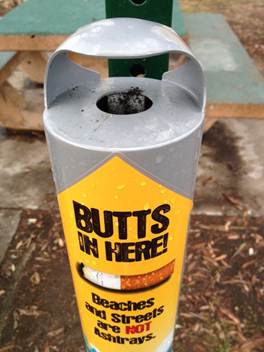
-Cigarette Litter Prevention Program: I Love A Clean San Diego receives grant funding each year from Keep America Beautiful to combat the large cigarette butt litter issue facing local beaches, neighborhoods, and outdoor areas. ILACSD partners with the Surfrider Foundation San Diego Chapter to install permanent ashcans throughout San Diego County, and has launched programs in beach area communities including La Jolla, Oceanside, and Point Loma, and recently expanded the program inland in 2012 to include North Park, Mission Hills, and La Mesa. The successful program has an average 55% decrease in cigarette butt litter, proving that smokers can make the right disposal choice when proper infrastructure is available.

Butts in here!
Butts in here!

Creek to Bay: This cleanup is part of what KAB calls the “Great American Cleanup”.  ILACSD’s signature event, the Creek to Bay Cleanup, represents one of the largest environmental events of the year. Since the inception of this event in 2003, 44,528 volunteers have participated in this effort – resulting in the removal of 1.65 million pounds of debris from San Diego County locations. The mission of the event is to engage the community in removing debris from San Diego’s beaches, canyons, waterways, and parks. The 12th Annual Creek to Bay Cleanup is coming soon on April 26, hope to see you there!

c2b14_patch

-Last year, ILACSD was awarded 1st place for our Cigarette Litter Prevention Program

We’re looking forward to many great years ahead working with KAB! Got ideas for other innovative ways we can encourage conservation and protection of resources? Let us know in the comments!

We’ve got tips to save cash and the environment this winter!

Today’s blog post comes from our expert hotline team. Questions about what you can recycle, reuse, or repair, and how? Contact them at 1-877-R-1-EARTH to get your answers, or visit WasteFreeSD.org and RepairSD.org anytime!

We hope you have had a chance to use our newest resource, RepairSD.org, which will allow you to search for locations to repair items that you may have originally thought to toss in the trash. Repair of your old items will keep valuable resources out of our landfills, and maybe even help save some of your hard earned money!

heater

Winter has arrived and there may be some things in your household that are now in need of repair and I Love A Clean San Diego is here to help.

With cooler morning and night time temperatures around San Diego County, you may want to turn on that old wall heater in your home to keep it comfortable.  If it’s no longer keeping your living space warm and toasty, use our repair database to locate a company that can get your wall heater all fixed up.  window

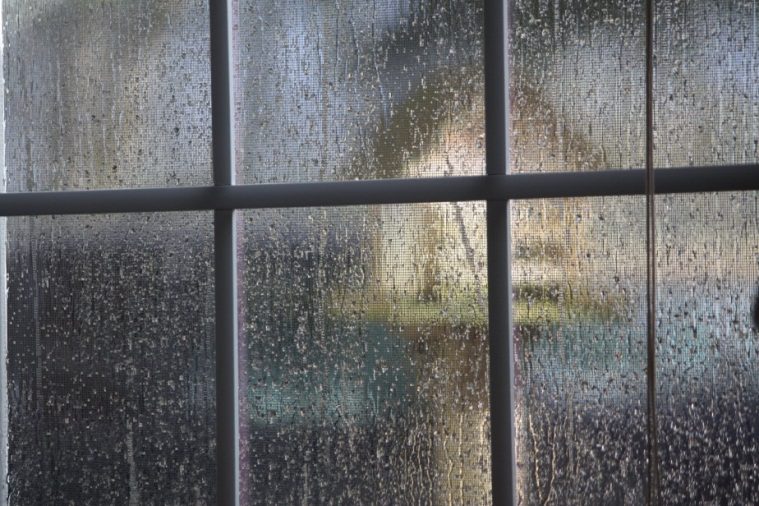
Much needed rain is (hopefully!) coming to San Diego early in the year, so make sure your windows and screens are in good shape.  Leaking windows can cause water damage to your home, which can cause an even bigger headache to deal with. Use RepairSD.org to locate a company that can fix any windows you have that are in need to repair. 

Are you ready for the Super Bowl? Unfortunately our San Diego Chargers won’t be there, but you still have to watch right? If your television is on the fritz, try to repair it before replacing it, use RepairSD.org to find a shop that can help you get your television back in working order.

TV

Ski and snowboard season is upon us, if your skis and snowboards aren’t in the same shape they were when you put them away last year, log on to RepairSD.org to find a location that get them ready to hit the slopes.

ski

Inaugural Zero Waste Symposium: Get your tix today!

Hello fellow San Diegans! Many of you know California is facing a major drought and we’re focusing on conserving, not wasting, water.  But there are other important ways to prevent waste. Want to know what you can do to waste less and help the environment? Come join I Love A Clean San Diego at the inaugural Zero Waste Symposium on February 4! So what is zero waste and why should we care about achieving it?  “Zero Waste focuses on reducing and redesigning wastes out of the system first, reusing discarded materials and products for their highest and best use in their original form and function for as long as possible, then recycling and composting the rest.  It offers economic sustainability, entrepreneurial and employment opportunities, an improved overall quality of life and a healthier, cleaner environment” (zerowastesandiego.org). We all play a part in this vital environmental goal as it greatly impacts us all.

landfill
Let’s move from this…
to this!
to this!

I Love A Clean San Diego will join the symposium with some of the top environmental leaders. Topics include basic Zero Waste principles like increasing what can be recycled and banning plastic bags and local stores and restaurants talking about the opportunities and challenges with composting on a day-to-day basis. The agenda will cover how we define “zero waste,”  where zero waste begins, working from the top down, challenges and opportunities, and how we are on the zero waste track for 2020.  Our very own Executive Director, Pauline Martinson, will be speaking about our new Repair Database: reducing and repurposing is a key component of zero waste. Haven’t heard about out new database? Check it out at www.repairsd.org. Before you throw out a broken item, check with our repair database to see if you could reuse it in any way!

zero waste system
Here’s a handy guide to how zero waste works

If you’re looking to have a better grasp on Zero Waste or just want to hear about opportunities for you to get involved this event is perfect  for you.  Can’t make the Symposium? You can network with these top environmental leaders after at the mixer at the Elbow Room starting around 4:45pm. For more information please visit: www.zerowastesandiego.org. We hope to see you there!

The Totals are In! 2013 By The Numbers…

Today’s post comes from I Love A Clean San Diego’s Director of Development & Marketing, Morgan Justice-Black, who thinks that annual program totals are pretty much the cats pajamas!HPIM1703_cropped

As someone who spends most of my days fundraising, there is no more exciting time of the year than the end of the year. Seeing those last few donations come in before the new year rolls around and crossing my fingers that we meet our projected revenue goals has become an annual tradition for me. But I also love the end of the year for another reason…the opportunity to compile our program totals for the year!

My coworkers run their programs pretty much up until the last week of the year. This year, we had two cleanups in December, as well as education presentations in schools through December 19th! Shout out to Mission Estancia Elementary in Carlsbad for being our last presentations of 2013! Naturally, the holiday “break” was spent doing some serious math, adding up the total number of volunteers we mobilized, the number of education sessions that we hosted, and much more.

Well, I’m happy to report that the results are in! And once again, I’m in awe of how much an organization of just 12 staff can get done!

COMMUNITY EVENTS:

30,510 volunteers

440,953 pounds of debris collected

79,689 cigarette butts

5,334 straws

and a whole lot more!

EDUCATION:

28,220 youth educated

600 environmental education presentations

RECYCLING:

15,555 requests for recycling information

1 brand new repair database, www.RepairSD.org

All in all, 2013 was a great year for I Love A Clean San Diego. But I’m confident that 2014 will be even better. Why? Because we are turning 60! Not me personally of course, but I Love A Clean San Diego! Since 1954, we’ve been working to prevent pollution in San Diego County, giving us a BIG reason to celebrate! So stay tuned for how we are going to make 2014 a year to remember. Oh, and if you didn’t get your donation in before the end of the year, our mailbox is always open 😉

Community-Events-Display-Board-less_text

Kids Ask the Darndest Environmental Questions: Why not burn it?

Today’s blog is part one in a series “Kids Ask the Darndest Environmental Questions!”  from our environmental educator extraordinaire, Erika Bjorkquist.Erika-team

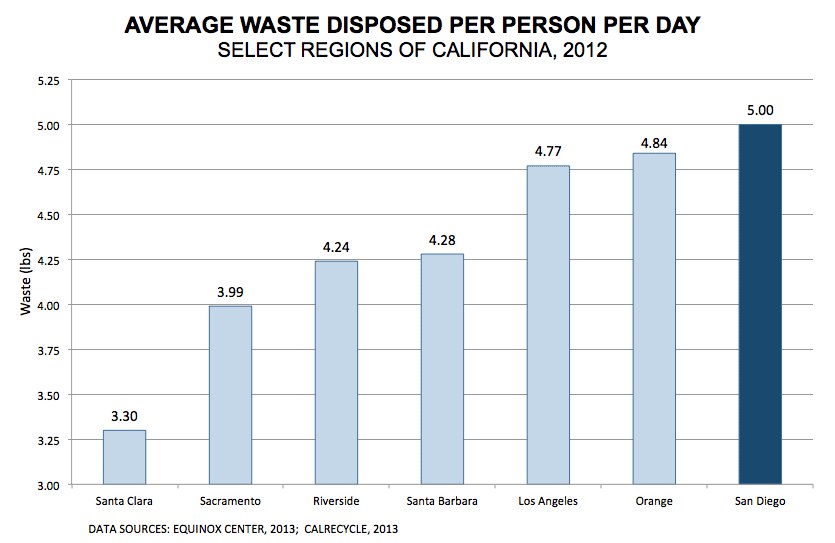
During ILACSD’s “Put Waste in its Place” presentation, students learn about waste in San Diego. They are shocked to discover that Southern California leads the country in volume of trash disposed, and are excited to become part of the solution. Many students share ideas of reducing, recycling, and reusing, as solutions, to our trash problem, however, many don’t understand why people should practice these Rs. We challenge students to find ways to deal with our trash problem. One suggestion I frequently receive is, “Why don’t we just burn it?”

San Diegans dispose of 5lbs of waste per person per day!

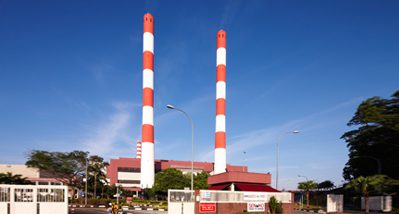
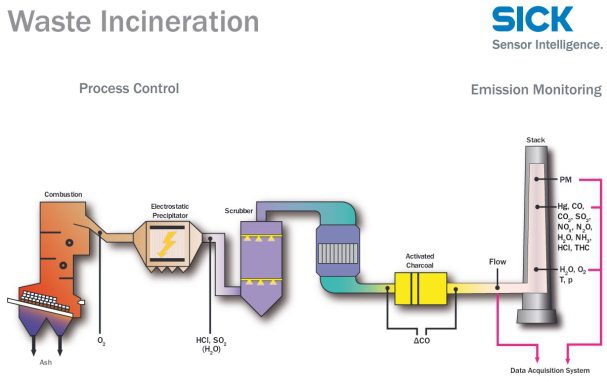
So why don’t we burn it? In the past few years, the debate of incineration v. burial has reached a high, sparked by the success of cities like Oslo, which actually imports trash to convert into fuel for things like heating. In San Diego, and most of the west, one of the main reasons why we don’t burn is economics – it is cheaper to bury than burn. This also why we are trailing other California cities in waste diversion programs like curbside compost; the cost of burying is much lower than building new infrastructure. There are, however, arguments against the economic viability, pointing to transportation costs of waste haulers. In addition, incineration provides less energy than what can be saved through recycling. Incineration plants also have a negative reputation when it comes to air quality. While regulations are in place to prevent pollution, people still do not want it in their backyard.

Waste incinerator
Waste incinerator

All in all, while there are plenty of ideas on how to dispose of our waste, the key is prevention. It is important to minimize the amount of trash individuals produce. By rethinking purchases, like choosing products with limited packaging, refusing unnecessary items like plastic bags for a candy bar, and being ready by having carrying reusable mugs and water bottles, you will make an impact in your neighborhood, city, and state.

waste incineration2
Waste incineration emissions

Learn more about how to reduce waste through recycling, reuse, and repair at www.WasteFreeSD.org!

Make a resolution to recycle more in 2014!

It’s that time of year again, what will be your resolution for this New Year? Might we make a suggestion? Resolve to recycle more! Your friends at I Love A Clean San Diego are here to help you keep your resolution with a refresher on what can be recycled in your blue recycling bin here in San Diego.

Can recycle: milk cartons, juice boxes, and broth boxes

Cartons are now recyclable through every waste hauler in San Diego County. That means you can put milk cartons, juice boxes, broth boxes, and any other aseptic type of container in your blue bin.

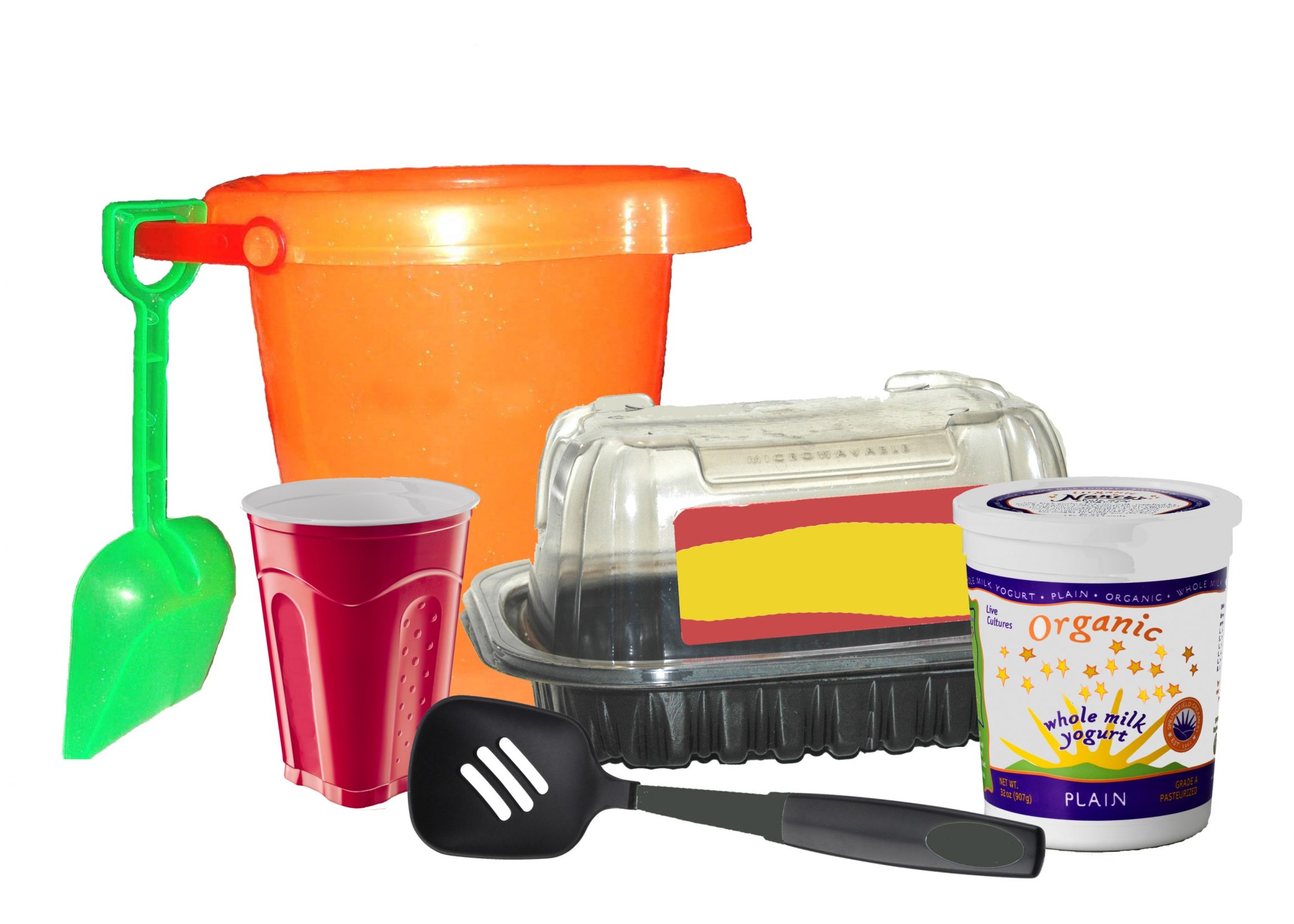
Any type of hard plastic container, regardless of the number on the bottom, can be put in your recycling bin. Here’s a good rule of thumb: if it’s a plastic that you cannot easily crush with your hand and it fits in your bin, throw it in for recycling. Containers should be empty of most food scraps, but don’t need to be perfectly clean.

Any type of hard plastic container, regardless of the  number on the bottom, can be put in your recycling bin
Any type of hard plastic container, regardless of the
number on the bottom, can be put in your recycling bin

Another item that might you might not be dropping into your blue bin is empty aerosol cans. Empty hair spray, empty aerosol cleaning supplies and empty spray paint containers can all be recycled. (If you have aerosol containers that aren’t completely empty, those should be treated as household hazardous waste.  Log on to our recycling database, www.WasteFreeSD.org to find a location for disposal).

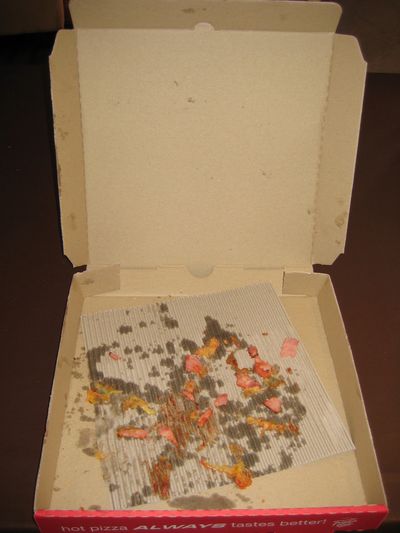
pizza box
Recycle the clean cardboard lids on pizza boxes

Pizza boxes are one of the greatest mysteries in recycling and we have the answer for you! To recycle pizza boxes, all you need to do is rip off any part of the box that is greasy or covered with food and throw it in the trash. The rest of the clean cardboard can go in the recycling. (If we were to recycle the pizza box in the image to the left, we would rip  off the bottom section and throw it in the trash. Then put the top part in the recycling).

Not be to forgotten are the old standbys for recycling. Paper, metal cans, clean aluminum foil, glass jars, soda bottles, and aluminum cans are some of the common items you have around the house that can go in the recycling. If you have paper, especially shredded paper, to recycle, throw it in a paper grocery bag and roll the top down on the bag to ensure it’s not contaminated by other items in the recycling bin. (If it’s contaminated, it won’t be recycled and it will have to be thrown away as regular trash).

Check out www.WasteFreeSD.org to learn where to recycle ewaste!

Did you get a snazzy new TV for the holidays? Don’t forget that your old TV should be recycled: electronic waste is known to contain heavy metals such as mercury and lead, which if placed in the landfill can harm people and the environment.   Keep an eye out in your neighborhood for signs advertising e-waste collection events. You can also log on to www.WasteFreeSD.org to search for an event or recycling center for electronics near you.