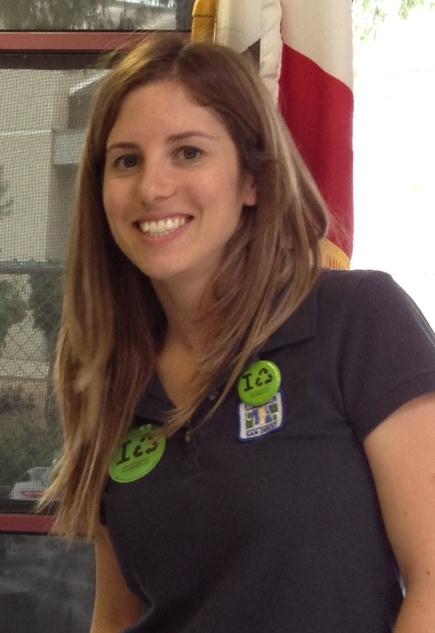
Our Hotline Assistant Barbara Lopez breaks down plastic bag recycling.
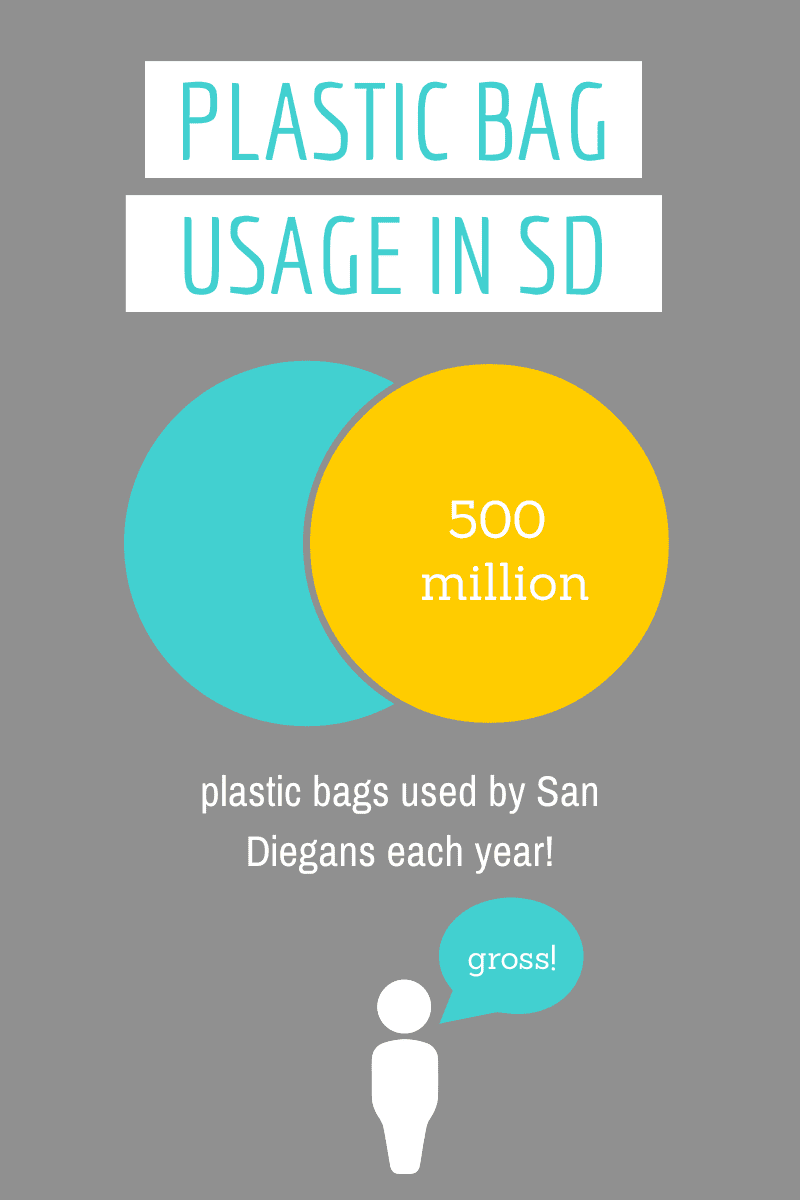
Did you know that San Diego uses 500 million plastic bags every year? And what’s even more shocking…less than 3% of plastic bags are recycled in California. While there are lots of discussions regarding plastic bag bans and ordinances, until we can cut down on our plastic bag usage, let’s talk more about recycling them!
Some background about bans:
There has been much debate recently, both locally and at the state level, regarding plastic bag bans. At the state level, State Senator Alex Padilla is looking to reintroduce legislation that would keep grocery stores and pharmacies from providing customers with single-use plastic bags by July 1, 2015. If this legislation passes, it would make California the first state in the country to ban plastic bags. Locally, San Diego City Council is also looking to vote on a citywide single use plastic bag ordinance later this year. Supporters of such bills argue too many plastic bags end up as litter or take up space in landfills since few of them are recycled. Of the 14 billion plastic bags that Californians use per year, very few of those are actually recycled. Instead, they end up in landfills or as litter on the side of roads and on beaches! But that isn’t to say that there is no market out there for plastic bags.
The skinny on recycling plastic bags:
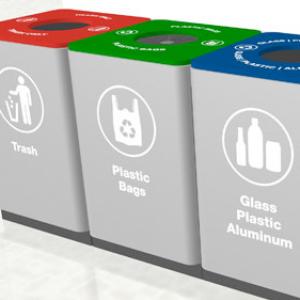
Many of you may already know that plastic bags do not belong in our curbside recycling. However, we are often asked why we can’t simply put plastic bags in our bins at home. The answer: recycling facilities are set up to separate rigid plastics from other recyclables- paper, aluminum cans, and glass. Current recycling machinery is just not set up to sort plastic bags and film; they would just get tangled in the equipment.
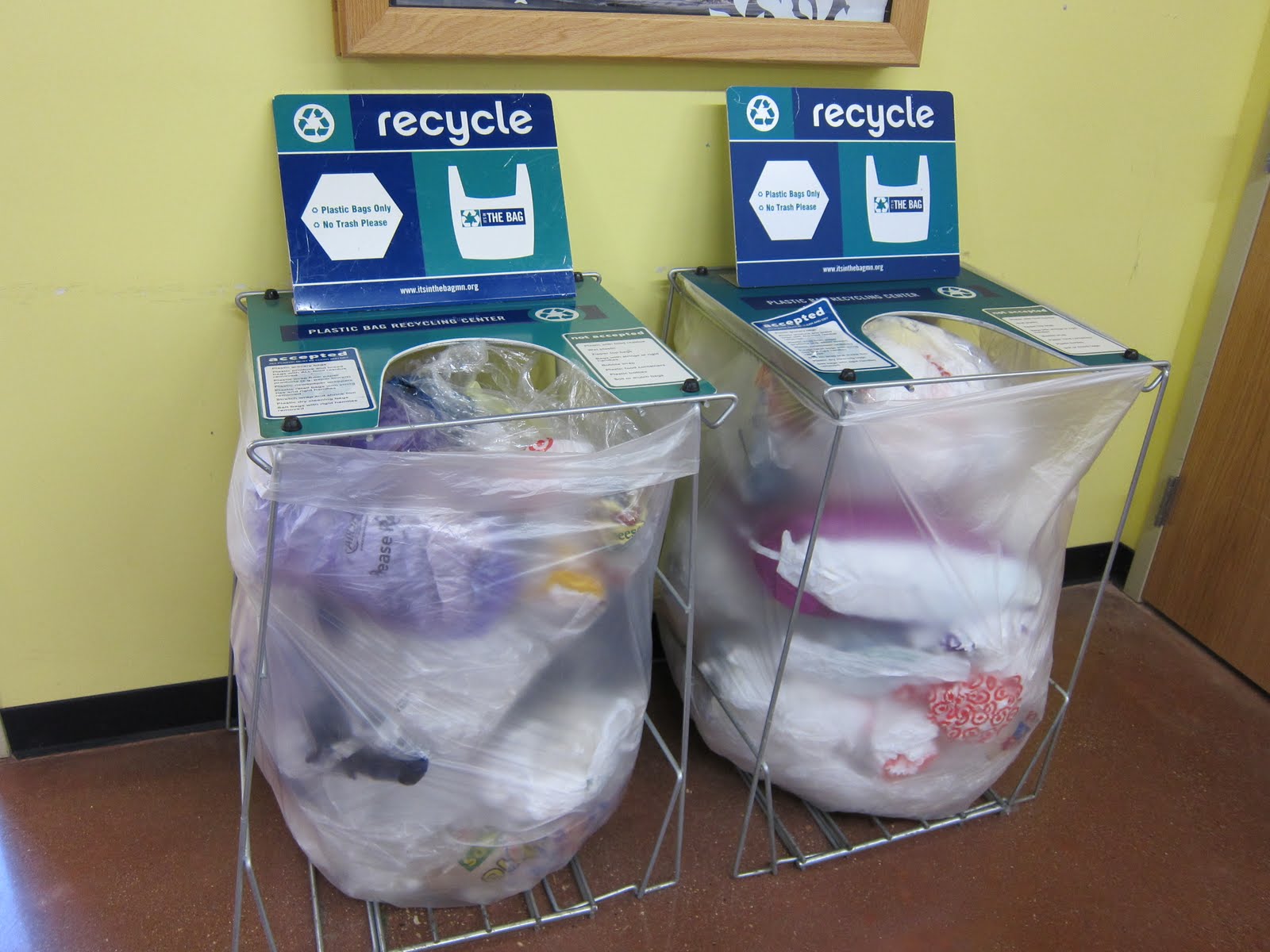
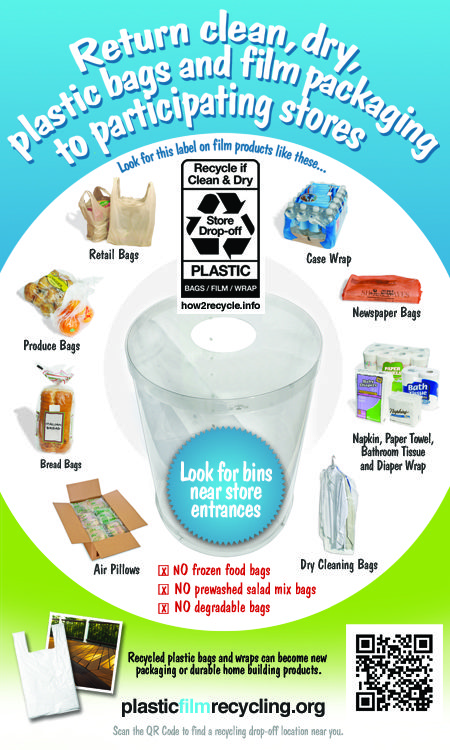
Although plastic bags cannot be placed in curbside recycling bins, they can be recycled. Many grocery stores collect plastic bags, usually placing bins near the front entrance of the store. In fact, many of these stores also take other types of plastic film, such as produce bags and plastic packaging film. Returned plastic bags are then sent to a recycling processor and are turned into different plastic products such as composite lumber, pallets, crates, and pipes.
If you need help finding a location to take your plastic bags, check out our handy recycling database, www.WasteFreeSD.org!
Today’s blog post comes from aerial art aficionado and environmental educator extraordinaire Erika Bjorkquist.
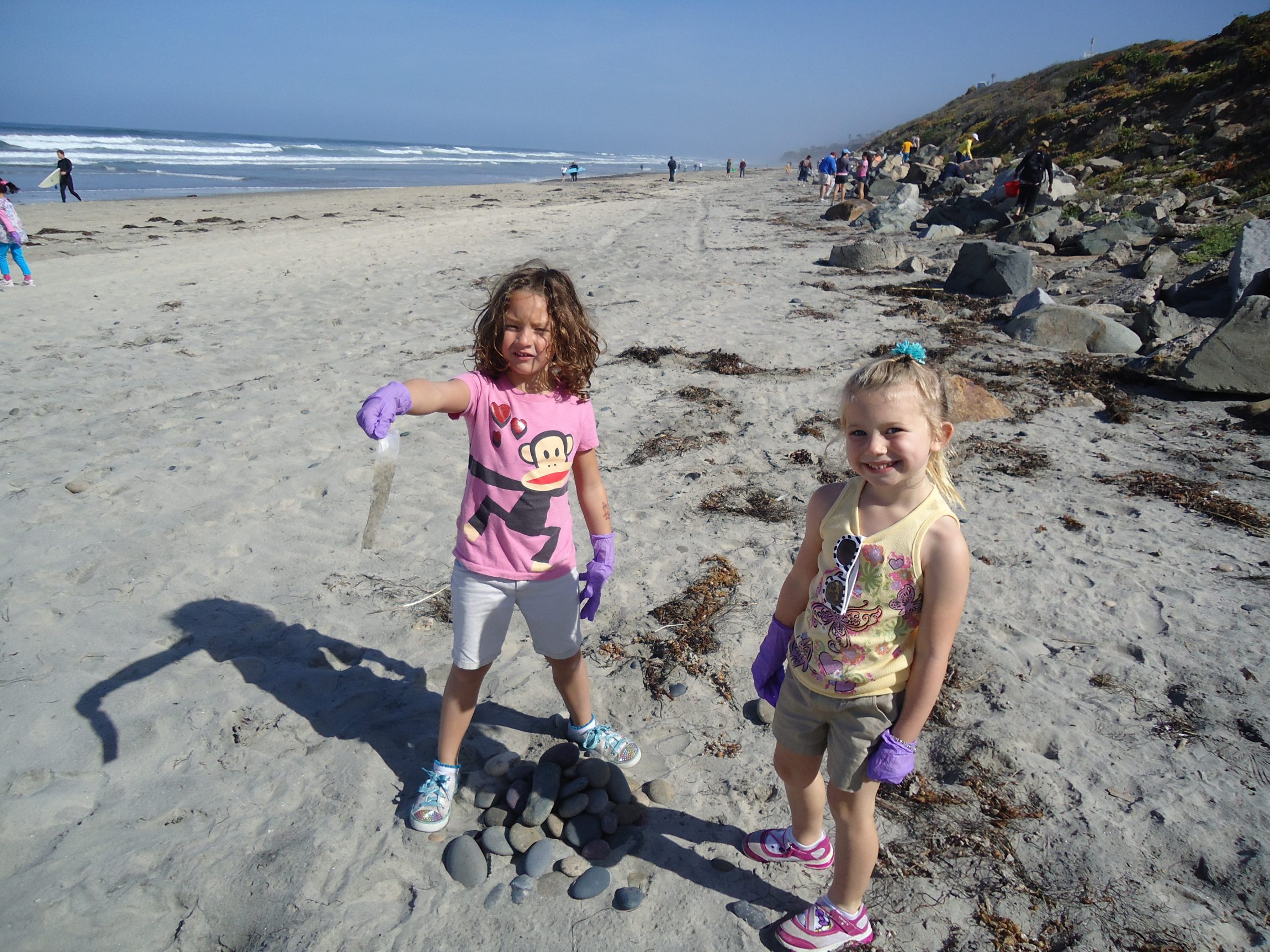
It’s that time of year again; we are rushing from school to school and getting gloves and bags ready for the annual Kids’ Ocean Day! This year, Kids’ Ocean Day will be celebrated in San Diego on June 5th at Crown Point Shores on Mission Bay. This event brings close to 1,000 elementary school students from low-income communities to the beach to participate in a beach cleanup and create a message about ocean conservation that can be seen from the sky (aka aerial art)!
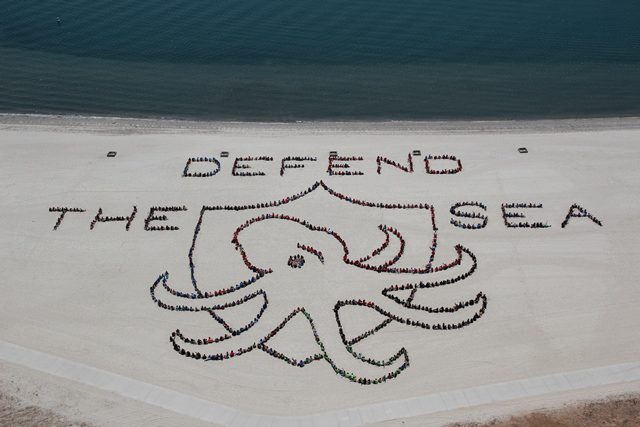
In the past, messages have included the words, “Listen” “Defend our Sea” “Coexist” and “Sustain Life”. This year, we put our spin on Ocean Literacy Principle #1 and our message will be “One CLEAN Ocean.” This is all part of a statewide program organized by the California Coastal Commission each year. Other cities participating include: Orange County, LA, San Francisco and Humboldt.
We will also be bringing back our first mascot, Pelican Pete, to represent a bird of the Pacific Flyway, and to help celebrate to our 60th anniversary.
Here is a sneak peek of what this year’s aerial art is shaping up to look like:
We may have taken a few creative liberties, but he still looks pretty similar to our pal Pelican Pete, who debuted in 1961.
Pelican Pete Says…
Still can’t wrap your head around what it looks like when 1,000 students form a piece of artwork the size of a football field with just their bodies? Here’s a shot from a previous Kids’ Ocean Day event.
While all of the schools and students have already been confirmed, we still need adult volunteers to help make this year’s event a success. Most volunteers don’t actual do the cleaning up, but instead supervise the youth as they clean up and help to arrange everyone in the aerial art formation. After the cleanup, volunteers and students will join together on the sand for the aerial art, which will be photographed from above in a helicopter!
We’re asking volunteers to meet us on site at 8AM, and the event will wrap up by 12. If you are interested in volunteering, please contact our Community Events Coordinator, Lexi Ambrogi at: lambrogi@cleansd.org and 619-704-2778.
Today’s blog post comes from our Community Events Coordinator, Lexi Ambrogi, who is one of only 2 people who fearlessly and tirelessly planned this year’s Creek to Bay Cleanup!
As the numbers and results trickle into our office, we’re growing more and more confident of one thing: our 12th Annual Creek to Bay Cleanup was a success!
Flash back to 5AM Saturday morning. Our staff members’ alarms were all set to right around this time, and I’m betting that they looked out their windows and thought what I did: that wind! That rain! How is it possibly this loud outside right now?
But fortunately for us, the weather actually improved throughout the morning, and by the time volunteers started reporting to our record 96 cleanup sites throughout San Diego County, it was almost pleasant outside.
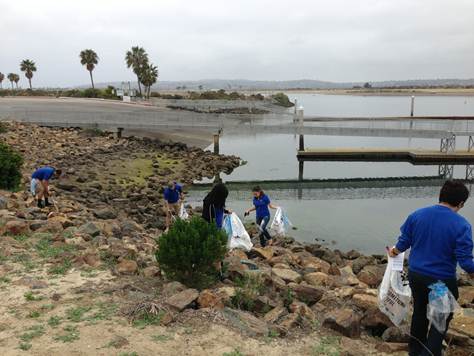
While the threat of rain may have kept a handful of volunteers in bed that morning, preliminary totals indicate that we had more than 5,000 people cleaning up their local creeks, beaches and bays as part of this event! And while the trash totals are still being compiled, we’re expecting that these volunteers removed roughly 150,000 pounds of litter and debris from their communities.
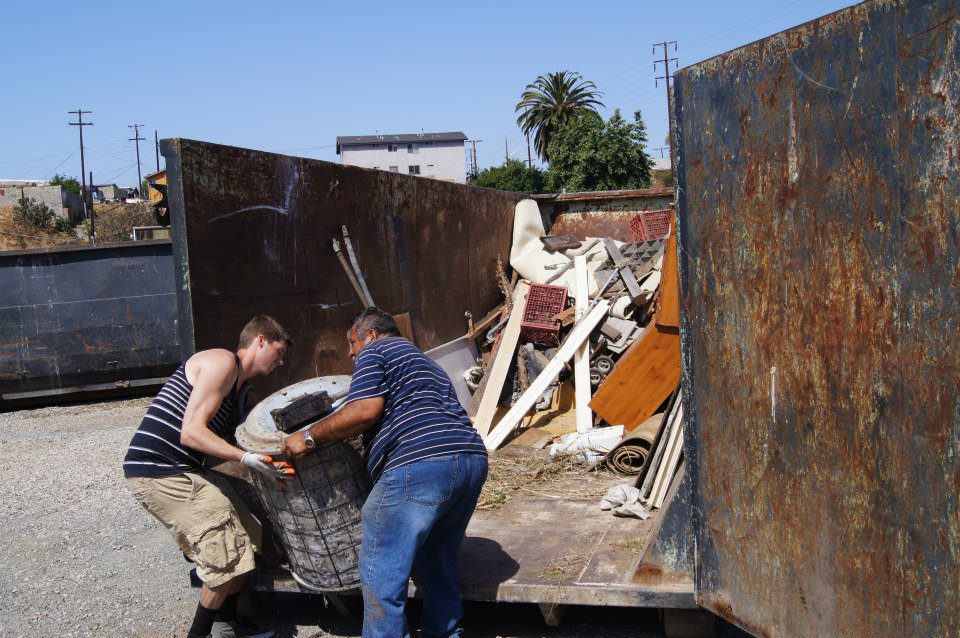
Two volunteers pulled this tractor tire out of Chollas Creek, though maybe with a little help…
Every year at this event—and Coastal Cleanup Day in September—we look forward to hearing about the interesting and bizarre things that our volunteers find tucked away in canyons, riverbeds and trails. Some of my favorites this year include a cast iron bathtub (Alpine), a teddy bear scientist (Golden Hill), a 6-foot stuffed bear (City Heights), and a 5-pound bag of raw chicken wings (City Heights).
Despite the smoking ban at San Diego County beaches, volunteers are reporting that cigarette butts were once again the most commonly found item at their cleanup sites. With the help of initiatives like our Cigarette Litter Prevention Program, we’re hoping that we’ll see fewer butts on the ground and more in the trash can where they belong. Thanks to all of our Creek to Bay Cleanup sponsors who help make this event possible each year!
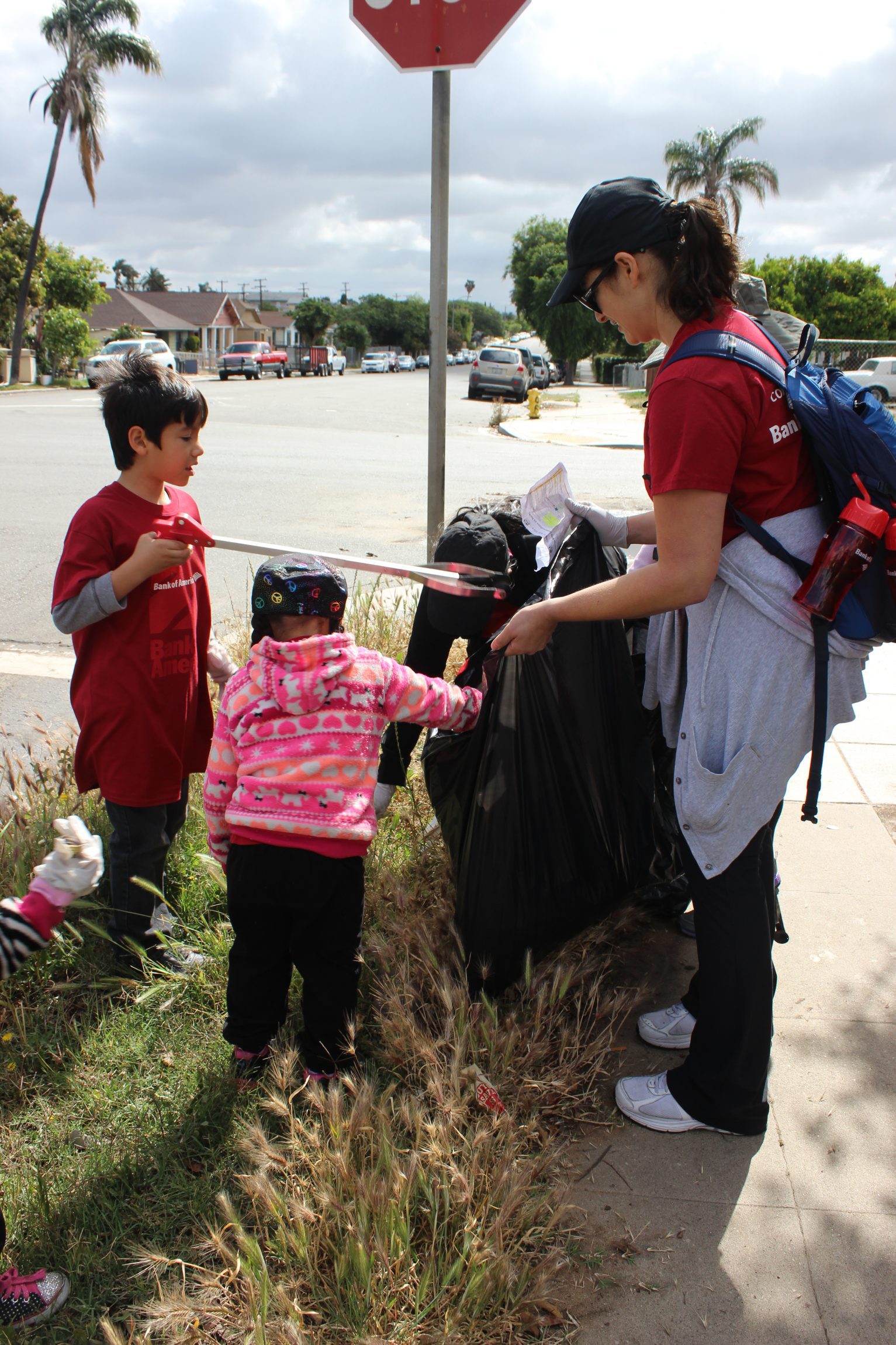
A family with the Bank of America volunteer team at Memorial Community Park works together to clean up Logan Heights.
Looking to join us at our next event? We have a bunch of cleanups coming up in May and June. Click here for more information on how to get involved!
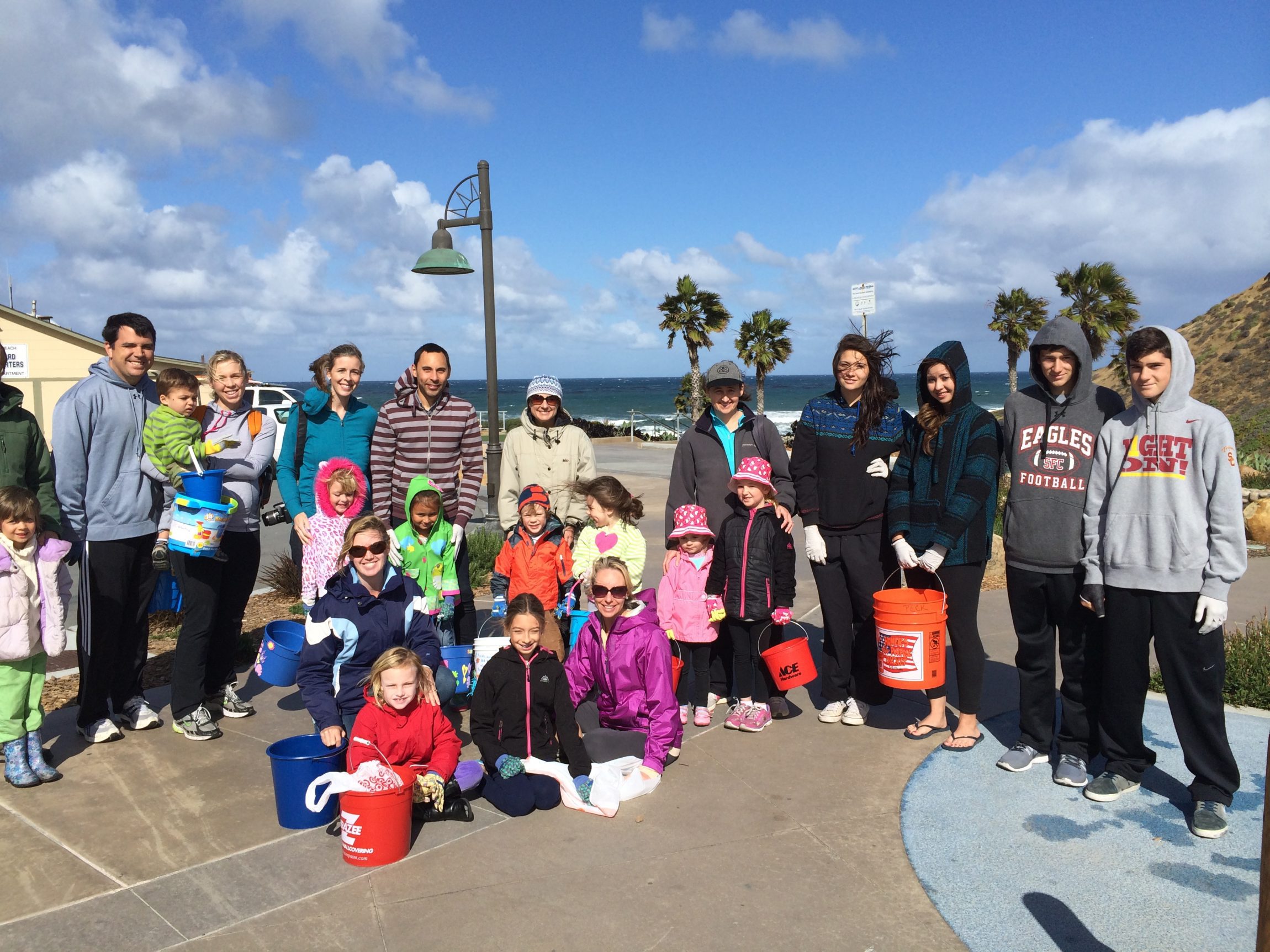
Volunteers at Fletcher Cove in Solana Beach relax after a morning of hard work. Way to go with those reusable buckets, guys!
In order to provide residents with a safe and convenient way to dispose of expired and unused medications, the Drug Enforcement Agency has once again scheduled a National Prescription Drug Take-Back Day. On Saturday April 26, the DEA will be partnering with local law enforcement agencies to collect unused or expired medications from the public. Residents can drop off their unused medications between 10am and 2pm at one of nearly 40 drop off sites in San Diego County. To find a drop off location near you, visit the National Take-Back Initiative website.
By properly disposing of unused medication, you are not just protecting your family but also protecting the local environment. Simply throwing old medication in the trash or flushing it down the toilet can have harmful effects on the environment; it pollutes our waters, impacts aquatic species, and contaminates our food and water supplies.
Dispose of drugs properly! Flushing them pollutes the water supply.
To address the impacts that unused medication can have when it enters our environment, among others, State Senator Hannah-Beth Jackson introduced Senate Bill 1014 in January. Senate Bill 1014 would create an industry financed and managed statewide system for collecting and properly disposing of unused medications. Currently, there are only 300 to 400 safe disposal sites for unused medications in California. The bill would authorize pharmacies to accept unused medications from the public, making it more convenient for people to dispose of prescription drugs. However, the bill was shelved earlier this month but will be re-introduced by Jackson next year.
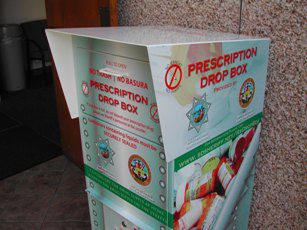
If you are unable to make it to one of the drop off locations on April 26, visit WasteFreeSD.org to find a location that collects unused medications year round. Secure collection boxes have been installed at several sheriff’s stations throughout San Diego County, giving residents a convenient way to properly dispose of old medication.
Dispose of drugs any day at Sheriff’s stations!
For more information about the proper disposal of medication or for other questions about recycling, visit WasteFreeSD.org today!
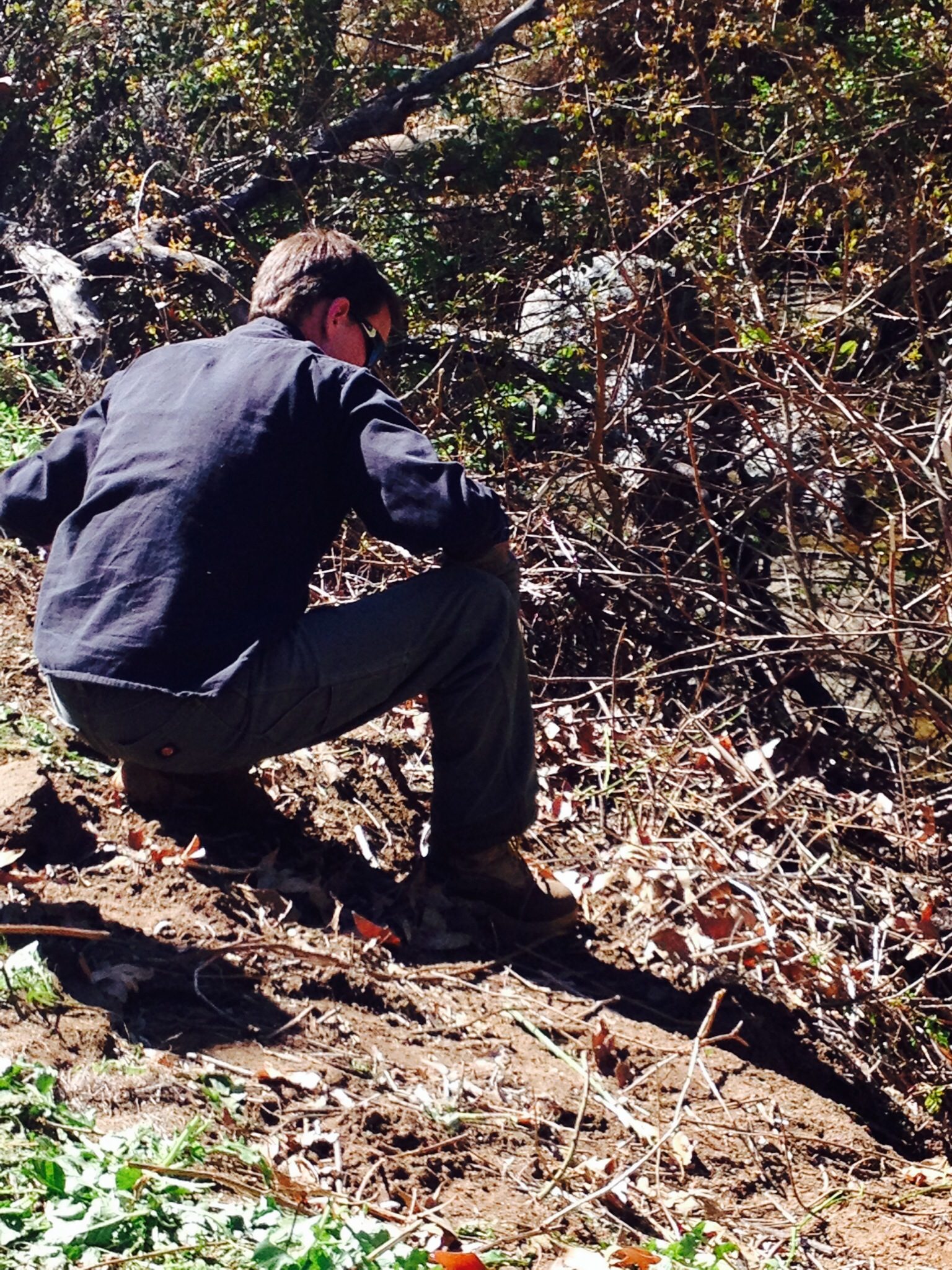
Today we have a guest blog post from Creek to Bay site captain, Jon Green! We interviewed Jon on the highlights of C2B, why he started captaining, and what the weirdest item was he found during a cleanup…
Here’s Jon out at a cleanup site
Creek to Bay is such a great event for Back Country Land Trust (BCLT) to participate in because it helps us achieve our goal of cleaning up Alpine’s creeks and streams that flow into the San Diego River. The one-day, County-wide effort also helps BCLT and our volunteers here in Alpine to feel connected to the larger community throughout San Diego. Without events like this, and the support of so many dedicated people, trash would just accumulate in our waterways, eventually finding it’s way to the ocean and coastline. These types of community clean-up events are an inspiring way to “make the world a better place” by doing your own little part to help clean up the mess that would otherwise just be endlessly accumulating around us.
In 2013, Jon and his team cleaned up 5,000 pounds of trash from Alpine Creek
I was invited to participate in Creek to Bay in 2013 by ILACSD, and jumped at the opportunity to work in partnership with such a great non-profit partner in BCLT’s efforts to clean up and restore Alpine’s creeks and streams. For over two years, BCLT has been cleaning up Alpine’s waterways that lead to the San Diego River through our watershed stewardship program. Partnering with ILACSD for this event was just a natural fit for us to continue to engage the San Diego community in being good stewards of their watershed, and to enhance our impact in clearing trash and debris from our rivers. I’m proud to be a leader in this effort as a Creek to Bay Site Captain. It’s how I do my part to create positive change in the world.
Through our watershed stewardship program, BCLT is working with over 40 private landowners throughout Alpine to clear trash and restore habitat along Alpine’s waterways that flow into the San Diego River. Volunteers who come out to participate in BCLT watershed events, like Creek to Bay, get the chance to see some beautiful creek-side riparian areas that would otherwise be completely unavailable to the public because these are mainly private residences. The site we’ll be working on in 2014 for example is a 9-acre private property that stretches along Alpine Creek (at the intersection of Alpine Boulevard and Tavern Road). Oak and sycamore provide a shady canopy for a park-like setting beneath the trees, where Alpine Creek flows through rocky stream-banks and open clearings, colored with wild grape leaves and California holly-berry, or Toyon. Since this land is private property, this event will provide a unique opportunity for volunteers to see some of this amazing riparian habitat for themselves since BCLT is working in partnership with the landowner.
It’s inspiring to see so many people working together to keep San Diego’s waterways clean and beautiful. Events like these build a sense of place in our small foothill community that keeps us tied to a “bigger picture” within San Diego. We may live “up the hill” here in Alpine, but everyone lives downstream from someone, and we are all truly connected by our waterways. This event is our annual “reminder” to the community that we all live in the same watershed.
Unfortunately, we find a lot of household waste dumped off the side of the road, probably because people would rather dump it illegally than pay fees for disposal at a waste facility (ed. note: learn how you can dispose of hazardous waste at WasteFreeSD.org). Some of the more unusual items we’ve found throughout our watershed clean-up efforts include: a stolen ATM machine; a safe with no door (and sadly, no money); gallons of used motor oil thrown off of the road shoulder; a bathtub; and weirdly, a bag full of goat skulls. Unfortunately, we haven’t found anything really charismatic, mostly just disgusting trash that should not be anywhere near the creek.
Great job, team!!! Hope to see you all in 2014
In 2013, we pulled nearly 5,000 pounds of trash from Alpine Creek during the Creek to Bay event. Alpine Creek is the single largest pollution source flowing into El Capitan Reservoir, which is the City of San Diego’s main surface water catchment for drinking water, municipal use, etc. Any trash that we can remove from the creeks in Alpine, saves the taxpayers and agencies time and money from having to remove it and clean up the pollution later before that water reaches the tap in your kitchen sink. If Creek to Bay volunteers want to work in a more natural, rural setting AND make a difference in the headwaters of the San Diego River, then this is their chance to help us clean up the creeks here in Alpine.
We also have some AMAZING places to explore after the event while volunteers are here in town, like BCLT’s own Wright’s Field Nature Preserve (open to the public for hiking, mountain biking, and horseback riding), and of course the Alpine Beer Company for lunch / dinner afterward! Anyone willing to make the 30-minute drive to Alpine surely won’t be disappointed with the unparalleled natural scenery and local craft beer we have up here in the foothills. Come on out to join us in cleaning up Alpine’s watershed during Creek to Bay, or any of our other BCLT events.
Thanks for all your help, Jon! You can join Jon in Alpine or any of our other 90+ inland and coastal cleanup sites. Learn more and register today!
Today’s blog post comes from our fantastic Community Events intern, Rebecca!
We are happy to announce that the Best Buy in Mission Valley has joined the Adopt-A-Beach program at Mission Bay South Shores! California’s Adopt-A-Beach program gives people of all ages the opportunity to learn about and actively participate in conserving coastal resources. The Adopt-A-Beach program is I Love A Clean San Diego’s most popular volunteer program. A statewide program funded by the California Coastal Commission, ILACSD coordinates over 10,000 volunteers annually through the Adopt-A-Beach program.
Best Buy volunteers love getting out and cleaning up Mission Bay. Says sales associate Ivan Gonzalez, “I had a great time at our first beach cleanup event. It was a great feeling helping to make San Diego a beautiful place for everyone including our marine wildlife. I can’t wait for the next event!”
Best Buy employees out at an Adopt-A-Beach cleanup
Joining the Adopt-A-Beach Program is another step forward in spreading the word about having a sustainable future. Best Buy is also committed to helping you recycle those used electronics piling up in your garage. If your old electronics have no trade-in value Best Buy can recycle them for free! Visit Bestbuy.com/recycling to find out more electronic items Best Buy can recycle for free. Their certified third party partners break down recycled products into commodities. These commodities then get a second life when they are reused to create a new product.
Thanks to Best Buy in Mission Valley for joining our Adopt-A-Beach Program. Are you interested in adopting your own beach or canyon? Sign up todayto adopt a site of your choice and conduct cleanups based on your schedule! ILACSD provides all the supplies at no charge, and offers free educational presentations and sign recognition pending availability.
Today’s post comes from I Love A Clean San Diego’s Director of Development & Marketing, Morgan Justice-Black, who will be attending her 8th Creek to Bay Cleanup on April 26, 2014!
I remember my first Creek to Bay Cleanup, it was April 28th, 2007. We hosted our kick off site at Belmont Park in Mission Beach, and it was freezing! But, we still managed to bring out more than 200 volunteers at that site, and just over 3,000 volunteers countywide.
Coldest Creek to Bay Cleanup in memory!
Fast forward to today and we are recruiting an impressive 6,000 volunteers each year, double that of just 7 years prior. A lot has changed about Creek to Bay over the year’s, but the constant has been the heart of San Diego residents who come out to lend a hand, despite rain or record high temperatures!
In just a few short weeks, I Love A Clean San Diego will be hosting its 12th Annual Creek to Bay Cleanup. Here’s a cheat sheet of what you’re in store for you if you volunteer on April 26th at Creek to Bay. A few things that we have planned for this year’s cleanup include:
1. Currently there are 95 cleanup sites available for volunteers to participate in. This is more than ever before! Cleanup sites stretch from Oceanside to Imperial Beach and all the way out to Alpine! We’ve also got a number of incredible site captains who are leading these cleanup sites. Learn more about some of them as we feature them in upcoming blog posts. See them all online at www.CreektoBay.org
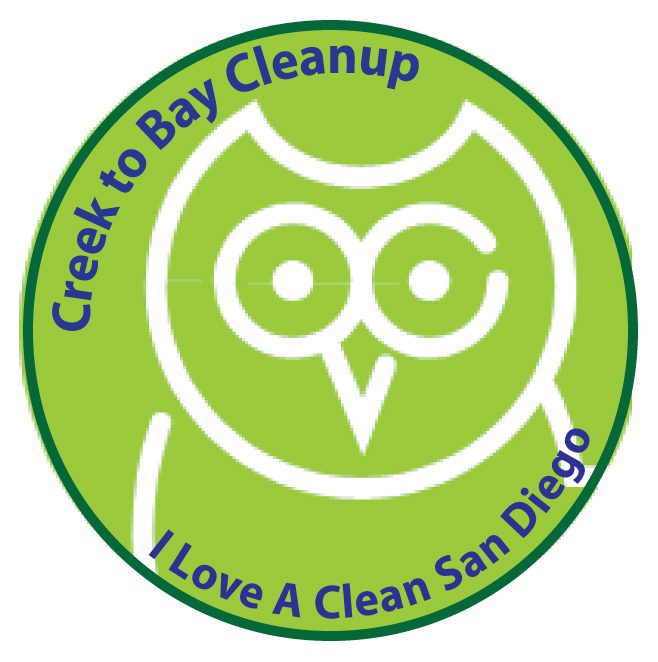
2. We are offering Scout patches for Boy Scout and Girl Scout troops who volunteer. Have you seen this year’s patch design? Here it is! Once the cleanup concludes, participants can go back onto our website, www.CreektoBay.org and request their patches.
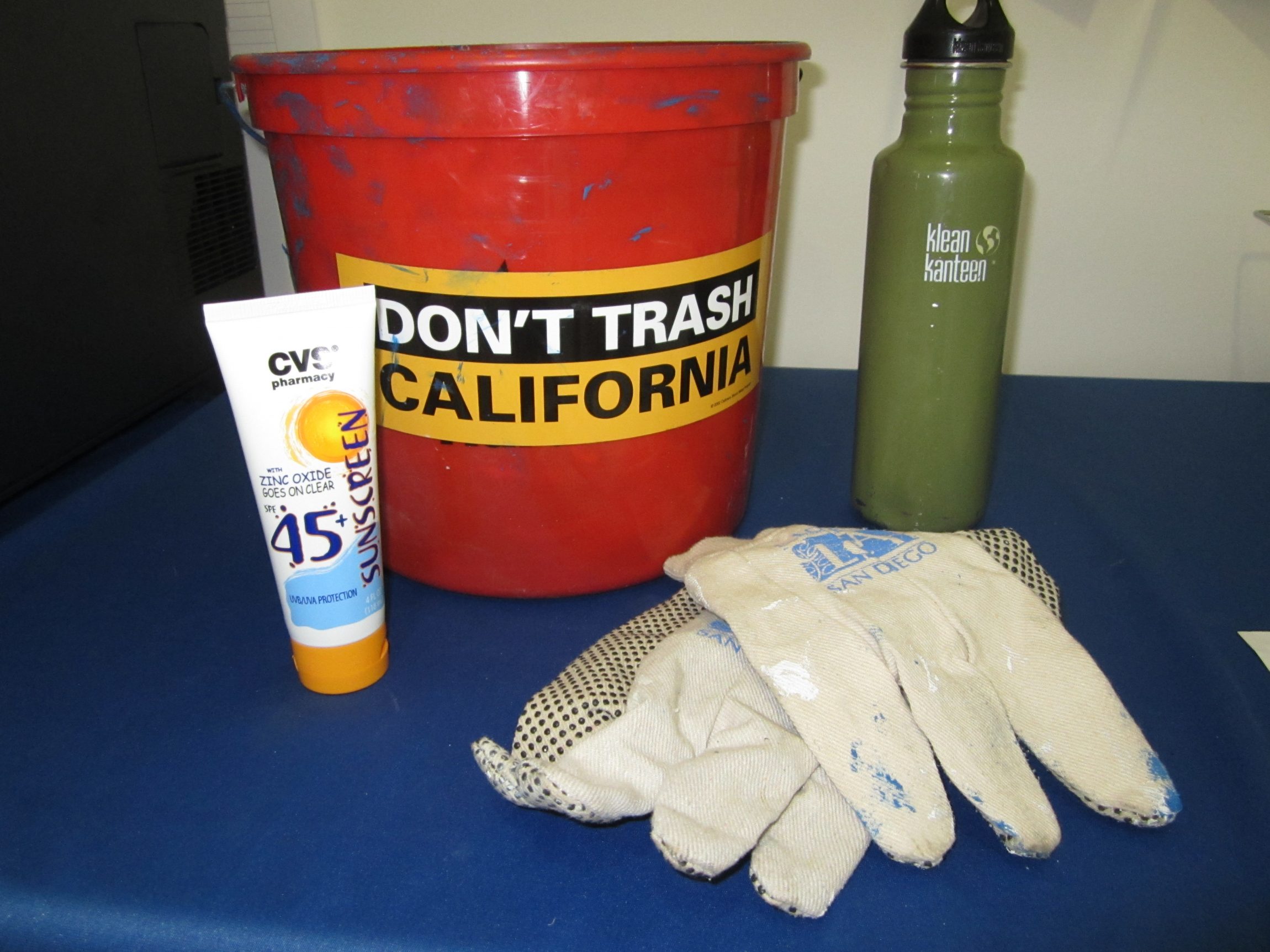
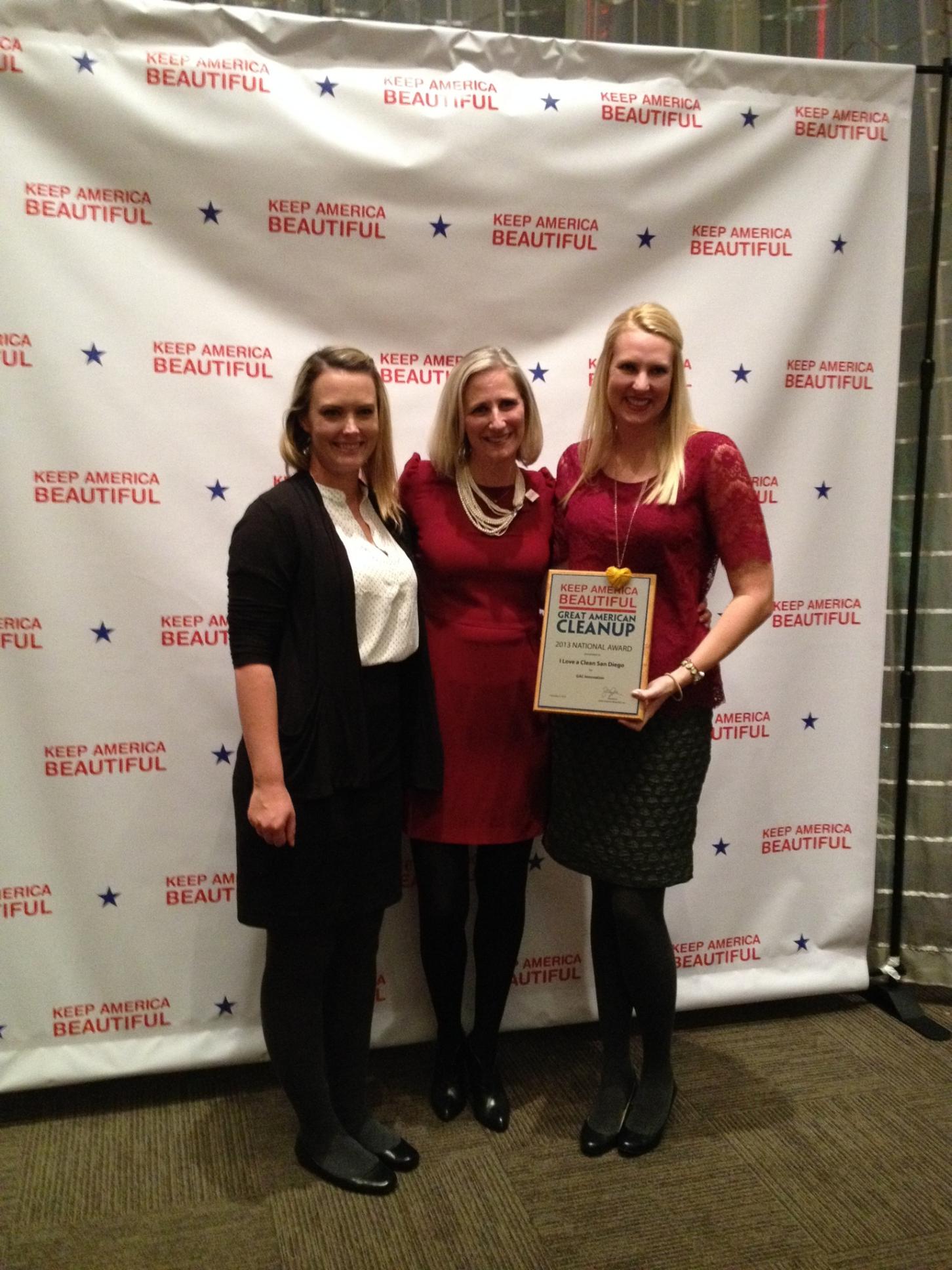
3. The Bring Your Own Reusables campaign is back in full force, meaning that we want all of our volunteers to bring a few things to help reduce our waste at the cleanup. Please remember to bring: a plastic bucket or other container to collect trash in, work gloves or gardening gloves, and a canteen for refilling with water at the event. You may have heard that our Bring Your Own Reusables campaign, which we fondly refer to as “BYO”, received national recognition by Keep America Beautiful this winter. In case you need a visual reminder, here is what to bring:
Bring Your Own bucket, work gloves and reusable water bottle to Creek to Bay!Here we are, accepting the Innovation Award from Keep America Beautiful!
4. Our generous friends at Sony Electronics are once again sponsoring our Creek to Bay Photo Contest! This year’s theme…Be The Change! We are asking folks to snap a photo of themselves or their volunteer group changing our environment for the better at Creek to Bay. More information about the contest and submission guidelines are on our Creek to Bay contest page.
Here’s last year’s photo contest winner, Evan!
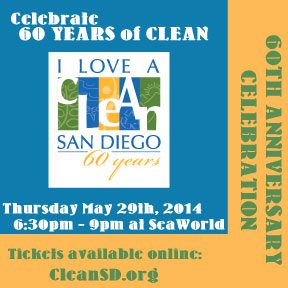
5. Just a month after our Creek to Bay Cleanup, volunteers will have the opportunity to get together and share stories about the weirdest items they found at our 60th Anniversary Celebration Event. Join us on May 29th from 6:30 – 9pm at SeaWorld for what is bound to be a great time! More information is on our website too!
Can’t wait to see all of you out there on April 26th for another fabulous Creek to Bay Cleanup. And here’s to hoping that this year’s weather is a little warmer than 2007, but not as warm as 2008!
Today’s blog post comes from our Environmental Educator Monica Rosquillas!
Here’s a question we get a lot: do plastic bags go in my blue recycle bin?
Unfortunately, the answer is NO. We thought it was important to address this because plastic bags are one of those items that many people misplace into the recycle bin. To learn WHY plastic bags aren’t recycled along with other plastic products, we contacted our friends at EDCO Waste and Recycling. This is what our friend Robert Hill at EDCO had to say, “EDCO doesn’t process bags because this material reaps havoc on our equipment. The bags clog our screens and we lose the ability to properly process all other items since the screens can’t separate items due to bags wrapping around them”. So basically, plastic bags aren’t taken in at the recycling facility because they clog up the equipment.
Here are some scary stats about how many bags we use, and how detrimental they are to the environment:
-Total number of plastic bags used worldwide annually: 1 trillion
-Number of plastic bags used worldwide per minute: 1 million
-Number of plastic bags the US uses per year: 1 billion
-Number of years it takes a plastic bag to degrade: 1,000 years
Keep these guys out of landfills!
However, plastic bags can still be recycled! To do this, simply place them in a special plastic bag recycling container. These containers are widely available outside of grocery and retail stores. Next time you go grocery shopping, remember to bring those plastic bags with you. From there, companies like TREX, recycle those bags into composite decks and deck furniture.
You can recycle your plastic bags at most major grocery stores
Of course we think recycling is great. But even better than recycling is reducing by reusing! Refuse the plastic bag and bring your own reusable bag instead.
The 12th annual Creek to Bay cleanup is coming up on April 26! We like to give our volunteers some background on the site captains who help lead the cleanup, as well as some facts about various sites at which they may volunteer. Today we profiled Wainwright Hester, a long-time C2B site captain and big advocate of cleaning up SD!
Hester captaining away at C2B
Wainwright Hester had been organizing cleanups at his work for years, often at Creek to Bay sites. One year a call went out for site captains and he thought he’d help out and give it a try. Seeing all of the trash that could have stayed in the area without all of the volunteers’ hard work made the whole experience well worth it. Wainwright thinks the C2B cleanup is really important for our local environment. So much debris collects in our waterways that, if not regularly cleaned out, it would cascade into a much bigger problem! If we can catch those containers with paint, oil, or whatever chemical is lurking inside of them, before they degrade enough to leak, we can keep a simple cleanup from turning into a major cleanup. Plus, the longer trash is in our waterways, the more it decays from one big piece into numerous smaller pieces and thus making it harder to completely remove.
This year, as he has in the past, Wainwright is captaining Torrey Pines State Park and, according to the California Coastal Commission, Torrey Pines is a prime site for Japanese tsunami debris to accumulate. Last year he didn’t find any obvious tsunami debris but volunteers could possibly find some this year. When asked what the weirdest object Wainwright found at a cleanup was, he replied, “I was at Ponto State Beach a few years ago and someone found animal intestines. Animal: at least that’s what we kept telling ourselves.” Hey, at least our cleanups are both beneficial AND keep you on your toes?
Volunteers of all ages, helping clean up Torrey Pines State Beach!
Wainwright’s favorite part of the Creek to Bay Cleanup is the volunteers. Since they are volunteering, they often have a volunteering attitude so they are willing to do whatever needs to be done to make his C2B site a success.
Any final words to encourage our wonderful ILACSD team to sign up and volunteer for C2B 2014, Wainwright? “I think that everyone should participate in at least one clean up in their lifetime because it would bring awareness to what actually happens when someone does not throw their trash into a trash can. It would be a real eye opener for people who think that litter is either not a problem or that nature alone can handle it.” We couldn’t put it better. Thanks for all your hard work, Wainwright, and we look forward to seeing you on the 26th!
Join Wainwright at Torrey Pines, or any of our other 90+ inland and coastal Creek to Bay cleanup locations: sign up today!
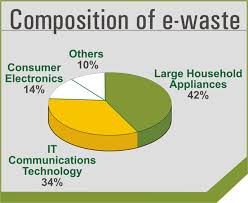
Ewaste is a growing problem. As we keep adding new electronics to our lives (and who doesn’t want to get a new cell phone every two years!), we are then swamped with an excess of the old ones. Ewaste is defined as, basically, anything you can plug in. This means cell phones, refrigerators, TVs, keyboards, your monogrammed waffle iron, you name it. It also includes the “secondary” waste that comes from these products, like copper wire. The EPA estimates that only about 28% of all ewaste gets recycled. So what happens to the other 72% of ewaste? Unfortunately, that amount winds up in local landfills where lead, mercury, and other toxins soak into the ground. The hazards of ewaste are pretty severe and can cause serious health and pollution risks. Some ewaste is banned from landfills. In California, law prohibits cathode ray tubes from televisions and computer monitors from entering the landfill. Regardless, you never want to dump your ewaste in the landfill (this means keep it out of your trash and recycling bins). Ok, so now that you know what ewaste is, what do you do with it?
What comprises ewaste
Here are a few tips for safe ewaste disposal:
1. Repair it! Maybe your laptop’s CD drive broke when your cat jumped on it. Instead of buying a whole new laptop, get the current one repaired! You may be asking where you can get such a thing done. Well, we built you a whole repair database, where you can search the item you need repaired and find a convenient location.
An option (maybe) for ewaste repurposingA cute art project made from an old keyboard
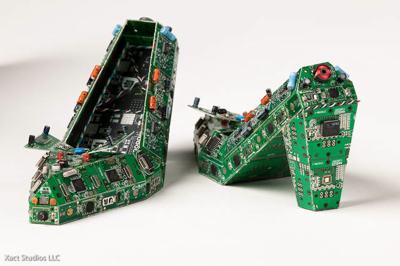
2. Re-purpose it! We can’t quite think of how to reuse that old laptop, but how about all the other ewaste you may have? Circuit board shoes not your idea of how to spend a Sunday? How about this cool way to reuse the keys in your keyboard- make a neat art project by spelling out the letters and putting them in a shadow box. Also check out our Pinterest page, where we find ways to re-purpose all sorts of items.
3. Recycle it! The ewaste you dispose of likely isn’t 100% recyclable, but many of the components are. Regardless, if you can’t figure out what else to do with your ewaste, your best bet is to take it to a collection event. Again, we have you covered- check out our events calendar for upcoming ewaste recycling events (usually there’s around one per weekend).
Have any questions about recycling? Contact us at 1-877-R-1-EARTH (1-877-713-2784)