Join us for an informational and interactive session focusing on zero waste business practices. On Wednesday, February 21, 2018, I Love A Clean San Diego will be partnering with the City of Chula Vista to host a Green Business Solutions Workshop at the Chula Vista Chamber of Commerce. We will identify the importance of a zero waste lifestyle, how to implement these practices in your business, and the environmental and economic benefits of going green. Whether you work in an office, a restaurant, or in retail, we will have valuable information for all business models. This will be a great opportunity for you to network and share ideas for creating a more eco-conscious workspace.
As many of us at ILACSD know, one of the biggest barriers to getting folks to recycle is a lack of education on what is recyclable and how easy it can be! What might seem like constant changes to the items that can or cannot go into a blue bin often leave residents feeling a little confused. So today, let’s take a moment to talk about the right way to recycle a common household item… aerosol cans!
Open one of the cabinets in your kitchen, bathroom, or garage and chances are you’ll find an aerosol can. Though hairspray might be the first thing to pop into your head when you think of aerosols (I can’t be the only one picturing big 80s hair and an Aqua Net can?), the list of products that come in aerosol form is quite extensive. Here are just a few examples of products that are contained within the cylinder walls of an aerosol can:
Kitchen
Bathroom
Garage
Cooking Oil
Shaving Cream
Gardening Chemicals
Whipped Cream
Hair Spray
Spray Paint
Cleaning Products
Dry Shampoo
Auto Maintenance Products
Air Freshener
Sunscreen
Insect Repellants
Deodorant
Shower/Toilet Cleaners
Aerosol containers are composed of steel and aluminum. Steel is very similar to aluminum when it comes to its sustainable recycling capabilities according to our friends at Ball Corporation. You can check out our post on can growlers where we reviewed the benefits of materials like steel and aluminum for packaging. Because of its composition, aerosol cans are begging to be recycled. So how do you recycle them?
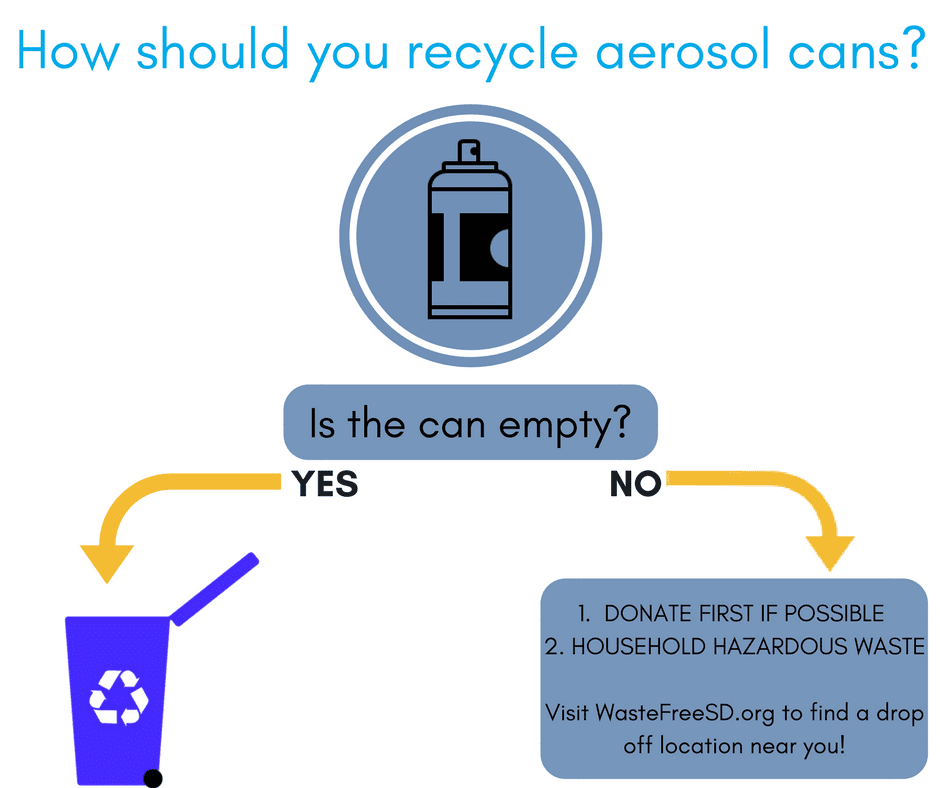
Well, when recycling an aerosol can, you first need to answer the question: “Is it completely empty?”
If you answered yes:
Awesome! Way to be aware of your needs, use up your products completely, and create less waste. Still, it is important that ensure that aerosol cans are completely empty. A quick way to be certain that the can is empty is to listen closely. Give the can a shake or spray (listen for any remaining fluid inside and verify that the product is no longer coming out of the nozzle). Once you know the can is empty, you can toss it in your blue bin for curbside recycling! No other steps are necessary. Make sure you never puncture aerosol can as it can be dangerous. There is no need to remove the nozzle before placing it in your recycling bin.
If you answered no:
Aerosol cans that still contain fluids are considered hazardous waste. You can still recycle these cans though! First, try offering the remaining contents to a friend or neighbor who might want it. Put the item on your local “Buy Nothing” page or see if it is able to be donated (unused spray paint can be donated Habitat for Humanity if it is in good enough condition). If you cannot donate or give the remaining product, you’ll want to treat it like any other household hazardous waste. Use the search bar on WasteFreeSD.org to find the closest location for recycling your hazardous waste.
So that’s it! Empty aerosol cans go directly in your blue bin to be recycled. Be sure to only buy as much of a product as you need and use it until it is depleted. Not only will that help you waste less, but it will make your recycling as easy as can be!
Today is the 10th annual America Recycles Day a nationally recognized day and an initiative by Keep America Beautiful that promotes ways to reduce, reuse, and recycle in our everyday lives. America Recycles Day is dedicated to the individual actions that people can take that create a collective difference for our environment! Having normal “blue bin” style recycling in the office is an awesome start, but let’s take a look at some other ways to boost your recycling program (if you don’t have a recycling program in place, check out our previous blog post that can help you get one started). Here are three easy ways you can enhance your workplace recycling in celebration of America Recycles Day.
Deal with the Graveyard of Dead Electronics: Recycle Electronics
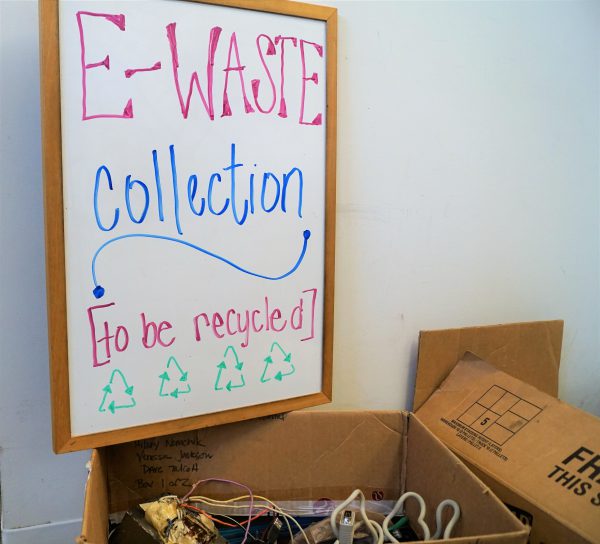
Electronics are all around us, especially in a workplace. So what happens to all of those electronics when they kick the bucket? Electronic waste, also known as e-waste, should be properly recycled with a certified e-waste recycling company. Printers, computers, laptops, fax machines, phones (yes, most offices have landlines) can all be taken to a recycling location or a temporary collection event. Some businesses even offer to pick these items up from your workplace. Start by designating a spot in your workplace to collect electronics that are no longer working and can no longer be repaired (you can search for repair options on WasteFreeSD.org ). When you want to recycle the collected e-waste, simply use the search bar on WasteFreeSD.org by typing in a specific item, “E-waste Collection Event”, or “Electronic Waste Pick-up”.
Make sure everyone in the office knows where to drop off any electronic waste to be recycled.
Donate Before Ditching: Give Unwanted Office Supplies and Furniture to a Thrift Store
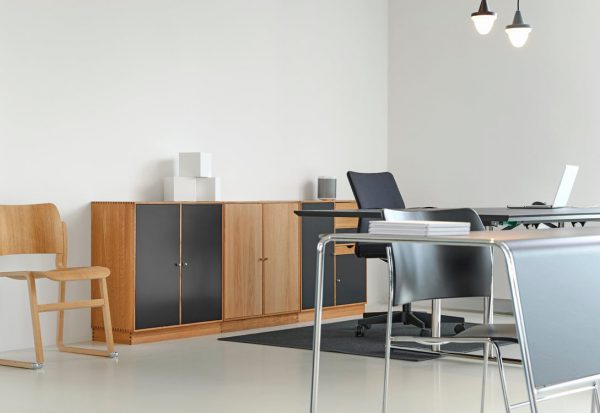
Does your workplace have way too many paper trays or stockpiles of old binders? Did your office go through a remodel and now has a bunch of outdated office decor? Don’t toss these items! Give your supplies and furniture a shot at finding a new home by donating them to a thrift store. Start by letting your colleagues know about the collection of unwanted office supplies, where they should drop off their unwanted supplies, and give them the opportunity to grab something they might need from the collection before it’s donated. Head over to WasteFreeSD.org to search “Thrift Stores” if you don’t know your nearest one. You can even find a local thrift store or organization that specializes in just second-hand furniture if you recently upgraded your office furniture.
Recent workplace renovations? Donate your unwanted office furniture or supplies to a nearby thrift store!
Stop Wasting Half the Paper Supply: Print Double-sided
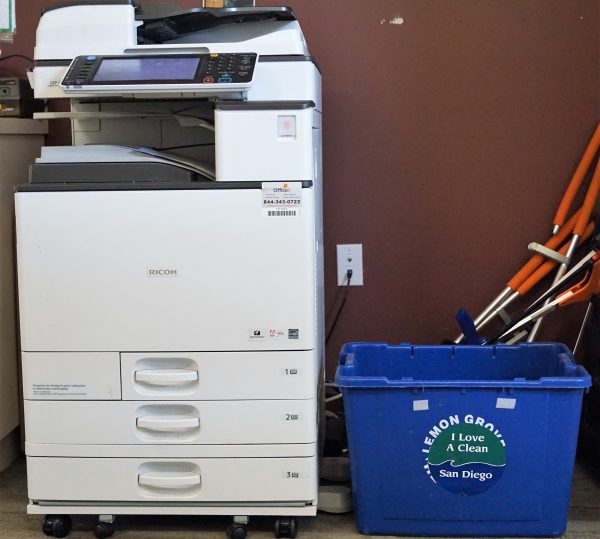
A staple in almost any office is a large industrial printer. And chances are your office goes through a ton of paper. Remember to recycle that paper first off! Ensure that each cubicle, office, and room has a recycling bin and clear signage indicating the types of items that should be placed in it. But there is also another option to cut down on wasted paper: printing double-sided.Change your printer’s default setting to printing on both sides to reduce the amount of paper used. Another option is to have a pile of “previously printed on paper” that has an unused side. Utilize paper from this pile to manually feed into your printer for one-sided print jobs or for scratch paper!
Set those printer default settings to print on both sides of the paper!
Keep Up the Recycling Momentum
Don’t let your recycling efforts fade after America Recycles Day ends. Keep the conversation going! Each workplace should have a designated recycling champion…that can be you! Kindly remind your co-workers about recycling guidelines, reward anyone you catch “green-handed” (recycling correctly or contributing to the donation pile), and celebrate your workplace achievements with all of the staff. Don’t wait until the next America Recycles Day to implement a new practice and remember to provide your team with resources that make recycling crystal clear.
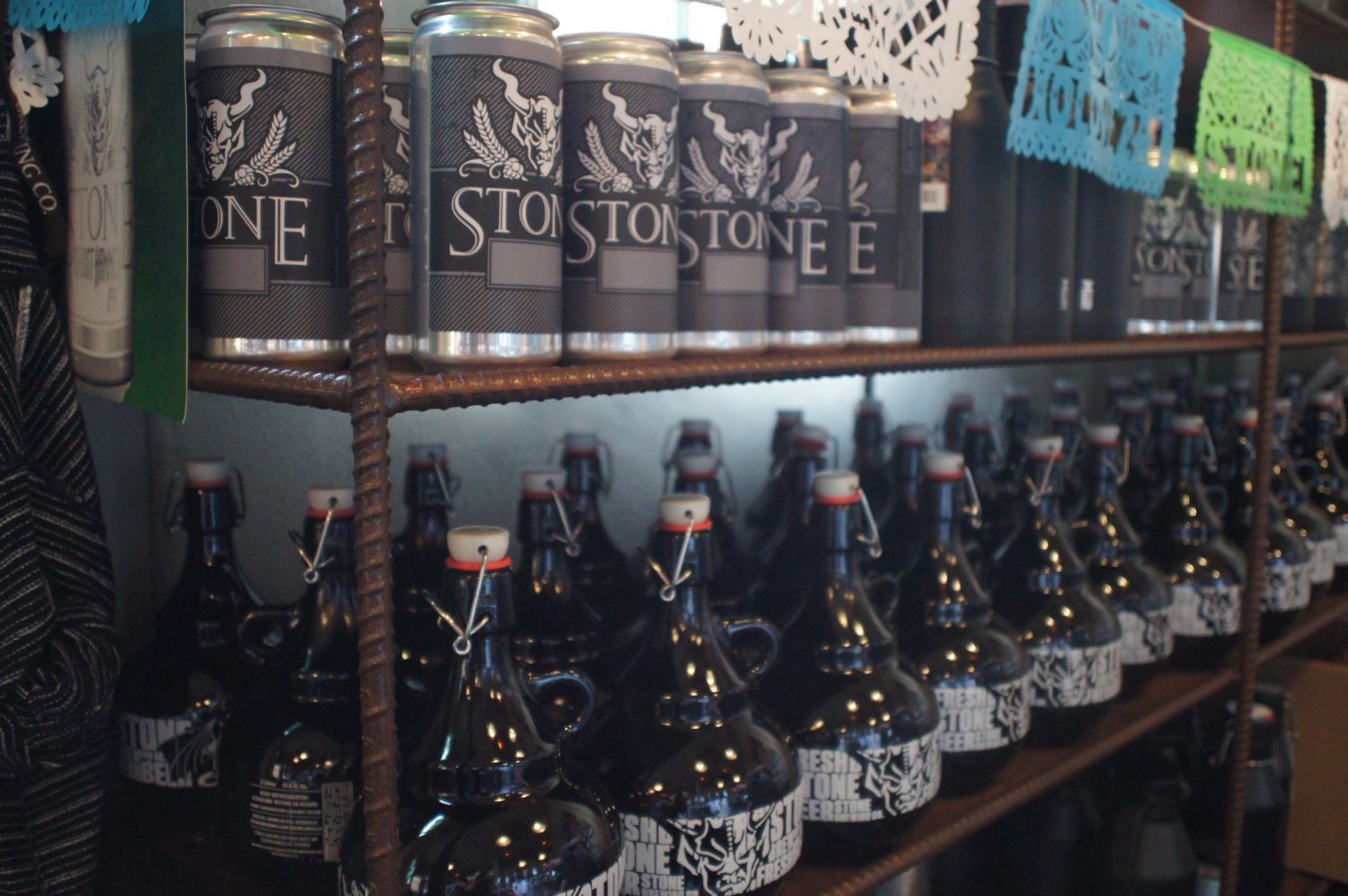
It’s Beer Week here in Sunny San Diego, the craft beer capital of America (sorry, Portland). So it comes as no surprise that the latest craze in beer packaging has reached the craft breweries of San Diego (drum roll please) …CROWLERS! If you can’t guess from the name, crowlers are basically aluminum can versions of growlers (just remember “G” for glass and “C” for can). These 32-ounce aluminum cans (available at select breweries) offer another way to package beer on-the-go or bring home a larger batch of your favorite rotating tap!
We stopped by to see our neighbors over at Stone Brewing to check out the can alternative to growlers!
Being an organization full of recycling enthusiasts, this got us thinking…are crowlers the better option when it comes to recycling? Let’s take a look! When it comes to aluminum cans, cans have a few qualities that make it a far superior to its other beverage packaging competitors. According to our friends at Ball Corporation, aluminum is an infinitely recyclable material (meaning it has no limit to the number of times it can be recycled). With the material being so easily recyclable, it’s simple to make sure a can doesn’t end up in the landfill. In fact, in San Diego County, residents and businesses can toss aluminum cans in their curbside recycling bin. Not to mention, Californians have the opportunity to earn a little cash when they recycle aluminum cans at a local CRV (California Redemption Value) recycling collection centers. You can find a nearby CRV collection center by using the search bar on WasteFreeSD.org.
Alex at Stone gave us a firsthand look at the process of filling up a can version of a growler.
In addition to the convenient recycling methods for aluminum cans, they have a pretty astonishing life cycle. Recycled aluminum cans get turned into new cans in as little as 60 days and each aluminum can is composed of an average of 70% recycled content! Unlike its beverage packaging competitors, aluminum cans rarely get down-cycled to make other products that are usually not recyclable which means the aluminum gets reused endlessly to make more cans. On top of all of that, the process of making one aluminum can from recycled cans takes up to 92% less energy than making a new aluminum can from virgin material!
This contraption seals the top onto the can making your beverage easily portable and keeping it fresh!
If the recycling qualities haven’t convinced you that crowlers are a worthwhile option, there are a few other factors to consider: shelf life, cleanliness, and portability. Growlers keep beer fresh for up to 3 days, whereas crowlers keep beer fresh for up to a month! The Crowler has the superior qualities of aluminum, like the ability to block out light and oxygen keeping your beer tasting the way it was intended. Unlike growlers, you won’t have to worry about getting a Crowler cleaned to avoid funky odors or residue. Crowlers are easier to pack for camping, can go in areas where glass containers are prohibited, and are convenient to take to holiday gatherings (they make great gifts for beer-loving friends too)!
Just remember to drink, crush, and recycle your aluminum cans when you are all done! Here’s to your next 32-ounce cheers! (I know I’m looking forward to this one!)
The City of San Diego’s Environmental Services Department is hosting a FREE Recycling Event with support from the State of California Department of Resources, Recycling and Recovery, CalRecycle. Items that will be accepted at this event are: oil, antifreeze, oil filters, car batteries, household batteries, and fluorescent bulbs. This service will be offered from 9:00 AM – 1:00 PM on Saturday, January 27, 2018, at Qualcomm Stadium, 9449 Friars Road, San Diego, CA 92108.
Transportation Requirements: Maximum limit for transportation ~ 10 Gallons
At I Love A Clean San Diego, we work to lead and inspire our community to actively conserve and enhance the environment so that our children can enjoy this beautiful region for future generations to come. That’s why we believe in engaging with local schools to instill in them environmental values and habits at an early age.
Did you know that the average elementary school student drinks 133 servings of milk or juice per year? For the average elementary school, that means students consume approximately 75,000 carton beverages per year – that means more than 6 billion cartons are consumed in schools every year!
With carton recycling now available in over 60% of the country, including San Diego, we want to spread the word that you can recycle your cartons and help everyone improve their recycling habits.
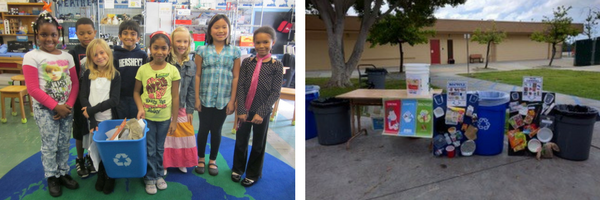
Congratulations to Teirrasanta and Cherokee Point Elementary schools for leading by example. Take a look at the great work they’ve already done:
Tierrasanta Elementary won the San Diego Unified School District’s Most-Improved Recycling Award for 2016-17 by boosting their recycling diversion from 10% to 25% (by weight) over the course of just one school year. Through increased classroom recycling efforts as well as lunchtime recycling of cartons, lunch trays, and other recyclables, Tierrasanta students were able to reduce trash service, dramatically improve recycling rates, and save the school money.
Tierrasanta students use a helpful recycling station set up to stay mindful of what goes where when lunchtime ends!
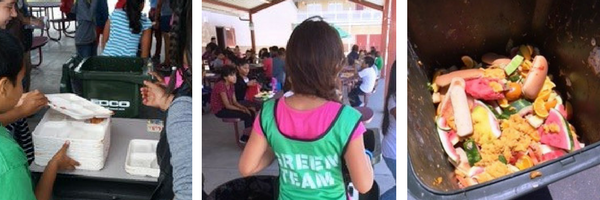
Diverting 95% of all lunchtime waste is an extraordinary feat, and that’s exactly what Cherokee Point Elementary of San Diego Unified School District accomplished last school year. Students and staff joined together to ensure liquids, cartons, lunch trays, and food scraps were kept out of the trash and out of our landfills. The school’s Green Team students encouraged other students to properly sort their waste and take on litter pickup to keep campus clean.
Cherokee Point Elementary’s Green Team helped students sort their garbage leading to a 95% diversion of lunchtime waste!
School recycling programs not only encourage children to learn about the importance of recycling, but they also enable communities to recover large quantities of valuable materials, like beverage cartons. To start or enhance carton recycling efforts at your or your child’s school in San Diego, visit cartonopportunities.org. Our partner, Carton Council, has created materials specifically to help parents, teachers, and administrators get started.
Join us for an informational and interactive workshop focusing on zero waste practices! On Saturday, November 4th, 2017, I Love A Clean San Diego will be partnering with the City of Chula Vista to host a Zero Waste 101 Workshop in the Chula Vista Hills Garden from 10:00 AM – 12:00 PM. We will identify the importance of a zero waste lifestyle, inform residents on resources the City of Chula Vista provides, and help attendees get started by sharing tips and tricks they can implement at home and on-the-go. Activities will include educational booths, a swap n’ shop (remember to bring items for this!), kids craft, and make-and-take station. All attendees will be entered in our raffle for sustainable prizes!
Join us for an informational and interactive session focusing on zero waste business practices. On Wednesday, November 1, 2017, I Love A Clean San Diego will be partnering with the City of Encinitas to host a Green Business Solutions Workshop at the Encinitas Library. We will identify the importance of a zero waste lifestyle, how to implement these practices in your business, and the environmental and economic benefits of going green. Whether you work in an office, a restaurant, or in retail, we will have valuable information for all business models. This will be a great opportunity for you to network and share ideas for creating a more eco-conscious workspace.
As anyone with kids knows, parenthood isn’t always easy. Add in the decision of leading a zero waste lifestyle and it can seem next to impossible. However, being a zero waste parent is not as far-fetched as it might seem. We’ve tackled a few zero waste parenting ideas in the past. And yes, it can take a bit more effort at first, but the small steps you take now will set your children up for a brighter and cleaner future! With that in mind, let’s get into our next zero waste parenting adventure and head back to school!
Go green with your Back to School routine!
Back to School season instantly conjures up ideas of supply lists and packing school lunches. Those ideas are usually accompanied by images of wasteful wrapping, plastic cutlery and sandwich bags, and a graveyard of old school supplies buried in some closet. With a few quick swaps on your supply list and ditching those single use items, greening up your Back to School routine can be much simpler than you would ever imagine.
Reduce, Reuse, or Repair:
When reviewing your new classroom needs for your kids, our first suggestion when it comes to zero waste habits is to reduce, reuse, or repair first. Is that lunch box from last year still in good condition? Can the scissors from years past be utilized again? If supplies from previous years are still usable, you should definitely reuse them! Make your supplies stand the test of time by opting for more classic designs. If you have simple prints and colors for lunchboxes and backpacks, there is less need to replace them year after year. If you have some broken items previous, try to repair them before you replace!
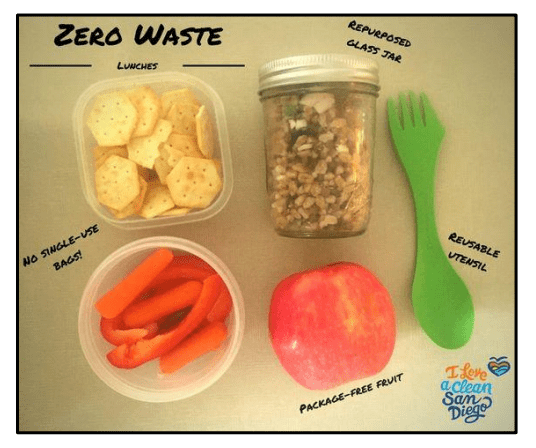
While you may not be able to utilize last year’s supplies every time, there is still the option to invest in reusable supplies going forward. This is especially important when it comes to school lunches. With a few extra minutes a day, you can make every school lunch much more sustainable. Swapping any single use item is a simple rule of thumb – switch from plastic sandwich bags to beeswax wraps or reusable snack bags, opt for a reusable utensil option over plastic cutlery, and ditch your single use plastic water bottles and grab a refillable alternative!
Invest in reusable lunch time alternatives! Don’t forget your reusable lunch bag!
Lunch isn’t the only time you can find sustainable alternatives! Check out the Everlast Rocket Book, a smart notebook that allows you to catalog your notes online. Once you use the notebook, you’re able to upload your notes, effortlessly clean off the book, and reuse the same notebook over and over!
Repurpose, Donate, or Recycle:
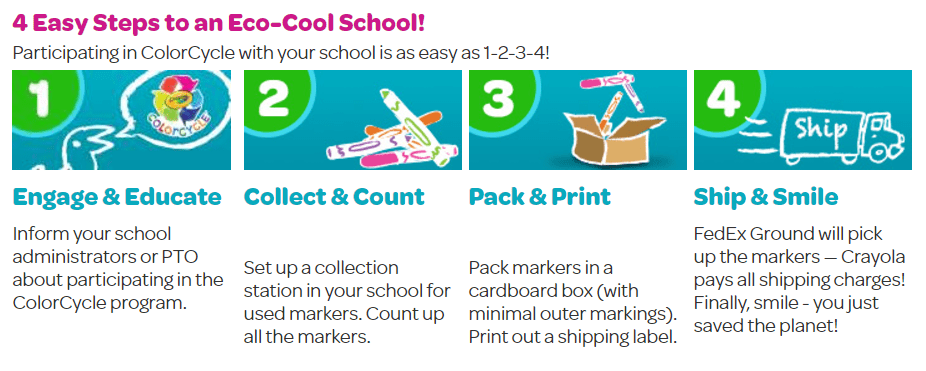
When you’ve exhausted your ability to reduce your single use items, repair broken supplies, and reuse anything you can, our next zero waste step on the list is to repurpose, donate, or recycle. Thrift stores are always a great option for Back to School shopping. There is also ample opportunity to donate and recycle your kids’ old supplies. One of the best parts of going zero waste is finding all of the organizations that are trying to make it as easy as possible. Crayola runs a Colorcycle program collecting and recycling old Crayola markers. Old binders of any brand can be donated to Office Depot for a recycling program they’re running in partnership with TerraCycle. You can also save $2 on a new binder when you donate an old one!
Follow these 4 steps from Crayola’s website to be an Eco-Cool School!
There are plenty of ways to go green even during the Back to School madness. With a little extra time, this whole zero parenting thing isn’t really all that difficult…well, no more difficult than parenting in general.
Leave products in the existing container, if possible. Make sure lids are on tight so containers will not leak. Transport containers in the trunk or in the back of the vehicle away from passengers and pets. Do not transport over 15 gallons or 125 pounds at one time. Containers used for transport must be no larger than a 5-gallon bucket.
Home generated “sharps” including syringes and lancets will be collected during this event. Please transport in closed rigid containers.
HOUSEHOLD HAZARDOUS WASTE INCLUDES:
AEROSOLS
ALL PURPOSE CLEANERS
ANTIFREEZE
AUTO BATTERIES
AUTO FLUIDS
DISINFECTANTS
GASOLINE (w/container)
LIGHTER FLUID
USED OIL/OIL FILTERS
LATEX / OIL-BASED PAINT
PESTICIDES
POOL CHEMICALS
SOLVENTS
EMPTY CONTAINERS: Empty containers can go into the trash or be recycled.
ELECTRONIC WASTE INCLUDES:
COMPUTER/T.V. MONITORS
CELLULAR & CORDLESS PHONES
CENTRAL PROCESSING UNITS (CPUs)
PRINTERS AND SCANNERS
STEREO EQUIPMENT
VCRs AND DVD PLAYERS
FAX MACHINES
MISC. COMPUTER COMPONENTS
FLUORESCENT LIGHT BULBS
COMMON BATTERIES (AA, AAA, C, D, AND BUTTON)
Not Accepted:
Business waste, tires, ammunition, explosive and radioactive material, medications, air conditioners, or large appliances.