How to Have a Plastic Free Summer

Plastic is ubiquitous, and sadly, it does not biodegrade. Instead, it goes through a process called photodegradation, which means the sun’s UV light actually breaks down the plastic into smaller and smaller pieces until it is so incredibly tiny we can hardly see it. Microplastics and the chemicals and toxins that it takes to create plastic, will regrettably, be in the environment forever.
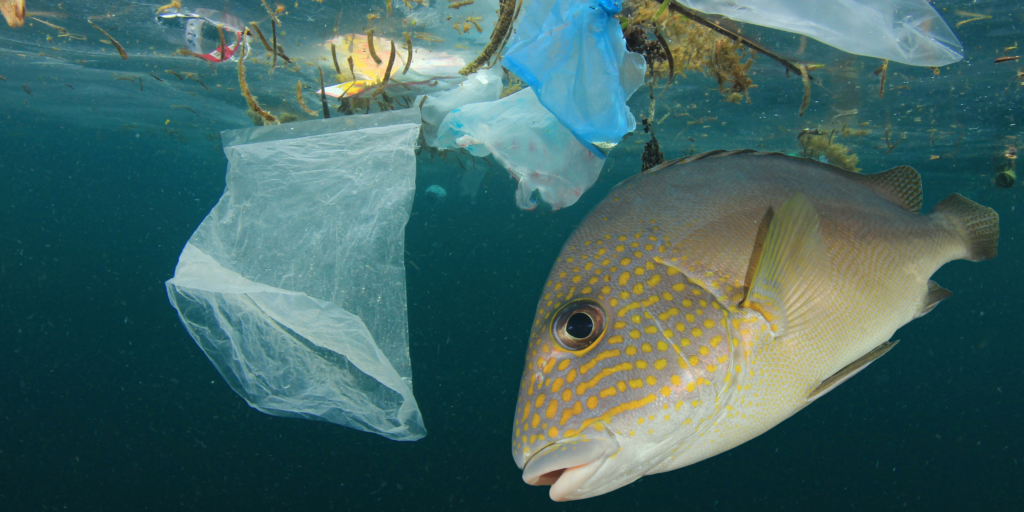
Some main sources of plastic pollution are straws. The history of straws is built mostly on convenience and are not recyclable. It’s easy to say no to straws, simply ask your server or local barista to go sans straw. It might be intimidating the first few tries, but with enough practice and exposure, it will become second nature to ask for a drink without a straw. If you can’t go without a straw, grab yourself a reusable straw for when you are on the go. Stainless steel straws are always a great reusable option.

Next, swap out your traditional toothbrush for a bamboo handle toothbrush. Instead of heading to a landfill like a traditional toothbrush, bamboo toothbrushes are biodegradable, but remember to remove the bristles from the handle before you toss it into a compost bin. Alternatively, you can purchase toothbrushes that are made from recycled plastic, one of the more well-known brushes is created from recycled yogurt cups!

Another great area to reduce your plastic consumption is in  hygiene products. From toiletries, to dish soap, to laundry detergent, and cleaning supplies, they practically all come in plastic packaging. Rethinking the way you purchase these products will drastically reduce your plastic footprint. Purchase bar soaps for the shower and specialized bar soap for the kitchen sink. Make your own chemical free cleaner and house it in an old jam jar. Craft your own 3 ingredient toothpaste. Purchase powder laundry soap that comes in a cardboard box. Choose to implement just one of these and you are on your way to a plastic free mentality!

Next, buy fresh, smart, and in bulk. When you purchase fresh food, it normally doesn’t come in packaging. Instead of reaching for the conveniently packaged and peeled baby carrots, grab a handful of loose large carrots instead. In the mood for trail mix? Instead of purchasing plastic bagged fruits and nuts, search for a grocery store near you that offers trail mix by the pound in a bulk section, and bring your own glass jars to fill it up! Stores like Sprouts, the Ocean Beach People’s Food Co-Op, and The Mighty Bin are always stocked up with tasty options!

So there you have it, a little inspiration to jump start your journey to going plastic free! For more resources on waste management and disposal, check out our free online database, WastefreeSD.org or call our hotline at 1-800-237-BLUE (Incorporated Residents) or 1-877-R-1-EARTH (Unincorporated Residents). 

Don’t worry if you can’t give up all plastic cold turkey. Ease into it, every simple swap or small step helps preserve our shared environment! Decide to make a couple personal lifestyle adjustments and other plastic free alternatives will flow into your routine naturally!

WFSD FAQ: Top Recycling Questions from 2016

Did you know I Love A Clean San Diego received more than 13,000 inquiries in 2016 through the WasteFreeSD.org database and call center combined? That’s right! WasteFreeSD.org answers all your recycling questions and it is just a click away! With that in mind, Ani, our incredible Recycling Programs Manager, has created our newest recurring blog series that features frequently asked questions from WasteFreeSD.org that we will be calling WFSD FAQ!

WFSD Database
Go to WasteFreeSD.org to answer all of your zero waste questions!

WFSD FAQ: Top Recycling Questions from 2016

This year I Love A Clean San Diego staff worked hard to build WasteFreeSD.org into a Zero Waste Database. The redesigned site houses information beyond recycling including repair options, reduction tips, and donation locations. We thought we would share with our readers the top recycling questions we received last year. Any guess on what the number one most asked about item (non-hazardous) was in 2016? Drumroll, please! It was…refrigerators!

2016’s Top three most asked about items (non-hazardous):

  1. As previously mentioned, refrigerators were the number one item residents are looking to recycle. Refrigerators are bulky and most residents call to inquire about pickup services, fees apply. Some recyclers that accept appliances will actually pay you for bringing it to their facility to recycle, it’s a few cents a pound but hey anything helps! The redesigned WasteFreeSD.org allows for users to search for repair services including services that repair refrigerators. Make appliances last longer with proper maintenance and hire a professional to fix.
  2. It’s no surprise that as new technology rolls out people are looking for the latest and greatest. Televisions ranked second as the most asked about item for recycling. There are plenty of recycling options for electronics including e-waste collection events and household hazardous waste collection facilities. Some businesses even offer pickup services, fees apply. Opt to buy any new technology, televisions were made to last! Believe it or not, there are still places that repair televisions, at a reasonable price.

    tv
    Keeping electronics for longer and properly recycling them afterward ensures that they do not end up in the landfill.
  3. Christmas in the Summer? Just kidding! We receive a large number of inquiries in January after the holidays about recycling Christmas trees. When you take your recycling tree to a collection site, the trees are made into mulch, which is then used to improve soil health at public parks, local farms, and homes. If your waste hauler offers a pickup service, make sure you read the curbside instructions and plan early! Many waste haulers will only pick up Christmas trees immediately after the holidays. Be prepared to take down that tree before the service goes away!

Do you have any recycling questions that need answers? Do your part to keep items in good condition out of the landfill, search for repair options and donation locations today! Check out the redesigned WasteFreeSD.org and tell us what you think!

Toasts & Tacos: Summer Social 2017

beerSan Diego summertime is pretty much unbeatable. Start with a beautiful, sunny beach day, enjoy drinks with a view, and load up on some tasty tacos with friends. How can you really top that? That’s why this year’s Summer Social has it all! It’s all said in the event name: Toasts & Tacos!

Taking place on June 24th at the ChuckAlek Biergarten, our Summer Social brings together some of San Diego’s finest attributes together: sunshine, craft beer, delicious tacos, and a good cause– keeping San Diego clean. Your ticket to the social gets you one free craft beer from ChuckAlek Biergarten and access to our taco bar featuring food from Rubio’s Coastal Grill. All of that for only $15! How can you beat that deal? With games, a raffle, live entertainment and more, this is an event not to be missed!

All proceeds benefit I Love A Clean San Diego and help provide educational and community-based programming focused on a zero waste, litter-free, and environmentally engaged San Diego region.

ToastsandTacos
Happy supporters of ILACSD at the 2106 Summer Social! Pick up your “Toasts & Tacos” tickets today!

There is still plenty of time to be a part of this exciting mixer that also benefits our local environment. Get all the details below, and reserve your spot today. I’ll see you there!

I Love A Clean San Diego’s Toasts & Tacos: Summer Social 2017

June 24th, 2017, 2:00 PM – 5:00 PM
ChuckAlek Biergarten
Click here to reserve your spot!

Thank you to the incredible sponsors, Rubio’s and ChuckAlek Biergarten, who are making our Summer Social Possible.

COME TOGETHER: Kids’ Ocean Day 2017

I Love A Clean San Diego once again partnered with the California Coastal Commission for our 19th annual Kids’ Ocean Day. On May 18, 2017, over 900 students, teachers, and volunteers united together to clean up Mission Beach and the surrounding area. These dedicated 3rd, 4th, and 5th graders rallied together from 7 local schools to protect our oceans by collecting thousands of pieces of litter and marine debris. Common items found during the cleanup included small pieces of plastic, snack wrappers, straws, and Styrofoam. The students’ cooperative energy and childlike verve were tangible on the beach that day.

Students from Porter Elementary show off the waste they collected and their shirts decorated with this year’s theme – COME TOGETHER.

Following the cleanup, students united with community volunteers to form an aerial art image. One of the most common questions we receive is, “how do you make the aerial art happen?” Here’s a peek behind the curtain:

Each year, I Love A Clean San Diego’s education department designs an aerial art image that follows the statewide theme for all 5 Kids’ Ocean Day partners. On the day of the event, the ILACSD aerial art team assembles before daybreak to produce the much-anticipated image. Equipped with irrigation flags, surveyor’s tape, and extra-long measuring tapes, our amazing staff spend the wee hours of the morning meticulously plotting each and every point of the aerial artwork image. This year’s theme – COME TOGETHER – draws on the power we have when united in our efforts to protect and defend the oceans and coastlines from pollution.

As students began to file into the formation, anticipation was high; everyone was excited to see the helicopter fly overhead, photographer inside, capturing our hard work from the sky. It was a gratifying moment to see all the students, teachers, volunteers, and staff sit in stillness within the image for 10 brief minutes. After months of planning, we were all rewarded with a powerful piece of art so vast it can only be seen from the sky.KAAB2017finalimage

The success of the day could be measured by the faces of the beaming students. They felt a sense of accomplishment from doing their part to help clean up the environment. The students now stand united as true “Scholars for the Sea!”

Kids’ Ocean Day is a magnificent event that helps to bring environmental awareness and stewardship to the forefront of these students’ minds. It is a day of joining forces and demonstrating to the kids what it means to work together as one. The students walked away from Kids’ Ocean Day feeling empowered and armed with the understanding that their personal choices have power and their everyday actions will impact our environment and our future.

DSC04497


Saving Energy During the Holidays

The holiday season is in full swing, which often means family and friends coming together to celebrate. Hosting a holiday party can seem counter to conservation efforts at times but your efforts should be not be neglected! This is the perfect time to continue saving energy while striking conversations about why you partake in these conservation-minded behaviors. In lieu of Energy Action Month, which takes place every October, we thought we would remind our readers about the simple ways to save energy when guests are over for the holidays.

Before Guests Arrive

  • Order a no cost water and energy saving kit from SDG&E. The items in the kit are easy to install and slick looking too!
  • Set your refrigerator temperature between 35° – 38° F. The cooler the temperature, the more energy is being used.
  • Thaw food items in the refrigerator overnight instead of running water over them. Saving water saves energy! Collecting, treating, and distributing water can be costly and energy intensive.
  • Use a power strip to easily turn off power to several devices. Chances are you will be too busy mingling to be using your game console, television or computer.
  • Invest in appliances that save money and energy. SDG&E’s Marketplace makes shopping convenient and informative. Compare prices on typical models, calculate how much energy would be saved over periods of time and explore energy scores for each product.


ABOVE: SDG&E provides no-cost energy and water saving kits
SDG&E provides no-cost energy and water saving kits


During Your Holiday Celebrations

  • Kindly remind guests to turn off lights when leaving a room. Making this simple practice a habit will create energy savings all year long.
  • Phantom energy draws electricity from outlets when devices are plugged in but not in use. Remember to unplug fully charged devices and unplug chargers that are not in use to avoid phantom loads.
  • For overnight guests, encourage shorter showers to conserve water and energy. Have a discussion about the importance of water and energy savings on the individual level and praise your guests for incorporating this simple action into their routine. The best way to instill good practices is to remind others about how easy it is to conserve.


light switch
Turn off the juice when not in use!


After Guests Leave

  • Remember to fully load the dishwasher. One full load will save between 25% – 50% more energy than two small loads. Not to mention the water savings as well!
  • The same applies for your washing machine. Use full loads AND set the water temperature to cold. Using cold water costs about 4 cents, compared to hot/warm water which can cost up to 68 cents per load.

The best of our newest adoptable site, Dixon Lake

045
ILACSD’s Admin Assistant, Erika, took a weekend hike to explore one of our newest adoptable sites in Escondido.

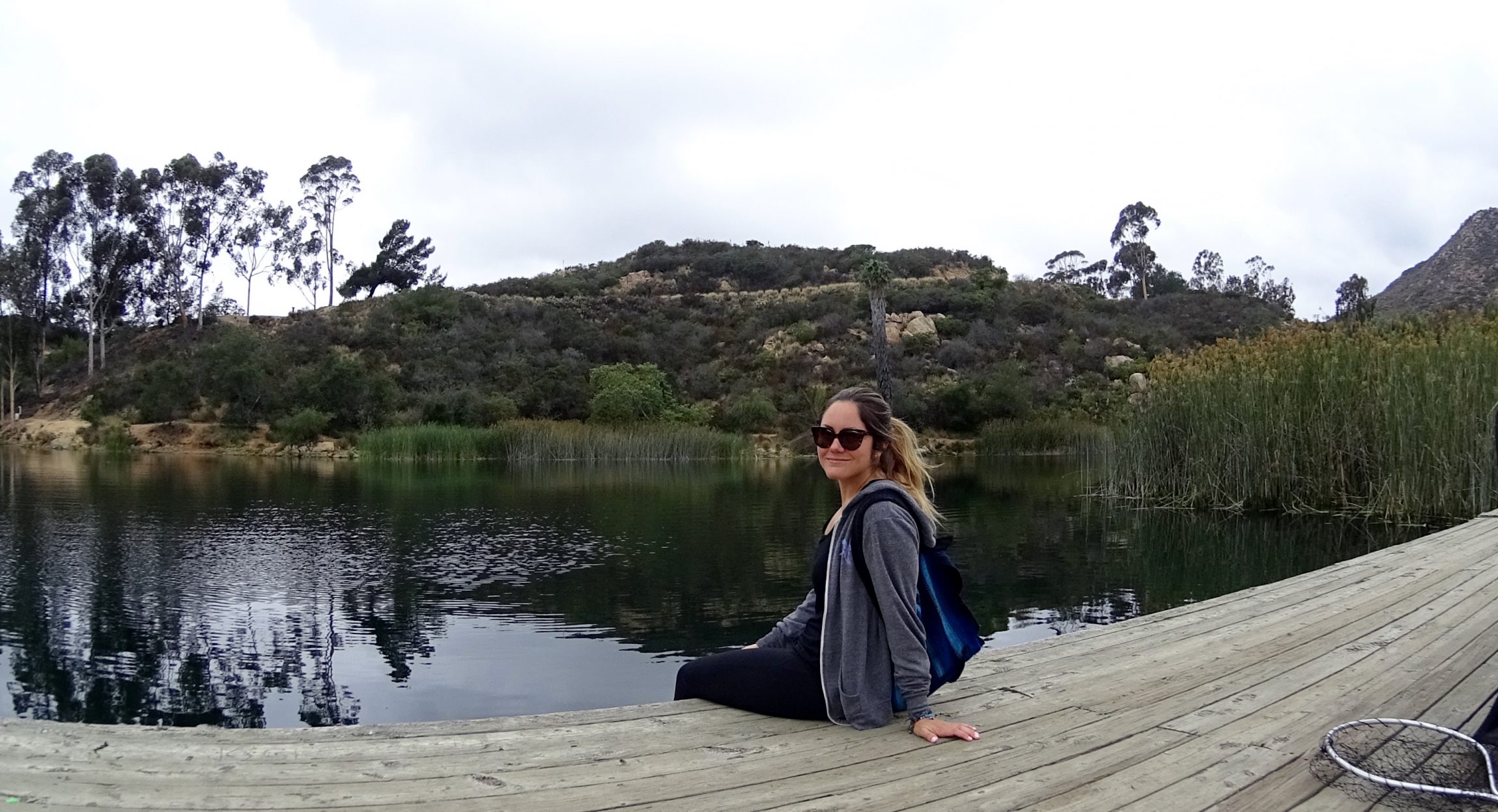
This past Monday was Summer Solstice, which marks the longest day of the year and the official onset of summer! With the longer days, it’s the perfect time to get out and explore the endless hiking trails around San Diego County. This weekend I did just that and took a trip to Dixon Lake, one of I Love A Clean San Diego’s newest inland adoptable sites in North County.

026
The perfect spot for a  picnic. For easy cleanup, choose reusable utensils and pack snacks in tupperware instead of sandwich bags that can get blown into the lake.

When I first walked through the ranger station, I was pleasantly surprised to see several covered and uncovered picnic areas. Below is one of the areas I found, which I will definitely be coming back to for a summer picnic! I spotted several trash cans in the area, but whenever there aren’t any, the most important thing to remember is the principal of pack it in, pack it out. By making sure that you carry out all the trash that you brought into the open space or park, you can easily help to reduce litter at the source.

Walking past the picnic tables, I crossed a little bridge which led to the 2.1 mile trail that follows the edge of the lake. The trail was mostly flat and perfect for hikers of all ages.  027

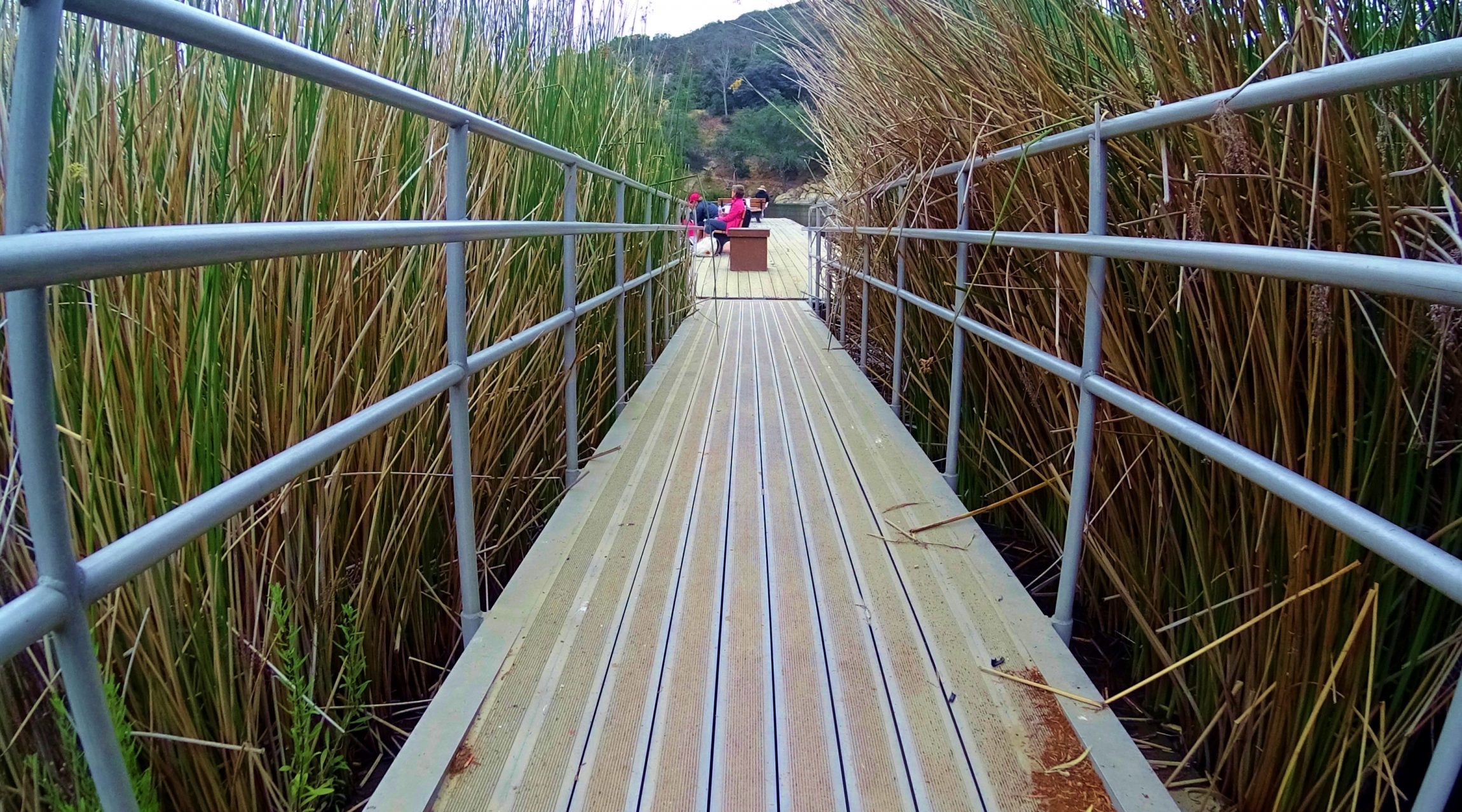
About half a mile into the trail there was the opportunity to turn onto a bridge covered in reed grass. My curiosity got the best of me, so I veered off the path and crossed the bridge, and I’m so glad I did!

038

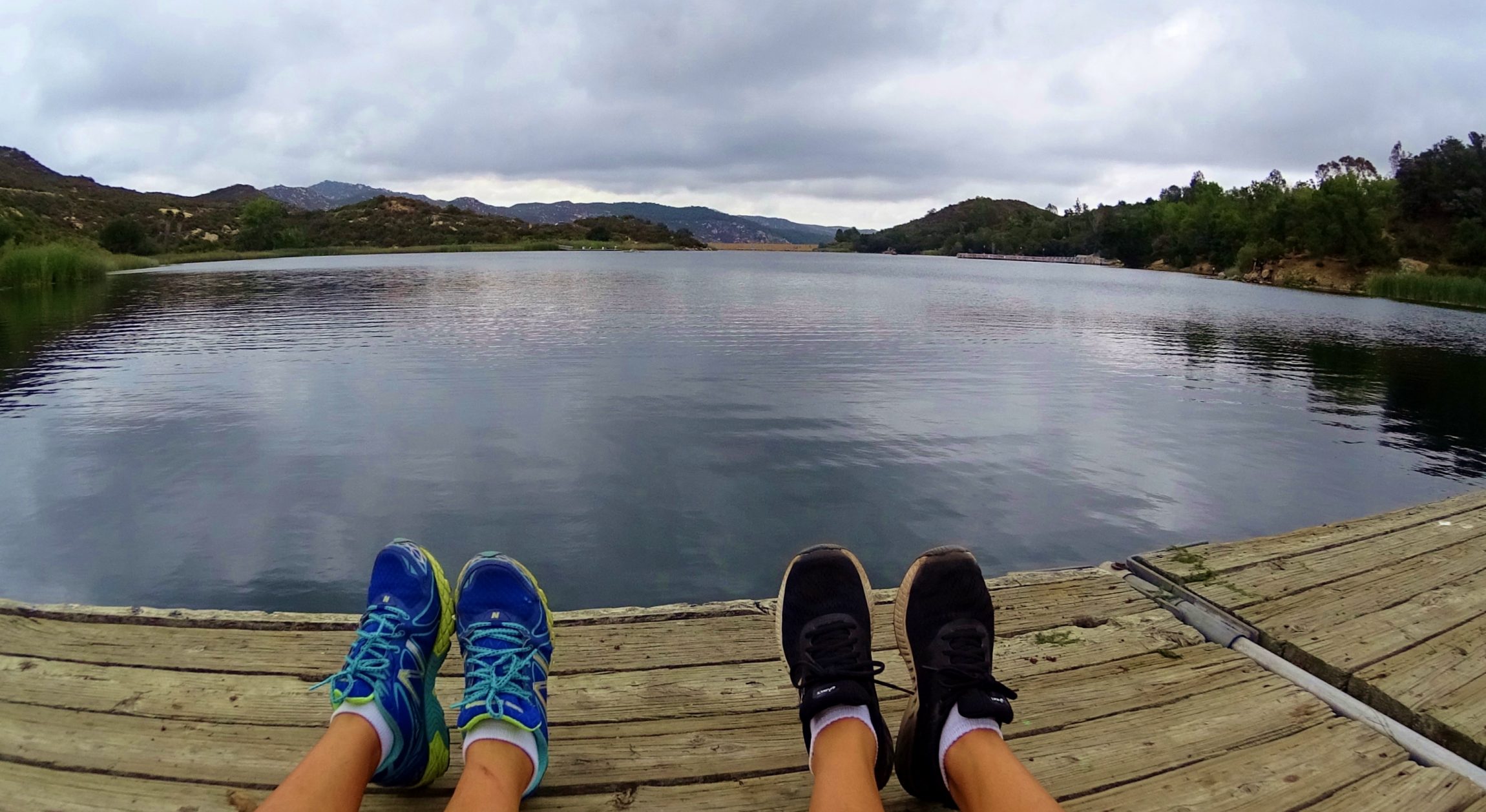
The bridge led to a dock right on the water, providing a beautiful view of the entire surrounding area. I took a few moments at this spot to enjoy the morning tranquility of the lake.

040

Behind me, there was a fisherman enjoying some early morning fishing off the end of the dock. One more of the activities you can take advantage of at the lake!

044
Dixon Lake is also a great fishing spot for locals!

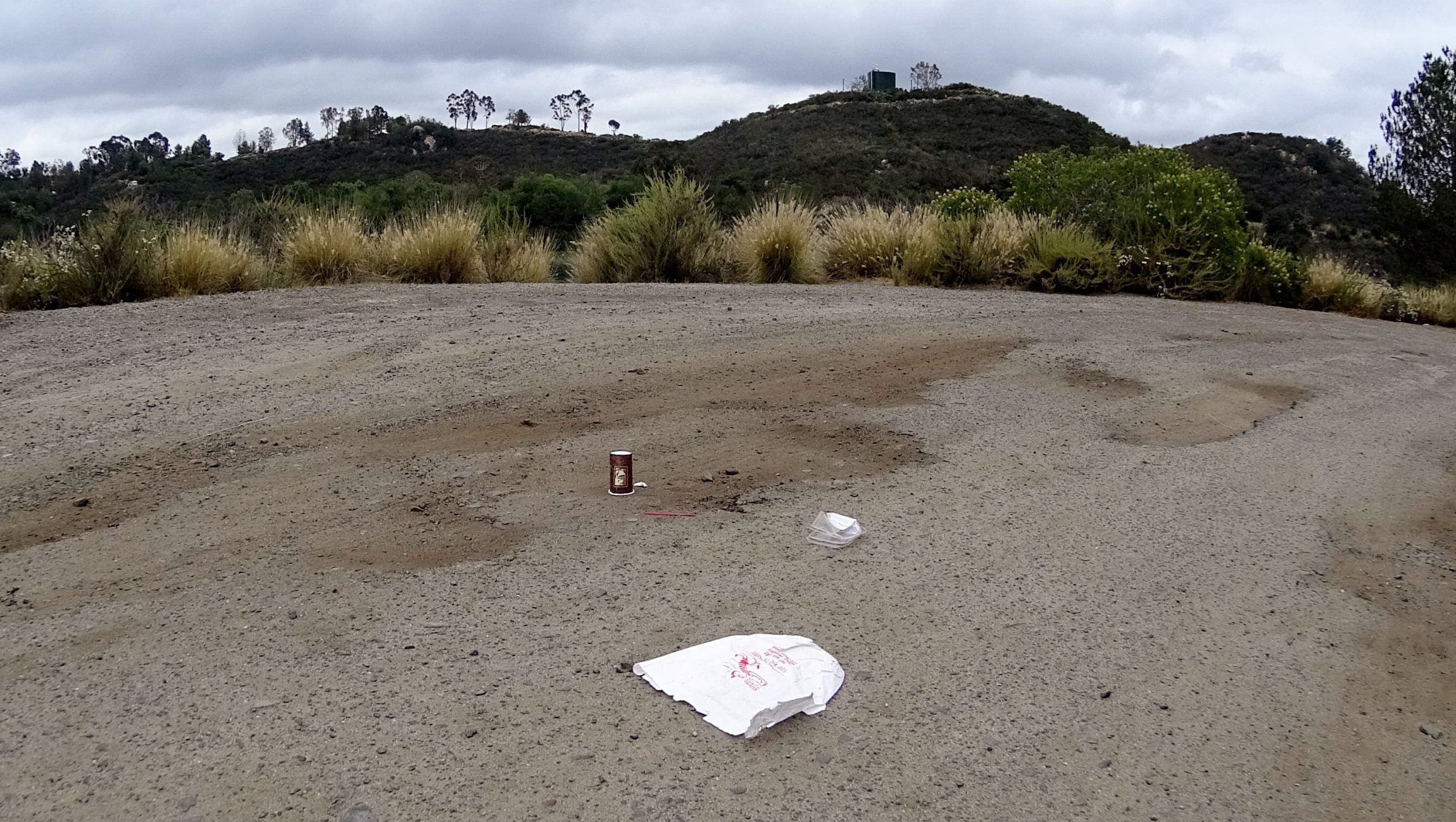
On the way back to the parking lot I decided to take the service road, which runs several feet above the trail. I was a little disappointed to stumble across some trash in the middle of the road. With just a few feet of separation between the road and the lake, the trash could easily end up in the water within a matter of seconds. Thinking back to the beautiful views from the dock, I know I would not want that view ruined by a fast food bag and coffee cup floating in the water.

052
Unfortunately, plastic bags, pet waste as well as food wrappers and bottles are commonly found along the trails.

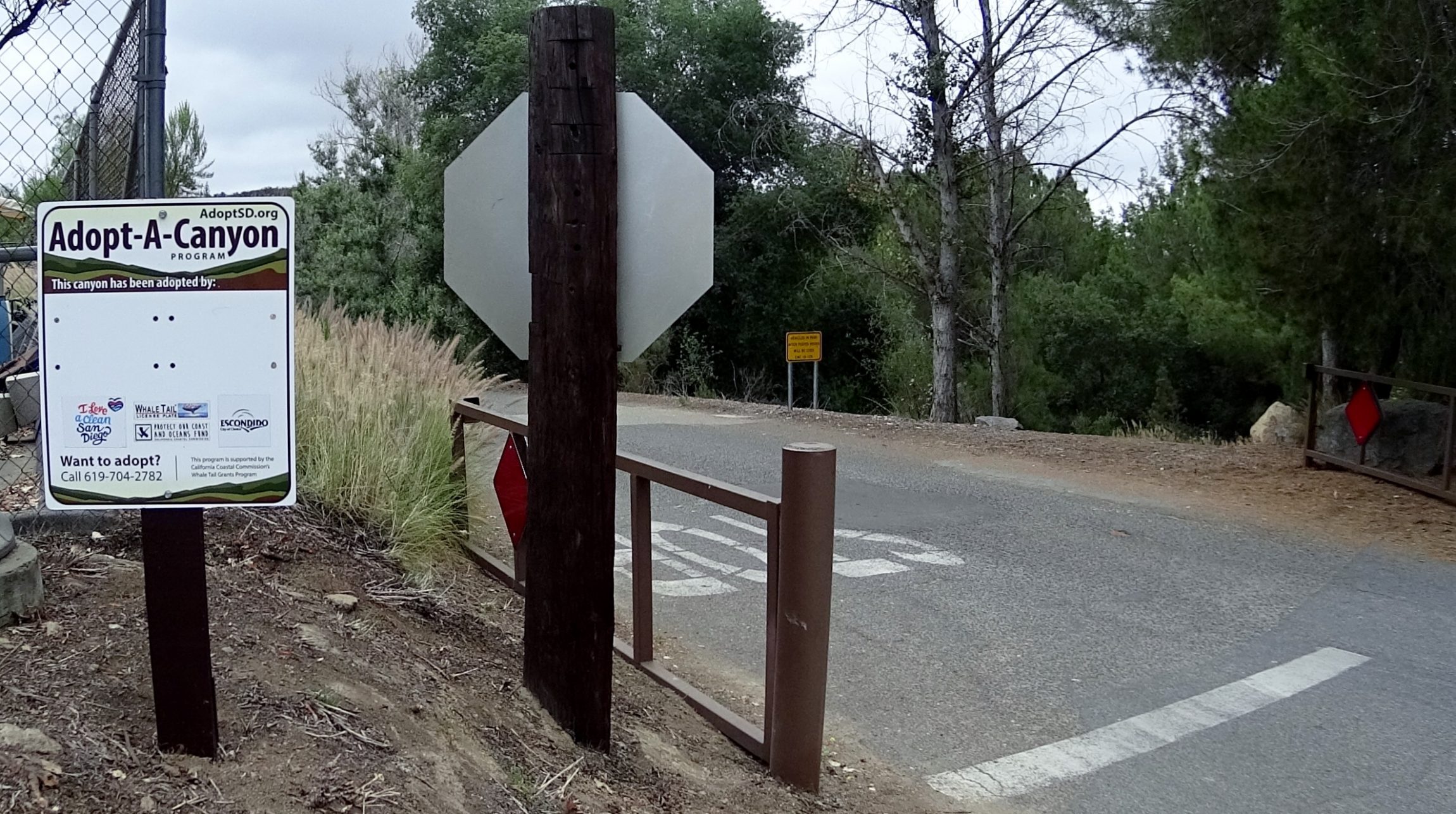
Interested in keeping Dixon Lake clean? Visit AdoptSD.org to learn more and to schedule your own cleanups! We provide a free educational presentation to kick off your first cleanup, and if you complete three cleanups over the course of a year, you can apply to have your group’s name posted on a sign on site. 021

Whether it’s your favorite, beach, canyon or park, let’s keep San Diego clean, together. Find out how you can get involved in a program that fits your schedule at CleanSD.org!

The moment that inspired Leila to create less waste

“We generate enough trash to fill Qualcomm Stadium each year…”

The words spoken by my Conservation Science and Policy professor sent an unsettling feeling straight to the pit of my stomach. That is an insane amount of trash. Buried right here in the City? No way. Yet, there I was sitting in a desk learning about waste management policies and how they impact our environment. I learned that the Miramar Landfill is San Diego’s only active landfill. San Diego’s trash is buried in a site that opened in 1959 and is projected to close between 2020 – 2025! That got me thinking. Where will the trash go? How does that much even exist here in the City? Enough to fill Qualcomm? Is recycling not enough to reduce landfill input?

Miramar Landfill KPBS
photo credit: KPBS; Katie Orr

 All of these questions echoed in my head when I found myself sitting in a bus on a field trip, in the middle of the current open “pit” at the Miramar Landfill. There I was in a crater of trash, an eyesore of waste piled multiple feet high. The view unearthed the ugly truth that waste is a huge issue that is usually out of site, out of mind. Sitting in the middle of the trash I had the same unsettling feeling and I felt compelled to act.

bench
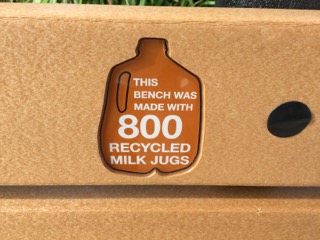
Toothbrushes made from recycled yogurt cups and benches constructed out of milk jugs serve as proof that we can do more with our resources.

From that day on I decided to embrace the zero waste lifestyle. I started by reflecting on the trash I produced and looking into organizations that were helping to combat the waste issues in San Diego. Research led me to stumble upon I Love A Clean San Diego. I was inspired by the cleanups and the passion for sustainability the organization embodied. I became more impressed when I found WasteFreeSD.org and how it is a resource for residents like me who want to divert their waste in an environmentally friendly manner.

WhatToRecycleMagnet
Start with the basics!

I feel fortunate to now be a part of the team! Assisting the Call Center allows me to direct residents to proper disposal facilities, help keep hazardous waste out of the landfill, and provide repair and reuse options to those who are also waste conscious. My journey with zero waste all started with the pit, both literally and figuratively. Think back to a time that really impacted you, maybe you acted on it, maybe you didn’t but the impact it had is still just as important. Grasp that feeling; it can change your life and the planet’s.

c2b16 mountain view park (200)
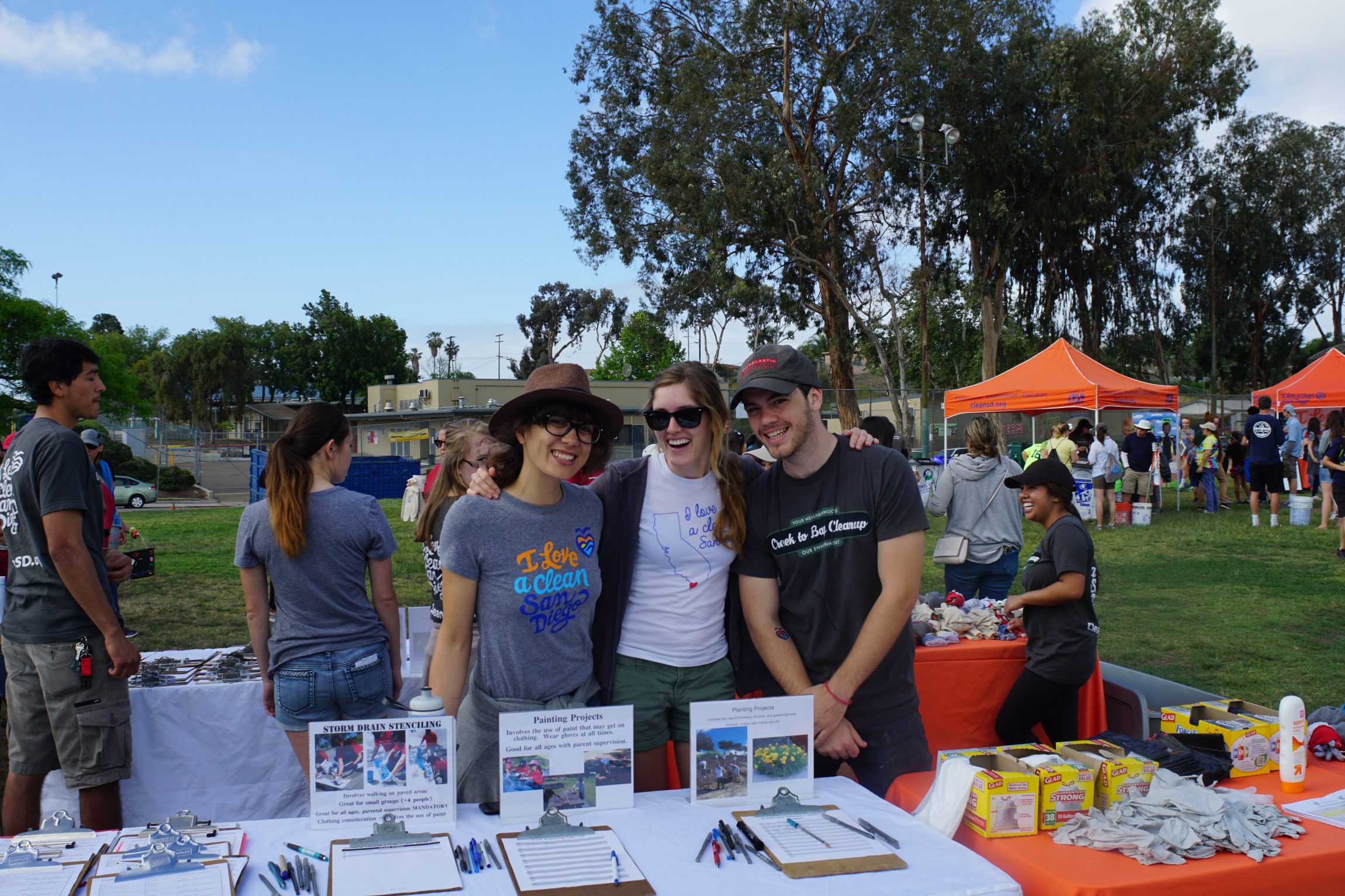
Leila (far left) and two of our interns checking out cleanup supplies at our annual Creek to Bay Cleanup!

Visit CleanSD.org to learn how you can get involved in making a lasting impact on our environment!

4 Easy Steps to a Healthier Ocean

Happy World Ocean’s Day! Today we celebrate the ocean for the joy it brings us, the food it provides us, and the oxygen it supplies us. The mysterious and vast ocean with its other-worldly creatures captivates young and old alike. From nudibranchs and sea hares to sharks and rays, the ocean holds amazingly unique creatures. Unfortunately, many are threatened by human actions that negatively impact their habitats. Therefore, today must also be a call to action to protect these organisms and preserve our ocean!

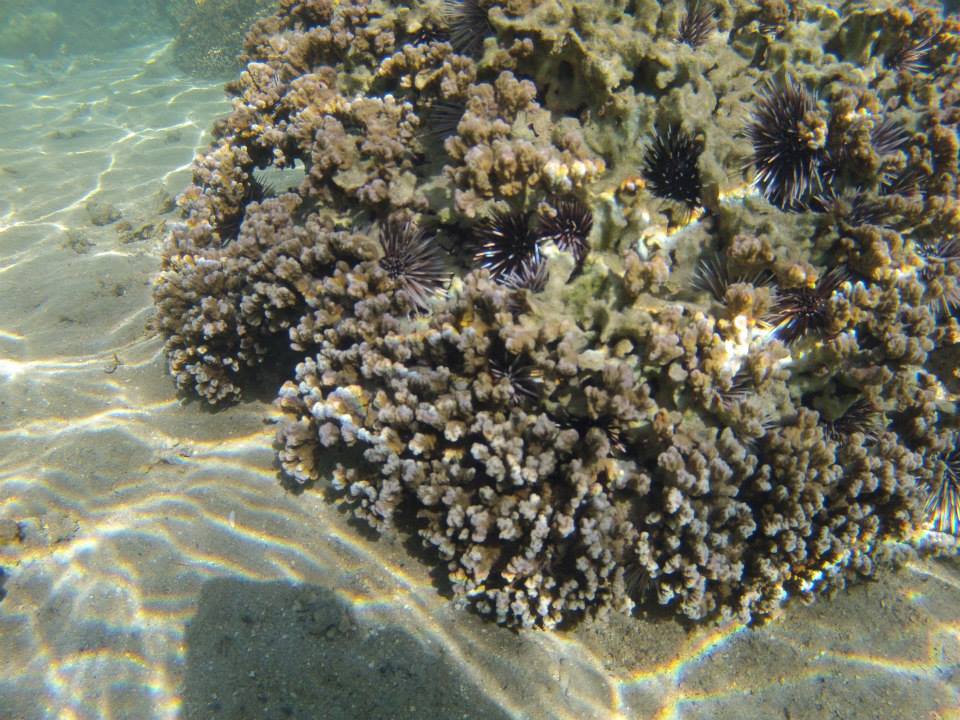
coral
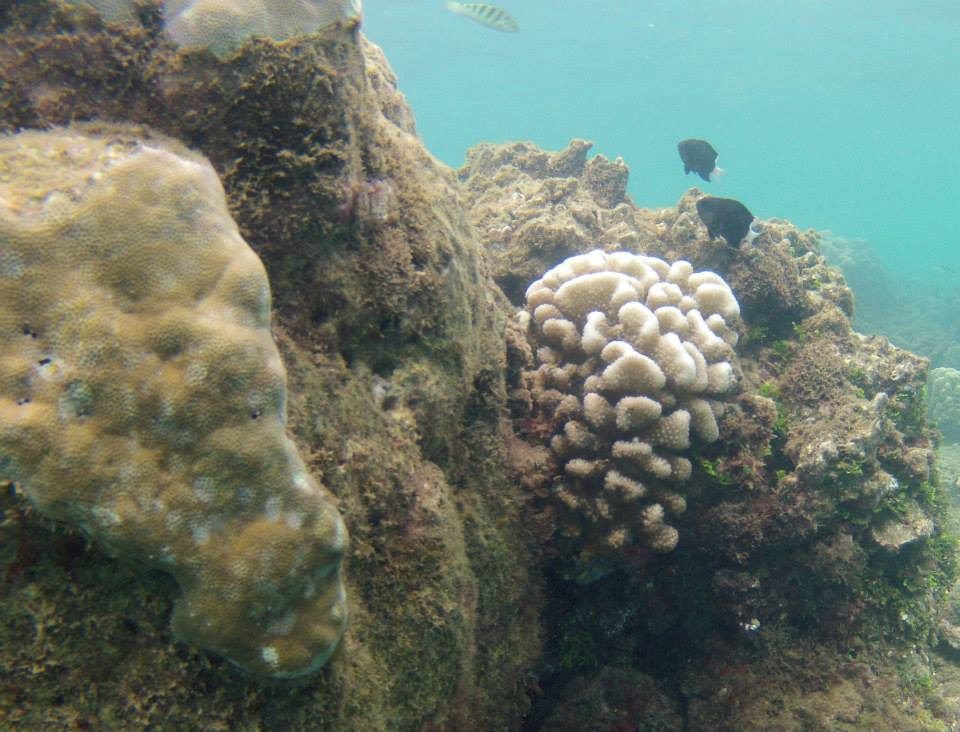
Ocean acidification threatens ocean ecosystems that include oysters, reefs, and the foundation of several food chains, plankton.

Ocean acidification is one way in which humans are driving drastic changes in the ocean. Ocean acidification is the alteration of ocean chemistry as a result of increased carbon absorption, which is a direct effect of increased carbon emissions. One serious consequence of ocean acidification is that it becomes very difficult for certain organisms, such as corals, oysters, and even plankton, to both build and maintain the calcium carbonate structure that they depend upon, such as shells and reefs. This can negatively impact the organism itself, as well as entire ocean ecosystems.

coral and sea urchins
Coral and sea urchins are also affected by ocean acidification.

Thankfully, we can control how much carbon we each emit into the atmosphere. Follow these four easy steps to reduce your carbon emissions.

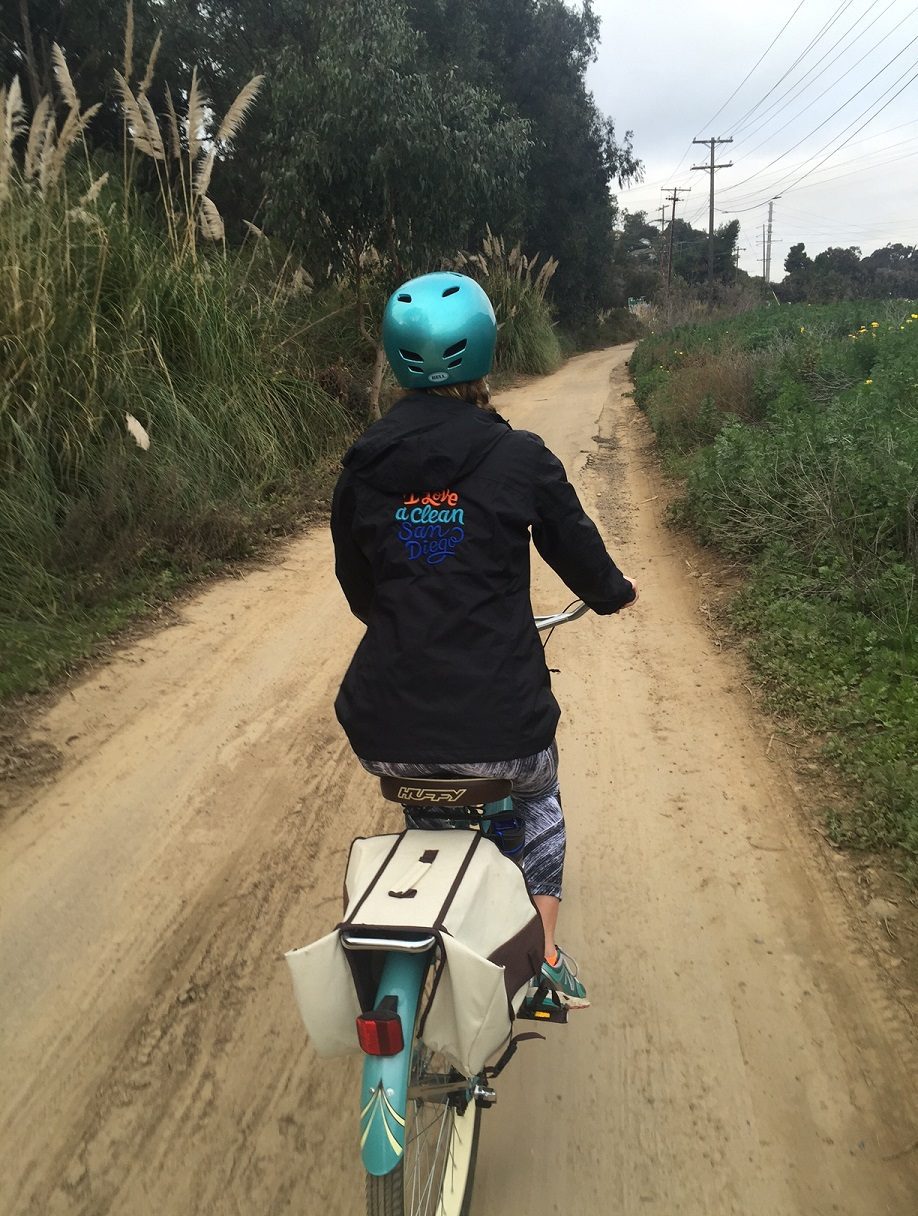
Travel by foot, bike or trolley more often to reduce your carbon footprint!

riding bike
Environmental Education Specialist, Grace enjoying one of San Diego’s many bike trails.
  1. Spend less time in your car. This could mean riding your bike, walking, taking public transportation, or carpooling. The average car produces about 19.6 pounds of carbon dioxide per gallon. Reducing your need to fuel up helps to lessen your impact on the environment and your wallet all at once.
  2. Lower your electricity bill. This doesn’t just mean turning off lights, but can include simple and easy practices such as unplugging appliances when they aren’t in use, utilizing energy saving light bulbs, and enabling the sleep function on your computer.
  3. Buy local. Products have less distance to travel when you choose to buy locally made and grown products, reducing the amount of energy used to transport the goods.
  4. Practice the 3 R’s: Reduce, Reuse, and Recycle. Go even one step further and purchase items made out of recycled material. Less energy will go towards manufacturing new products and finding natural resources to make them. Don’t know where to recycle something? Check out WasteFreeSD.org.

Looking for more tips? Come to our Zero Waste Summit this Saturday, June 11th in Encinitas to build your zero waste toolkit with great giveaways! The whole family is welcome to come out, tour our interactive booths, and hear from a panel of zero waste experts. With your effort, we can keep our oceans healthy and accessible well into the future. Enjoy World Ocean Day!

Zero Waste Home - Jan 2016 (1)
ILACSD, Solana Center and Jimbo’s will all have interactive booths this Saturday!

Successful Zero Waste Plans IRL

Sam2016 - 131x172Today’s blog comes from our Contracts Manager, Sam, who has been attending several meetings related to San Diego’s Zero Waste Plan, including food recovery and organics recycling. The idea of zero waste can seem daunting or too far-fetched. Read on to learn about other cities that have successfully implemented zero waste practices IRL (in real life) and what San Diegans can do to help reach these waste diversion goals.
As we all know, “Zero Waste” is a hot button word around environmental circles these days. By its definition, Zero Waste is a commitment to diverting at least 90% of all waste away from landfills, and utilizing other means of proper disposal. But what does it look like in practice? How far along are we? What are the challenges? We will take a look at three California cities to see!

Zero Waste Home - Jan 2016 (21)
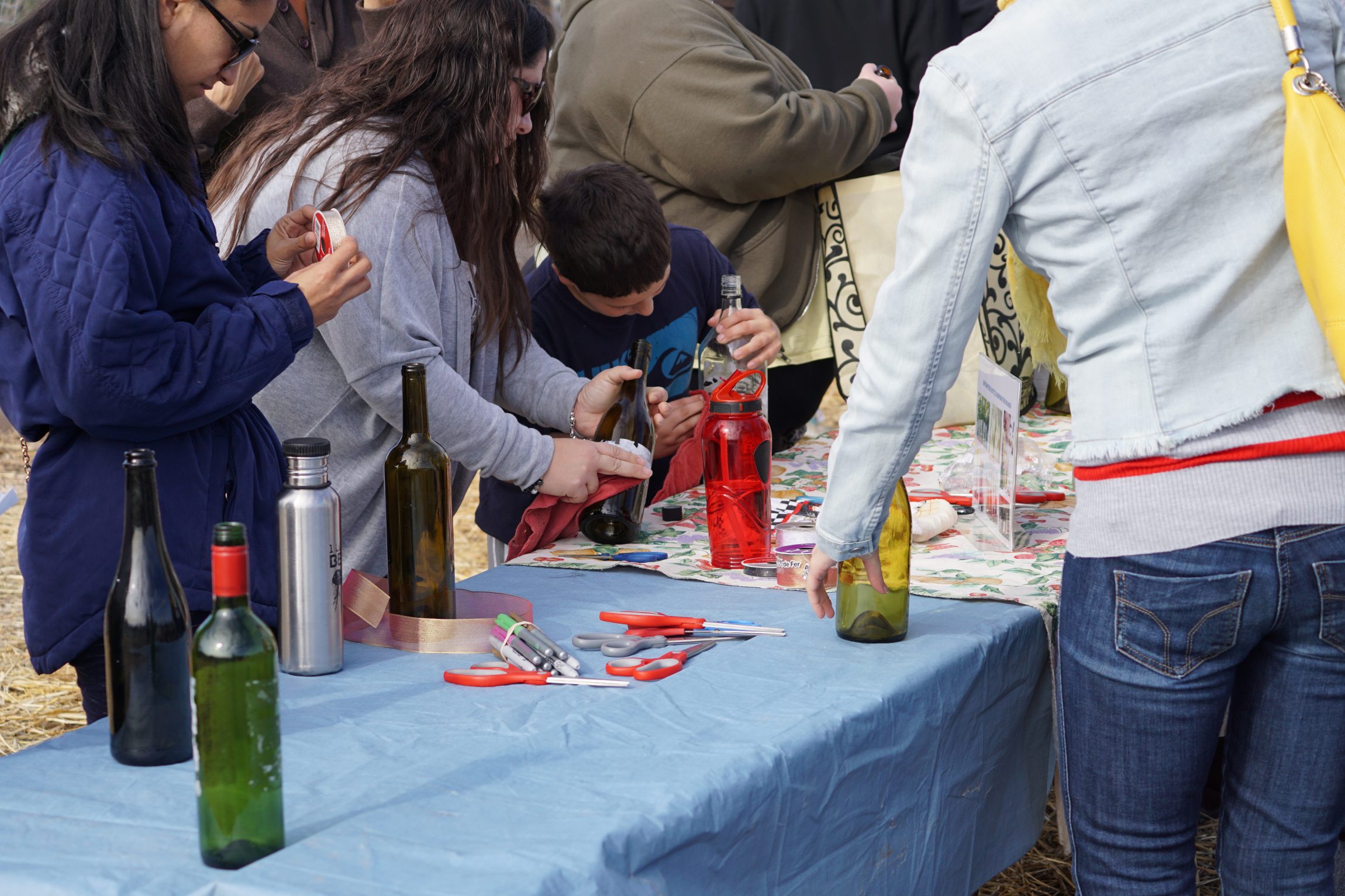
Repurpose tip: extend the life of common items like glass bottles and jars by transforming them into home decor!

Let’s start with the current big kid on the block in all environmental programs, San Francisco. San Francisco has been among the leading pioneers in the nation for environmental programs, and zero waste is no exception. As a part of their commitment to 90% waste diversion by 2020, San Francisco has implemented composting and green waste recycling pickups at businesses and residences. Along with convenient disposal, San Francisco has also invested in providing the public with educational resources about reducing food waste, consumer and producer responsibility, and the list goes on! When other cities in the U.S. look to a city to replicate good behaviors, San Francisco is a wonderful place to start.

Next, let’s look at Los Angeles. Currently hovering around 75% diversion of waste away from landfills, Los Angeles’s goal is to to achieve a lofty 97% waste diversion by 2030 through SWIRP, which is an acronym for Solid Waste Integrated Resources Plan. LA’s infrastructure will soon follow in the footsteps of San Francisco to ensure that greater tonnages of green waste (yard clippings, food scraps, etc.) and compost can be properly disposed of instead of winding up in a landfill. Along with San Francisco, LA believes educational outreach for both food waste reduction and proper recycling techniques are critical to their long term goals. Looking to achieve 87% diversion by 2020, Los Angeles has made a firm commitment to realizing their ultimate “zero waste” initiative by 2030.

CV_AfterSchool_compost (17)
Practice makes habits! Students practice sorting paper, cans, and food scraps into pretend trash, compost and recycling bins.

Last, but certainly not least, our wonderful home of San Diego. The macro-level goal is to achieve virtually 100% waste diversion by 2040, with yearly increments designed to test the progress. Along with LA, San Diego is playing catch up to San Francisco in regards to the infrastructure required to divert large quantities of green waste. Working with the State recycling agency, CalRecycle, as well as haulers and constituents to ensure the County meets its goals will be required if they hope to reach their goals:

  • 75% by 2020,
  • 90% by 2035
  • “zero” waste by 2040

In order to achieve this, the County will need to divert an additional 332,000 tons to offset the current 67% diversion rate. They hope to do this by encouraging haulers to divert more away from landfills, educate San Diegans, and of course divert more green waste away from landfills. Click here to learn more about San Diego’s Zero Waste plan. 

Sustainable-Living-Series-Summit-flyerIt’s exciting times! Zero Waste is no longer just a dream, but it is now a successful process! And with the process, we can see the evolution towards greener, healthier, and more beautiful communities. I Love A Clean San Diego is doing its part by revamping our comprehensive recycling database, WasteFreeSD.org, to include zero waste tips and tricks to fit any lifestyle.  You can always give us a call at 1-877-R1-EARTH to have any of your recycling questions answered as well.

If you’re looking for a more hands-on approach, our education team hosts community workshops designed to give you real life solutions like choosing reusables, how to shop in bulk, etc. Our next workshop, the Zero Waste Summit, will take place on Saturday, June 11th at Ocean Knoll Farms in Encinitas. Let us know you’re coming by registering ahead of time – Here’s to Zero Waste!