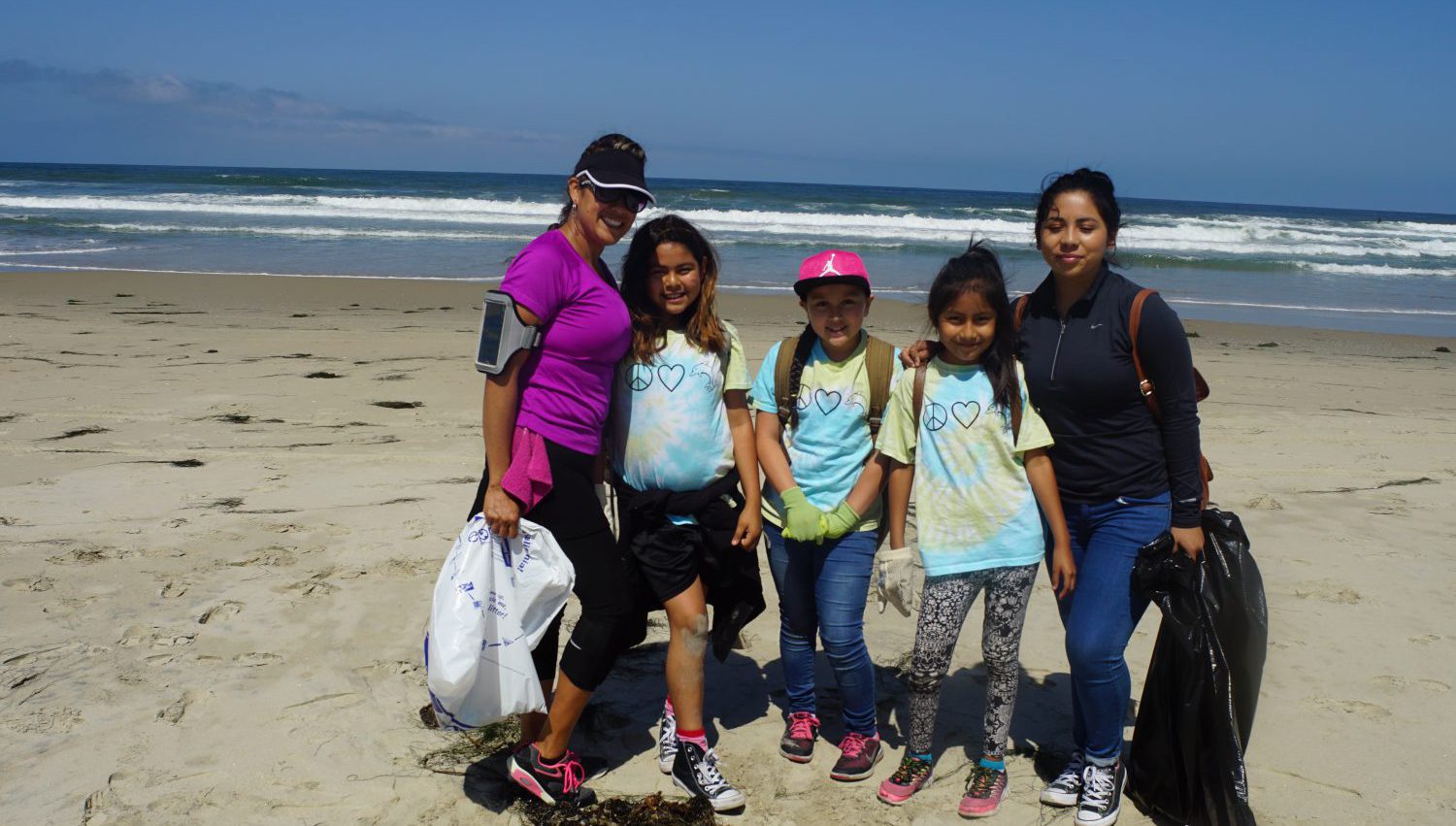
Did you know that the Tijuana River Valley is home to two dozen sensitive species and 340 bird species? With 1,800 acres of diverse habitat, it is a special sight to see! Help us remove trash and harmful waste from this unique and sensitive habitat and prevent trash from reaching the ocean shores!
Join ILACSD and WiLDCOAST on Saturday, September 30th from 9:00 AM – 12:0 0 PM for our Tijuana River Valley Cleanup!
Last year we removed over 6,000 pounds of trash and recyclables from the river valley! Come with us this year for this truly rewarding experience! Help us practice and promote zero-waste practices by bringing your own reusable supplies like buckets, gloves, and water bottles, though we will have extras on hand too!
All volunteers are required to sign a waiver, of which volunteers under the age of 18 will need an additional parent/guardian signature.
Volunteers will meet at Dairy Mart Road Bridge near 2411 Dairy Mart Road, San Diego, CA 92154.
As anyone with kids knows, parenthood isn’t always easy. Add in the decision of leading a zero waste lifestyle and it can seem next to impossible. However, being a zero waste parent is not as far-fetched as it might seem. We’ve tackled a few zero waste parenting ideas in the past. And yes, it can take a bit more effort at first, but the small steps you take now will set your children up for a brighter and cleaner future! With that in mind, let’s get into our next zero waste parenting adventure and head back to school!
Go green with your Back to School routine!
Back to School season instantly conjures up ideas of supply lists and packing school lunches. Those ideas are usually accompanied by images of wasteful wrapping, plastic cutlery and sandwich bags, and a graveyard of old school supplies buried in some closet. With a few quick swaps on your supply list and ditching those single use items, greening up your Back to School routine can be much simpler than you would ever imagine.
Reduce, Reuse, or Repair:
When reviewing your new classroom needs for your kids, our first suggestion when it comes to zero waste habits is to reduce, reuse, or repair first. Is that lunch box from last year still in good condition? Can the scissors from years past be utilized again? If supplies from previous years are still usable, you should definitely reuse them! Make your supplies stand the test of time by opting for more classic designs. If you have simple prints and colors for lunchboxes and backpacks, there is less need to replace them year after year. If you have some broken items previous, try to repair them before you replace!
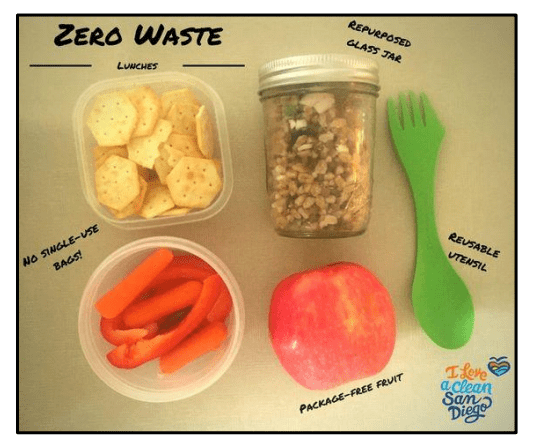
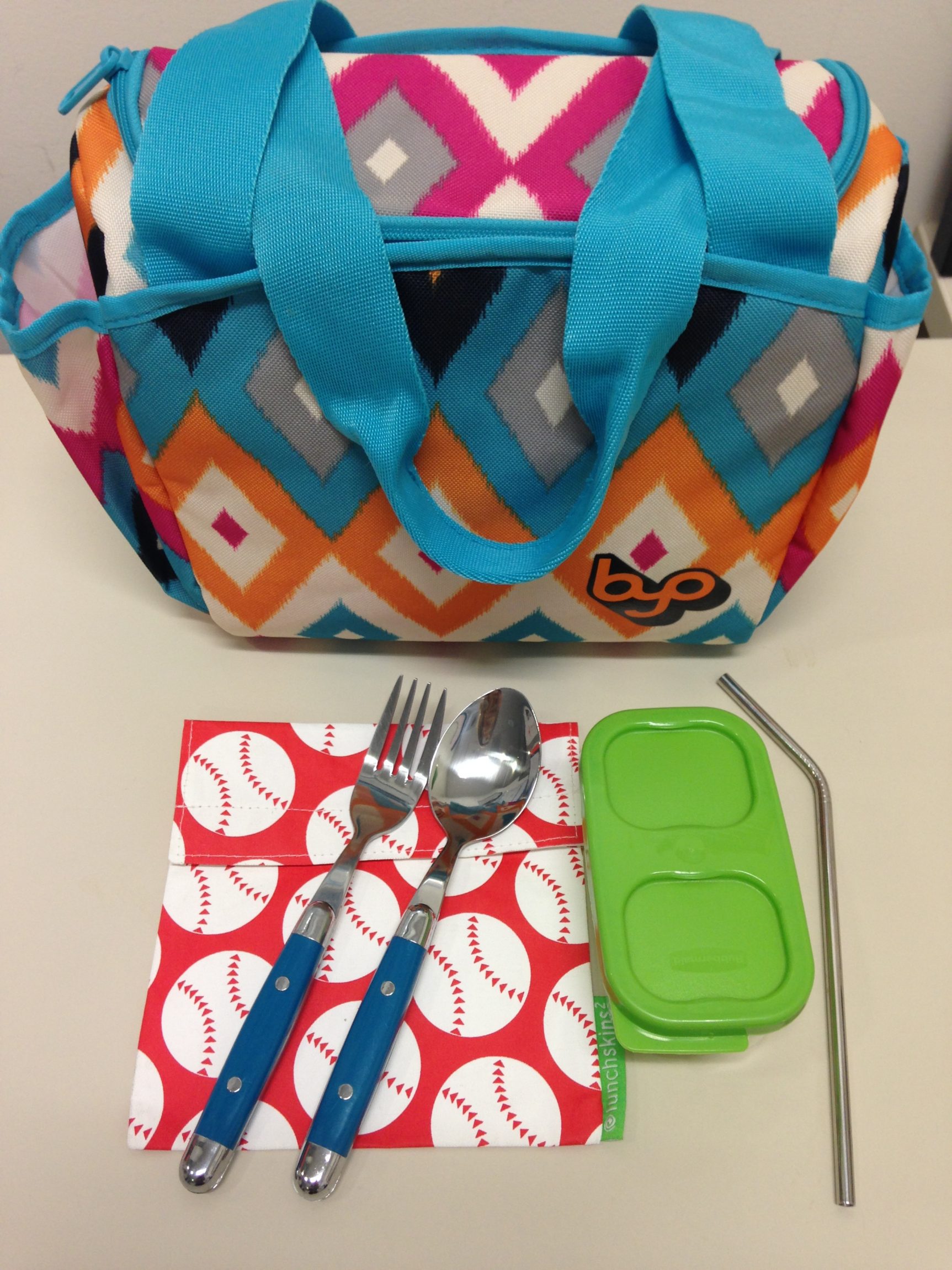
While you may not be able to utilize last year’s supplies every time, there is still the option to invest in reusable supplies going forward. This is especially important when it comes to school lunches. With a few extra minutes a day, you can make every school lunch much more sustainable. Swapping any single use item is a simple rule of thumb – switch from plastic sandwich bags to beeswax wraps or reusable snack bags, opt for a reusable utensil option over plastic cutlery, and ditch your single use plastic water bottles and grab a refillable alternative!
Invest in reusable lunch time alternatives! Don’t forget your reusable lunch bag!
Lunch isn’t the only time you can find sustainable alternatives! Check out the Everlast Rocket Book, a smart notebook that allows you to catalog your notes online. Once you use the notebook, you’re able to upload your notes, effortlessly clean off the book, and reuse the same notebook over and over!
Repurpose, Donate, or Recycle:
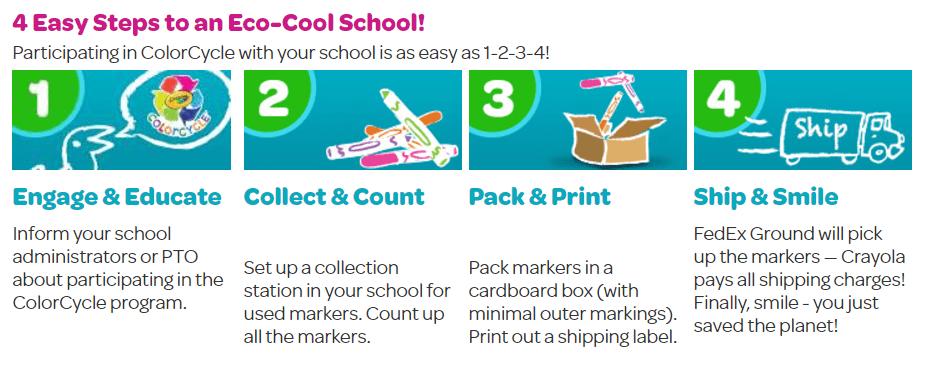
When you’ve exhausted your ability to reduce your single use items, repair broken supplies, and reuse anything you can, our next zero waste step on the list is to repurpose, donate, or recycle. Thrift stores are always a great option for Back to School shopping. There is also ample opportunity to donate and recycle your kids’ old supplies. One of the best parts of going zero waste is finding all of the organizations that are trying to make it as easy as possible. Crayola runs a Colorcycle program collecting and recycling old Crayola markers. Old binders of any brand can be donated to Office Depot for a recycling program they’re running in partnership with TerraCycle. You can also save $2 on a new binder when you donate an old one!
Follow these 4 steps from Crayola’s website to be an Eco-Cool School!
There are plenty of ways to go green even during the Back to School madness. With a little extra time, this whole zero parenting thing isn’t really all that difficult…well, no more difficult than parenting in general.
Leave products in the existing container, if possible. Make sure lids are on tight so containers will not leak. Transport containers in the trunk or in the back of the vehicle away from passengers and pets. Do not transport over 15 gallons or 125 pounds at one time. Containers used for transport must be no larger than a 5-gallon bucket.
Home generated “sharps” including syringes and lancets will be collected during this event. Please transport in closed rigid containers.
HOUSEHOLD HAZARDOUS WASTE INCLUDES:
AEROSOLS
ALL PURPOSE CLEANERS
ANTIFREEZE
AUTO BATTERIES
AUTO FLUIDS
DISINFECTANTS
GASOLINE (w/container)
LIGHTER FLUID
USED OIL/OIL FILTERS
LATEX / OIL-BASED PAINT
PESTICIDES
POOL CHEMICALS
SOLVENTS
EMPTY CONTAINERS: Empty containers can go into the trash or be recycled.
ELECTRONIC WASTE INCLUDES:
COMPUTER/T.V. MONITORS
CELLULAR & CORDLESS PHONES
CENTRAL PROCESSING UNITS (CPUs)
PRINTERS AND SCANNERS
STEREO EQUIPMENT
VCRs AND DVD PLAYERS
FAX MACHINES
MISC. COMPUTER COMPONENTS
FLUORESCENT LIGHT BULBS
COMMON BATTERIES (AA, AAA, C, D, AND BUTTON)
Not Accepted:
Business waste, tires, ammunition, explosive and radioactive material, medications, air conditioners, or large appliances.
Bring in a used oil filter and receive a new one free of charge! Free offer valid only during the event date and time at the following locations.
Locations:
O’Reilly Auto Parts | 1935 Main Street (Highway 67) Ramona, CA 92065 | (760) 789-7109
O’Reilly Auto Parts | 8375 Paradise Valley Road Spring Valley, CA 91977 | (619) 479-0198
O’Reilly Auto Parts | 10050 Campo Road Spring Valley, CA 91977 | (619) 670-5888
O’Reilly Auto Parts | 9732 Winter Gardens Boulevard, Lakeside, CA 92040 | (619) 561-3966
O’Reilly Auto Parts | 812 South Main Street, Fallbrook, CA 92028 | (760) 723-1109
LIMIT 1 FREE FILTER PER PERSON.
LIMIT 5 GALLONS USED OIL PER DAY, PER PERSON.
When I first heard the idea of a “clothing swap,” I was at San Diego Leaders 2020’s Bites & Bigwigs luncheon with I Love A Clean San Diego’s (ILACSD) former Executive Director, Pauline Martinson. Over lunch, she discussed her career, ILACSD’s mission, and ways in which San Diego could reduce its waste. When she mentioned swapping clothes with a group of friends as a way to reduce waste and save money, I was instantly hooked. I had a growing pile of clothes I outgrew mentally and/or physically, and I knew my five best friends from college would give each piece a second life. Right after the lunch was over, I sent a group text to my friends and we planned a clothing swap party for our reunion in the mountains.
The concept of a clothing swap was not entirely new to me. I had rifled through my best friends’ clothing donation piles before they were taken to a charity, and my friends were welcome to any clothes I didn’t wear anymore. But I had never thought about doing one with the entire group as a way to help the environment. It made complete sense.One Green Planet summed up clothing swaps perfectly by saying, “Every piece of new clothing (if not made sustainably) can be the product of countless chemicals, dyes, and the like, all of which can be harmful to the earth, air, groundwater – as well as the people making the clothing and even the people who try it on and then wear it.” This doesn’t even include the significant amount of clothing that winds up in a landfill.
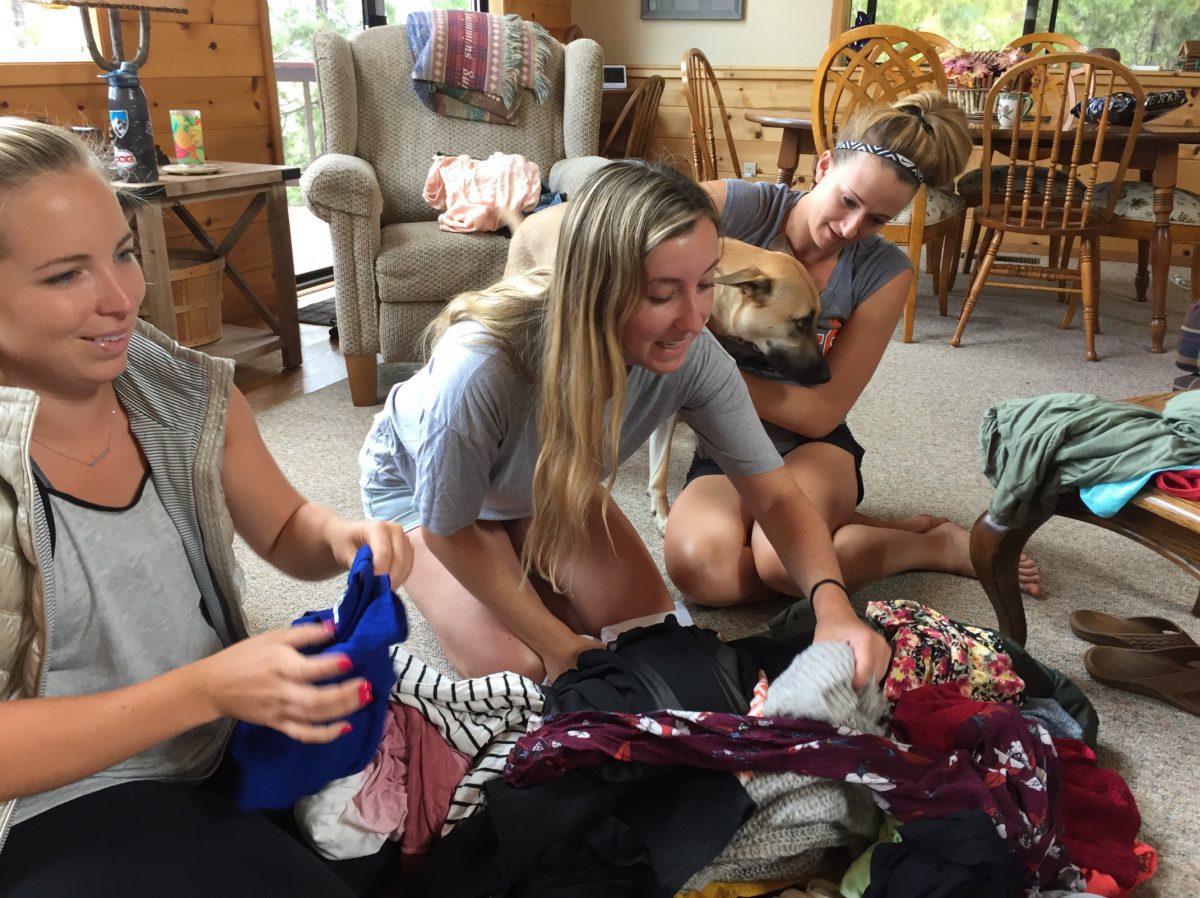
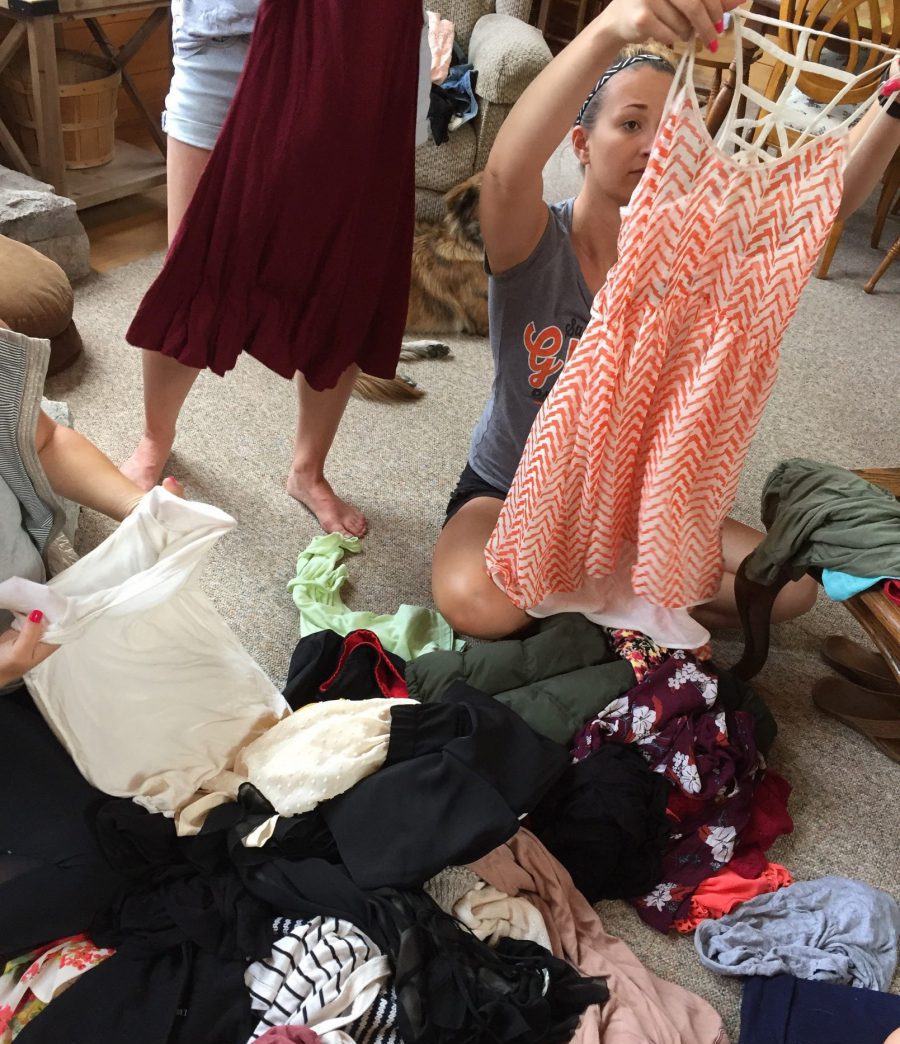
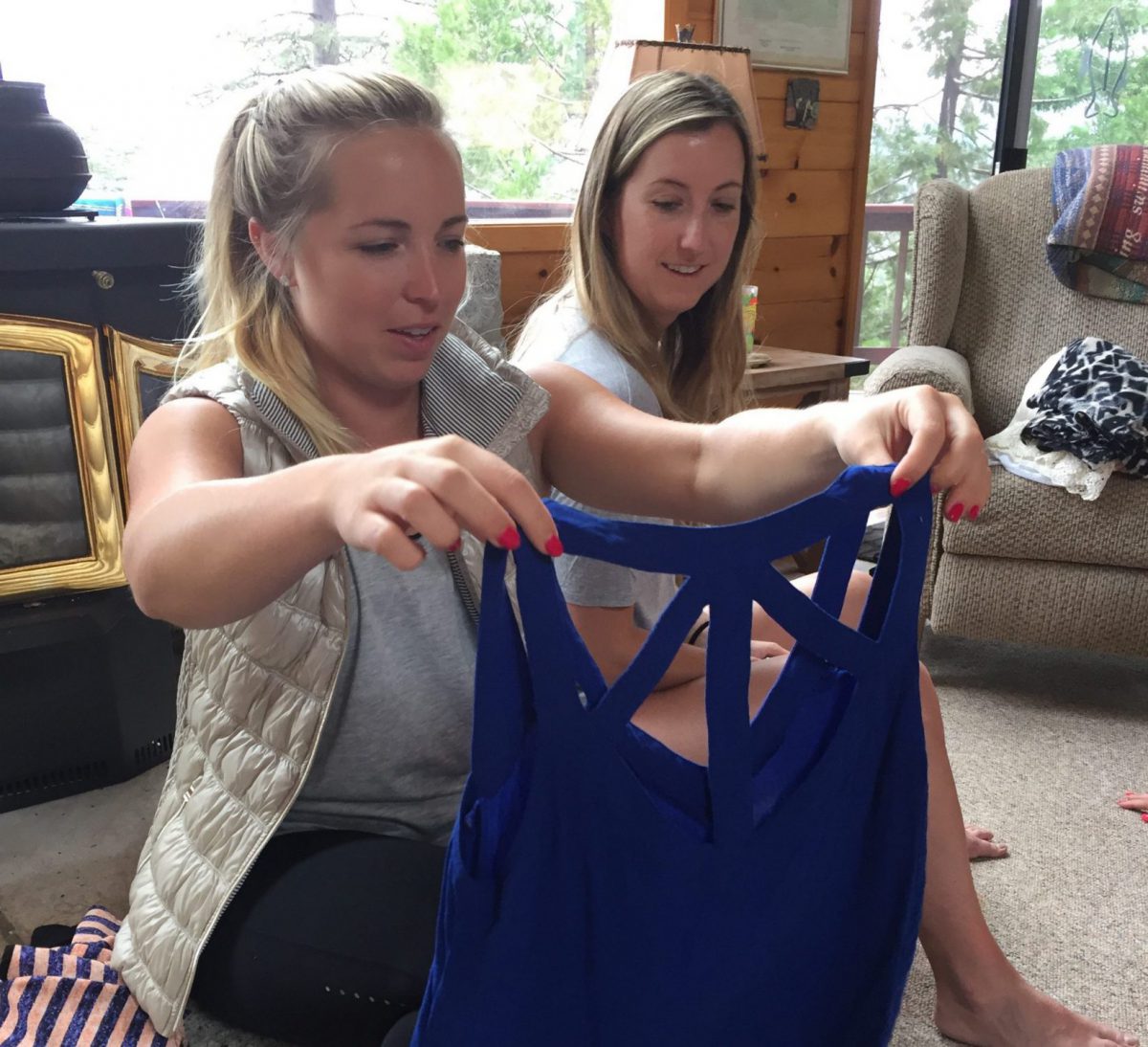
The day of the swap, each of us grabbed our overflowing bags of clothes and sat in a circle. I looked around me and thought about what each girl would bring to the pile. I could count on my friend Ollie for soft basics in neutral colors. Mary works at Nike headquarters so I knew I could get some cute workout clothes if I was quick enough to beat out the other girls. Marissa could be counted upon to provide trendy work clothes. And last but not least, Tristan could provide me with colorful dresses and tanks. We seized each other up and poured out the contents of our bags into the middle of the circle.
From the moment the last article of clothing hit the ground, the girls and I jumped into action. Mary picked up Tristan’s puffy vest, excited to wear it during Portland’s winter. Ollie went straight to my old ripped shorts since her pair recently broke. Tristan quickly grabbed Mary’s Nike running clothes to wear for her half-marathon training. Marissa grabbed a long skirt that was suitable for work. I quickly sifted through the pile and threw anything of interest behind me. I ended up with two workout tanks, one black-and-white striped shirt, one off-the-shoulder white blouse, and a soft pink ombre shirt. I was already planning on purchasing a few of these items, but now I had them for free!
When the mayhem subsided, I looked around the circle and saw how happy everyone seemed. Everyone got several great new pieces of clothing without much bloodshed and our old clothing found a second life with very happy new owners. We went around the room and excitedly shared what each of us picked up.
After we finished our oohing and aahing at the new clothing each of us got, I turned my attention to the leftover pile in the middle. To make sure everyone had seen everything, I held up each abandoned piece before putting in a charity donation pile. These clothes weren’t picked up for various reasons but weren’t loved any less. There was a dress we thought was too short for us tall people, a pair of jeans that didn’t fit any of us anymore, and random items that we already had in our closets. We donated this pile to charity for others to enjoy.
Here were my key takeaways…
The clothing swap was a lot of fun for everyone.
I love clothes.
I love the word “free.”
It warmed my heart to see perfectly good clothing go to someone new.
My bank account is sure happy about this.
The environment is sure happy about this.
Have the girls and I already planned another one of these for our winter reunion? Yes, we have!
This post was authored by guest contributor, Lia Bruce. Lia is a San Diego native and formerly the Communications Coordinator for Climate Education Partners, housed at the University of San Diego. She enjoys painting, hiking, singing in a community choir, traveling, and searching for the best burger.
End your summer on a good note and join ILACSD and the San Diego County Parks and Recreation for a cleanup at Sweetwater Regional Park on Saturday, September 2nd from 9:00 AM – 12:00 PM!
Join us in our efforts to keep our watersheds clean this year and prevent trash and debris from traveling through our watersheds and reaching the ocean! Volunteers will meet at 3260 Conduit Road, Bonita, CA 91902.
Practice with us a zero waste lifestyle by bringing your own reusable items such as a bucket, work gloves, and reusable water bottle!
All volunteers must sign a waiver form in order to participate. Any volunteer under the age of 18 needs a parent or guardian signature as well.
Did you know that 80% of coastal debris stems from inland sources? Explore and protect San Diego’s canyons and waterways at I Love A Clean San Diego’s Clean Canyons for a Clean Coast Cleanup at Adobe Falls! Hosted in partnership with the California Coastal Commission’s Adopt-A-Beach Program, this cleanup will help remove litter and debris from entering our oceans by collecting it at an inland location. With your help, we can eliminate trash and waste before they pollute our ocean and help protect and preserve Adobe Falls’ natural state!
Please note, this event is not suitable for children. ILACSD suggests volunteers for this event are 15 years old and up. The cleanup location is in a riverbed surrounded by dense trees and shrubbery, is accessed by a steep hill, and does not have established paths. Come prepared to get your hands dirty and explore a hidden treasure!
Volunteers will meet at the gate on 5767 Adobe Falls Road, San Diego, CA 92120.
We will have cleanup supplies, snacks, and water. We also provide community service hours and Letters of Appreciation for volunteers. This is a great opportunity for students and families to learn ways to protect our local environment!
We encourage volunteers to bring their own reusable items such as water bottles, work gloves, and buckets to promote zero waste practices. This helps us in our mission to have a zero waste, litter free and environmentally engaged San Diego region!
All volunteers are required to fill out a waiver form to participate. Anyone under the age of 18 needs a waiver signed by their parent or guardian.
The idea of zero waste can seem overwhelming to many, and sometimes just convincing family and kids to pitch in can be enough to stop the most eager zero-waster in their tracks. We’re here to offer some tips and suggestions for getting the whole family on board for practicing (and enjoying) a zero waste life!
Grocery Shopping for the Family:
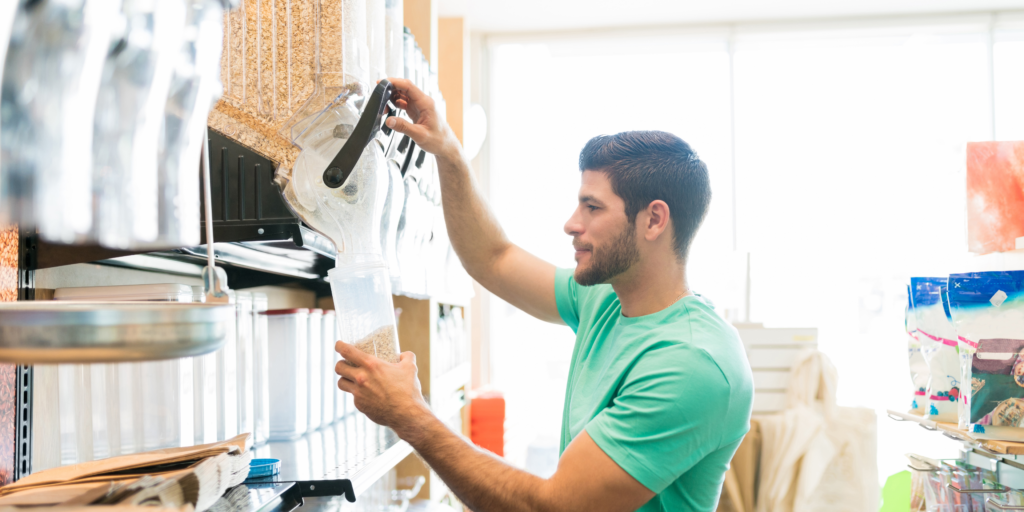
The key to embracing a zero waste lifestyle at home is as simple as preferring reusable items to disposables. The best place to start is at the store. Grocery stores are full of food that comes prepackaged in disposable wrappers and containers. Most of this packaging, including plastic produce and grocery bags, are considered “soft plastics” and cannot be recycled with other materials. By shopping in bulk and using reusable bags and jars, you are preventing this waste from entering your home in the first place. When you’re done shopping, try making a dish from scratch from the foods you bought and packing lunches for school and work with reusable containers and utensils.
Avoid disposable prepackaged foods. Pack your kid’s lunch with reusable items instead!
Toys, Clothes, and Everything Else that Ends Up on the Floor:
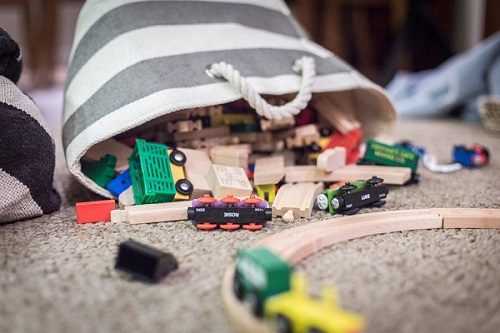
On the topic of shopping, a big culprit of waste can be compulsive buys- things we want in the moment but get minimal use out of before tossing them. This could be anything from clothing to toys to food. To prevent this, buy only what you need or know you are going to use. Yes, this includes all the toys and games your kids probably ask for. It may be tough at first, but encourage your kids to value and take care of what they have (this is a tough one, but we believe in you). When you do need something, use second-hand stores as your first stop to look. Similarly, instead of throwing away good items you no longer need or want, consider giving them a new life through donation.
Buy your toys second hand. When you’re done with them, donate them instead of tossing them!
Cleaning Up that Neverending Mess:
Anyone with children (and without) knows that messes are bound to happen, but they don’t have to set you back on your zero waste journey. To clean up spills or wash surfaces, opt for reusable cloths and DIY cleaning products instead of paper towels and store-bought chemical cleaners. Most DIY household cleaners only require a few ingredients, and chances are you already have most of them lying around! For example, an effective all-purpose cleaner can be made with white vinegar, baking soda, water, and essential oils.
Fill the Calendar with Zero Waste Family Fun:
It’s important to note that zero waste doesn’t have to be all about the stuff you have; it can also be about the things you do! A great way to get the whole family engaged is to have fun doing activities that let you spend time together without creating trash. Some options include visiting a park or beach, checking some books or movies out from the library, exploring a museum or aquarium, riding bikes, crafting using upcycled materials, and, of course, participating in an ILACSD cleanup! San Diego has an endless supply of places to explore, and by living zero waste you and your family can enjoy them while knowing that you are doing your part in keeping them clean and beautiful!
Participate in zero waste activities as a family. Join ILACSD for a cleanup and enjoy the outdoors while improving it!
Don’t forget, zero waste is a journey. You don’t get kicked out of the club if you slip up or struggle. With a family, this journey does take a little more effort, but your efforts will pay off for your kids. By following even a few of these tips, you’re helping leave the world much better off for your children (and eventually their children) to enjoy!
This article was authored by our Education Specialist, Alaine!
When it comes to going zero waste, composting often seems to be one the most intimidating step to take. Yes, composting definitely requires more time up front compared to swapping out single-use items for reusable options, but the process is not nearly as time consuming or scary as you might imagine. To help ease any fears that might still have you feeling hesitant, some of the ILACSD team is giving you a look into their own experiences with composting for the first time!
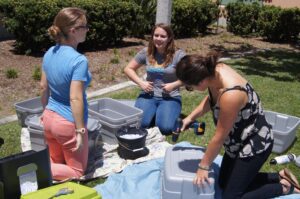
Emily showing Lauren and Moriah how to make their own vermicomposting bin!
But let’s get started with a review of some basics when it comes to composting. Composting is the process of converting food scraps and yard waste into compost, an organic, nutrient-rich alternative to fertilizer in your garden or your potted plants. According to the Center for Sustainable Energy’s Equinox Project, organic waste makes up one-third of the waste in San Diego’s landfills. By composting, we can divert organic waste from landfills where it can release methane, a potent greenhouse gas.
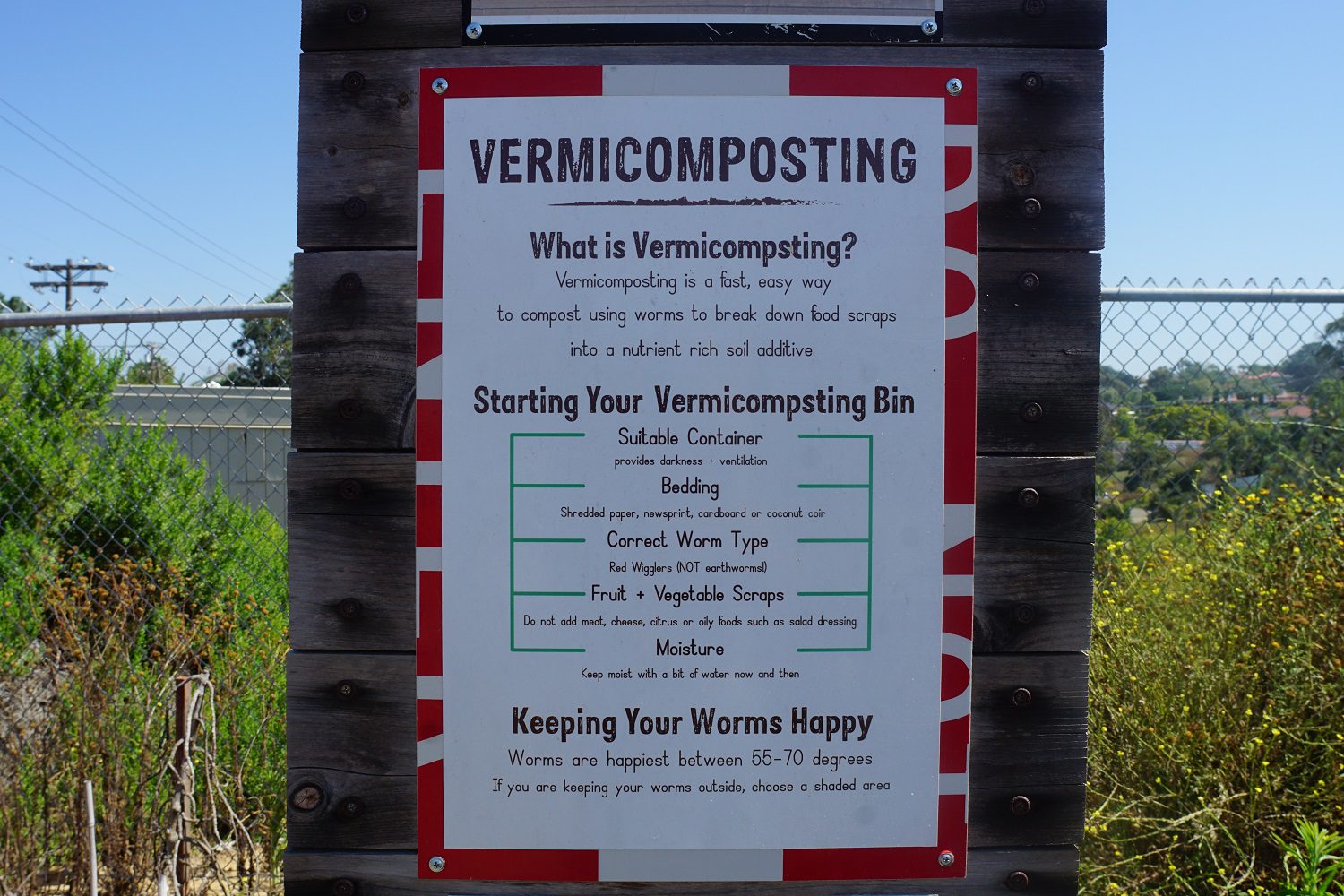
In the I Love A Clean San Diego office, we have multiple team members who collect food waste to be brought back to their composting bins. This past June, Moriah and Lauren made their vermicomposting bins and began their own composting journeys! With a few simple tools, we enjoyed time in the sun making the bins and learning all the details of vermicomposting!
Both Moriah and Lauren have been using their vermicomposting bins about a month now. With that experience under their belt, we checked back in to see how the process has been going. Lauren explained, “I have to say it’s intimidating to have another thing to take care of in my household, but the simplicity and beauty of this natural process are what astonishes me the most, day after day.” Moriah shared how having Emily – our Education Manager and composting expert – in our office as a resource impacted her experience:
“Having Emily as a resource has been super helpful. She has even responded to Snapchats I’ve sent to her of the bin to let me know if it looks like it is healthy and thriving. Emily’s help and the resources in our office have led to a pretty healthy bin. The worms are breeding and eating everything much quicker than I expected!”
Worms for the vermicomposting bins!
With a flourishing, healthy bin, Moriah has been able to show off her composting skills with her friends and family. By passing along her knowledge and story, she is creating a community she can be a resource for when it comes to vermicomposting.
“Whenever I have people over, I get to be the “worm girl,” showing off the bin and talking about how easy it has been to set up. They are always amazed that it doesn’t smell, that it’s small, and by all the things the worms eat. When we hosted a 4th of July party, people had fun (I think) digging in the bin to give the worms their watermelon rinds. Friends have even given me their rotten vegetables to put in the bin, saving those from going to the landfill.”
Composting does not have to be the unbeatable zero waste giant some imagine it to be. Finding your community, ask questions, and just taking the first step is really all it takes! So why wait? Start your own composting journey today!
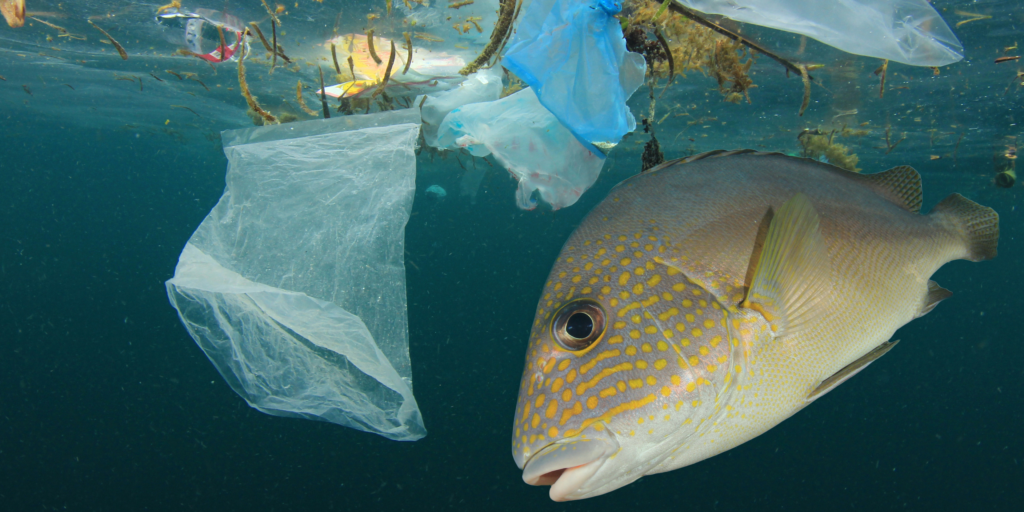
Plastic is ubiquitous, and sadly, it does not biodegrade. Instead, it goes through a process called photodegradation, which means the sun’s UV light actually breaks down the plastic into smaller and smaller pieces until it is so incredibly tiny we can hardly see it. Microplastics and the chemicals and toxins that it takes to create plastic, will regrettably, be in the environment forever.
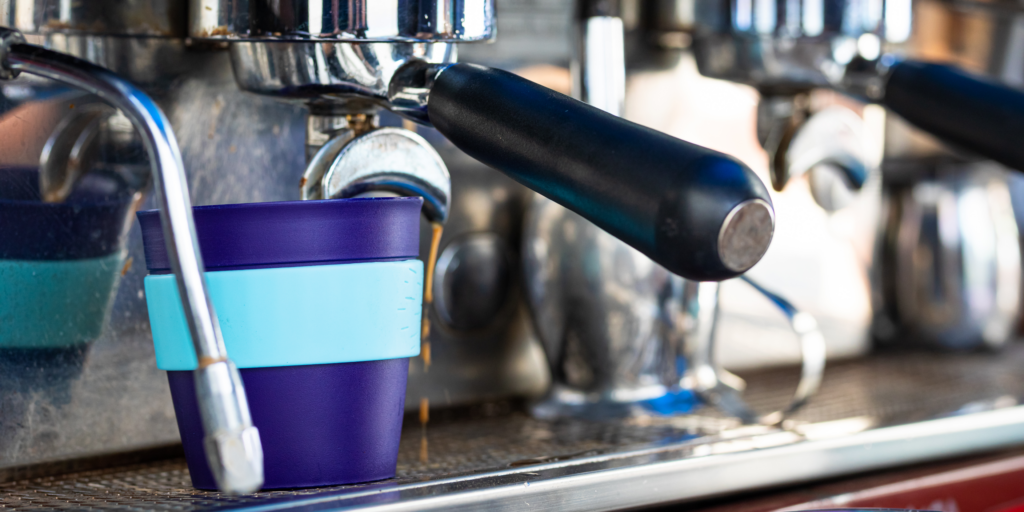
Some main sources of plastic pollution are straws. The history of straws is built mostly on convenience and are not recyclable. It’s easy to say no to straws, simply ask your server or local barista to go sans straw. It might be intimidating the first few tries, but with enough practice and exposure, it will become second nature to ask for a drink without a straw. If you can’t go without a straw, grab yourself a reusable straw for when you are on the go. Stainless steel straws are always a great reusable option.
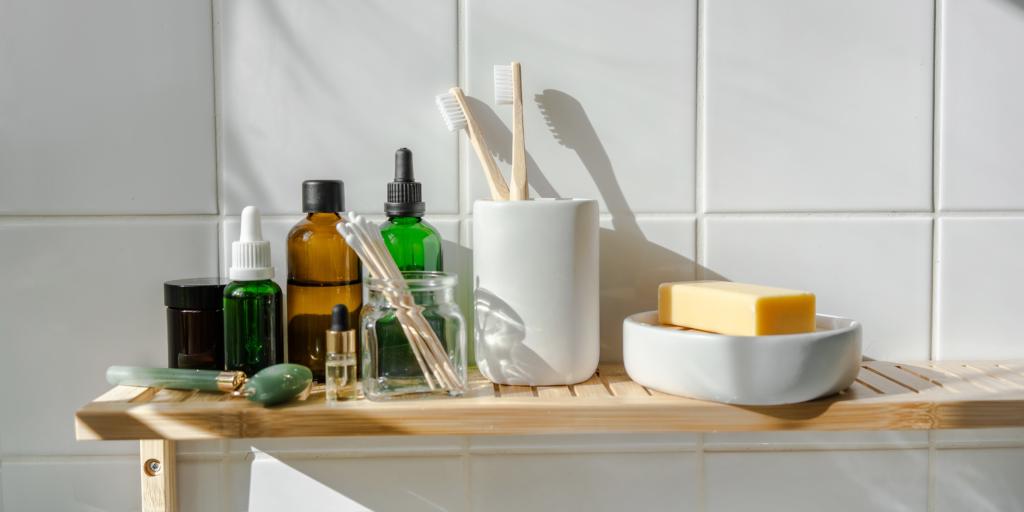
Next, swap out your traditional toothbrush for a bamboo handle toothbrush. Instead of heading to a landfill like a traditional toothbrush, bamboo toothbrushes are biodegradable, but remember to remove the bristles from the handle before you toss it into a compost bin. Alternatively, you can purchase toothbrushes that are made from recycled plastic, one of the more well-known brushes is created from recycled yogurt cups!
Another great area to reduce your plastic consumption is in hygiene products. From toiletries, to dish soap, to laundry detergent, and cleaning supplies, they practically all come in plastic packaging. Rethinking the way you purchase these products will drastically reduce your plastic footprint. Purchase bar soaps for the shower and specialized bar soap for the kitchen sink. Make your own chemical free cleaner and house it in an old jam jar. Craft your own 3 ingredient toothpaste. Purchase powder laundry soap that comes in a cardboard box. Choose to implement just one of these and you are on your way to a plastic free mentality!
Next, buy fresh, smart, and in bulk. When you purchase fresh food, it normally doesn’t come in packaging. Instead of reaching for the conveniently packaged and peeled baby carrots, grab a handful of loose large carrots instead. In the mood for trail mix? Instead of purchasing plastic bagged fruits and nuts, search for a grocery store near you that offers trail mix by the pound in a bulk section, and bring your own glass jars to fill it up! Stores like Sprouts, the Ocean Beach People’s Food Co-Op, and The Mighty Bin are always stocked up with tasty options!
So there you have it, a little inspiration to jump start your journey to going plastic free! For more resources on waste management and disposal, check out our free online database, WastefreeSD.org or call our hotline at 1-800-237-BLUE (Incorporated Residents) or 1-877-R-1-EARTH (Unincorporated Residents).
Don’t worry if you can’t give up all plastic cold turkey. Ease into it, every simple swap or small step helps preserve our shared environment! Decide to make a couple personal lifestyle adjustments and other plastic free alternatives will flow into your routine naturally!