Zero Waste Gift Ideas

Gifting a zero-waste gift is easier than you think! We’ve compiled and tested out some great strategies for zero-waste gift-giving to make your spirits bright while incorporating zero-waste habits.

Wrapping

Cute wrapping paper and fancy bows are often all too tempting at the store. However, going more sustainable with your wrapping can help you personalize your gifts and save money. These are just a few alternative materials that you can use during the holidays to replace single-use wrapping:

  • Fabric Scraps. For smaller gifts, use fabric scraps from an old sewing project like t-shirts, tablecloths, sheets, or curtains, and turn them into something useful. All you need to do is simply cut a square piece, gather it at the top of the box and tie it together.
  • Newspaper. Newspapers make wonderful wrapping paper. Comic pages are especially fun for kids (and adults)!
  • Paper bags (for those times you forget your reusable grocery bags). Many people reuse their paper bags as book covers or trash bags but they also make for great gift-wrapping material. You can get creative and draw on them for an added look!
  • Reusable bags. Utilize a reusable bag to wrap your gift. Many reusable bags are sold at grocery stores or thrift stores. Wrapping only lasts a few days but reusable bags can last a lifetime!
  • Cloth, scarf, or handkerchief. Wrap your gift in a vintage handkerchief, cloth napkin, or scarf for two gifts in one!
  • Reused gift bags or gift wrap. Keep all gift bags you receive and reuse them when needed!
  • Or just skip the wrapping! What matters is on the inside, right? 😉 

Be sure to decorate and personalize your gifts once they’re wrapped. Use twine instead of bows and make your own cards or tags out of scratch paper, old tags, scraps, or business cards. You can even add leaves and pine cones that you pick up on your walks!

For more zero-waste gift wrap ideas, check out our past blog on Sustainable Gift Wrap Solutions.

 

Zero Waste Gift Ideas

There are many directions you can go to incorporate zero-waste practices into your gift-giving and bring even more meaning to your gifts. In general, look for gifts with minimal or no packaging and figure out what your family and friends really want and need. Sometimes the best zero-waste gift is the one that the recipient will enjoy for years to come!

  • Eco-friendly items. Help friends and family be more sustainable with gifts like reusable cups, stainless steel straws, or travel utensil sets.
  • Shop local. Buy locally roasted coffee, find unique gifts at farmers’ markets and support local boutiques. Often, local companies are more sustainable with packaging and materials.
  • Purchase repurposed items such as glass cups made from beer bottles.
  • Shop at thrift or second-hand stores. Games, books, and kitchen items are great categories to find secondhand to prevent consumer waste and save some money.
  • Support a nonprofit. Give a gift to an organization making a difference in your community on behalf of a friend or family member.
  • Make DIY Gifts such as beeswax candles, bird feeders, scarves, or make your own handmade soap.
  • Invest in an experience. Purchase a cooking lesson, schedule a tour pass to discover a new part of San Diego, or book tickets for a theater show. Giving the gift of an experience can also be a great way to share time together!
  • Share your Favorite Food. Share your latest baking creation! Make cake pops, truffles, or gummy bears. Be sure to think of zero-waste-friendly packaging options such as cloth napkins, beeswax saran wrap, Mason jars, or reusable tins.
  • Buy a membership. Art lover? Give them a museum membership. Surfer? Purchase a membership for an organization like Surfrider Foundation. Foodie? Get a membership that supports an organization AND gives discounts to local restaurants like Slow Food Urban San Diego.

The best gifts are always the ones well thought out. Although the holidays are challenging to be zero waste, it gives an extra push to get creative and find environmentally friendly items that will truly be used by the person receiving the gift. We hope you consider these zero-waste practices when finding gifts for your special ones this holiday.


Zero Waste Thanksgiving

Zero Waste Thanksgiving

Thanksgiving is a time for family, being grateful, and… lots of food! If you are starting to plan your Thanksgiving meals for the holiday, consider these zero-waste tips to keep our landfills from getting stuffed!

Buy Local

Visit your local farmer’s market or grocery store instead of big chain supermarkets to buy the produce and poultry you need for your Thanksgiving meal. This not only reduces your carbon footprint but supports local farmers and agriculture. The money you spend will be put back into the local economy and used to invest in better farming equipment and practices, resulting in better yield and fresher foods.

Buy in Bulk

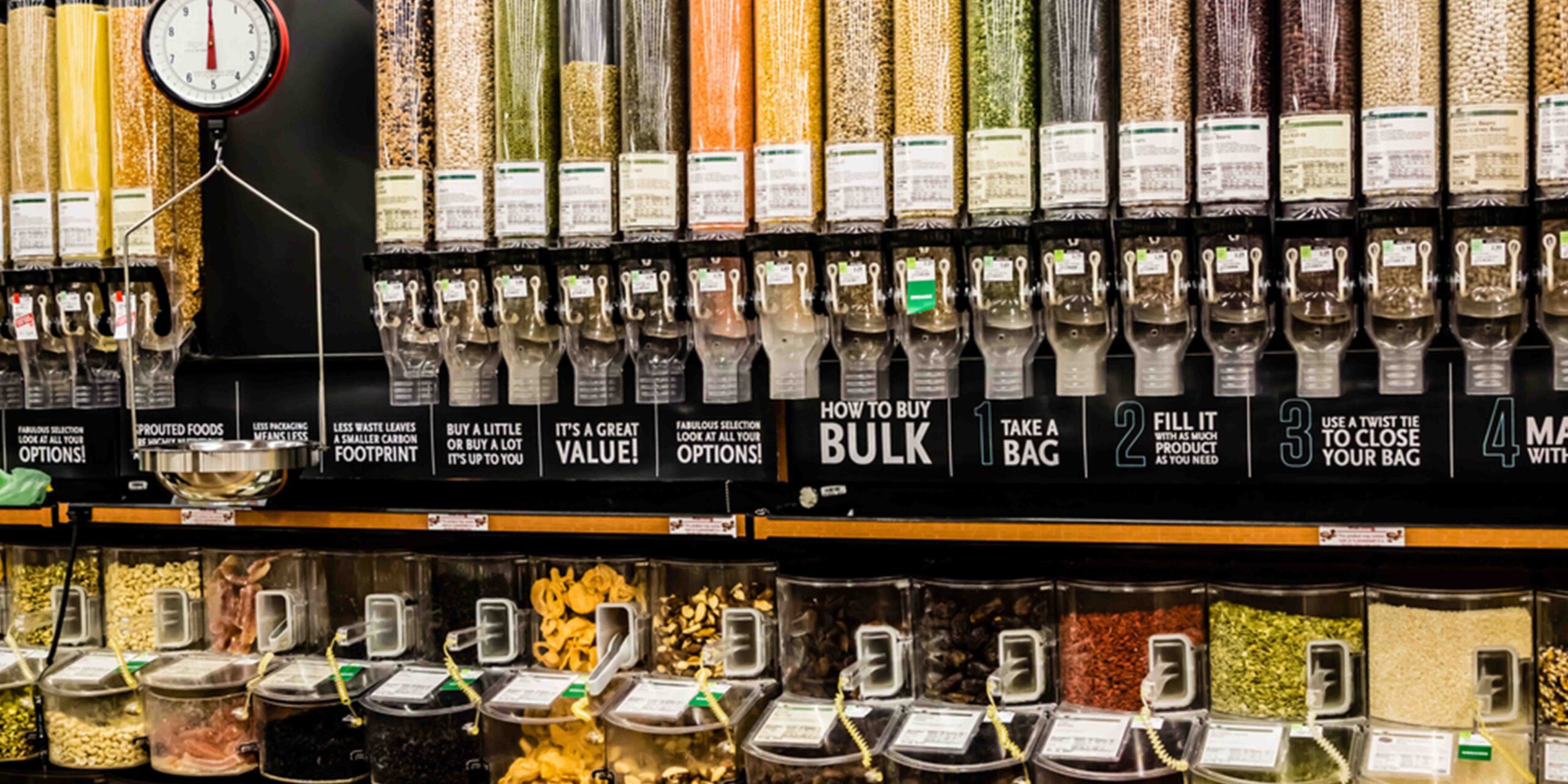
Consider bulk buying some of your products to reduce plastic packaging and save some money! Bulk buying doesn’t mean you need to buy family-sized bags of produce, you can just bring your own containers to designated stores and fill them based on your needs. For Thanksgiving, items to bulk buy include rice, potatoes, pasta, honey, spices, herbs, and vegetables. Check out this resource on How to Bulk Buy for more tips or type in “refill stores” on wastefreesd.org to find a bulk store near you! 

Dinnerware

Avoid using single-use plastic. Instead, use plates, bowls, and cutlery already at home. If you don’t have enough, ask a friend or family member to bring their own. For larger parties, consider purchasing compostable dinnerware made from natural plant-based materials, which are biodegradable and a more sustainable option.

Make Turkey Broth

Did you know that turkey broth is beneficial for the bones and digestive system, and contains nutrients in the form of vitamins and minerals essential to the body? Instead of throwing out the carcass and innards as you would normally, add them all into a large pot along with some onions, carrots, and celery, then cover everything with water and let it simmer for 4-6 hours. You can also find other recipes and ideas here on how to use the entire turkey and not waste a single part.

Leftovers

No matter how carefully you plan, you’re bound to have some leftovers. Make sure you make space in the fridge beforehand and use a vacuum sealer so the food stays fresher for longer periods of time. You can also use leftovers to make new recipes such as Thanksgiving leftover casserole using mashed potatoes, stuffing, cranberry sauce, and stuffing. Discover more delicious recipes here.

We hope you have a wonderful Thanksgiving holiday and are able to put into practice at least some of our Zero Waste Thanksgiving tips! For tips and tricks on sustainability visit our blog at WasteFreeSD 

4 Steps to Zero Waste Pumpkin Carving

4 Steps to a Zero Waste Pumpkin Carving For Halloween

Carving pumpkins for Halloween? With all of the goodness that usually gets tossed into the trash during this holiday activity, learn how to make this tradition more sustainable. Check out these 4 steps to make your carving completely zero waste this year!

But First! Cut Your Pumpkin

Start with a sharp knife, metal spoon, and two bowls – one for flesh and one for seeds. Cut open the pumpkin by carving a circle into the top (or bottom) of the pumpkin.

Scoop out seeds & strings (aka “guts”) into one bowl, and then for the other bowl use a strong spoon to scrape the walls for the “flesh” that can be used to make pie! 

Then, carve your design as desired!


1. Roast the Pumpkin Seeds for a Tasty Snack

Ingredients: Raw Seeds, Water, Olive Oil or Butter, Salt

  • Rinse seeds & separate guts
  • Preheat oven to 400°F
  • Coat bottom of baking pan with olive oil or butter
  • Spread seeds on a pan and in a single layer – toss them to coat with the oil & add salt (can also add chili flakes or other seasoning!)
  • Bake on the top rack until seeds begin to brown, ~ 20 minutes. When lightly browned, remove & let cool.

Store in a jar and use as a snack or an addition to soups, salads, granola bars, oatmeal bowls and more!

2. Make Some Purée!

  • Bring water to boil in bottom of steamer or in a pan
  • Remove skin from pumpkin meat & slice into similarly sized chunks
  • Place chunks in a steamer (or metal colander in pan with lid on) for approx. 50 minutes or until soft & mushy
  • Squash with fork or potato masher to make purée, or use a blender

Leave to cool and use it for other recipes like pie, face masks, or soup! Freeze leftovers for later use.

3. Revitalize your skin with a DIY pumpkin face mask.

Nourish your skin and use the extra remains of pumpkin puree to make a face mask at home!  For an exfoliating facial scrub mix ½ cup of pumpkin purée with 1 tbsp of organic honey and ½ of finely ground oatmeal. For a quick and vitamin-C filled face mask, mix 1 tbsp.of pumpkin puree and 1 tsp. of plain yogurt. For more inspiration, try one of the face mask recipes from Hello Glow.

4.  Repurpose carved pumpkins and turn them into bird feeders!

Cut your carved pumpkins in half and fill the bottom with bird seed. Then, watch as feathered friends flock to your yard! Afterwards, be sure to compost the remainder. Just don’t forget to scrape off any wax from the pumpkin so it doesn’t get eaten!

After you’ve used up all the pumpkin that you can, take a moment to be proud of yourself and appreciate your ability to use up every part of the pumpkin! Be sure to share your knowledge with your friends, family, and neighbors! Happy Halloween!

Want to find the nearest location where you can compost your pumpkins and any other organic food waste? Visit our website www.wastefreesd.org and find the closest recycling, repair, donation or disposal centers near you!

4 Ways to Eliminate Textile Waste

According to the County of San Diego, Americans generated 32 billion pounds of textile discards in 2015. Textiles make up around 6% of all municipal solid waste generated in the U.S. Tossing textiles in the trash unnecessarily fills our local landfills and wastes the resources that went into making them including vast amounts of water, energy, land and other resources.

What is a textile? Textiles can be items of clothing, homegoods, or fabrics that are made from woven material or fibers.

1. REDUCE – Become a minimalist

  • Reduce your consumption of textiles, new clothes, and accessories by reducing what you purchase! The less we purchase the less we have to manage as waste at the end of that product’s useful life. Read more about the benefits of becoming a minimalist here
  • Check out this practical guide to owning fewer clothes

2. REPAIR – Repair as much as possible

  • Did your favorite shirt loose a button? Consider learning how to sew a button back onto that top rather than buying a new piece of clothing to replace it
  • Not sure how to mend, sew, or repair textiles? Visit one of I Love a Clean San Diego’s upcoming FIX-IT! Repair & Reuse Workshops

3. REUSE – Upcycle, Thrift, or Swap

4. RECYCLE – Donating can lead to recycling

  • Turn all your hangers in your closet backwards. When you wear something, turn the hanger the correct way. After a year, if anything is still hanging backwards, donate it. Donate to a local organization and support a cause; search “Textiles/Clothing” on WasteFreeSD.org for locations
  • If your item of clothing is unusable, consider sending them to a textile-recycling program
  • Check out this donation bin field guide to learn the difference between a donation bin versus a for-profit bin
  • Some retailers will recycle for you H&M, Patagonia, Nike, Madewell, The North Face, Levi’s + more!

Visit WasteFreeSD.org to learn more about reduce, reuse, recycling centers, events, and resources in your area.

What to do with all those old batteries?

Keep Batteries Out of Bins!

Batteries and products that contain batteries cannot be disposed of in trash or recycling bins. Batteries that enter are waste stream pose a significant safety threat because they are responsible for rising occurrences of fires and environmental contamination. 

Batteries are considered as hazardous wastes under the category of universal wastes in California because of the materials they are made from. Acids, lead, nickel, lithium and mercury to name a few are dangerous and toxic. When batteries are subjected to the heat, pressure, an machinery of a garbage or recycling truck or become punctured or pierced by waste sorting machinery, they can spark and ignite a fire. 

Additionally, the dangerous and toxic components of batteries will leach into the environment when not disposed of properly. This not only contaminates the soil and water systems, but have the potential to affect our health and well-being through accumulation in wildlife and the food we eat.

TYPES OF BATTERIES 

AAA, AA, C, D, button cell, 9-volt, rechargeable batteries, single batteries, car batteries, motorcycle batteries, scooter batteries, e-cigarette and vape batteries.

RECYCLING BATTERIES

Battery Recycling is becoming increasingly more safe, convenient and accessible. On September 19, 2022, Governor Gavin Newsom signed into law the Responsible Battery Recycle Act of 2022 and Electronic Waste Recycling Act of 2003: covered battery-embedded products. When in effect, these two laws will increase the number of battery collection sites throughout California. 

Here’s where you can recycle batteries in San Diego: 

  • Libraries: 14 county libraries in San Diego accept standard alkaline batteries, drop them off in the drop-off bin inside
  • O’Reilly’s Auto Parts Store: Most O’Reilly’s recycle household batteries as well as lead acid automotive batteries. Remember to call before you go to make sure your local O’Reilly’s are accepting batteries for recycling
  • Many electronic stores in San Diego can take batteries for recycling. Visit WasteFreeSD.org to find a store near you
  • Household Hazardous Waste Facilities: Hazardous waste facilities accept all types of batteries. Always bring damaged batteries to HHW facilities. Visit WasteFreeSD.org to find out which facility you can go to
  • The Big Green Box: An easy and convenient 3-step process to dispose of all types of batteries (excluding automotive batteries) – purchase a box, fill the box, ship the box. The company Retriev Technologies then uses a diverse array of technologies to ensure each battery component is recovered in the most environmentally sound way possible
  • Battery Solutions: Similar to The Big Green Box – purchase a box, fill the box, ship the box. They offer different container sizes to suit the needs of not only regular households but industries as well

TO FIND A BATTERY COLLECTION SITE NEAR YOU, VISIT WasteFreeSD.Org

BATTERY STORAGE 

  • Store household batteries in their original packaging so they are out of contact with other batteries. 
  • Make sure the batteries are stored with all the positive ends facing the same direction. 
  • Avoid storing batteries with metal objects because contact can cause batteries to short circuit and lead to leakage. 
  • Do not ever mix damaged batteries with other batteries. This again could result in short circuiting and cause fires or worse explosions. 
  • If batteries are leaking, handle them with care by wearing gloves, then place them in a clear plastic bag to be transported to your local hazardous waste collection facility. 
  • For  extra step safety, you could place the bag in non-flammable material such as sand or kitty litter.

Gleaning in San Diego

40% of what we discard in our landfills is organic waste including green waste from our gardens and wasted food and kitchen scraps. Food is wasted and discarded of in large quantities, and yet 1 in 3 people in San Diego County is nutrition insecure (1). Food insecurity in San Diego county has been exacerbated by the COVID-19 pandemic leading to 28% of San Diegan experiencing food insecurity were newly nutrition insecure and 72% were already facing challenges prior to the pandemic (1).

Many people are unfamiliar with gleaning, but it has actually existed as a form of community aide for more than 2,000 years. Gleaning is defined gathering leftover grain or produce after a harvest. Since the 18th century, gleaning was an essential part of food security for community members in need. In the present day, it is now used as a food waste recovery practice in order to prevent crops and produce from rotting in fields or going to waste.

Whether it is donating your excess produce for picking or volunteering as a gleaner, there are many gleaning organizations that you can join in San Diego in order to contribute towards food sustainability and increased food security. See below for a list of gleaning organizations, you can also find more information on WasteFreeSD.org!

Backyard Produce Project
A community-driven initiative focused on increasing access to fresh, nutritious produce for low-income families and seniors. The organization accomplishes this in two key ways: by collecting surplus fruits and vegetables from residential gardens, and by operating its own organic vegetable garden, where all produce is grown specifically for donation.

Harvest San Diego
A local food program that connects fruit tree owners in central San Diego with volunteer gleaners and donate the produce to those in need.

Produce Good
Produce Good is a non-profit organization that was created to finding sustainable solutions to alleviate hunger and repurpose waste. Its flagship program is CropSwap, where i t provides different types of backyard and small farm harvesting activities for people to participate in. Examples include Big Picks, Quick Picks, First Pick and Bumper Crop Small Farm Harvesting.

Senior Gleaners
Senior gleaners are volunteers above the age of 55 who harvest excess food from fields, backyards and stores. They then donate the food to local agencies that feed the hungry and poor
if you see a need in your neighborhood and want to take action or want to learn more about gleaning check out the USDA’s toolkit to help.

International Coastal Cleanup Day 2022: San Diego County’s Largest Environmental Cleanup Returns In-Person on September 17

International Coastal Cleanup Day 2022: San Diego County’s Largest Environmental Cleanup Returns In-Person on September 17

Online volunteer registration with cleanup sites across the county opens September 1, 2022 at CleanupDay.org.  

SAN DIEGO COUNTY (September 1, 2022) – International Coastal Cleanup Day returns to San Diego County for its 38th edition on Saturday, September 17, 2022. I Love A Clean San Diego (ILACSD) is the San Diego host for the international coastal cleanup and will be joining many U.S. states, territories, and more than 90 countries across the world. From 9 a.m. to 12 p.m., San Diego County volunteers will join nearly one million volunteers worldwide in the removal of pollution from our connected ecosystems. Volunteers of all ages and across the region are invited to register beginning on September 1. Learn more at the official San Diego Coastal Cleanup Day website CleanupDay.org.

This year’s edition of Coastal Cleanup Day will include close to 70 cleanup sites located throughout the county at both inland and coastal areas. Inland community participation is especially encouraged as nearly 80 percent of all marine debris originates in these areas. Last year, over 2,470 volunteers came together at over 100 sites throughout the region.

“This is easily the biggest coastal cleanup of the year with thousands of San Diego County residents working collaboratively to help preserve and protect the place we all call home,” said Steve Morris, Executive Director at I Love A Clean San Diego. “By proactively removing trash and other debris through major cleanups like this, we can prevent pollution from entering our storm water systems and flowing untreated into local waterways and the ocean.”

Produced by I Love A Clean San Diego for the region, and in cooperation with the California Coastal Commission, Ocean Conservancy, and Think Blue, the event has hosted over 269,000 volunteers countywide who have removed over 5.4 million pounds of litter and debris from local communities since its inception in 1985. In addition to removing litter, volunteers will compile litter totals from their site to capture the impact in San Diego and contribute to the worldwide total.

Think Blue San Diego is a longtime partner of I Love A Clean San Diego and presenting sponsor of Coastal Cleanup Day in San Diego. As the public outreach and educational arm of the city of San Diego’s Stormwater Department, Think Blue’s mission is directly aligned with Coastal Cleanup Day to protect the city’s waterways from litter and pollution, and ensure clean water and clean beaches.

“San Diego is defined by the natural beauty of its beaches and coastal waters, and keeping those precious resources clean, safe and healthy is a passion that Think Blue and I Love A Clean San Diego share,” said Bethany Bezak, Interim Director of the City of San Diego’s Stormwater Department. “Collaborative cleanups like this help beautify our region, and they also serve as a reminder that we can all ‘Think Blue’ by taking simple actions every day – from picking up pet waste to not overwatering lawns – that will improve the quality of life for everyone around us.”

To help expand the countywide experience, volunteers are encouraged to contribute to the cleanup’s impact through Facebook and Instagram by sharing images and videos showing themselves in action as they beautify their community. #ILoveACleanSD @ILoveACleanSD #CCD2022

Top 10 Items Collected Around the World on Coastal Cleanup Day 2021

  1. Cigarette Butts 964,521
  2. Plastic Beverage Bottles 627,014
  3. Food Wrappers (candy, chips, etc.) 573,534
  4. Clean Swell (clothing, metal pieces, etc.) 519,438
  5. Plastic Bottle Caps 409,855
  6. Plastic Grocery Bags 272,399
  7. Straws, Stirrers 224,170
  8. Plastic Take Out/Away Containers 222,289
  9. Beverage Cans 162,750
  10. Glass Beverage Bottles 146,255

Source: OceanConservancy.org

Supporting partners of Coastal Cleanup Day
Think Blue, County of San Diego and its Watershed Protection Program, San Diego Gas & Electric, Bank of America, Cox Communications, Northrop Grumman, The Bumble Bee Seafood Company, 22nd District Agricultural Association, Illumina, Project Clean Water, Sempra, Wells Fargo, Wheelhouse Credit Union,  CBS News 8, City of La Mesa, City of Imperial Beach, San Diego Regional Airport Authority, Sycuan, California Coastal Commission, and Ocean Conservancy.

About Coastal Cleanup Day
I Love A Clean San Diego has been the official organizer of Coastal Cleanup Day in San Diego County since it was founded in 1985. The event is a major part of International Coastal Cleanup Day and includes many U.S. states and territories, and over 90 countries. Each year the event attracts nearly one million volunteers globally and about 6,000 throughout San Diego County who prevent ocean pollution from our connected ecosystems. International Coastal Cleanup was founded by the Ocean Conservancy and is coordinated in California by the California Coastal Commission.

About I Love A Clean San Diego County
Founded in 1954, I Love A Clean San Diego is an environmental nonprofit supporting residents and businesses of San Diego County through youth and adult education, and local action through impactful volunteer events and workshops. As San Diego’s most influential advocate for sustainability, I Love A Clean San Diego’s programs are an environmental catalyst, awakening passion and inspiring action to empower everyone to be leaders in conservation and waste-free living. Our community is passion in action to maintain and improve the health of the home we love. For more information, to volunteer or donate, visit CleanSD.org or call (619) 291-0103. Connect with us on FacebookTwitterInstagram and LinkedIn

Properly Recycle, Dispose or Donate Bulky Items

Have you ever had a stained couch that you wanted to get rid of? Or a worn-down dishwasher that doesn’t seem to work properly? 

Bulky items are large household appliances, furniture, mattresses such as, fridges and ovens that are large in size and heavy of weight. Depending on the quality and nature of the product, bulky items generally last years! However, over time, it is common for them to begin to malfunction.

In this article we’ll share the proper way to manage, recycle, or dispose of your bulky items in a way that is sustainable for the environment and convenient for your time!

Are you thinking of replacing a bulky item? Consider repairing first! A couch has some stains? It could be a fun project to upholster the cushions and spice up your living room with a new textile color! Dishwasher not working properly? Might be time to call a technician for a checkup! Landfills are beginning to overfill with items that could have lived a longer life. Consider repairing as an initial option.

If you are looking to donate, recycle, or dispose of a bulky item at home, fear no more. I Love A Clean San Diego runs the WasteFreeSD database and hotline that can help you find pick-up and drop off centers around the county of San Diego that accept a variety of bulky items and other objects.

All you have to do is:

  1. Visit www.wastefreesd.org
  2. Search the item, zip code, community and need you are inquiring about.
  3. Find the best drop-off or pick-up location that best fit your needs
  4. Call the center to verify information – appointments may be required by some centers and some fees may apply


WasteFreeSD will give you options to recycle, repair or donate an item. We encourage all web users to first look at the repair options, then the recycle, and finally the donation or disposal options (such as a local thrift shop). We are trying to avoid unnecessary waste from entering the landfills. If you can not fix-it, give an appliance a second home. Thanks for reading and we hope our website is of help!

Zero Waste Kitchen

Did you know that organic waste accounts for about 40% of the content in our landfills? When organic waste, like food, sits in our landfills, it produces methane, a greenhouse gas 25 times more potent than carbon dioxide. 

Food packaging is also responsible for a large amount of the material in our waste stream. In total, packaging accounts for a combined 28% of the waste within our landfill (EPA, 2018), and a huge portion of that is food packaging. Food packaging is particularly problematic because of the sheer amount of material and its short lifespan in use. The packaging that food comes in is typically thrown out as soon as the food item is used. 

We can combat these issues together when we take actions to reduce the waste that we produce in our own homes. Read on to find out more about how to create a zero waste kitchen.

8 Quick Tips for Starting a Zero Waste Kitchen:

  1. Check what you have before shopping for food. 

Take an inventory of what you’ve already got before going to the store. This will ensure that you are using any items that may be closer to spoiling. Keeping your fridge and pantry organized will help gain a better understanding of which items you have and what items you need to buy. Keeping a running shopping list is another great practice. When you run out of an item, add it to your shopping list, and shop with your list to avoid over-purchasing.  

  1. Plan your meals in advance and use similar ingredients throughout the week. 

Think about how you can use the same ingredients in different ways throughout the week. For example, cilantro can be used for taco night, spring rolls, and in a salad dressing. Use this meal planning tool to help plan meals. You can even customize it for dietary restrictions and preferences, number of people in the household, and how often you shop. 

  1. Store your fruits and veggies correctly. 

Fruits and veggies often spoil in our fridge before we get a chance to eat them. But did you know that we can extend the life of our produce by more than 10x when we store them correctly? Use this food storage guide for detailed info on how to store your fresh produce, protein, and pantry items.

  1. Purchase foods from your local farmers market.

Buying local can greatly reduce our carbon footprint. Shipping food from around the world produces a lot of emissions that lead to climate change. Supporting small, local farms like those at farmers markets also promotes ethical farming practices – you often get to speak with the growers themselves! 

  1. Buy staple foods in bulk with a reusable container. 

Many grocery stores have bulk bins with dry goods like nuts, seeds, flour, cereal, snacks, and candy. Instead of purchasing food plus packaging, these bulk bins allow you to purchase just the food. You can also buy unpackaged food at the deli counter. Bring in a clean jar, tupperware, or container of choice and fill up. To avoid being charged for the weight of your container, take note of the “tare weight”. You can ask the cashier for this as soon as you enter the store, before you’ve filled up. Then, fill up your containers. When you get to the checkout station, tell the cashier the tare weight, and they will subtract it from the total weight so that you are only charged for the food. 

  1. Invest in reusable produce bags. 

Over the years, there has been a lot of focus on bringing your own grocery bags to the store. Grocery stores encourage it by offering a credit for bags you bring in, or they disincentivize by charging a fee for bags at the checkout stand. But not much focus is put on produce bags- those thin plastic bags that you find in the produce section. These are extremely wasteful. Rethink if the item you’re buying really needs a bag. You can avoid using a bag for most things by giving produce a rinse before consuming. For items that you prefer to bag, use a reusable produce bag. These bags are specifically made for produce as they are made of a thin material and are washable. Extra points if you repurpose an old T-shirt!

  1. Donate extra food.

WasteFreeSD lists locations near you where you can donate perishable and non-perishable foods. Just type “food” into the search bar, populate your zip code, and select “donate” from the drop down menu. You can also give extra food to animals – just make sure it’s safe for your pets.

  1. Compost! 

Composting is a great way to keep inedible or expired food out of the landfill. Food scraps like fruit and veggie peels should be composted, not landfilled. Many residents already have an organics bin, provided by their waste hauler. Check with your hauler to see if you are able to place food scraps in your organics bin. You can also compost at home, even if you have a small space! Many cities have compost bin rebate programs.

Looking for a farmers market, bulk store, food donation center, or compost bin rebate program near you? Visit WasteFreeSD.org for more info.

Now introducing a fourth “R”… Repair!

By now, you are likely familiar with the 3 R’s of waste reduction: Reduce, Reuse, And Recycle. But do you know about the fourth R in waste reduction? REPAIR! Choose to repair slightly broken or damaged items and decrease the amount of trash that ends up in our landfills!

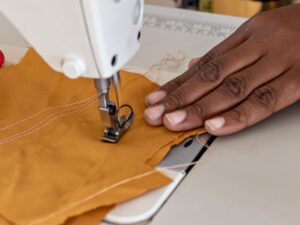
Repairing is the process of fixing an item that you own, like a ripped shirt or a broken fridge, and giving it a second life. With easy access to Do It Yourself (DIY) shows and websites like Pinterest and YouTube, many people are choosing to learn how to mend their clothes and fix their household items instead of purchasing new items. In-person FIX-IT Workshops and Repair Cafes are also growing in popularity worldwide and creating community spaces where folks can share their repair skills on clothes, furniture, electrical appliances, bicycles, toys, and more.

When you learn to repair the items that you already own, you can find new ways to personalize your belongings and help conserve valuable resources

Currently, 1 in every 2 people are throwing their unwanted clothes into the trash, generating more than 16 million tons of textile waste per year in the US only. The EPA estimated that 2.2 million tons of waste also comes from our small appliances, with only 5.6% getting recycled. Let’s not add on to trash in the landfills – repair your items instead.

It is easy to see why more people are choosing to repair their items once you know the environmental benefits of it. Here are just a few more of the benefits when you choose to repair:

  • Saves money – For some items, it is less expensive to fix them than to replace them. If a fix isn’t too difficult, you can likely find a how-to online and fix the item yourself, leaving you to only pay for materials. When deciding to either repair or replace an item, most experts say to use the 50-percent rule: if the repair cost is estimated to be 50 percent or less than the amount you paid for the item, it is usually better to repair it.
  • Saves energy – Repairing an item, rather than replacing it, saves energy (and resources) that would be required to make something new. Even if an item can be recycled, such as a refrigerator or computer, energy is still saved by choosing to repair.
  • You learn new skills – Learning a new skill can be extremely rewarding and can help build confidence. Many people who mend and sow their clothes, for example, describe the activity as a stress-releaser that helps them build patience.
  • Keeps items out of landfills– Choosing to repair slightly broken or damaged items, instead of replacing them, keeps items that still have a useable life out of landfills. Often times, just a quick fix can extend the life of household items.

So now you know! Repair helps with waste reduction and can benefit you, your wallet, and the planet! Learn a new skill and help extend the life of the items you already own.

Looking to repair something immediately? Visit WasteFreeSD.org and search for repair shops near you that service anything from a refrigerator to a surfboard

Interested in in learning skills to help you repair items on your own? Check our events page  for FIX-IT Workshops coming up!