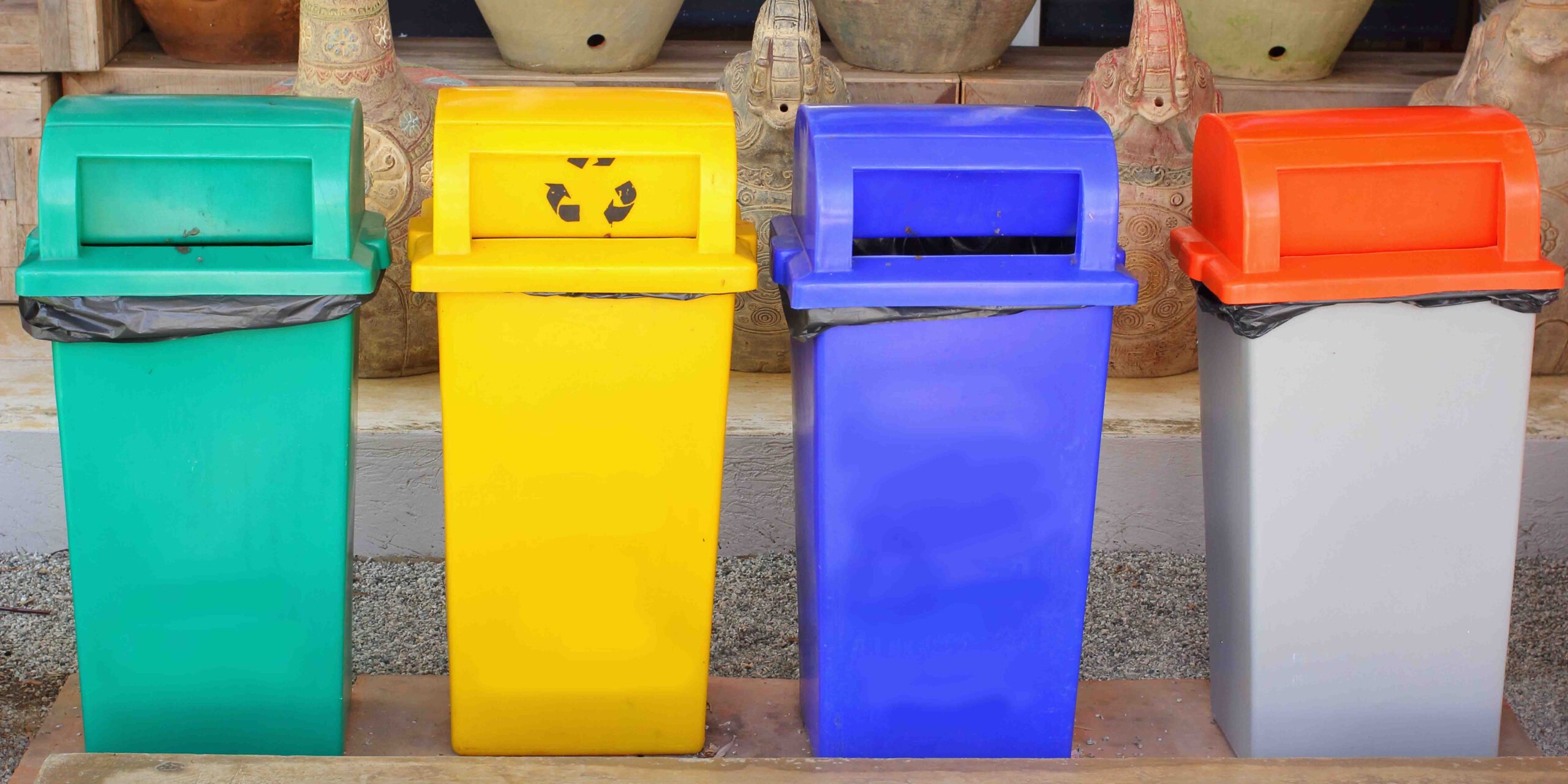
Looking To Move? Donation and Recycling Guide for Residents Moving Out of a Home

We all know moving can be stressful. Before you think about throwing items into the dumpster that will eventually find their way into our local landfills, we have some tips to make your move more efficient (and hopefully more stress-free)! The key is to stay organized and plan ahead.

Bedrooms & Home Offices

Donate your bedroom and home office furniture to your local thrift store and call to confirm if it offers bulky item pick-up. Bed mattresses and bed frames should be recycled through a participating Bye Bye Mattress recycling program location.

Donate clothes that are in a good/reusable condition to a local thrift store. Clothes, sheets, towels, etc. that are torn, stained, or old, should be recycled through a local textile recycling program.

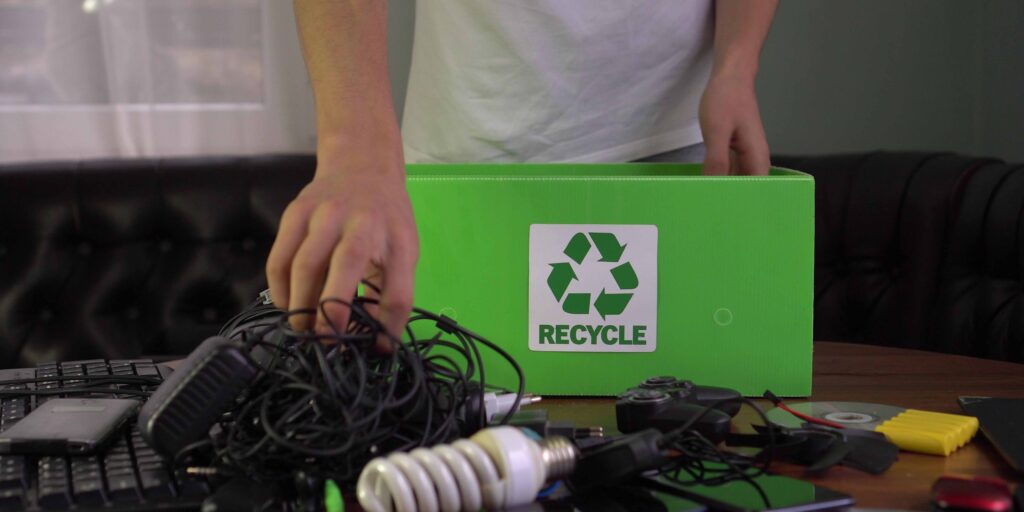
Electronics that are no longer working (also known as electronic waste or e-waste) include items such as televisions, radios, telephones, cell phones, and printers. Many recycling locations will accept electronic waste at no cost and collection events are available for select neighborhoods on specific dates and times. Working electronics should be taken to a local thrift store.

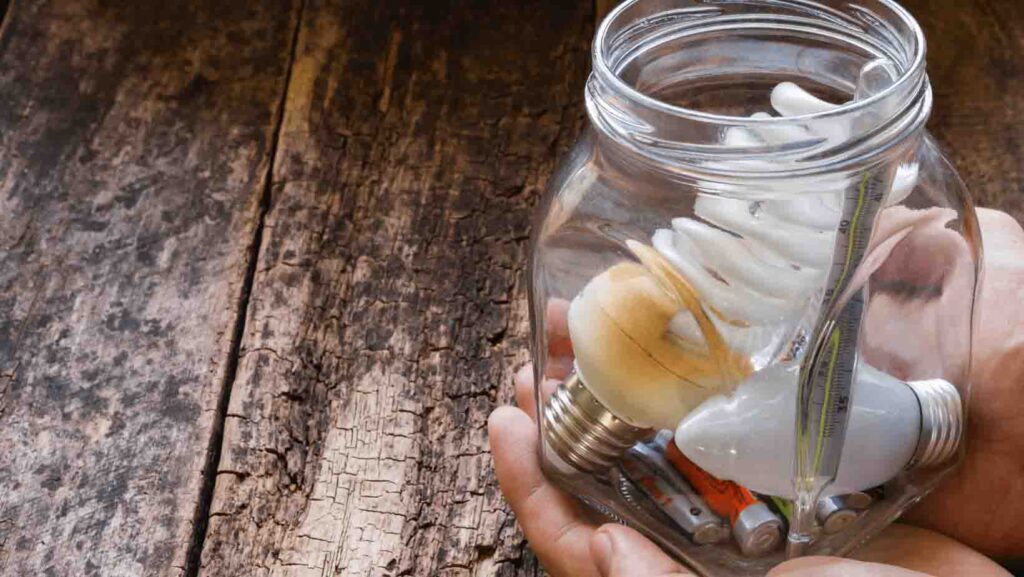
Tip: Electronic waste does not include fluorescent light bulbs/tubes (they contain mercury) and any type of batteries. 

Bonus Tip: Remove all sensitive information from hard drives before donating or recycling.


Kitchen

Working or newer appliances can be taken to organizations that reuse or resell appliances like Habitat for Humanity ReStore locations. For any non-working appliance, drop-off at a local scrap metal recycler.

If items like dishes, pots, pans, and silverware are in reusable/good condition, donate them to a local thrift store. If the item is stainless steel and is old/overused, take it to a scrap metal recycler.

Cleaning products like all-purpose cleaners, disinfectants, degreasers and stain remover are considered household hazardous waste and should be disposed of at a collection facility. 

All non-perishable food should be dropped off at a local food bank.


Bathroom

Loose medication can be put into plastic bags then deposited at kiosks located at participating San Diego County Sheriff’s departments. Please ensure any liquid medication is enclosed in secure containers before depositing and please remove any personal information from medicine bottles. Prescription drug take back days occur twice a year. Permanent drop-off locations are available at participating sheriff’s stations or police departments. 

Needles/sharps should be transported to a proper collection center in a rigid, puncture resistant, and tightly sealed container. Some examples of proper containers include bleach bottles, liquid detergent bottles, or coffee cans with lids. Containers should be no larger than 2 liters or 1/2 gallon. Label the container “Needles” or “Sharps” before disposing of it at an approved residential needles/sharps collection drop box or at your local household hazardous waste collection facility.

Garage/ Shed 

Hand tools and power tools can be donated to a local thrift store or recycled at participating locations. Certain gardening tools powered by gasoline such as a lawnmower will have to be completely drained before donating or recycling. 

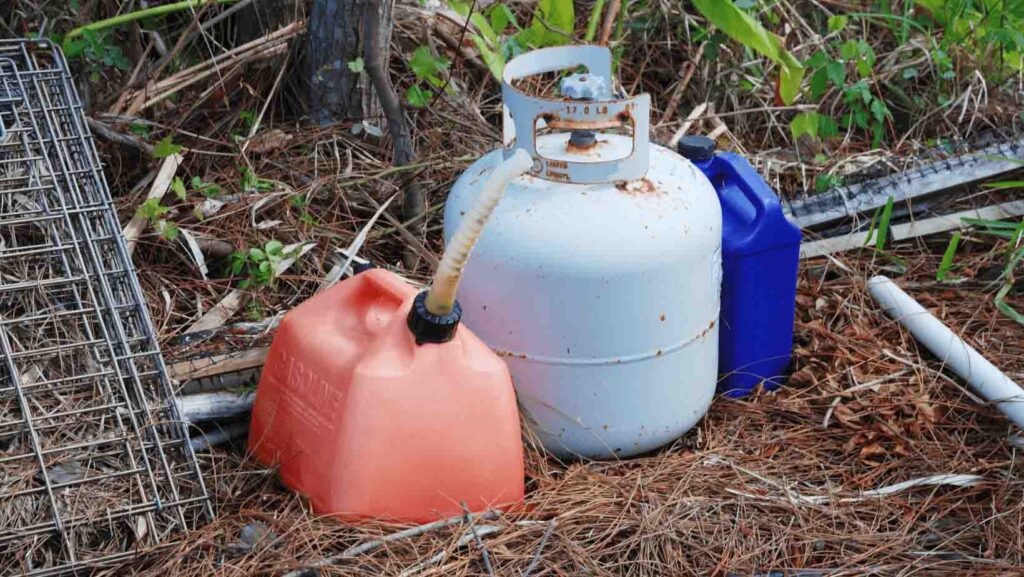
The following products typically found in the household like gardening chemicals and automotive fluids are considered household hazardous waste: 

  • Fertilizer 
  • Pesticide 
  • Herbicide 
  • Insecticide 
  • Motor oil
  • Gasoline 
  • Antifreeze 
  • Batteries 
  • Flight bulbs/tubes 
  • Paint Household hazardous waste should be taken to a designated household hazardous waste collection facility.  
Additional Information

Looking to sell or give away an item? Donating and recycling are not the only options! Residents can host a garage sale or attend a swap meet to sell or trade items. Many websites and apps also allow users to post items to sell or to give away for free, including:


Tips on how to reduce the need for cardboard boxes

  • Remember to pack up your belongings in containers you already have such as reusable bags, dresser drawers, or suitcases
  • Start saving up cardboard boxes a couple of months ahead of time. 
  • Check some of the donation sites listed above to look for any additional cardboard boxes. 
  • Any reusable cardboard boxes should be donated. Find a location at WasteFreeSD.org
  • Remember to recycle leftover cardboard boxes in the blue recycling bin. Please break down the box before recycling it.  


Plan early

  • All household hazardous waste collection facilities require proof of residency and an appointment. Have an inventory of everything you plan to drop off, including quantities and the condition of your items, before calling to make an appointment. 
  • Some thrift stores offer free pick-up, but there may be a wait time of up to a month to receive service. Plan accordingly. 
  • Remove all personal information from electronics, prescription medication bottles, sensitive documents, etc., before donating or recycling. 

To review a list of what can go in the curbside recycling bin, find recycling centers, donation locations, and local household hazardous waste collection facilities, or for waste reduction guides, visit WasteFreeSD.org.


Results Begin to Come in for the 21st Annual Creek to Bay Cleanup

Results Begin to Come in for the 21st Annual Creek to Bay Cleanup
Over 5,000 registered volunteers of all ages at 107 sites took part in the region’s largest environmental cleanup on Earth Day.

SAN DIEGO COUNTY (April 22, 2023) –  As of 3 p.m. today, I Love A Clean San Diego reports more than 5,000 registered volunteers have removed over 57,000 pounds of litter and debris from streets, canyons, parks, and the coastline in communities across San Diego County for the 21st Annual Creek to Bay Cleanup. Results are still coming in from the 107 sites across San Diego County.

“Although numbers from cleanup sites are still coming in, we can safely say we have reached our goal this year,” said Ann Marie Sack, Director of Community Engagement at I Love A Clean San Diego. “We are thankful for all the volunteers, from all corners of San Diego County, who celebrated Earth Day with us at Creek to Bay this year.”

San Diego City Council presented a proclamation in honor of Creek to Bay’s 21st anniversary and for the significant impact the countywide event has had in preserving San Diego’s environment since its inception in 2002. Elected officials kicked off Creek to Bay at a site within their district.

“Our beaches and waterways are some of San Diego’s greatest assets and deserve our care,” said San Diego Mayor Todd Gloria. “This family-friendly event has a positive impact on our region’s environment.”

Plastic in all its forms remains the chief pollutant found at the annual Earth Week event. In 2022, nearly 70% of all the litter removed from community and countywide cleanups was a form of plastic or single-use item. Volunteers included residents, corporate groups, community groups, and other regional environmental organizations, who diverted litter and debris across all sites from reaching our neighborhoods, creeks, bays, and ocean.

Among the most notable items collected were a doggy bed, Easter eggs, stop signs, a BBQ grill, a bullet case, and a lobster net.

Residents that were not able to participate in today’s Creek to Bay cleanup can still join I Love A Clean San Diego in creating a healthier, more vibrant region by making a gift or starting a fundraiser at cleansd.org/earth.

The Creek to Bay Cleanup is one of two annual countywide cleanups hosted by I Love A Clean San Diego. The next major cleanup event is International Coastal Cleanup Day on September 23, 2023.

I Love A Clean San Diego is grateful for the support of the 21st annual Creek to Bay Partners:
Think Blue San Diego, County of San Diego and its Watershed Protection Program, COX, Project Clean Water, Bank of America, illumina, PlayStation, Sempra Infrastructure, Sony, Watkins Wellness, Wells Fargo, ecoATM, City of Imperial Beach, Mitch’s Seafood, Ocean Conservancy, San Diego Regional Airport Authority, Sycuan, Team SEAS & Ocean Conservancy Small Grant Award, City of Chula Vista, City of El Cajon, City of La Mesa, City of San Marcos, Port of San Diego, and Audacy.

About I Love A Clean San Diego County
Founded in 1954, I Love A Clean San Diego County (ILACSD) is an environmental nonprofit on a mission to foster zero waste lifestyles and beautify communities throughout the region. ILACSD serves about 90,000 students, adults, and businesses every year through environmental education, volunteer cleanup and beautification programs, and recycling and zero waste resources for the public. Annually, the organization hosts approximately 900 workshops and produces 600 community cleanups. Community cleanups are responsible for clearing nearly half a million pounds of pollution from the region annually. ILACSD is dedicated to empowering every person to be leaders in conservation and waste-free living to protect and improve the health of the home we love. Connect with us at CleanSD.orgWasteFreeSD.org,  FacebookTwitterInstagram , and LinkedIn.

I Love A Clean San Diego Provides Spring Cleaning and Recycling Resources to San Diego County Residents

I Love A Clean San Diego Provides Spring Cleaning and Recycling Resources to San Diego County Residents
The WasteFreeSD.org database has thousands of recycling, donation, and repair centers throughout the region.

SAN DIEGO COUNTY (April 26, 2023) – As the spring cleaning season begins, I Love A Clean San Diego (ILACSD) and the County of San Diego remind residents of the free WasteFreeSD.org database and proper recycling practices.

I Love A Clean San Diego encourages residents to practice reuse, reduce, donate, and repair to limit the number of items that end up in the landfill. Residents can use I Love A Clean San Diego’s free online database, WasteFreeSD.org, which provides information on thousands of centers throughout the region.  The free database includes a wealth of options on how to properly dispose of or recycle unwanted items as well as donation and repair centers. The R1 Earth Hotline is also available for residents who have questions or may need help locating a center near them. Hours run from 8 a.m. to 1 p.m., Monday thru Friday.  Incorporated city residents please call 1-800-237-2583, and unincorporated residents may call 1-877-713-2784.

“By using the database to locate centers for proper disposal and recycling of unwanted items, individuals will be contributing to fewer materials reaching the landfill while making a significant, positive impact on the environment,” said Ann Marie Sack, Director of Community Engagement. “WasteFreeSD.org is also home to our blog which contains resources to help inspire residents to reuse or repair items.”

Although many common household items can be recycled, placing the correct items in the blue bin is important. Proper recycling practices ensure items remain valuable, make it through the recycling process, and reduce the hazard to workers and machinery at recycling facilities (MRFs). There are four main groups of materials that San Diego county residents can place in their blue recycling bins:

Paper, cardboard, and cartons: This includes newspapers and magazines; flattened cardboard; containers made of paper; and milk, juice, and soup cartons. Items like tissues and napkins are not recyclable but can be placed in your organic waste bin (green cart).

Plastic bottles and containers: Items include plastic bottles, cups, tubs & containers; foam blocks; and clamshells containers. Plastic caps must be left on plastic bottles to make it through the recycling process.

Plastic bags, bubble wrap and plastic mailers are recyclable but should NEVER be placed in your blue bins. These materials can be returned to participating retailers or reused.

Glass bottles and jars: Any color glass jar or bottle. Window glass, ceramics, or drinking glasses do not belong in the blue bin. Consider donating usable drinking glasses.

Metal and aluminum cans and foil: Steel and aluminum; bottles and cans; empty aerosol cans; aluminum trays and foil. Paint cans do not belong in the blue bin unless the paint is dry and container is empty.

“When San Diego county residents Recycle Right, everyone wins,” says Steve Weihe, Recycling Specialist for the County of San Diego.  “The MRF receives cleaner, more valuable material which results in lower operating costs due to less contamination. Our paper, cardboard and cartons, glass bottles and jars, plastic bottles and containers, and metal and aluminum cans and foil then become new products that manufacturers want and need.  Keeping items like plastic bags, clothing, hoses, liquids and electronic waste out of the blue bin is essential.”

To Recycle Right, residents should follow three simple steps:

  • EMPTY-No or minimal food residue left
  • DRY-No liquids remaining
  • LOOSE-Recyclables must be placed in the bin loose, not bagged

Film plastics like grocery bags and bread bags; tanglers like textiles and hoses; organic waste; and household hazardous waste (HHW) such as batteries, fluorescent bulbs, and electronics DO NOT belong in the blue bin.

Residents can find recycling guides on the County’s website and learn about sustainable practices by registering for one of I Love A Clean San Diego’s workshops and webinars at cleansd.org/events.

About I Love A Clean San Diego

Founded in 1954, I Love A Clean San Diego is an environmental nonprofit supporting residents and businesses of San Diego County through youth and adult education, and local action through impactful volunteer events and workshops. As San Diego’s most influential advocate for sustainability, I Love A Clean San Diego’s programs are an environmental catalyst, awakening passion and inspiring action to empower everyone to be leaders in conservation and waste-free living. Our community is passion in action to maintain and improve the health of the home we love. For more information, to volunteer or donate, visit CleanSD.org or call (619) 291-0103. Connect with us on FacebookTwitterInstagram and LinkedIn.

###

Spring Cleaning 101: Household Hazardous Waste

Spring brings sunshine, flowers, and… Cleaning!

While there is no better time to freshen up and declutter your home, you might run into some items that you might not know what to do with. If you come across clothing you no longer want, toys, sports equipment, or any household items you no longer use, visit WasteFreeSD.org to find a nearby option, such as thrift shops or food banks to donate items that can be re-used rather than ending up in a landfill. You can also sell or give away your items through neighborhood apps and online markets like Nextdoor or OfferUP.

Household Hazardous Waste (HHW)

When cleaning your home you may come across toxic, flammable, corrosive, or otherwise hazardous materials when cleaning out your garage or shed. Household Hazardous Waste is waste generated by home residents while performing household activities and maintenance around your home that contain toxic chemicals. You can identify HHW from warnings on the product label. Cleaners, solvents, old paint, pesticides, and other chemicals must be disposed of properly. Improper disposal methods, such as throwing them into the trash, pouring them down the drain or abandoning them, could lead to serious accidents, contamination of our water supply, and adverse health impacts.

HHW Facilities

You can easily dispose of your HHW items AT NO COST at a local Household Hazardous Waste facility. If you are a City of San Diego resident, you can dispose of Household Hazardous Waste at the Miramar Household Hazardous Waste Facility, located at the entrance of the Miramar Landfill (5161 Convoy Street, 92111, north of State Route 52). The facility is open on Saturdays from 9 a.m.-3 p.m. by appointment only, and there is a transportation limit of 15 gallons or 125 pounds (per vehicle). Call the City of San Diego Environmental Services Department (858-694-7000) to make your appointment today or schedule an appointment online.


If you are a resident living in other cities in San Diego County, or the unincorporated part of San Diego County, there are other Household Hazardous Waste Facilities and services available to you. The Ramona and Escondido HHW Facilities are great options to drop off your HHW. To find the closest drop off location and to get other recycling questions answered, visit San Diego County’s Recycling and Household Hazardous Waste database at www.WasteFreeSD.org or call 1-877-R-1-EARTH (1-877-713-2784).

Common HHW Items

Adhesives
Aerosol Spray Cans (if they are EMPTY they can be recycled in your blue bin at home)
Antifreeze
Asbestos
Brake Fluid
Cell Phones (and Batteries)
Degreasers
Diesel
Disinfectants
Electronics
Fertilizer
Fire Retardant Chemicals
Fluorescent Light Bulbs
Fluorescent Light Tubes
Fungicides
Gasoline
Hair Dye
Herbicide
Household Cleaners
Insecticides
Kerosene
Lighter Fluid
Nail Polish
Nail Polish Removers
Syringes / Needles
Paint Stripper
Paint Thinner
Paint
Perfume
Pesticides
Photographic Chemicals
Pool Chemicals
Propane Tanks
Sealant
Smoke Detectors
Solvents
Thermostats
Transmission Fluid
Used Motor Oil
Wood Stain
Varnishes
Mercury

Tips for Planting Native Plants

Happy spring! As the weather gets warmer and the days become brighter, this time of the year becomes the perfect opportunity to add new plants to your garden. 

If you like gardening, choosing to plant native plants from your region can help you save on water, fertilizers, and pesticides. Native plants easily adapt to new environments and are uncomplicated to take care of. If you have native plants at home, you eliminate the use of mowers and big water bills. They grow in harmony with the environment and self-sustain over time. Set the right conditions for your native plants to thrive and watch a beautiful garden unfold in and around your house. 

Below are some tips on how to get started planting natives.

  • Get Familiar with native plants. 

Check how big native plants grow, what they look like, and which grow in areas similar to your yard. Access these online Native Planting Guides and Native Gardening Resources by the California Native Plant Society for a complete list of native plants organized by region or visit you local botanical garden!

  • Group plants with similar needs. 

An easy way to organize your native garden is to determine each plant’s need for shade or sun. Usually, California native plants need adequate drainage and uncrowded conditions. Group together based on their needs.

  • Incorporate other natural features.

Get creative and add some boulders, rocks, pebbles, stones, or mounds around your plants. Check out this article about Landscaping Ideas with Rocks and how to add some unique character to your backyard!


  • Consider when you are planting.

Planting in late fall is optimal, but winter and spring also have ideal conditions. Avoid planting during the heat of the summer and give plants enough time to grow strong before peak weather season. 


  • Fire Safety Plants

Given that native plants are small in size, low to the ground, and have limited water needs, these types of gardens are a safe choice against fire. Native plants don’t contain oils or resins that are best in areas of high fire risk. Check your local nursery for more advice on fire-resistant plants best for your area.

Happy gardening! Please consider throwing your yard waste into the green organics bin. Visit wastefreesd.org and find more information about Green Bins and organic waste services available to your home!

Thrift Shopping Tips

Thrift shopping is a fun, financially friendly, and a more sustainable alternative to traditional shopping. Textile waste is increasing due to the demand for fast fashion and massive clothing production. In 2014, the average consumer bought 60% more clothing than in 2000, but kept it all for half as long. Studies show that the average American throws away about 82 lbs. of textiles every year, making 5% of our landfills textile waste.

So what can we do? Support your local thrift shop and shop second-hand items to give them a second life and divert them from ending up in our landfills. You can find one-of-a-kind clothing pieces that make your style feel unique and fresh by shopping second hand. Here are some tips to maximize your next thrifting outing: 

1. Have a Plan

Go in with specific things you are looking for. If you want to find a cool Hawaiian shirt for your next trip to the beach, head straight to the button-down rack and start looking for a design that calls your name. Be ready to dig through the options and remember to be patient with the process.

2. Upcycle the items you purchase

If you find an item you were looking for but it seems a bit worn down, get creative and find new ways to upcycle and remodel your product. Recently, an ILACSD staff went thrift shopping for furniture and found a worn down picnic-style chair. They sanded the chair down and repainted it green, adding just the right pop of color to her patio! Check out the DIY Inspired website for more crafty tips and upcycling projects.

3. Ask yourself some questions before purchasing

Do you already have something that looks similar? Do I really need this or is this a temporary want? By doing some self-reflection before check-out, you can detach yourself from the process of shopping and enjoy it as a peaceful and creative activity for self-expression.

4. Explore other second-hand resources

There are multiple other options other than thrift shops where you can find second hand items! Check out Offer Up and Facebook Market Place for second hand items being sold in your local areas. Buy Nothing groups on Facebook have items usually for free, garage sales and yard sales happen on the weekends, and vintage shops are great places to find curated items. 

Another great idea is to exchange items that you already own with your friends and family. Check out our latest blogpost on “How to Host Your Own Clothing SWAP” for more details.

5. Don’t overwhelm yourself

Thrifting should be fun! Explore one section of the store during your visit and check-in with yourself on time. Bring some headphones to listen to music and get in the zone. Don’t be afraid to ask for help to find what you are looking for and ask other shoppers for opinions on items!

6. Don’t feel like you need to buy everything at the thrift store!

Just because prices may be cheap does not mean you should be purchasing everything you picked out. Remember, the whole idea is to reduce the unnecessary textile waste that ends up in the landfill and purchasing additional items may make it more tempting to toss out old ones. Choose your top items to buy at a thrift store. 

7. Donate Your Items

Remember that by donating items keeps the thrifting cycle alive. The next time you find yourself at a thrift store, think to yourself: if I bring an item into my closet, what item can I take out and donate? By donating items you help create a circular economy!

Looking to go thrifting? Find your local thrift shop or closest donation center near you on WasteFreeSD.org. 

Want to attend a Clothing SWAP? Check out www.cleansd.org/events to find our next SWAP event near you!

Valentine’s Day Meatless Meal Ideas

You can make choices as a consumer which could lessen your own carbon footprint. This is not to say completely cut meat out of your diet, but consider eating less of them – especially during the holidays! 

We have compiled a list of meatless food to chef-it-up this Valentine’s Day. Surprise your special someone by showing them new vegetarian recipes and your care for the environment. 

Click on each title to be directed to the full recipe.

APPETIZERS

Veggie Rolls

The perfect comfort food.


Smashed Cucumber Salad

Keep it fresh and crispy!

MAIN COURSE

Kimichi Fried Rice

An all-time favorite. “The best thing about this Kimchi fried rice, besides how delicious it is and how fast it comes together, is how good kimchi is for us! Fermented foods, including delicious kimchi, increase the good bacteria in our gut, and many believe that the secret to overall good health starts in the gut.”

Vegeterian Pad See Ew

Pasta is a love language!

DESSERTS

Mango Sago Pudding

Made from tapioca- try one of the most popular desserts in Hong Kong and Tawain!

Jiggly Fluffy Cheescake

Perfect for a sweet holiday.

DRINKS

Lychee Mint Color

A refreshing drink to enjoy over a nice home-cooked meal.

Yogurt Soju (alcoholic)

Don’t be afraid to experiment! This drink includes alcohol.

We hope you enjoy your meatless Valentine’s Day!

Consider buying your ingredients locally and in bulk to reduce your overall food miles. Visit WasteFreeSD.org to find the closest refill store or farmers market near you.

Our Favorite Indoor Plants

Did you know there are many benefits to having indoor plants? Aside from adding a touch of color to your home, research has shown that having plants at home can help purify oxygen and may enhance your mood


Here are are some of our favorite indoor plants that are easy to begin your plant journey:

Bunny Ear Cactus – As cute as its name! This cactus originally from Northern Mexico likes to be in direct sunlight and will add some life in your workspace. Water your plant when the top inch of the potting soil is dry.

Golden Pothos

 Long lasting plant and a favorite for many to begin their plant journey.  Easy to take care of and adapts to most lighting situations except direct sunlight. Place it on a hanging pot and watch its vines cascade over time. Water once every 1-2 weeks.

Aloe Vera

These sun-loving succulents clear the air and offer a gel inside their leaves that help cure burns and cuts if properly applied.

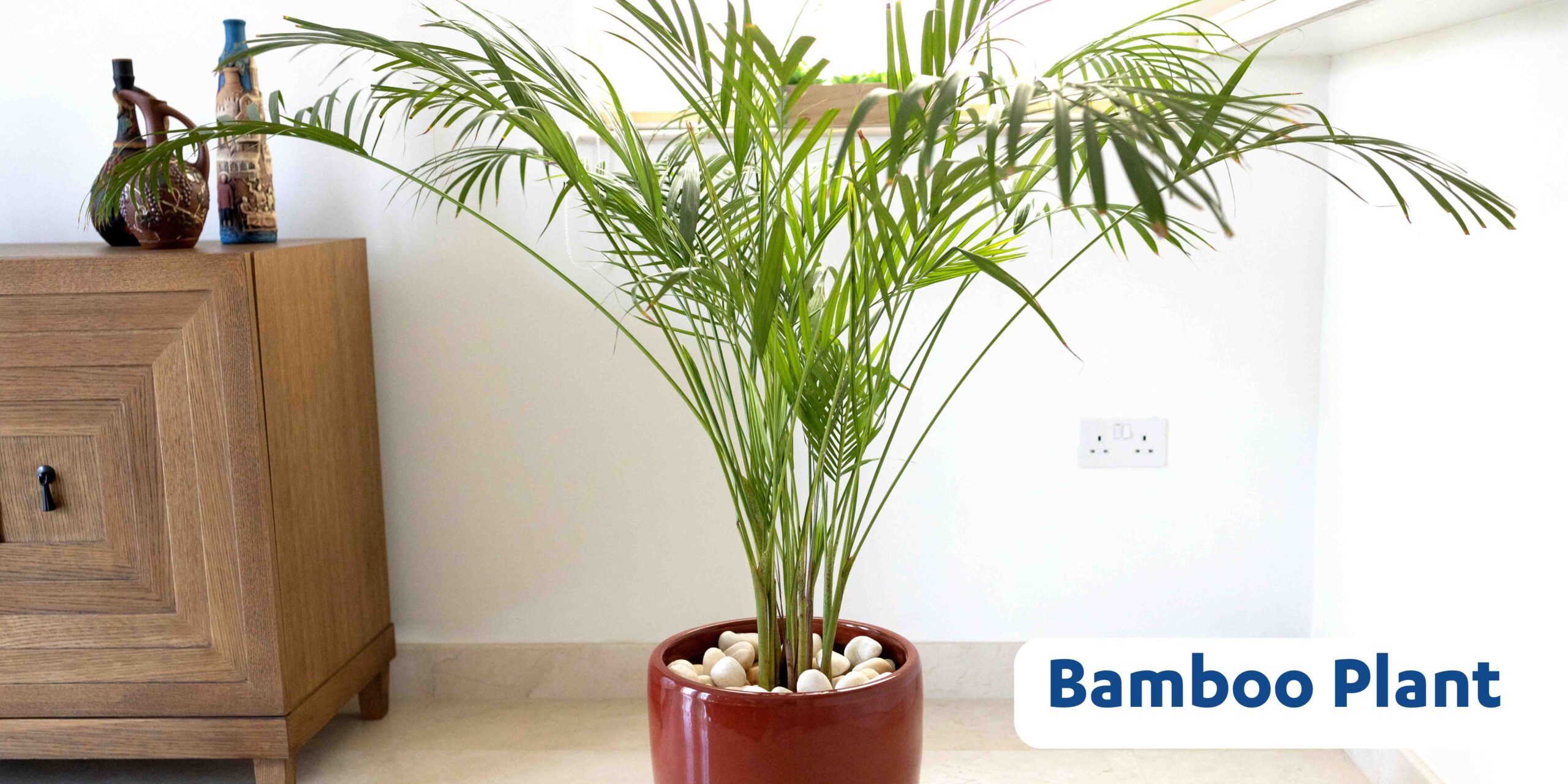
 Bamboo Palm

Hardy and effective air purifiers that love to be in the sun or under bright light. Grows vertically and does not occupy much floor space.

Spider Plant

Resilient plant that sprouts tiny white flowers and doesn’t require much watering. Will make your home feel like a jungle!


Different plants will require different care. Begin your plant journey with one of the species listed above and watch the benefits unfold in front of your eyes. 

Already in the gardening groove? Remember to throw away your plant trims in the appropriate green waste bin. Visit WasteFreeSD.org and search for “Green Waste/Yard Trimmings” to find a compost facility near you!

Zero-Waste Tips When Dining Out

Going out for a meal is an experience we all enjoy. In this blog, we have compiled 6 easy tips to ditch waste and reduce our environmental impact when dining out. Start by applying just one of the tips below during your next food journey and, over time, the more you repeat the tip the more it will become a habit. You got this and Bon Appetit! 

1. Bring your reusable food containers from home for your leftovers.

Did you know that you are allowed to bring your home containers to restaurants? 
The CA Retail Food Code, section 114121 (b) states that consumers are allowed to take a personal container as long as an employee fills it and there is no cross-contamination with the utensil that is being used to serve the food. The law states that “consumer-owned containers returned to the food facility for refilling may be refilled and returned to the same consumer if the container is refilled by an employee of the food facility or the owner of the container if the dispensing system includes a contamination-free transfer process that cannot be bypassed by the container owner. © Consumer-owned containers that are not food-specific may be filled at a water vending machine or system.”

We recommend storing containers in your car so you can be ready next time you need to pack up some leftovers. Check out these affordable 3 piece stainless steel tupperware!
Bonus Tip: Repurpose jam or yogurt containers and bring them along to hold sauces like salsa and ketchup!

2. Ask for no straws or bring your own reusable straw from home.


Straws are a single-use plastic with little to no utility. Based on the Association of Zoos & Aquariums “Five hundred million straws are used each day by people in the United States alone.” Most plastic straws are not biodegradable and end up in our waterways which ultimately pollute animals, plants, people, and the environment.

If you or any of your family members have to use a straw for medical reasons, or if you just prefer to use one in your daily use, we recommend buying a reusable or biodegradable straw. Check out these silicon and stainless-steel foldable straws by FinalStraw that are easy to clean and keep around! 

3. Following our previous tip, we encourage you to bring your own set of silverware or chopsticks instead of single-use plastic utensils to avoid creating unnecessary waste!

Set the example with reusable utensils to avoid creating waste. Check out this all-in-one bamboo silverware set from Brut Essentials!

4. Don’t ask for a water cup unless you really need it!

Zero-waste tries to eliminate single-use items. Restaurants are now only giving out water cups on request to help minimize water and plastic cup waste. Ideally, bringing a reusable water bottle would be a great strategy to contribute to the change. You are bound to drink some water after a big meal. Pack your water bottle and bring it to your next meal out to avoid using single-use water bottles or cups. Every habit makes a difference. 

5. Order only as much as you will eat

According to a report by the National Restaurant Association, the Grocery Manufacturers Association, and the Food Marketing Institute, half a pound of food waste is generated on average for each meal ordered in restaurants, either from what’s leftover on the plate or when cooking in the kitchen. If we consciously order meals based on our capacity to consume, we can avoid unnecessary waste to be created from our meals.

6. Give the restaurant feedback!

Most restaurant managers would love to hear your positive comments or feedback on their recycling and composting practices! With the new Organics Law SB1838 becoming active in the state of California, citizens can play a leading role in educating more public restaurants about the changes needed to be implemented to take better care of our environment and properly recycle organic waste. 

If you want to learn more about eco-friendly restaurants, guidelines, and utensils check-out these resources below:

  • Green Restaurant Association – Earn a Green Employee Accreditation

Do you work in the restaurant industry? Help our planet today by educating yourself on restaurant sustainability facts in six environmental categories. After you go through the Green Restaurant Association Education Section, you can take a test to become a Green Restaurant Accredited Employee (GRAE

 http://www.dinegreen.com 

  • Surfrider Foundation – Ocean Friendly Restaurants

We’re building an inclusive community of eco-conscious restaurants, activists, and patrons that support a healthy lifestyle for ourselves and our planet to find more joy and peace in our everyday lives.

https://sandiego.surfrider.org/ofr

Zero Waste Holiday Gatherings

This is the season for celebrations and many of us will either be hosting or attending dinner parties, festive celebrations, and family gatherings. Here are seven tips on how to plan a festive zero-waste gathering that you, your loved ones, and the environment will love:

1. Smart Shopping

  • Buy local – There are many farmers markets around San Diego that sell homegrown veggies and goods. Visit a food market near you or explore a new one to find ethically grown ingredients! 
  • Buy Bulk – As recommended in our previous blog Zero Waste Thanksgiving, bulk buying some of your products to reduce plastic packaging and save some money! Bulk buying doesn’t mean you need to buy family-sized bags of produce, you can just bring your own containers to designated stores and fill them based on your needs.

2. Don’t feel like cooking? Find a sustainable restaurant to cater.

Save yourself some time and cater food from local businesses that align with your socio-environmental values. Some factors to consider when looking for places to cater are:

  • Is this restaurant locally owned?
  • Do they use seasonal ingredients to make their plates? Are there vegan options?
  • How are the packaging for the food deliveries and can I offer my own kitchen utensils as an alternative?

A great catering option in San Diego worth considering ordering from is Make Cafe. The outdoor garden restaurant and catering company is a job-training social enterprise that provides hands-on work experience to refugee and immigrant women. Their food is prepared from scratch with multiple vegetarian and vegan options. 

“Every time you are spending money you are casting a vote for the world you want” – Anne Lape’

3. Get creative with your parties and eliminate the need for dishware. 

Consider making finger food options, like crispy roasted potatoes or a delicious flatbread, for your party! This will not only save you time cooking but also reduce the amount of utensils and dishes you need to clean at the end of the night! 

4. Choose eco-conscious dishware

When possible, utilize reusable dishes, utensils, and cloth napkins. If you do choose to go with single use items, try to use more environmentally conscious options like compostable plates and paper plates made from recycled material. Check out the following link to learn about Verterra, a compostable plate brand made from fallen leaves in this following link.

5. Go natural with your decorations

Did you know that plants can reduce stress and enhance your mood? A study published in 2015 by the National Library of Medicine proved that interaction with indoor plants may reduce psychological and physiological stress and boost mood and productivity.

Next time you are hosting a party try using plants as a form of decoration and psychological enhancer. Find greenery and flowers from your yard to create natural centerpieces. Pinecones are a great option too! Get inspired and check out these centerpiece ideas!

6. Help your guests be eco-friendly 

Many times all it takes to create change is to communicate. Put up signs to indicate which waste bins are trash, recycling, or composting, along with examples of what should go in each for your guests to know how to handle waste properly.  

7. After the party 

Who doesn’t love leftovers? Save the jam jars and mason jars to store or send leftover food for your or your guests. You can also repurpose empty glass beverage bottles into vases and centerpieces for your next event.


We hope this article inspires you to get creative with zero waste practices when hosting a party. Enjoy your night and don’t forget to take care of the environment!