Trendy Ways to Keep Clothing Out of Landfills

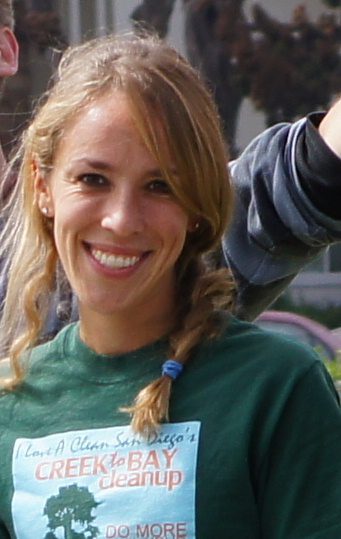
amanda-2-photoshopToday’s blog comes form Amanda, ILACSD’s Hotline Manager, and she is here to show you how to reduce your use and reuse your clothing. You may even make a buck doing it! Read on to learn more about how this new trend not only benefits your wallet, it conserves our planet.

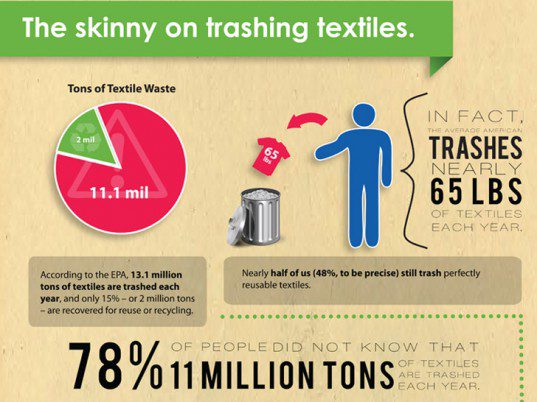
Did you know what the average American throws away 65 pounds of clothing each year?  Recent reports show the steady decline of available space in our landfills and the majority of municipal solid waste can be diverted through recycling and reuse, and that includes textiles. Thus, we want to redirect our clothing and give it another life before it heads to its final resting place at the landfill. Buying and selling used clothing help to reduce the heavy burden on our local landfills, and it allows you to do your part in reducing your use of our finite resources on our planet.textiles 2
Thanks in part to Macklemore’s hit “Thrift Shop”, buying used clothing has become one of the latest fashion trends. There are now many options beyond your local thrift store to buy and sell used clothing and other accessories – allowing shoppers to find one-of-a-kind pieces.  Plus, you can have the peace of mind your favorite top or dress found a new home and you free up some space for some new-to-you treasures! To get started, visit www.WasteFreeSD.org and search “Thrift Stores” to find a variety of stores that buy and/or sell used-clothing near you! Here are some of our favorite used-clothing vendors:

Buffalo Exchange buys, sells, and trades gently used clothing, shoes and accessories. In San Diego, Buffalo Exchange has stores in Pacific Beach and Hillcrest.  Before coming in to sell clothing for the first time, Buffalo Exchange recommends calling ahead to see what items the store is looking for at that time. Buffalo Exchange is also a donation point for authentic fur apparel. Items  made of fur are donated to their Coats for Cubs program  where the items are then sent to rehabilitation organizations around the U.S. to provide a natural environment for rescued animals. We certainly don’t endorse purchasing authentic fur apparel, but it’s great to know that there is a positive way to repurpose those. Don’t forget to bring your reusable bag to Buffalo Apparel, because when you refuse a plastic bag, they give you a token to place into the nonprofit container of your choice, and they will make a donation just because you brought your own reusable bag!

Buffalo exchange 1

Online thrift stores have also grown in popularity. They offer a wide variety of clothing for you to peruse and order from the comfort of your own home! ThredUP, for example, invites you to order a FREE Clean Out Bag online, stuff it with your unwanted items and then ship your clothing to be sold online. Any items that are not in a reusable condition go to their charitable partners or textile recyclers.
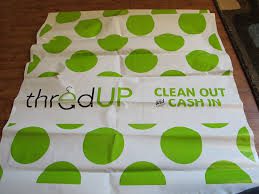
Clean out - cash in

Vinted is another website and convenient smartphone app. You take pictures of the items you want to sell, list what condition it is in, and correspond directly with the buyer. Vinted handles the financial transaction for you, and you ship the items yourself to the buyer.
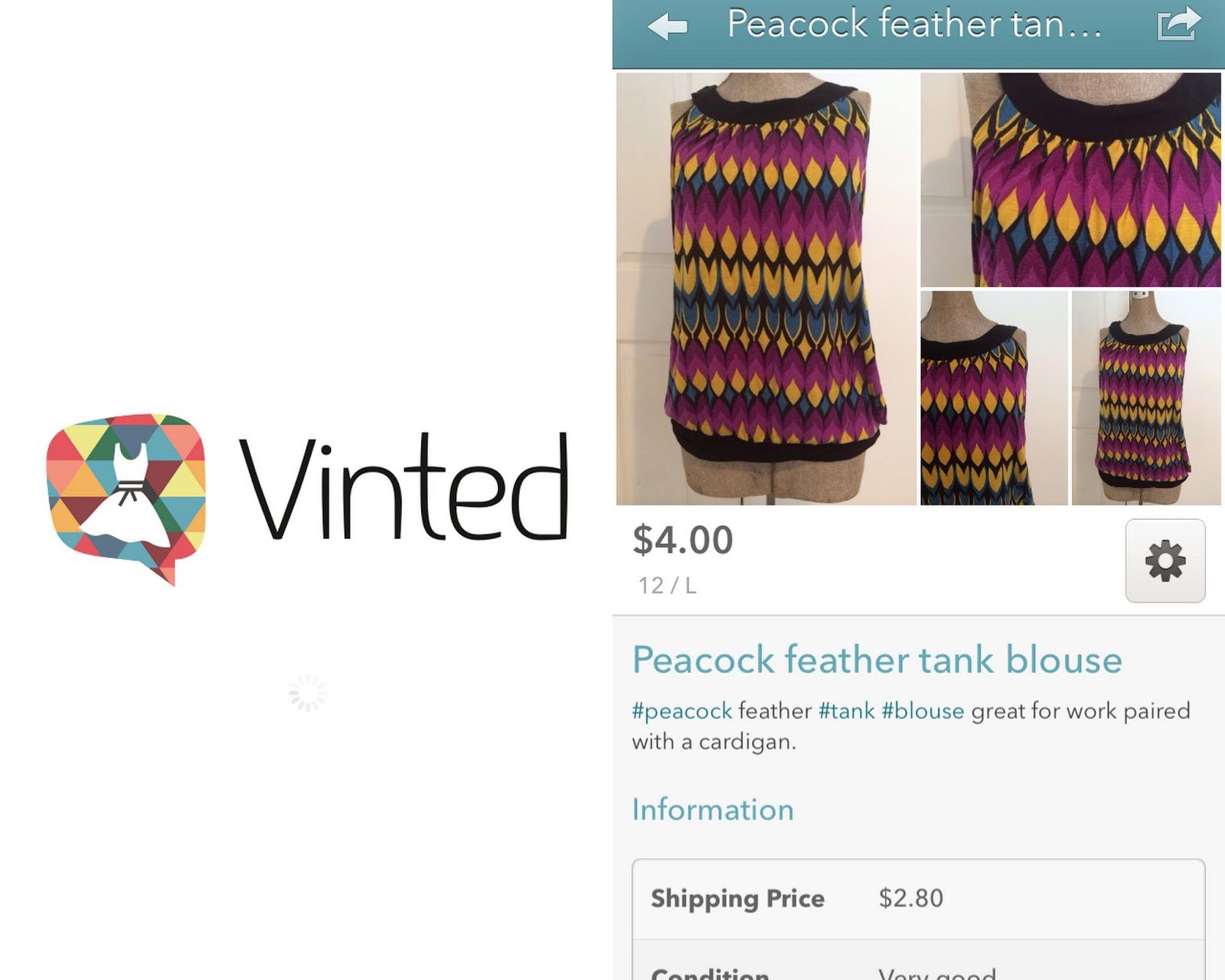
vinted 1

Acting locally is always best when it comes to reusing clothing you’ve grown tired of. Gather together a group of your best friends and have a clothing swap night! Emily, one of our environmental educators, recently hosted one at her church and it was a hit! Approximately 10 people attended and walked away with at least 5 new items – all for FREE! The remaining 143 items, a combination of shoes, accessories and clothes, were donated to the church’s clothing closet. Just because you are tired of your floral pink blouse doesn’t mean your friend is! This not only helps to reuse clothing, it reduces the need for greenhouse gases created in shipping clothing around the country.
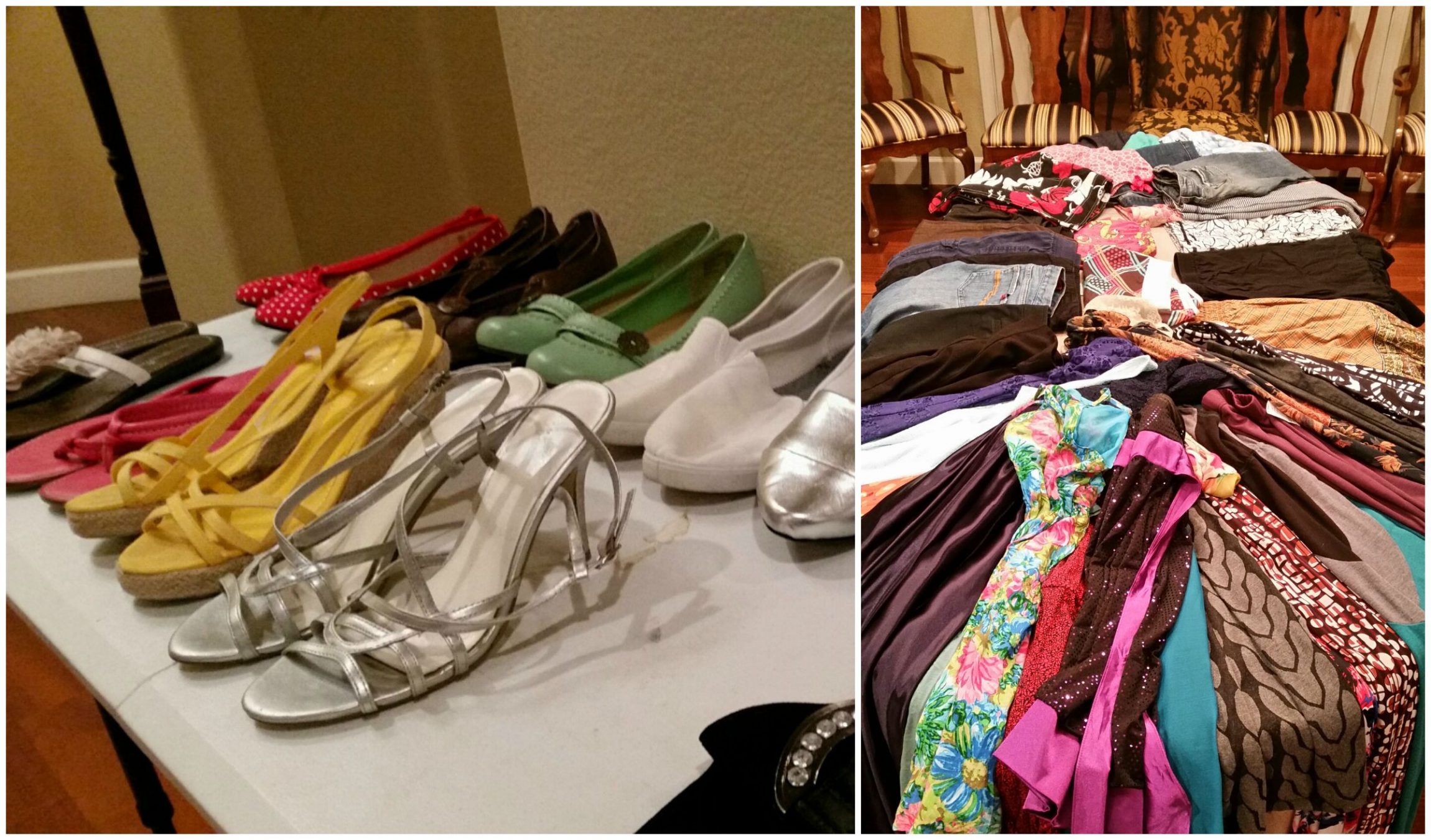
exchangecollage2.jpg

Finally, if you just can’t seem to part with some sentimental pieces of clothing, repurposing is always a great option! If you have an old sweater that has seen better days, turn it into a cute scarf or even a reusable cozy for your coffee cup.  Old t-shirts can also be turned into dog toys, bags or even a rug. The ideas are limitless!

sweater coffee cozy

You can find all of these great ideas and more on I Love a Clean San Diego’s Pinterest page! And don’t forget to check out www.WasteFreeSD.org and www.RepairSD.org to find other recycling and repair services near you!
Cupid’s Cleanup and other Green Valentine’s Day ideas!

SONY DSCHave you found it increasingly difficult to be creative each Valentine’s Day? Well, you’re in luck! Today’s blog comes from our Marketing Coordinator, Sarah, who has put together some great eco-friendly, Valentine’s Day-themed ideas! Read on to learn how to celebrate with the environment in mind!

Celebrate your love for the environment at Cupid’s Cleanup!

Switch up your dinner and a movie routine! We want you to join us on Sunday, February 15th for a street-sweep cleanup and Valentine’s Day-themed mixer hosted by AleSmith Brewing Company! Complimentary beer tasters will be on-hand for adult volunteers as a “thank you” for your hard work and to celebrate our love for a cleaner community. This is also a great way to connect with like-minded singles, couples or even new friends. Take Ken and Julie for example!

In 2007, Ken and Julie met for the first time at Cupid’s Cleanup…

[youtube https://www.youtube.com/watch?v=n1WQcKG-g-M]

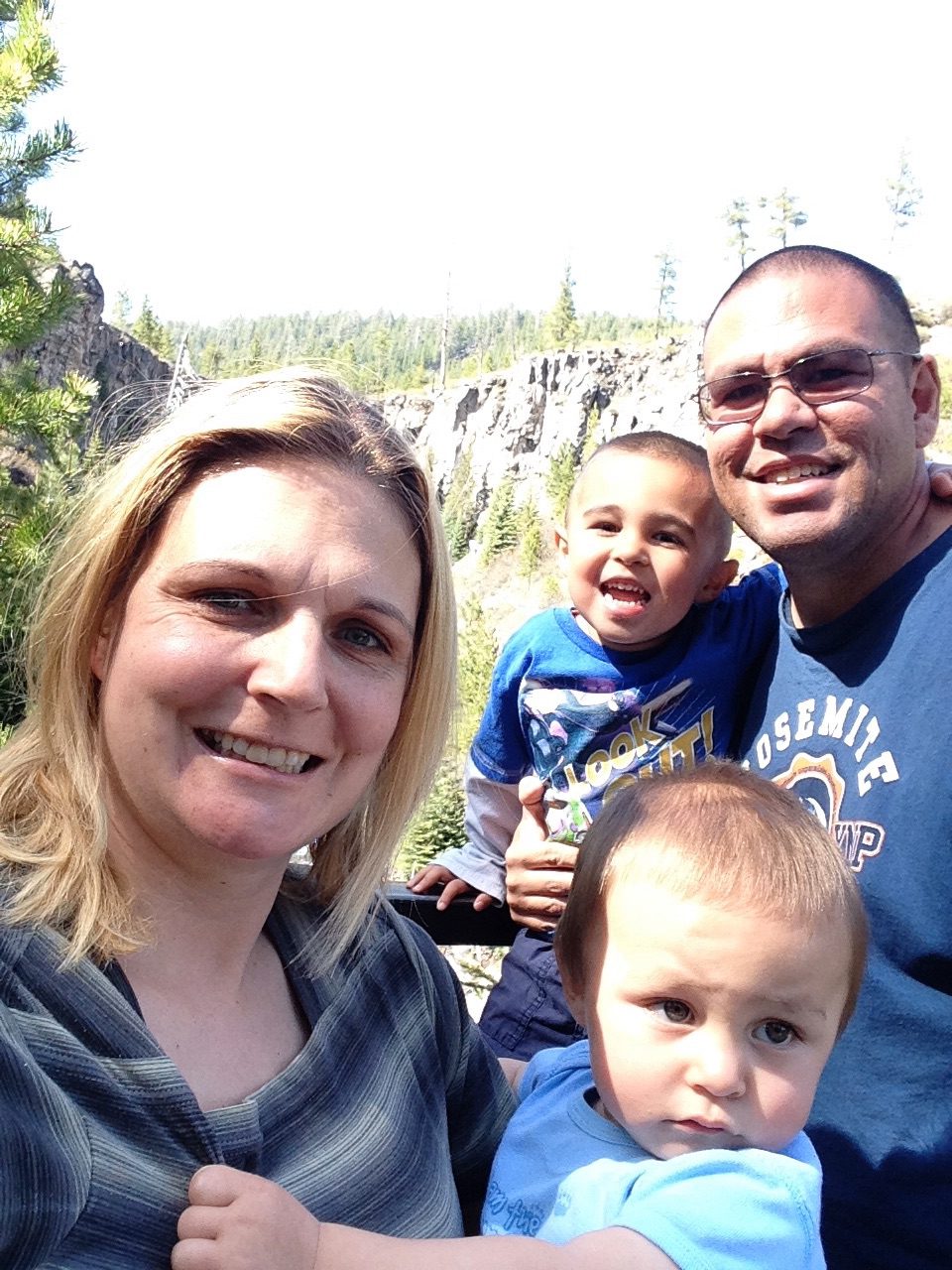
Fast forward to 2015, they are happily married with two children, ages 2 and 4 years old! They have since moved to Oregon, and continue to protect our environment by instilling environmental values in their children who, by the way, already enjoy putting trash in its place!

Although they won’t be joining us at this year’s event, Julie shared these kind words with us…

“We have not forgotten about you (ILACSD) or where we met.”

Cupids Cleanup - Ken & Julie

For more information about how to get involved with Cupid’s Cleanup please click here or email Lexi at lambrogi@cleansd.org!

If you cannot join us for Cupid’s cleanup, here are some other festive Valentine’s Day-themed eco-tips!

Candy

Let loose, get your valentine some sweets! Instead of the cliché heart-shaped box of candies, head over to the bulk section and fill up reusable glass jars with more variety and less waste!

Fish in the sea - pinterest

Flowers

Instead of buying flowers that are going to wilt and die within a week, choose a sustainable and earth-friendly drought tolerant plant! Here are a few of our favorites:

Recon Native Plants has a variety of affordable native plants!


Succulent planter available on Etsy!


If you do decide to go with a dozen roses, remember they are compostable!

Skip the card – give with purpose

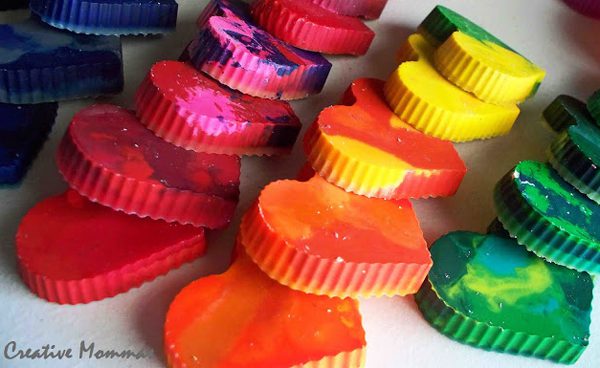
Although most cards are recyclable, why not give a gift with a purpose? If you have children, this link is especially good for low waste, kid-friendly Valentine’s Day gifts!

upcycled crayons valentines

These are just a few of our ideas – share your earth-friendly Valentine’s Day ideas in the comments below!


Q&A with Emily, ILACSD Environmental Educator

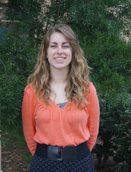
Emily Melear, Environmental EducatorWe’re switching things up for today’s blog! Emily originally joined the ILACSD team in September as one of our part-time educators. You may remember her from recent blogs about food waste reduction as well as eco-friendly holiday tips! Within the last month, however, she moved up the ranks to become a full-time Environmental Educator! Read on to learn more about Emily and why we’re excited to have her as a part of our team!

Q: What brought you to I Love A Clean San Diego? 

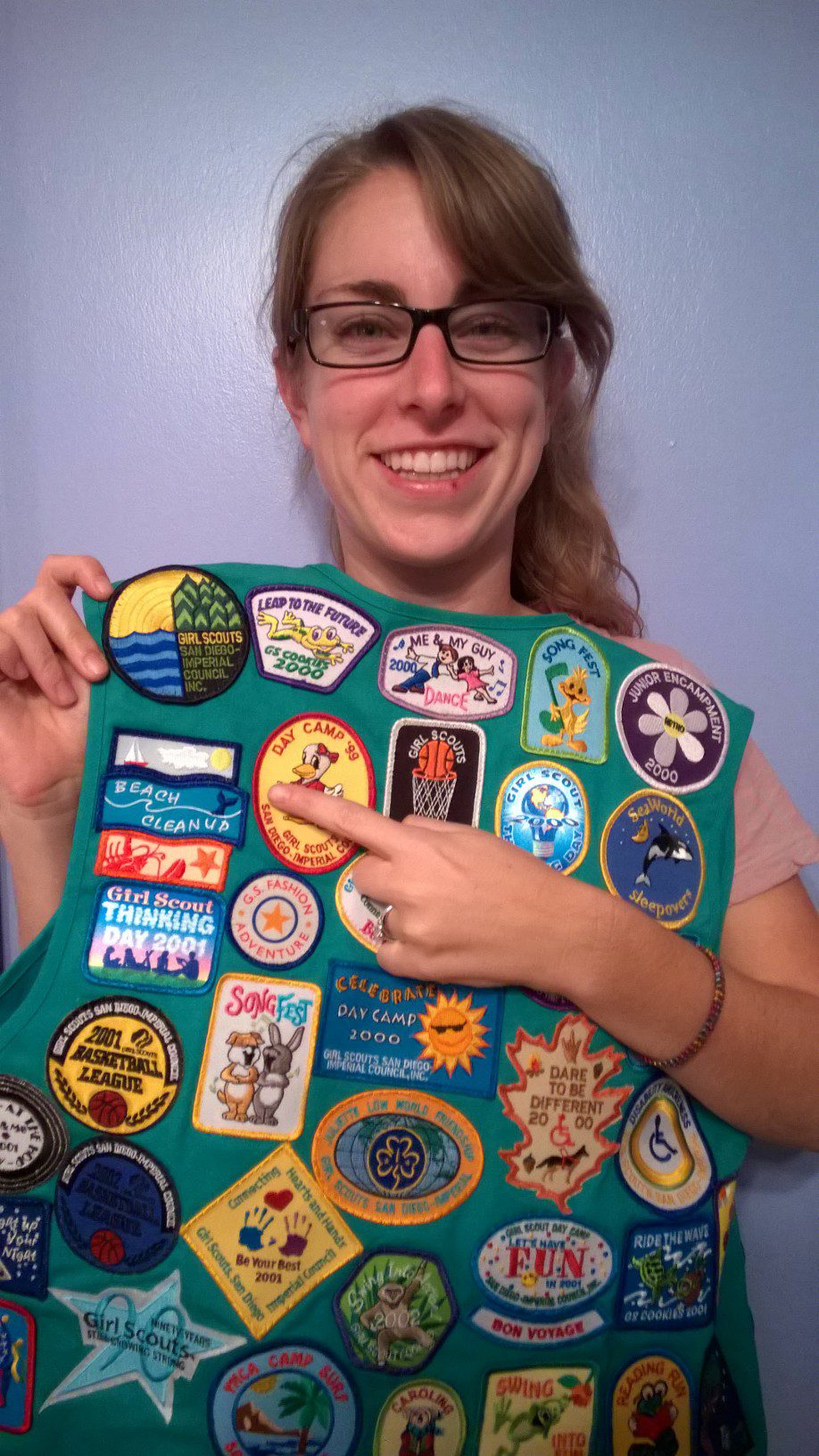
Emily poses proudly with her Girls Scout patch she received from ILACSD!
Emily proudly points to a patch she received from ILACSD when she volunteered at a beach cleanup with her Girl Scout Troop all those years ago!

A: I Love A Clean San Diego stands out because of its genuine, word-and-deed methods to improving the environment. I am impressed by the extensive reach of our programs, and how we offer something for everyone. After years of teaching kids in an outdoor setting, I was looking for some way to teach about the environment while in the city. ILACSD was the place for me! I have a substantial collection of early memories where I was taught environmental stewardship (including ILACSD beach cleanups with my Girl Scout troop!) while still very young. Learning that mindset at an early age leads to a lifetime of positive actions. In today’s world, it is essential to have our youth be environmentally minded.

Q: What environmental topic are you most passionate about?

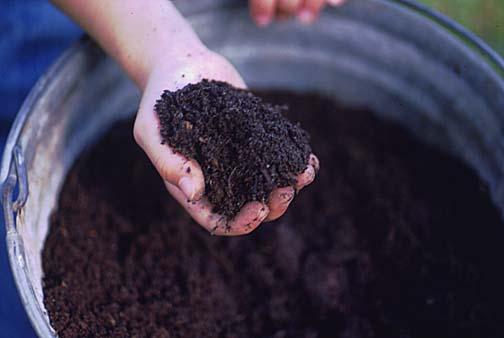
A: I love teaching about food waste because it’s a simple way to get started. Students can easily grasp the concept of “giving back” as they watch food decompose in the compost bin, and as plants thrive in the composted soil. In my previous camp experience, we would graph our food waste at each meal. During just 5 days at camp, our students regularly reduced their food waste, often achieving a waste-free meal by the end of the week. As I travel to various sites to deliver presentations, it’s exciting to see so many schools with gardens and compost bins.

"I love teaching about food waste because it’s a simple way to get started."
“I love teaching about food waste because it’s a simple way to get started.”


Q: Do you have a green New Year’s resolution?

A: Shorter showers! Despite my efforts to live an environmentally-conscious lifestyle, that’s one guilty pleasure that has avoided the chopping block. I have decided that 2015 will be the year!


Q: What do you enjoy most about being an environmental educator?

A: The most rewarding moments are when you see the information click for a student. Whether it’s when they see a picture of a seal tangled in plastic, or they get fired up and declare war on pollution, that moment of impact reassures me they will be more conscious about their future choices.

Microplastics
These microplastics are harmful to our environment and our local wildlife.


Q: Do you have a favorite presentation?

By helping students experience the nature in their own neighborhood, they can better understand and value the nature surrounding them every day.

A: That’s easy – Nearby Nature. The most effective way to teach people to care about the environment is to have them develop a personal relationship with nature. Spending time outdoors will more effectively teach a person to respect their environment than any fact or figure. A close second would be our SDG&E presentation/cleanup combination. Immediately taking action after learning the harms of litter will leave a longer-lasting impression on the students’ behavior.


Q: What do you look forward to most as you settle into your new position?

A: I’m excited to be able to speak to the environmental issues in our local community, find new ways to encourage sustained engagement, and encouraging kids across the county to work toward a clean San Diego.


Do you have a passion for environmental education like Emily? ILACSD is looking for an experienced educator to join our team as a part-time educator. For more information about the position please click here!

To apply, please send cover letter, resume, and availability to Samantha Russo, srusso@cleansd.org. No calls, please. Applications will be accepted until position is filled.


Greetings from DC!

MJB-2010-photoshop-picToday’s blog comes from our Director of Development & Marketing, Morgan Justice Black, who along with another member of the ILACSD team, are in Washington DC this week for the Keep America Beautiful conference.


Hello from a chilly Washington, D.C. Even though it may only be 25 degrees outside, we are having a great time at the Keep America Beautiful National Conference learning more about how affiliates throughout the US create vibrant communities through community beautification, litter prevention, waste reduction and recycling! We made it to D.C., despite blizzard warnings and having to sprint through the Philadelphia airport to make our connection. And once we arrived…it was snowing! Quite a change for the two of us, both born and raised in San Diego! Well, the conference kicked off with a keynote address from Peter Kageyama, the man who has written two books about loving your city. How perfect, since we have a little fondness for the word “love” too! He spoke about the importance of gathering people together to interact casually in the outdoors. Can you guess where the most social place probably is in your city? The dog park!

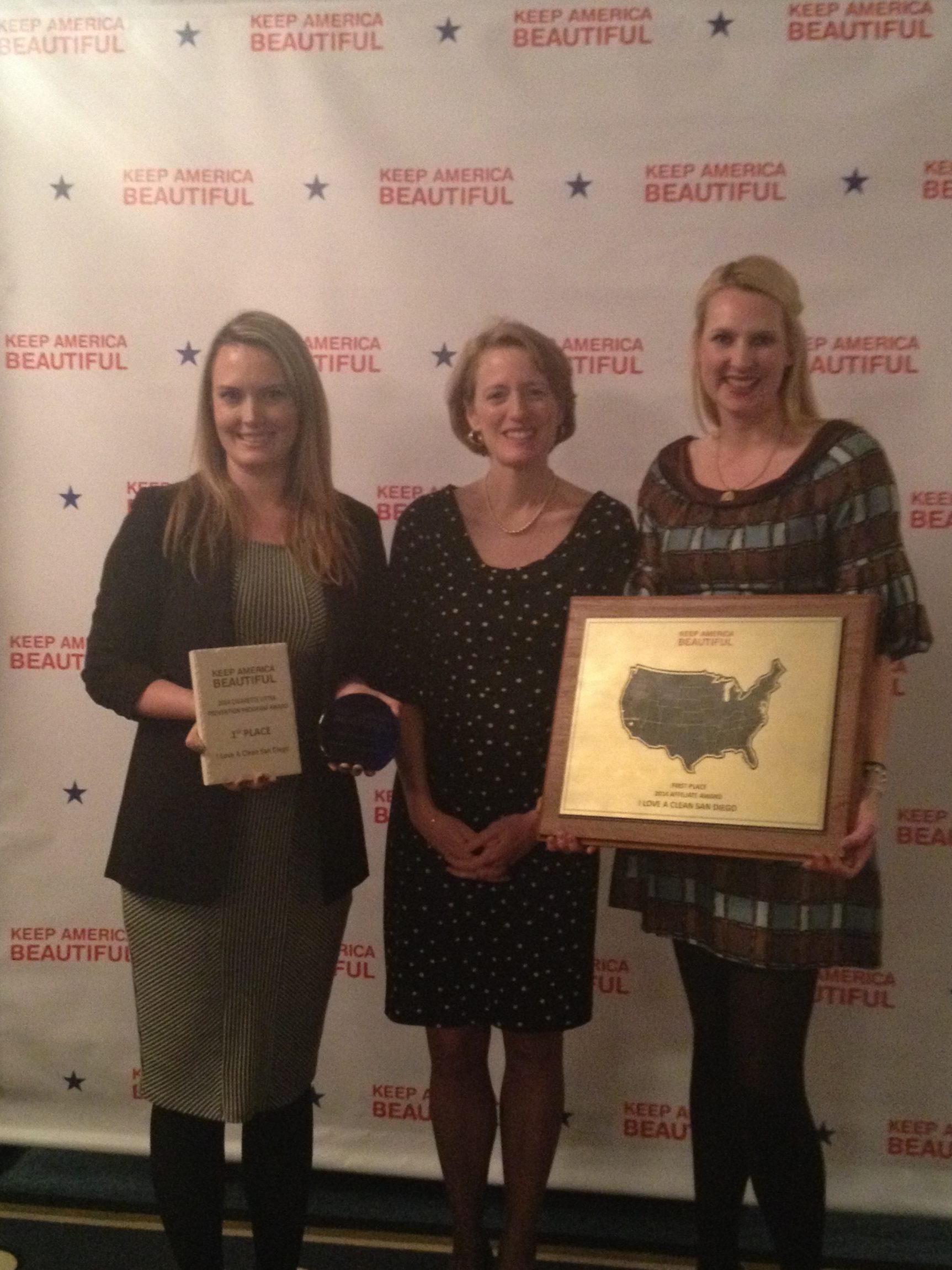
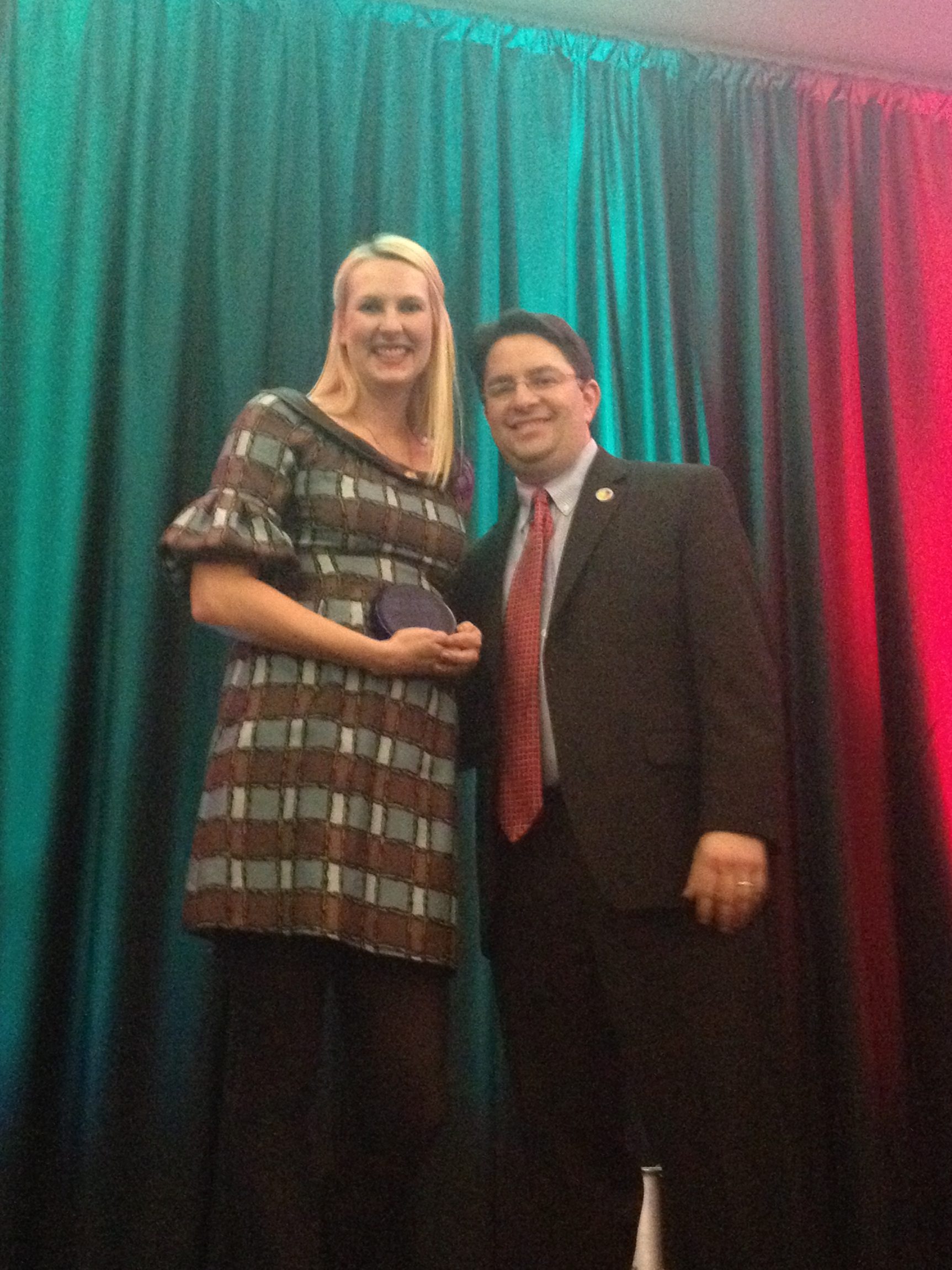
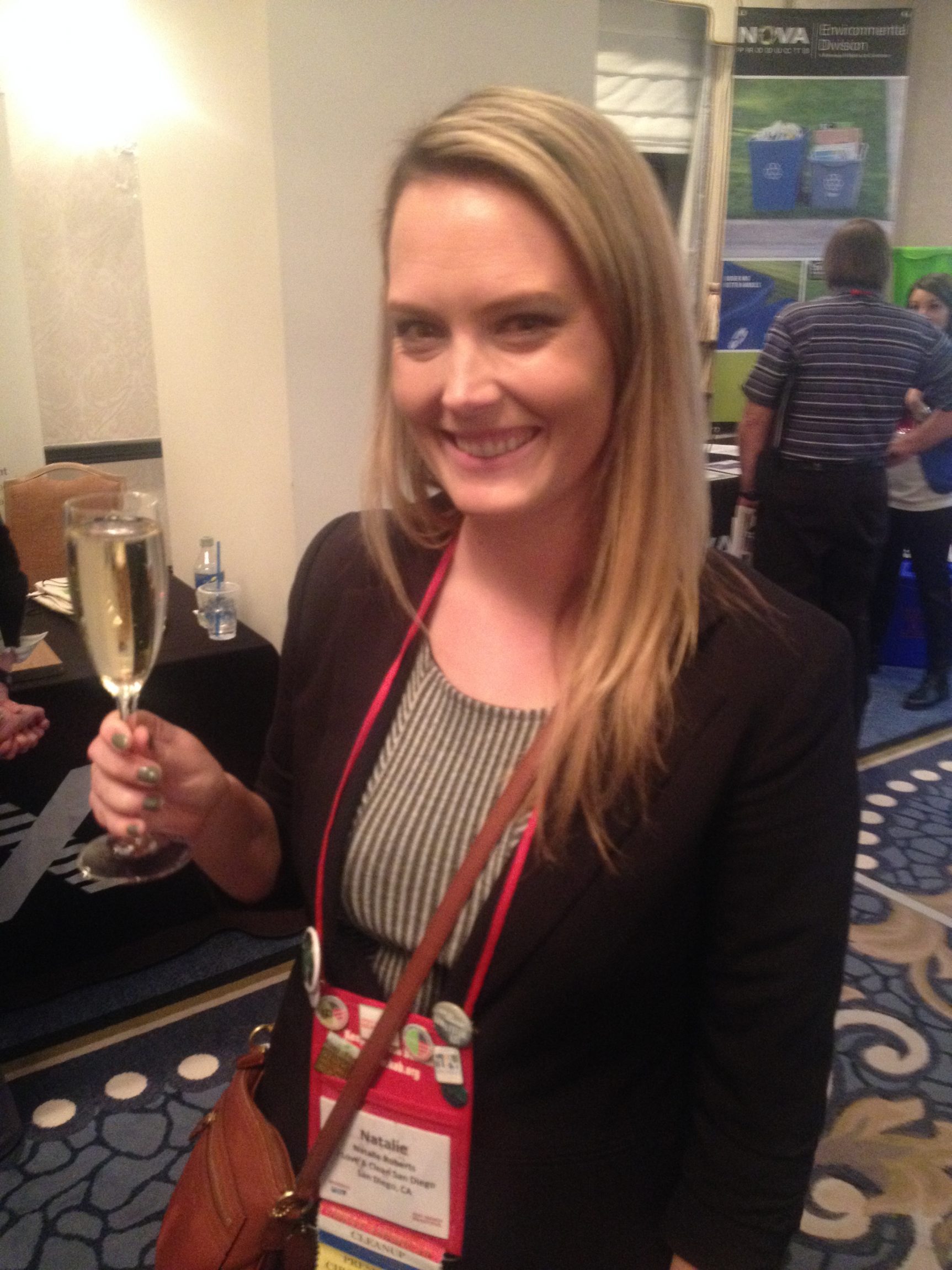
Last night was the awards dinner, and I have to say that ILACSD certainly cleaned up! We were up and down accepting three…yep…three first place awards! And we have the pictures to prove it!

Natalie Roberts, Morgan Justice Black and Keep America Beautiful COO Becky Lyons with out awards!
Natalie Roberts, Morgan Justice Black and Keep America Beautiful COO Becky Lyons with our awards!

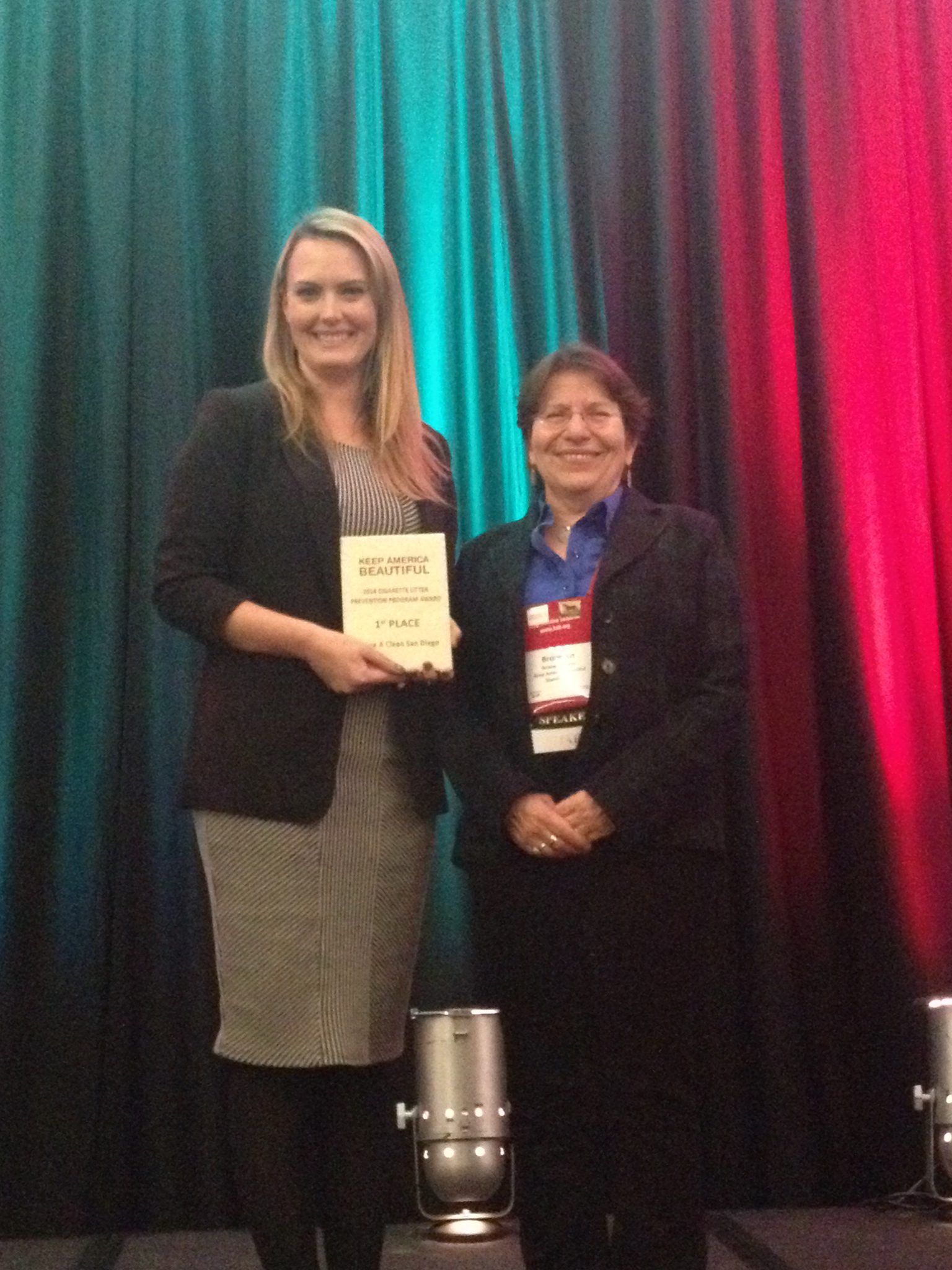
Our awards included first place for our Cigarette Litter Prevention Program, a program that we implement in San Diego in partnership with the Surfrider Foundation’s Hold onto your Butts program. Over the last five years, we’ve installed and maintained more than 100 ash receptacles in San Diego, helping make a dent in the amount of cigarette butts picked up during cleanups! In fact, in the areas that we’ve done this program, cigarette litter has decreased by an average 64%! This was a well deserved award for Natalie and her team in the Community Events Department!

KAB pic 3
Natalie accepting the CLPP award from KAB staffer Bronwen Evans.


Next, ILACSD was the recipient of a storytelling award, and this is the first year that this award category has been offered! Keep America Beautiful judges sifted through dozens of promotional materials, media articles, social media messages and more to identify five affiliates who are doing best at telling their story of building better communities. This is a true team win for us, as every member of the ILACSD team is involved in writing blogs and contributing to our social media!

Morgan, accepting the Storyteller Award from KAB staffer Mike Rosen, who was celebrating his 3rd day on the job!

The most exciting part of last night was the final awards category, the National Affiliate Awards. ILACSD was honored to receive First Place and awarded “Affiliate of the Year”. The plaque might not fit in our suitcases, but it will make it back to San Diego eventually! This award is truly an honor, since ILACSD has been an affiliate of Keep America Beautiful since the 1970’s. In fact, at breakfast today a man came up to me and told me how proud I should be to be part of I Love A  Clean San Diego because we were (and still are) a pioneer in the environmental movement! Back in the 1970’s, there were less than 50 KAB affiliates nationally, and we were the only one in California. Now there are more than 600 affiliates, and although I am biased, I have to say that we are one of the best!

So cheers from Washington, DC and thanks to all of our supporters for being part of our success!

KAB_pic4

Now it’s time for a nap…this three hour time difference is killer when the conference starts at 8am local time!


Recycling Behind the Scenes: Ramona’s HHW Collection Facility

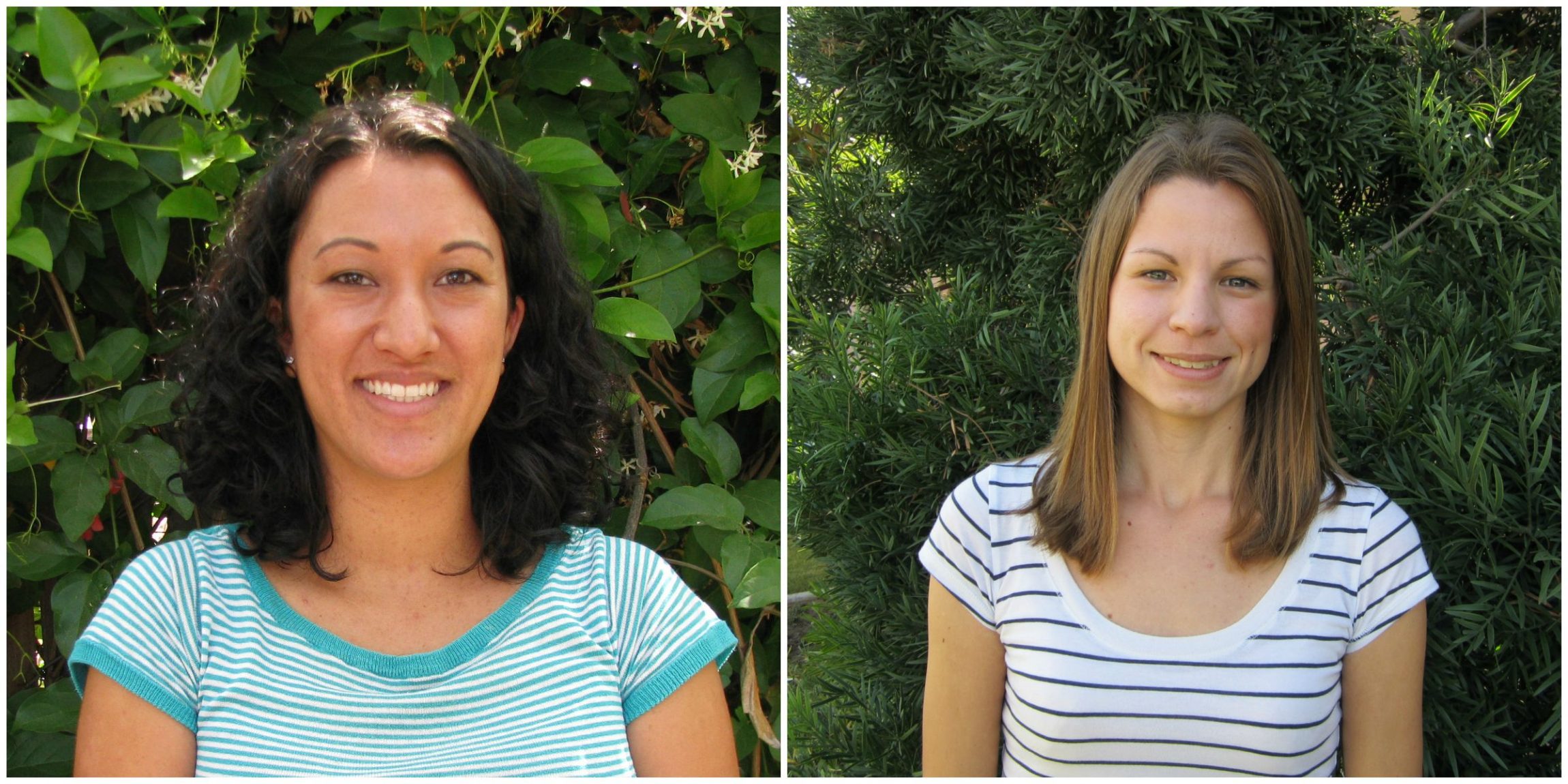
Amanda (left) & Barbara - ILACSD's Recycling Hotline Team
Amanda (left) & Barbara – ILACSD’s Recycling Hotline Team

Meet our hotline team, Amanda and Barbara! If you have every called our recycling hotline (1-800-237-BLUE) or visited our online database, www.WasteFreeSD.org, you can thank them for keeping recycling and household hazardous waste information up-to-date. They often recommend the Ramona HHW Collection Facility but recently realized that they had never actually been to the site themselves! Today, they’re giving us a behind the scenes look at how Household Hazardous Waste (HHW) is collected and disposed of.


Call 1-877-R1-EARTH to make your appointment!

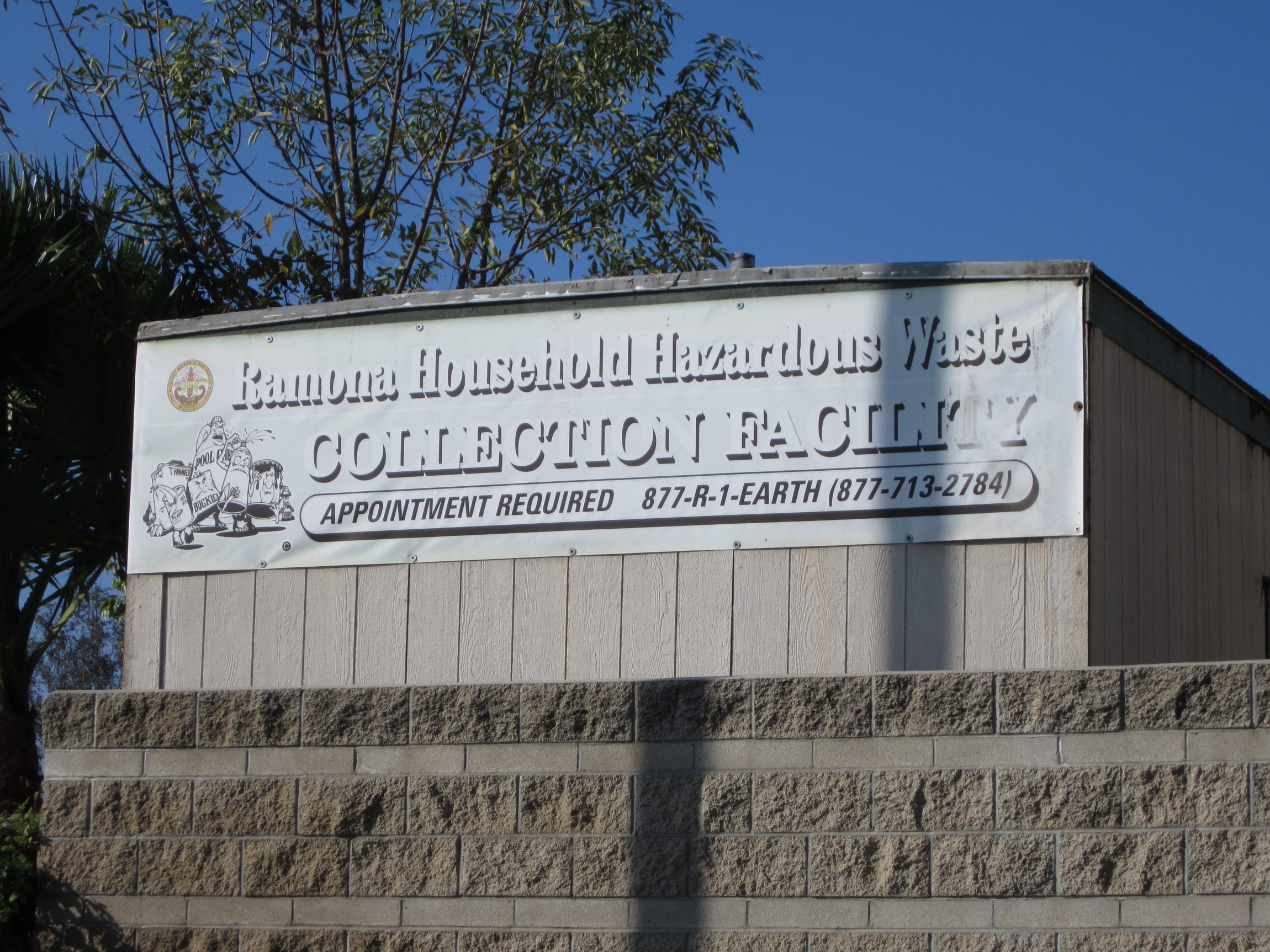
On a cool Saturday morning in December, we visited the Ramona Household Hazardous Waste (HHW) Collection Facility for a behind the scenes tour. The HHW facility is available to residents in the unincorporated areas, and it is 1 of 10 facilities that operate in San Diego County. Properly disposing of household hazardous waste is one of the best and easiest things you can do to protect our environment from toxins. We’ll take you through the whole drop-off process step-by-step!

Keep in mind the details on the drop-off process can vary from location to location, but should be generally the same countywide.

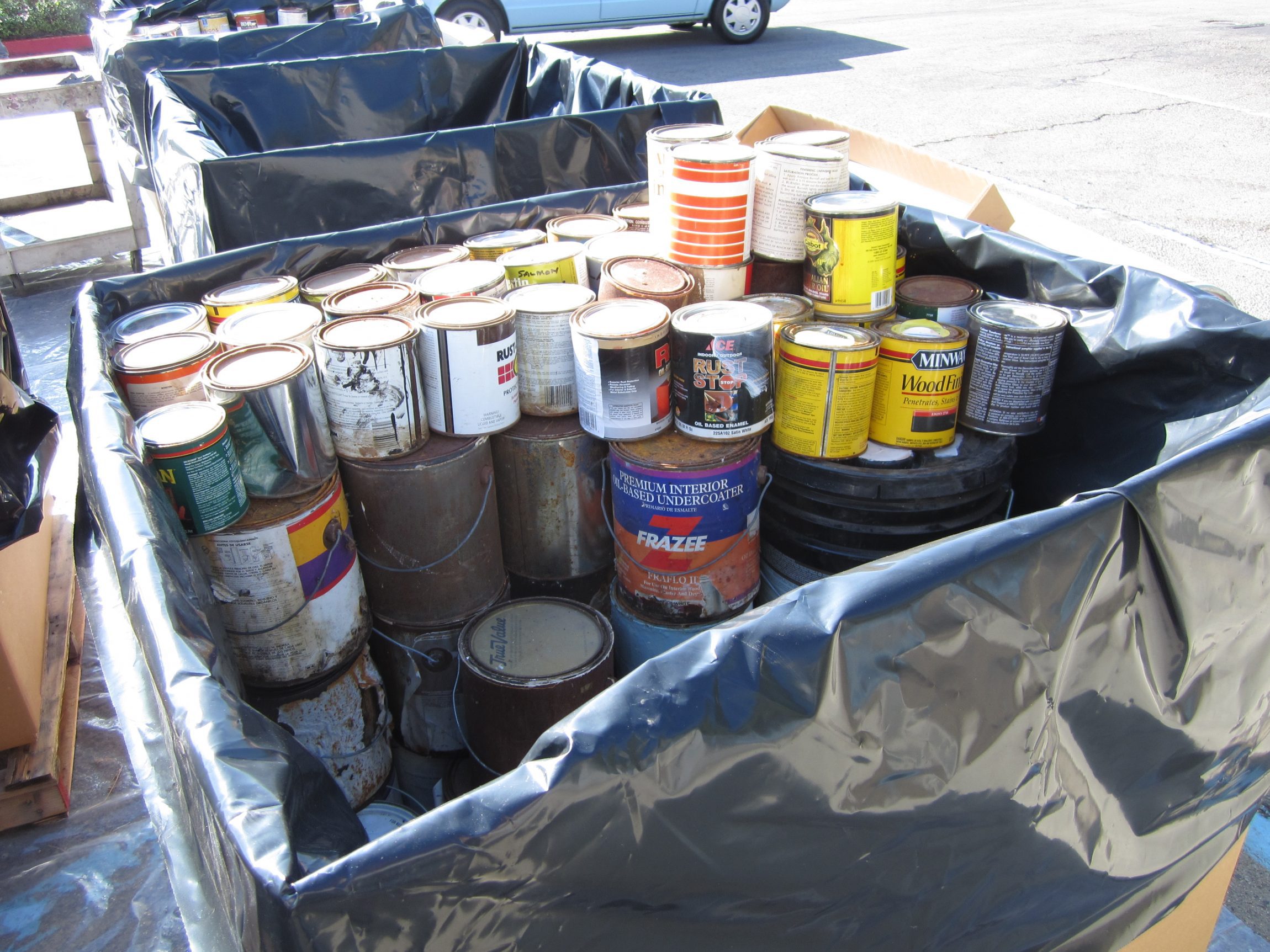
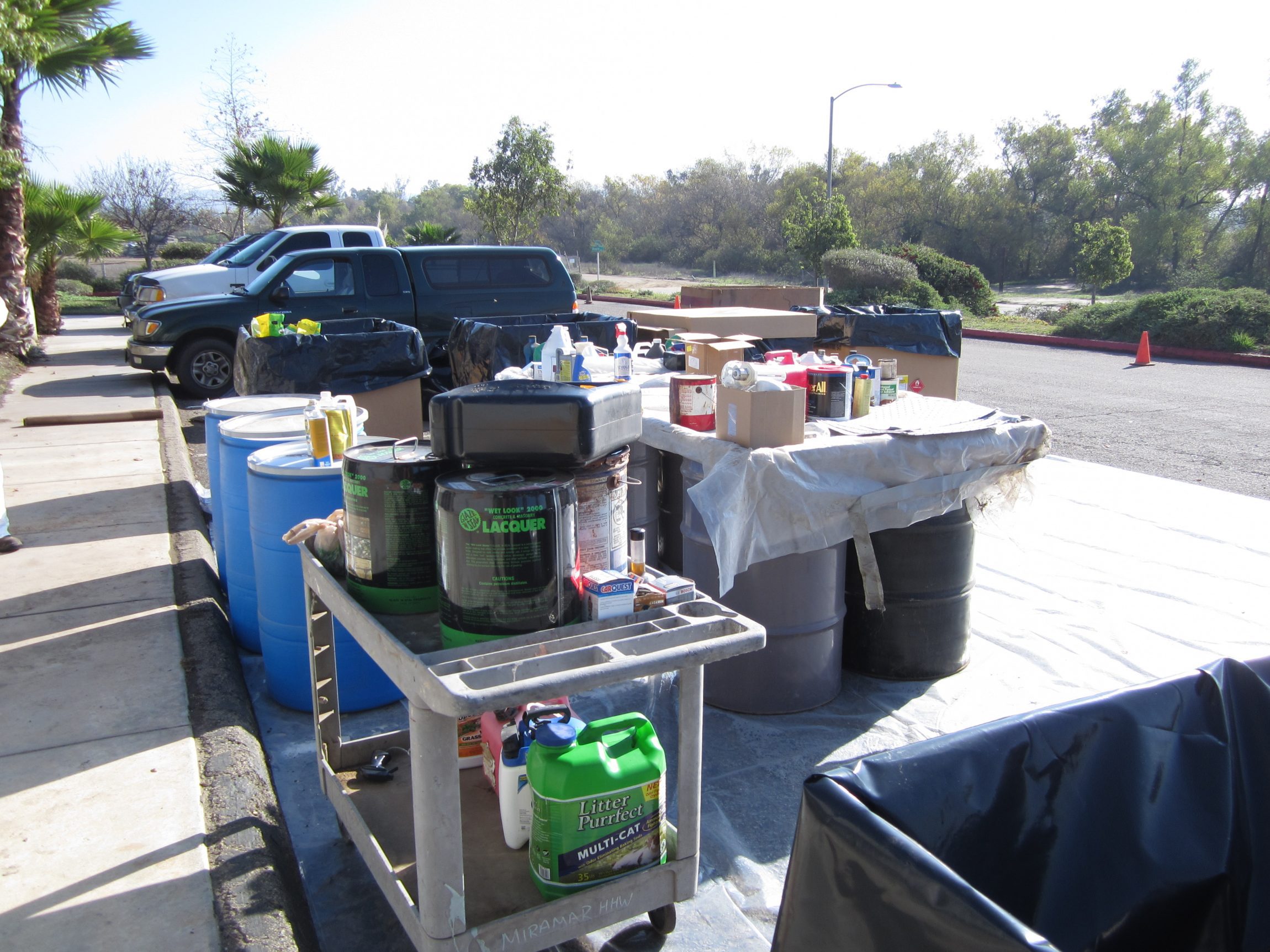
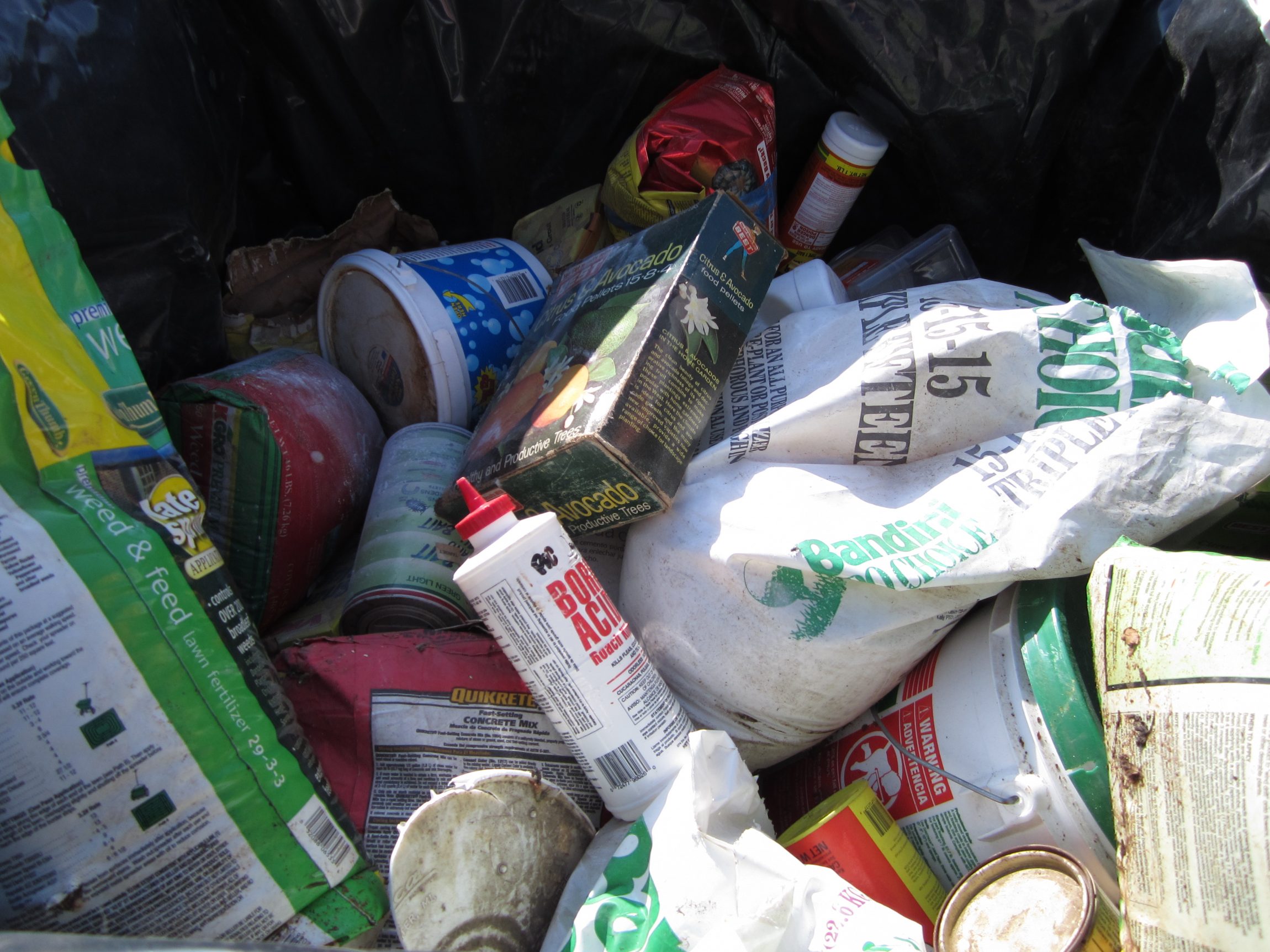
Common HHW items: paint, automotive fluids, fluorescent tubes, cleaning products, batteries and gardening chemicals.

Common household hazardous waste items include: paint, automotive fluids, fluorescent tubes, cleaning products, batteries and gardening chemicals – all of which can be disposed of at this facility! If you’re looking to dispose of any of these items, give us a call at 1-877-R1-EARTH to make an appointment.


After you’ve called us to schedule an appointment, head “up the hill”, as they say, to Ramona on your scheduled day and time.

When you arrive to 324 Maple Street, you’ll see Ramona Disposal. Enter the main driveway, head left and go past the half circle driveway where you can drop off regular recyclable items.The driveway will head around the building to the right, and it will take you straight into the line to drop off your hazardous items! Next you simply wait in line (if there even is one!), pull up to the proper spot, turn off your vehicle, and the helpful employees will unload your hazardous items. You don’t even have to get out of your vehicle!

After you are on your way to a relaxing Saturday with your hazardous items safely left behind, here is a little more info as to what happens to your hazardous waste:

–  All of the hazardous items are stored nearby, and picked up as space is needed, typically about once a month.

– There is a chemist on site to ensure that all hazardous items are moved and stored safely. If you have an odd item, you may always call us on our recycling hotline and we can work with you to find a solution to safely dispose of your item.

– As much as possible is recycled (like paint and motor oil), although some items do need to be disposed of at a hazardous waste landfill.

Check out our Clean and Green board on Pinterest to swap out some of your HHW for non-toxic items!

This seems like as good a time as any to give a friendly reminder to avoid toxic products as much a possible! Check out our Pinterest board that gives recipes to make your own natural products, or head to your local natural foods store to buy environmentally friendly cleaning products. There are also helpful guides available online to ensure you only buy the amount of paint needed for your home projects. Only buying what you need will help you avoid waste and save you a trip to the HHW Collection Facility.

Keep any eye out this spring for a blog post highlighting how to “green” your home!

Did you resolve to volunteer in 2015? Join us for our 1st cleanup of the year!

Lexi, Community Events CoordinatorToday’s blog comes from our Community Events Coordinator, Lexi! If you have volunteered at one of our cleanups there is a good chance you’ve listened in on one of her safety talks and witnessed her passion for the environment first-hand. Read on to learn more about why you should join her this Saturday, January 17th for one of our most unique cleanups of the year!

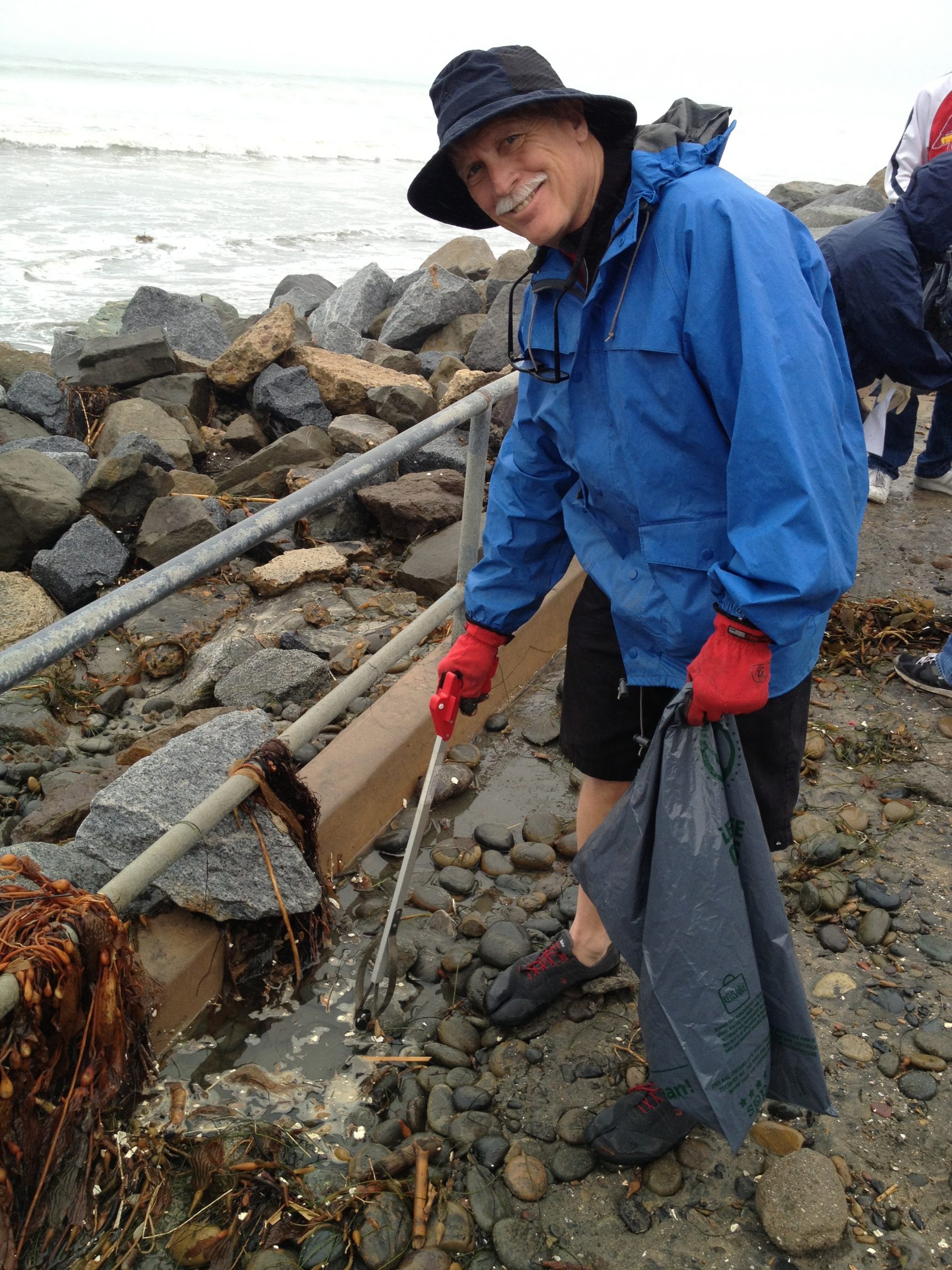
Looking to put a spin on your next beach cleanup? Help us comb through the sand at Torrey Pines State Beach on Saturday, January 17! This is the first of our 2015 Tsunami Sweepers Cleanups, a series of volunteer events with a goal of tracking debris from the 2011 earthquake and tsunami that struck the eastern coast of Japan.

When the tsunami waves hit coastal Japan in March of 2011, an estimated 5 million tons of debris washed out into the Pacific Ocean. Of the 5 million tons, the Japanese Government has approximated that 30 percent of it—1.5 million tons—was buoyant enough to travel out into the ocean via wind and water currents.

Over the next several years, Californians should expect to see an increased volume of debris washing ashore—and some of it has traveled very, very far to get here. Thankfully, NOAA (the National Oceanic and Atmospheric Administration) anticipates no elevated level of radiation in any of these items that may have originated near the nuclear power plant in Fukushima.

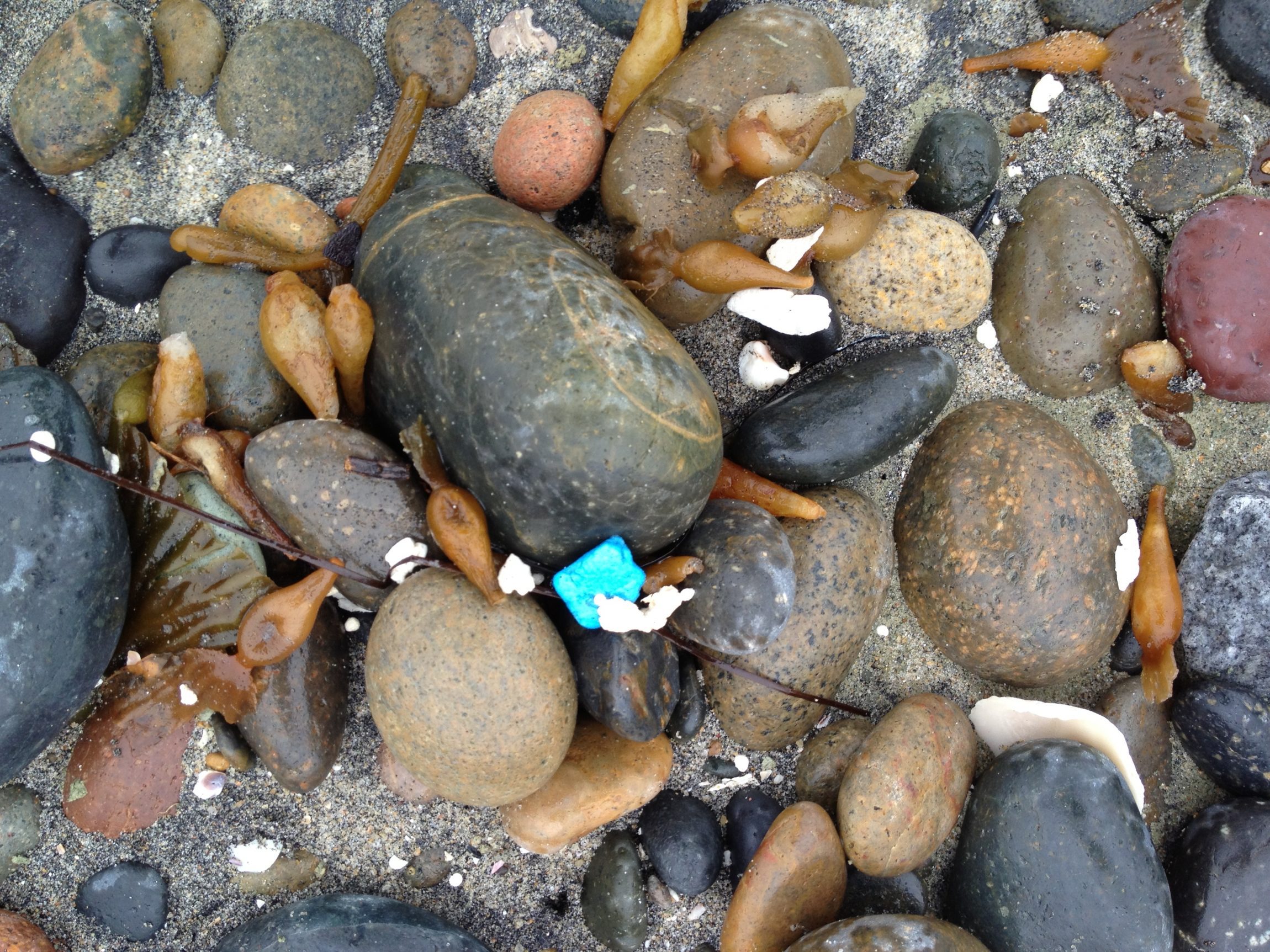
Bits of polystyrene foam, commonly referred to as styrofoam.
Bits of polystyrene foam (commonly referred to as Styrofoam) never fully degrade and easily mix in with rocks and sand. This is harmful to marine life as they often mistake it for food.

Thanks to the California Coastal Commission, we will be providing volunteers with data cards at these cleanups so that they can search for and track possible debris from this disaster. What will this debris look like? Some expected items include construction debris like lumber or building materials, consumer debris with Japanese characters or text, fishing gear, and polystyrene foam (Styrofoam).

Think it’s easy to identify these items and trace them back to Japan? It may be more difficult than it sounds. Even if our volunteers find large volumes of polystyrene foam debris, it can be challenging—and maybe even impossible—to be able to track it back to Japan. After all, our volunteers find polystyrene foam litter at many of our other cleanups, too.

But we purposefully selected Torrey Pines State Beach as the location for this event. NOAA has estimated that any tsunami debris that does wash up this far south down the coast will hit Torrey Pines, based on water and wind current patterns.

IMG_0493The California Coastal Commission funded a round of these cleanups in 2013, and more than 5,400 volunteers hit beaches up and down the coast to hunt for tsunami debris. While it has been challenging to confirm that any of the items found originated in Japan, many suspicious items have been found, including building materials and lumber with joinery more common to Japan than to US construction.
Volunteers are still needed for this event. To get involved, contact Lexi Ambrogi at lambrogi@cleansd.org or 619-704-2778. Hope to see you there!

Check out what ILACSD accomplished in 2014!

Today’s blog will be short and sweet. We’d like to extend our sincerest thank you to everyone who made our 60th anniversary in 2014 a year to remember. Checkout the infographic below to see exactly what YOU helped us accomplish this year. We can’t wait to see what awaits us in 2015!

ILACSD_Infographic

Kids’ Ocean Day Migrates South this Winter!

Erika-teamToday’s blog comes from our Education Coordinator and Kids’ Ocean Day extraordinaire, Erika! Each year, ILACSD invites students to see first-hand how pollution negatively impacts our ocean as well as the opportunity to send a powerful message to the greater San Diego community through aerial art – but this year there is a twist. Read on to see what’s new about this year’s Kids’ Ocean Day and how you can get involved!

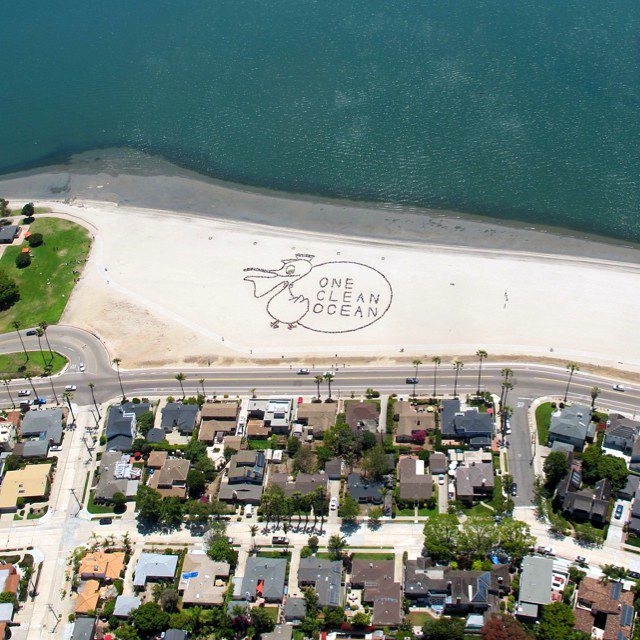
What does it look like, when 1000 students, teachers, and volunteers come together to actively conserve the environment? This:

2014 Kids’ Ocean Day aerial art formation
This is the image of the 2014 Kids’ Ocean Day aerial art formation.

 Join us Thursday, February 26th from 8am – noon at Border Field State Park!

For the past 12 years, I Love A Clean San Diego has participated alongside 5 Californian cities to celebrate World Oceans Day through Kids’ Ocean Day; a program funded by the California Coastal Commission. This is a multifaceted event, starting with an ocean conservation assembly, then students have the opportunity to take action through a beach cleanup, and can educate others by creating a message that can be seen from the sky.

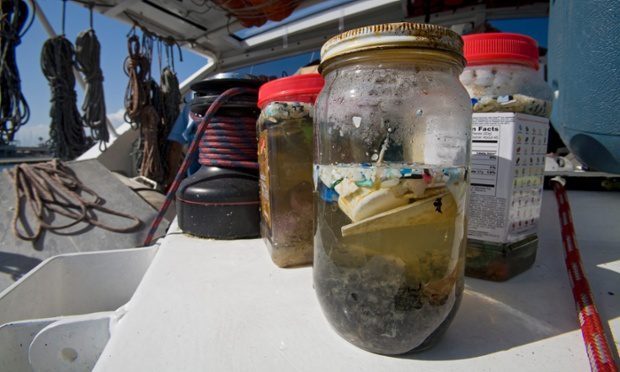
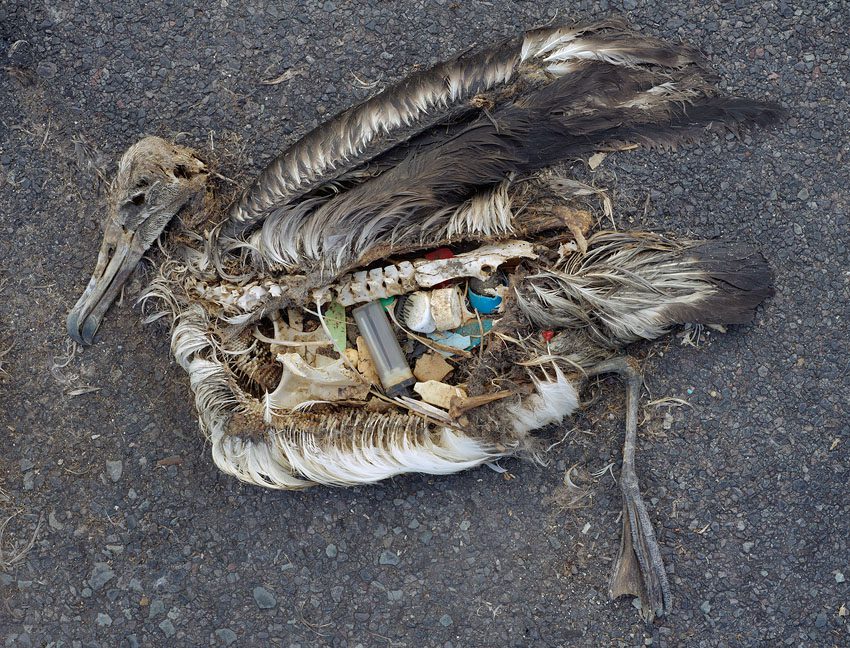
microplastics_TheGuardianThis couldn’t be happening at a better time. Right now, our oceans are in trouble. Data show our oceans are inundated with trash, specifically plastic pollution. Each of our five major gyres has garbage patches; our local North Pacific Gyre has three. Microplastics, which create a plastic soup in our oceans, are found to absorb chemicals in the ocean, creating a cesspool of toxic waste animals cannot escape. Millions of animals die annually of starvation, with bellies full of plastic. Now is when we need a change. Now is when we need help. We need help to keep our oceans alive.

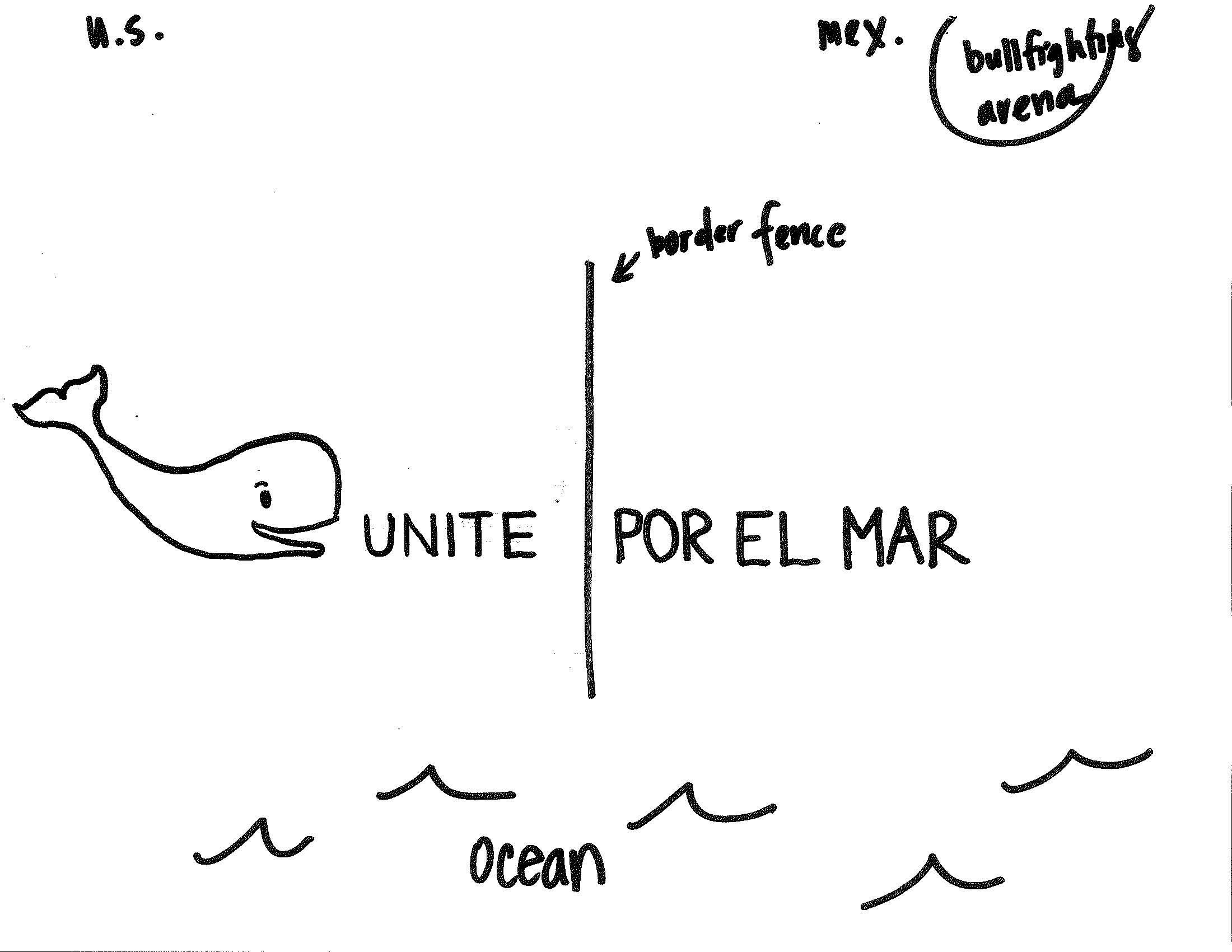
albatrossAfter educating students on information like the Pacific Garbage Patch and Midway Atoll, I find that most students immediately want to make a change and take action. Kids’ Ocean Day provides this opportunity. This year, we are taking it a step further. This year, we are expanding our program to include not one, but two nations. The ocean is one thing that connects the global world, so we feel like we should act globally through a bi-national Kids’ Ocean Day. Students from both sides of the border will be participating in a beach cleanup and then will create an aerial art image that spans two countries. This year’s image celebrates the ocean while asking for help. It is a message from the ocean, which will read “Unite por el mar” / “Unite for the sea!”


UNITE POR EL MAR!

At this time, we are still in the process of recruiting volunteers. If you are interested in helping and celebrating the ocean, please contact Lexi at lambrogi@cleansd.org. Unite por el mar!

A Crash Course in Local Water Issues

Today, we share our last blog post from Environmental Educator, Monica Rosquillas, who will be setting out on a new path in 2015. A member of the ILACSD team for more than two years, Monica just completed the Citizen Water Academy program and provides a brief rundown of what she learned below. You can even test your local water knowledge in a quiz she created!

Last October, I had the privilege of being part of the inaugural class of the San Diego County Water Authority’s Citizens Water Academy.

The Citizens Water Academy is open to future and emerging leaders in the San Diego region that desire to learn about critical water issues in the region.

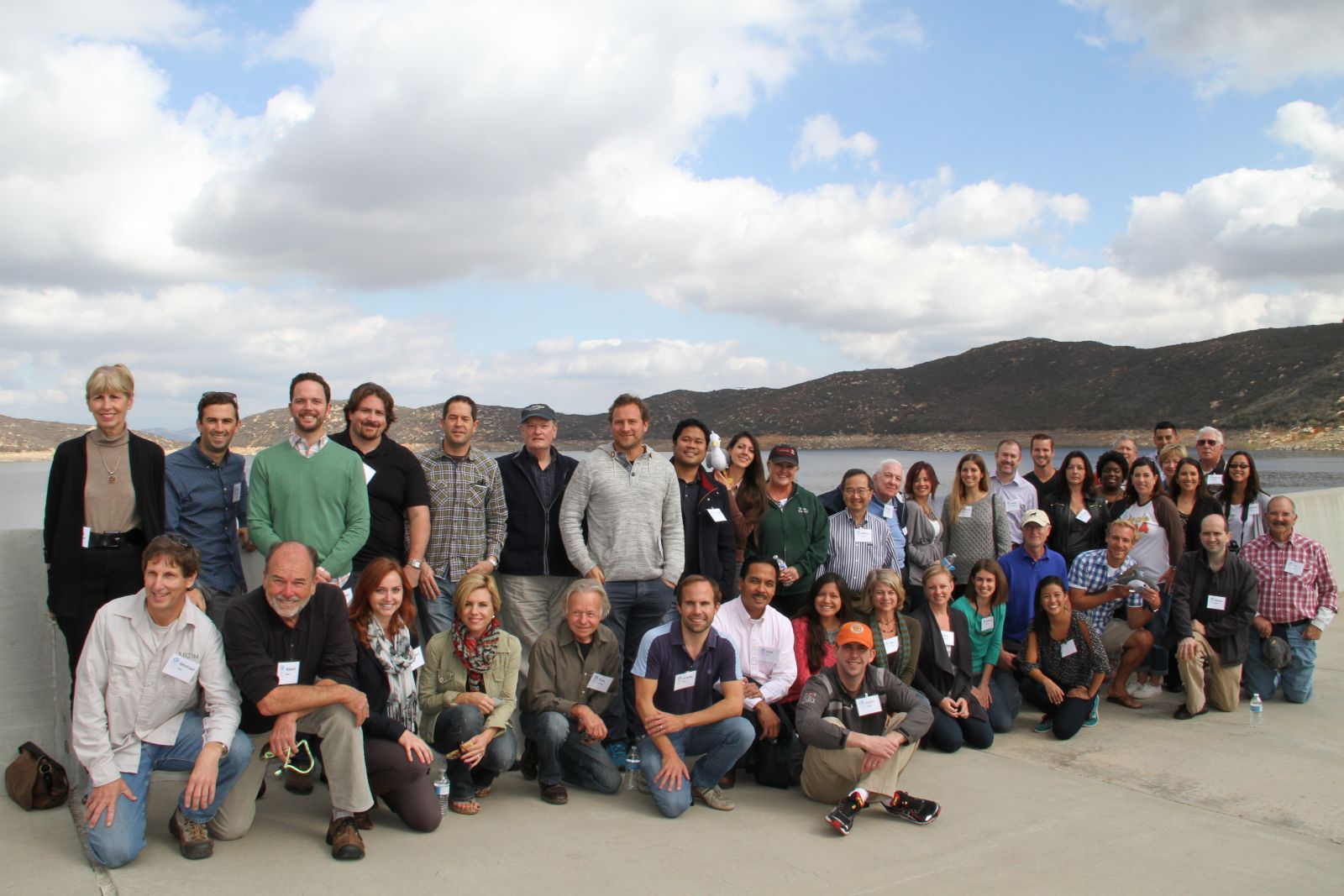
Fall 2014 Citizens Water Academy participants

It was a four session program the included presentations from local water experts and tours to local water facilities.

Here’s a short run-through of the academy and some interesting information I learned along the way.

Session 1 was held at the San Diego History Center in beautiful Balboa Park.
During this session, local water experts presented on San Diego’s water history and its future.
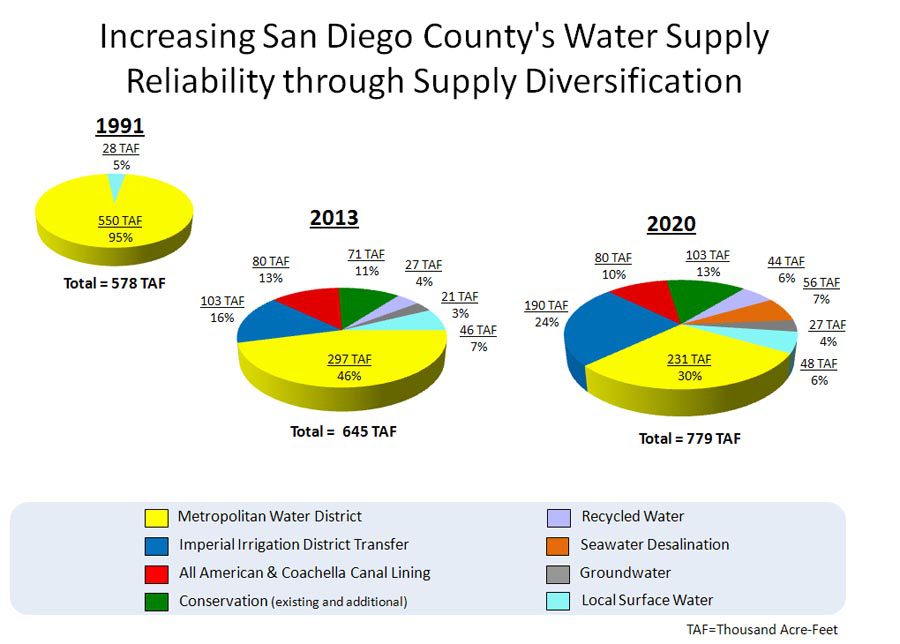
Within the last 24 years, San Diego has increased its water reliability through supply diversification.

picture 2
Did you know where our tap water comes from?


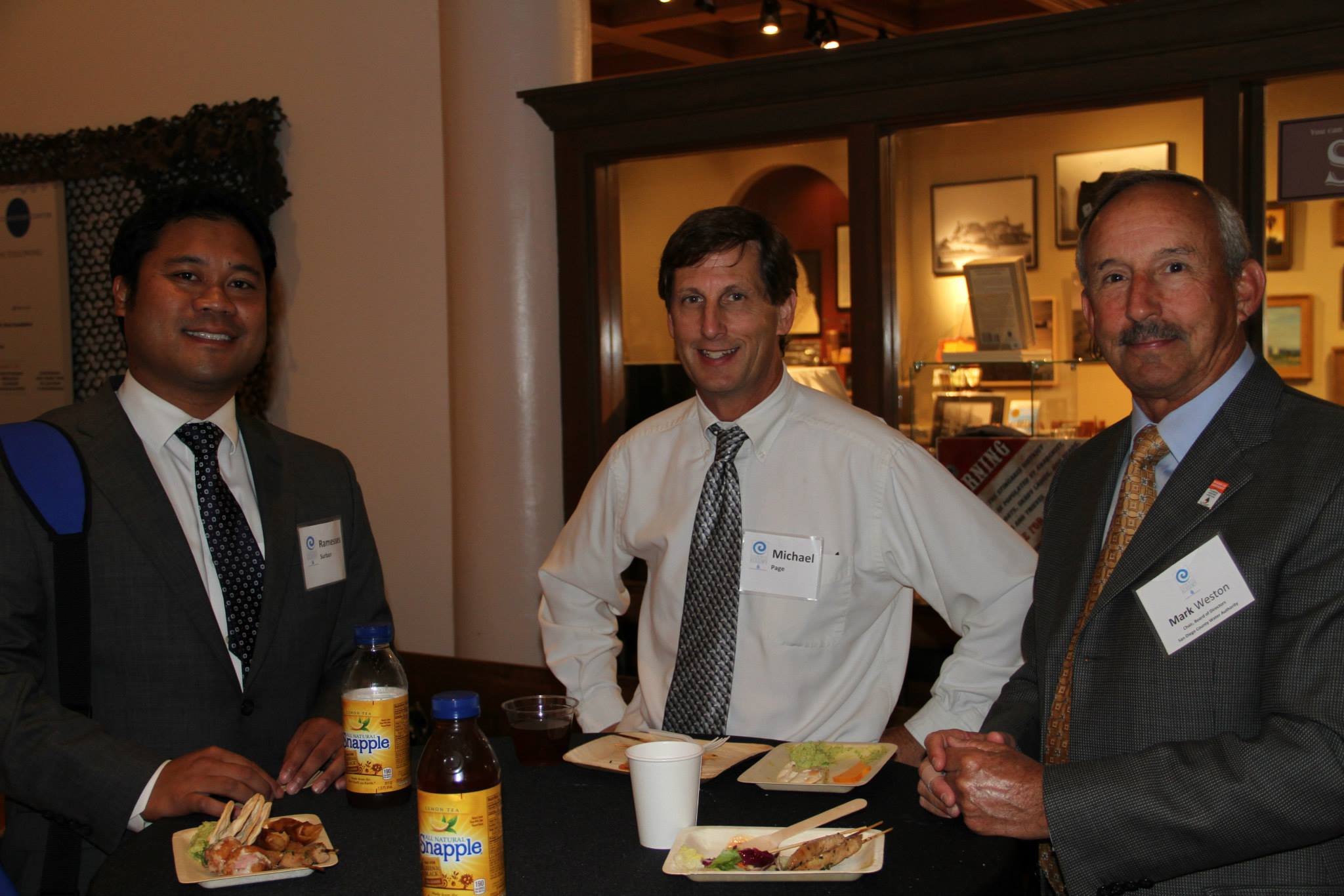
Here’s Michael Page, ILACSD board member who also participated in the Citizens Water Academy. On the right is Mark Weston, Water Authority Board Chair. On the left is Ramesses Surban, Citizens Water Academy student

Session 2 was held at the Escondido Operations and Maintenance Center. We learned about Regional Water Infrastructure, Water Authority Operations, and the Water Authority’s Emergency Preparedness Efforts.

Did you know that San Diego uses enough water every day to fill Qualcomm Stadium twice?

During session two I learned all about what goes into importing water to San Diego, storing it, treating it, and delivering that water to our homes. I have always been conscious of my water use but I now have a new appreciation of San Diego’s clean and reliable tap water.

Ever wonder what happens to our water supply in case of an emergency? Watch this video  to find out.


Session 3 was at the North City Water Reclamation Plant.

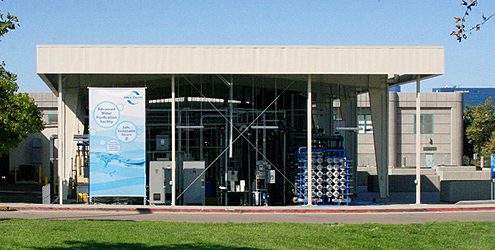
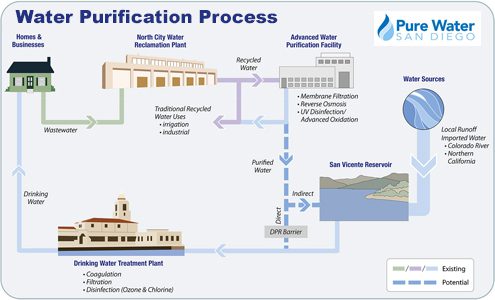
There, we took a tour of San Diego’s Advanced Water Purification Facility, where wastewater is treated and recycled.

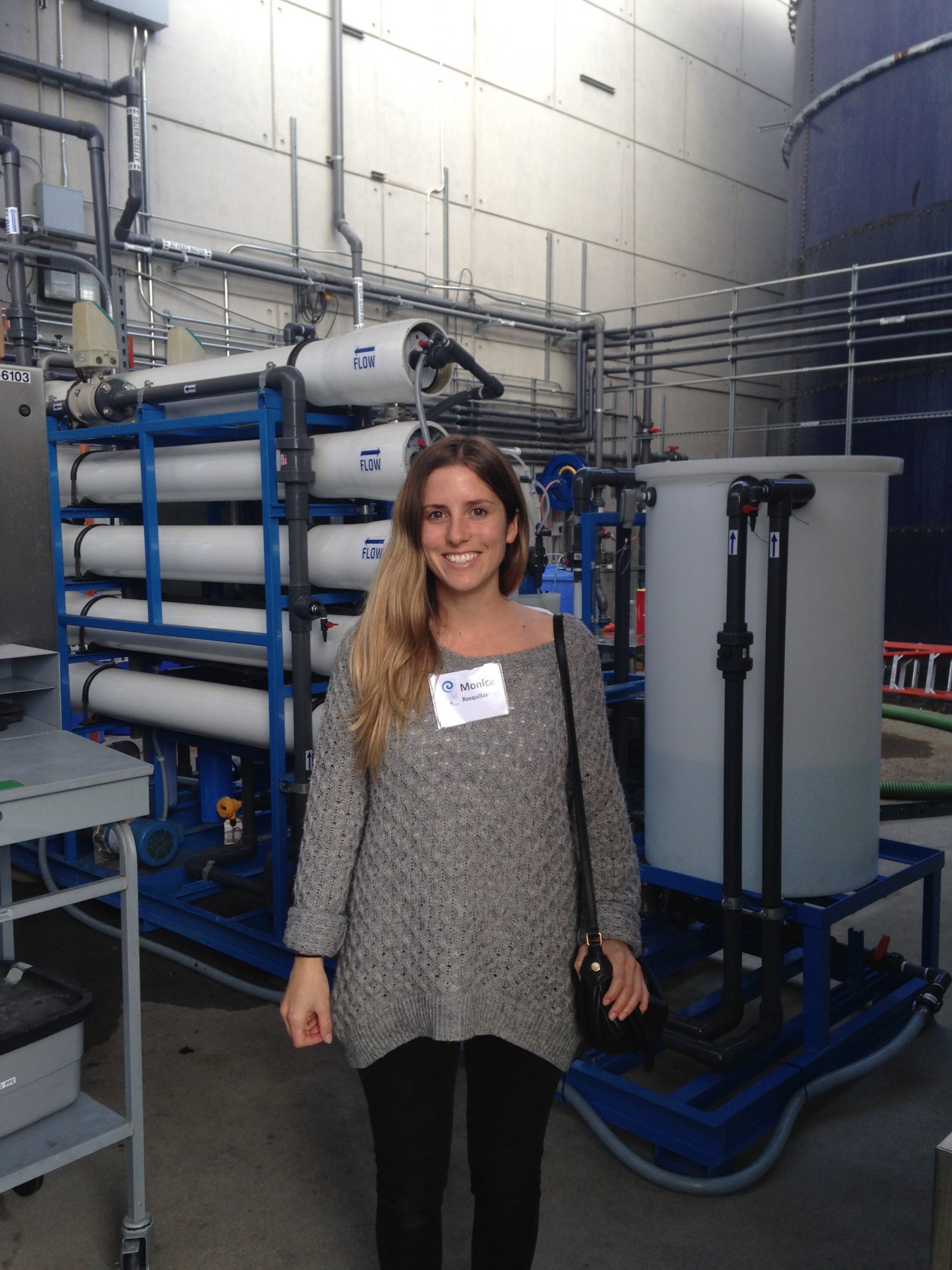
picture 4 picture 5

Session 4 was a busy day!

After breakfast and check in at the Escondido office, we got on a bus and headed over to the Carlsbad Desalination Plant.

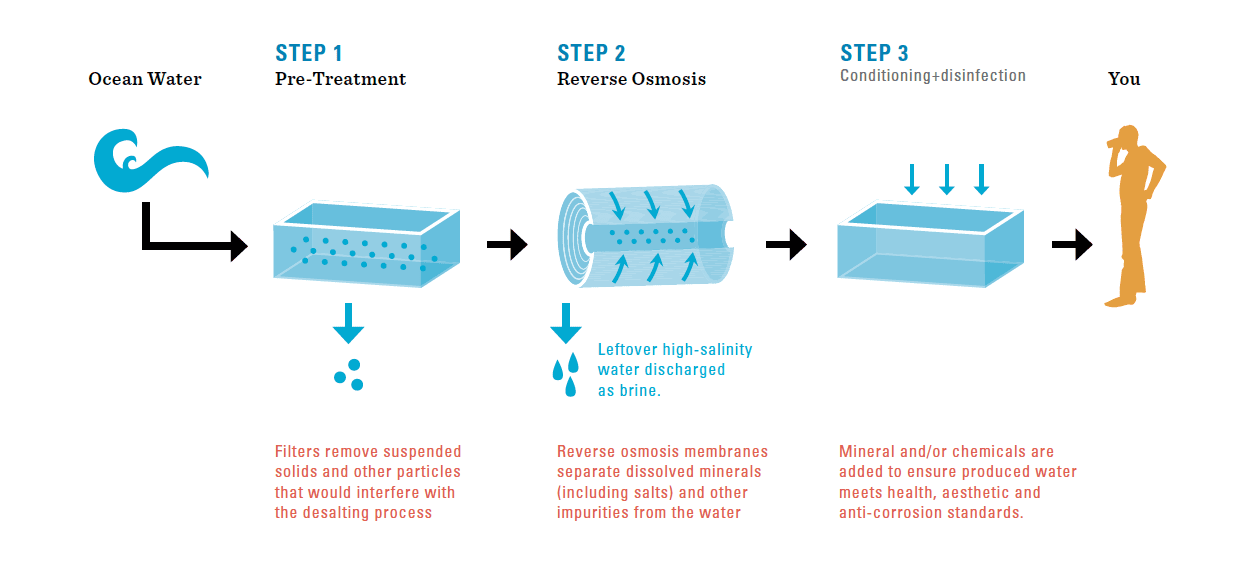
The Desalination plant is a $ 1 Billion project expected to produce drinking water for the San Diego region as soon as fall 2015. The plant will meet about 7% of the county’s water demands in 2020.

Here’s how it works.

picture 6


We then headed over to Olivenhain Reservoir.  This is the region’s first major new dam and reservoir in 50 years. The Olivenhain Reservoir can store 24,000 Acre Feet of Water.

picture 7
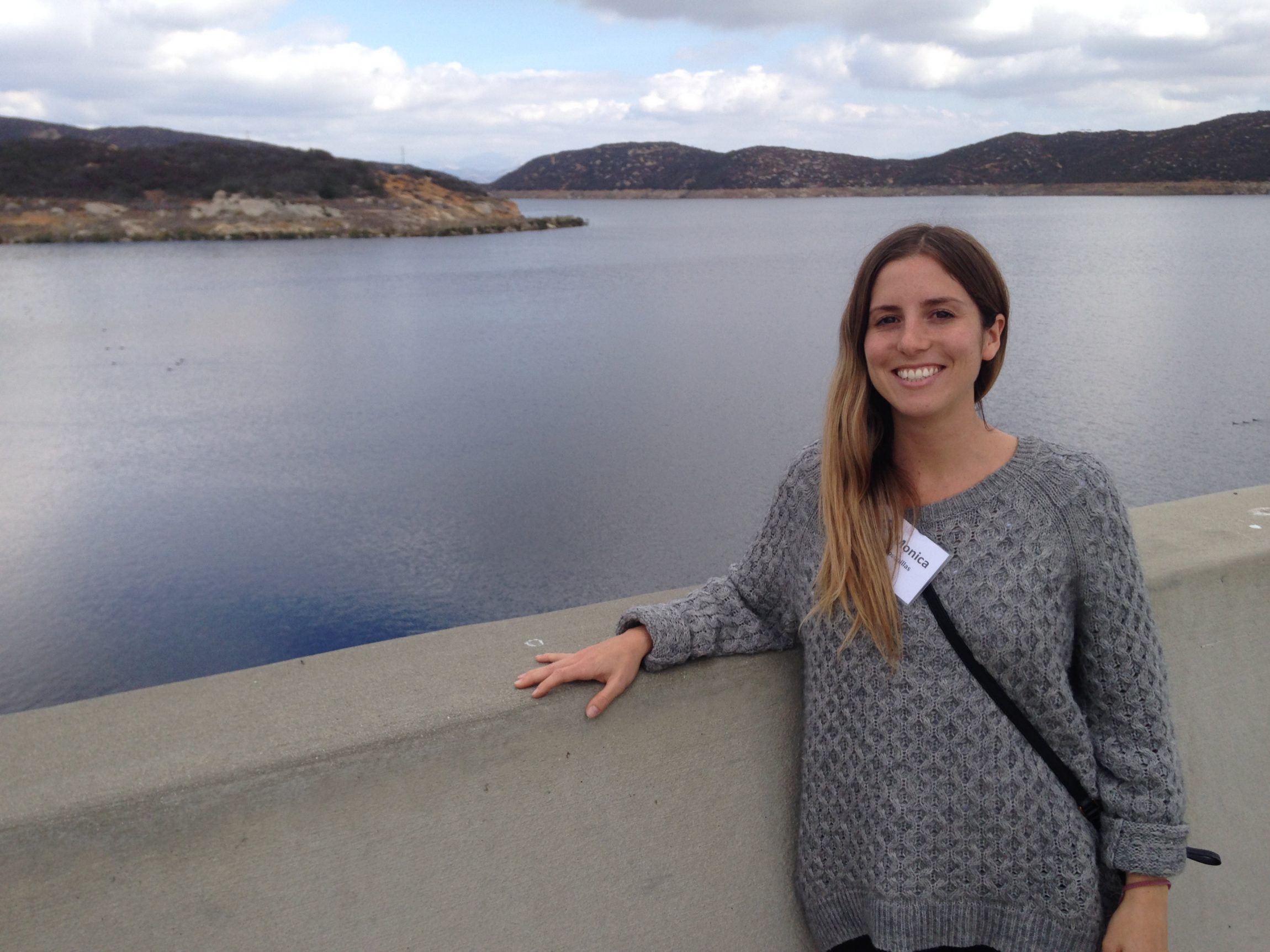
Here I am at the Olivenhain Reservoir


Afterwards, we took a trip over to Stone Brewery in Escondido and were able to tour their water recycling facility.

Here I am at Stone.
Here I am at Stone.

Finally, we headed back to the Escondido office for our Graduation Ceremony.

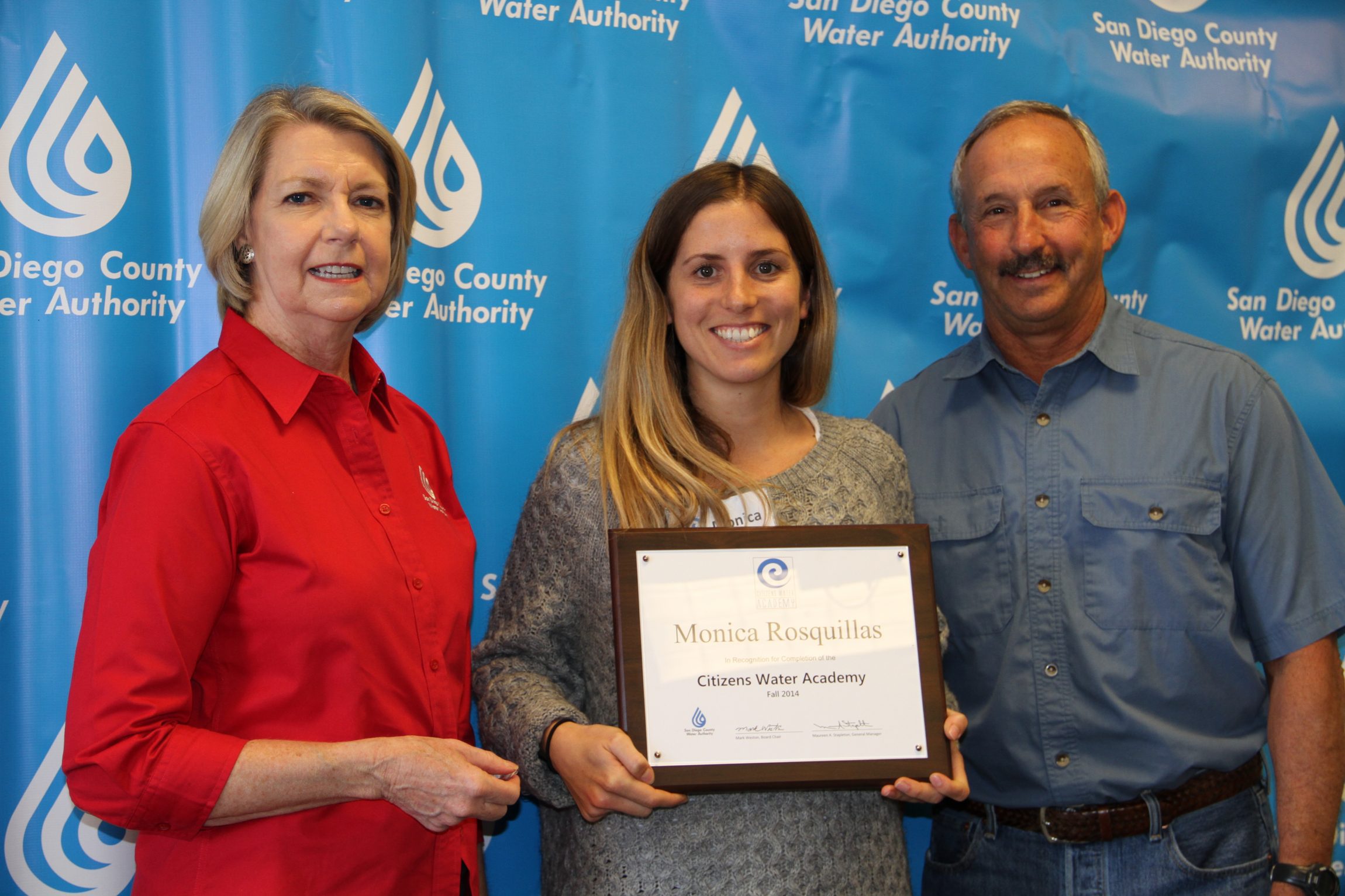
Here I am with Mark Weston, Board Chair, and Maureen A. Stapleton, General Manager of the San Diego County Water Authority


The Citizens Water Academy provided me with the opportunity to learn firsthand from local water experts about the region’s water supply that I have shared with hundreds of students in San Diego County, hopefully inspiring them to conserve this precious natural resource.  If you’re interested in participating in the Citizens Water Academy, a project of the San Diego County Water Authority, they are currently accepting applications for their Spring 2015 class. Learn more information online.

Think you’re a water expert? Test your local water knowledge in a quiz that Monica created based on what she learned in the Citizens Water Academy!

Feeling stumped about holiday tree recycling? We have answers!

SONY DSCToday’s blog comes from our Marketing Coordinator, Sarah. Like many, Sarah loves celebrating the holidays and decorating her home. One of the most common and beloved symbols of the season are trees and other greenery such as wreaths, but what should we do with them after the beginning of the New Year? Read on to learn more about convenient tree recycling resources near you!


Fast Facts

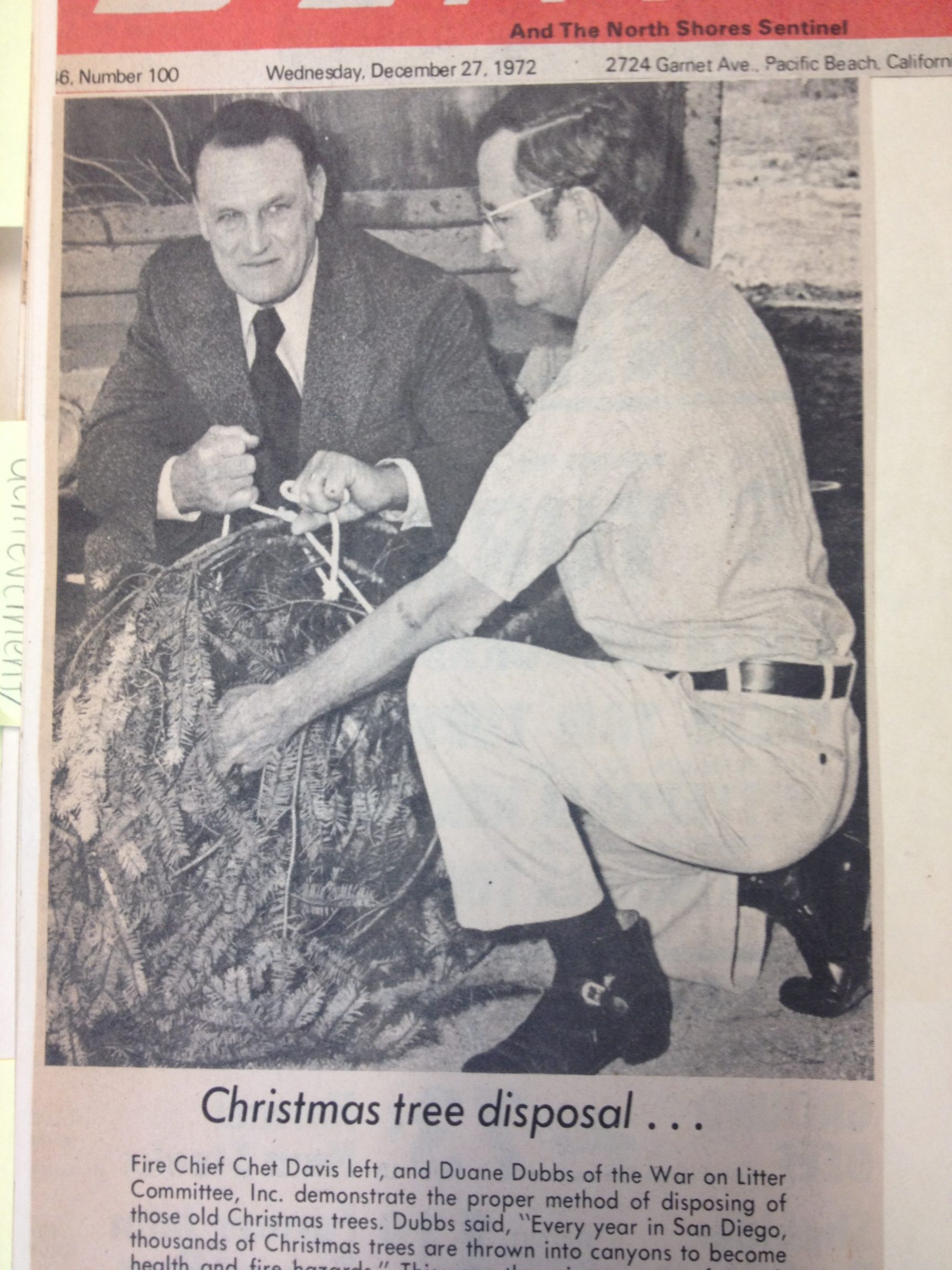
Holiday tree recycling - 1972

  • 25-30 million holiday trees are sold each year in the United States and unfortunately many of them are sent to our landfills.
  • However, trees and other yard wastes can be easily made into compost and mulch to improve soil health at residences, public parks and local farms, when recycled properly.
  • For over 40 years, ILACSD has put together a countywide recycling guide for residents each year that explains how and where you can recycle your tree!

Let us help you find a convenient pick-up or drop-off option! Most waste haulers offer special holiday tree recycling programs to pick up trees with yard waste on regular collection days. In addition to curbside pick-up, tree drop-off sites are located in the communities of:

  • Bonsall
  • Carlsbad
  • Chula Vista
  • Coronado
  • Crest
  • Del Mar
  • El Cajon
  • Escondido
  • Fallbrook
  • Imperial Beach
  • Jamul
  • Lakeside
  • La Mesa
  • Lemon Grove
  • National City
  • Poway
  • Ramona
  • San Marcos
  • Santee
  • Solana Beach
  • Valley Center
  • Vista
  • And several communities in the City of San Diego


Please click here to get answers to your recycling questions! For tree recycling, please search “Holiday tree recycling” to find our resource guide!

A complete list of tree recycling locations is also available at www.WasteFreeSD.org or by calling 1-877-R-1-EARTH.