
The Low Down on Recycling Lithium Ion Batteries

Big news out of San Diego recently hit the recycling world. Zheng Chen, an assistant professor and nano-engineer from UCSD has developed a new method to recycle lithium-ion batteries. More specifically, according to a report by the San Diego Union Tribune, “He has developed a way to recycle used cathodes from spent lithium-ion batteries and restore them to the point that they work as good as new.” Considering those cathodes contain cobalt, a rare earth metal with a finite supply, this type of recycling has a momentous impact on the future of the tech world, most notably electric vehicles.
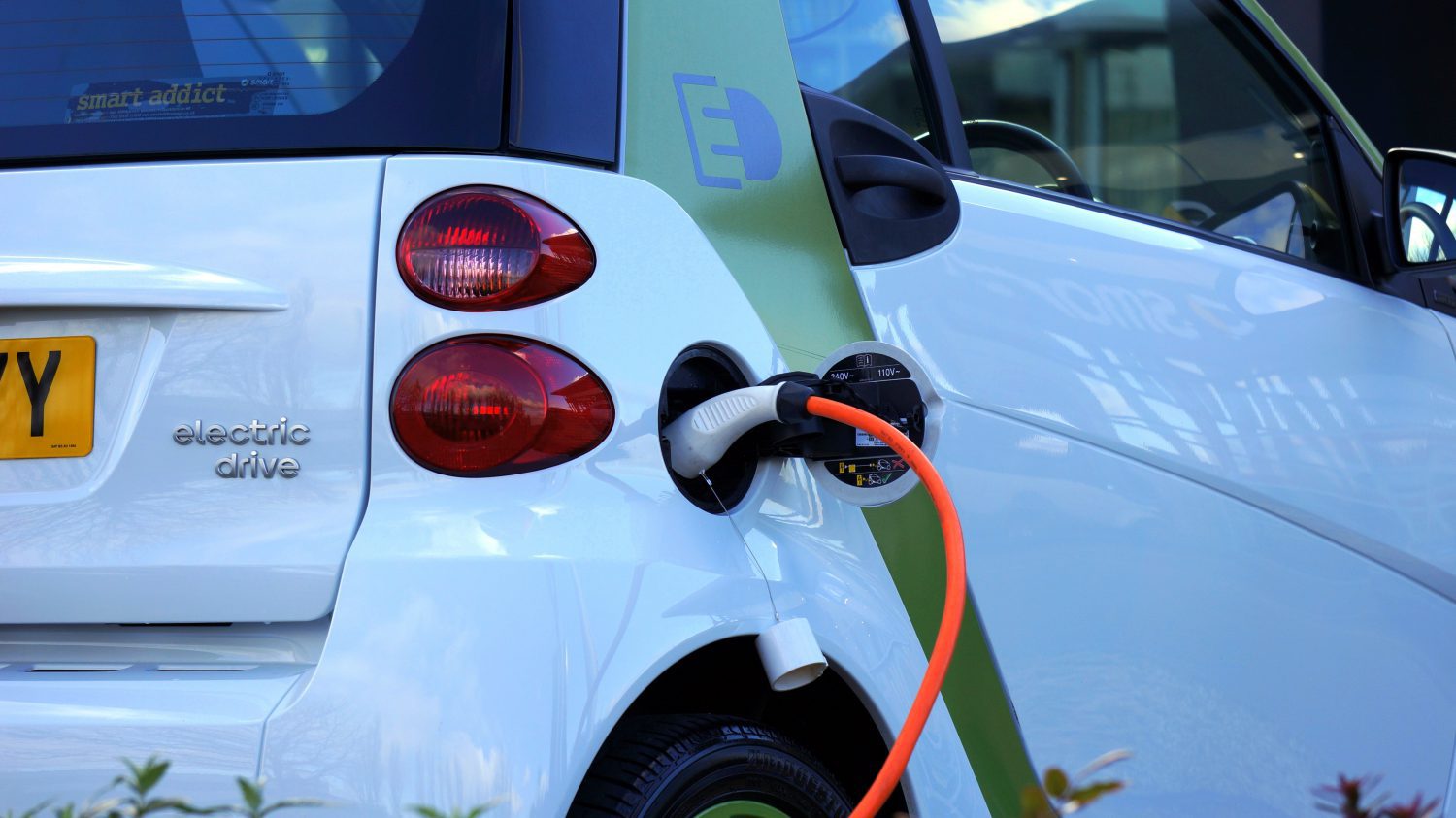
Electric vehicles use lithium-ion batteries that use rare earth metals like cobalt that have a finite supply.

So what does this mean for you? Well, maybe you saw an article headline and figured you can start tossing your lithium-ion batteries into your blue bin (false!). Or maybe you’re confused because you thought you already recycled all of your batteries. While the energy in the battery itself may not be reusable (at a large scale just yet), the materials themselves are 100% recyclable. With lithium-ion batteries powering many cell phones, laptops, power tools, and other electronics, it is likely we all have a few of these floating around our home. However, according to Chen, less than 3% of lithium-ion batteries around the world are recycled. For that reason, it’s important for us all to have accurate information on the proper way to handle these batteries at the end of their lifespan. We enlisted our friends over at Universal Waste Disposal Company to help us give you the low down on recycling lithium-ion batteries.
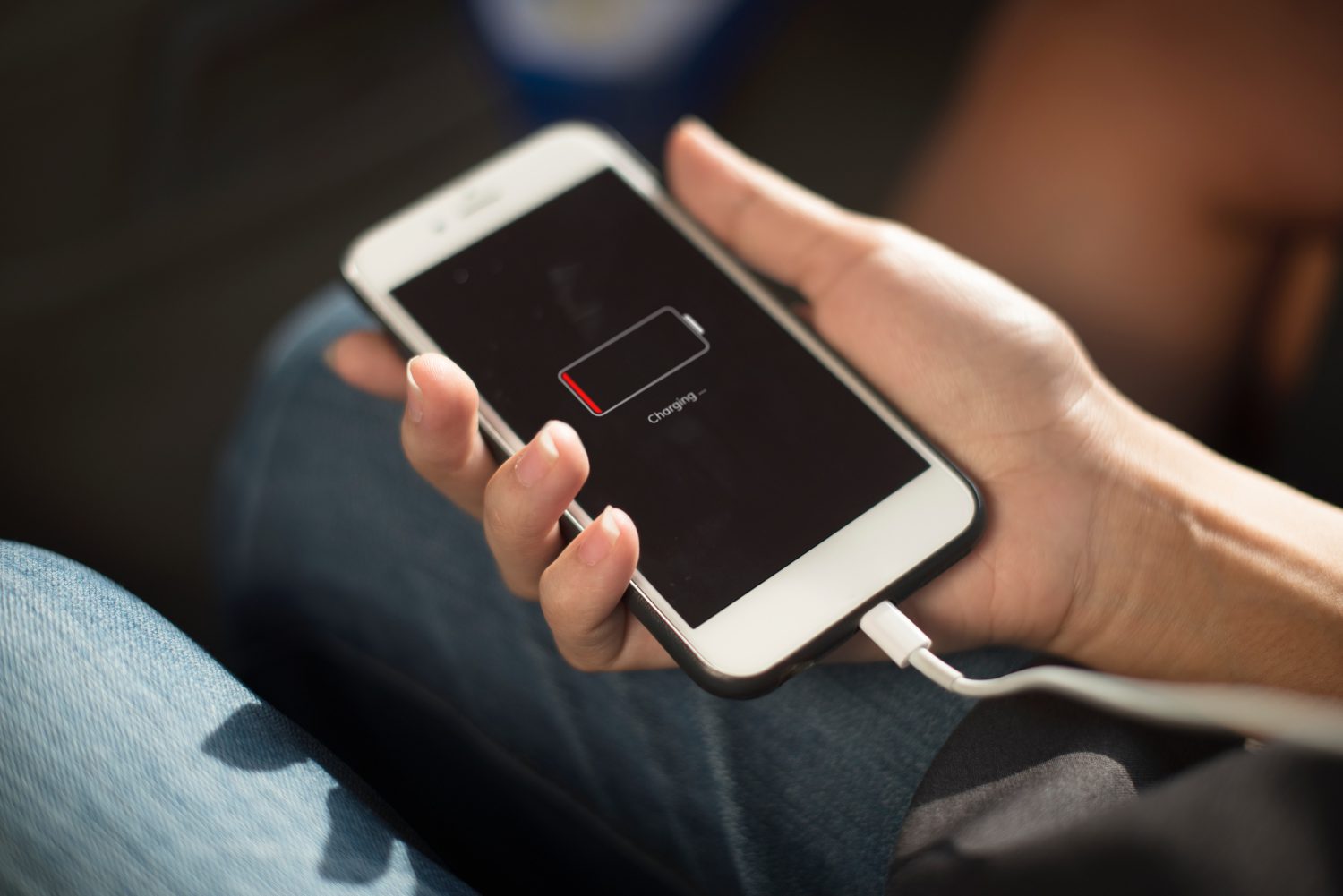
Lithium-ion batteries are rechargeable.

Lithium-ion batteries are rechargeable, but even rechargeable batteries have a lifespan. Once a lithium-ion battery is completely spent or degraded, it should be properly stored until it is able to be recycled. While you cannot simply recycle these in your blue bin, according to California Law (AB1125)  most retailers that sell rechargeable batteries are required to accept and recycle these consumer batteries. If you prefer a drop off option, you can check with local retailers to find one that accepts lithium-ion batteries. For pick up recycling services, businesses like UWDC specialize in universal waste recycling.

Until you are able to recycle your lithium-ion batteries, it is extremely important to store them properly. You’ve probably heard stories of cell phones exploding or catching fire. This is related to the battery within the phone. When lithium-ion batteries “catch fire” or “explode” they are experiencing thermal runaway. Thermal runaway is essentially a chemical reaction inside the battery producing heat that causes additional chemical reactions that result in increasing heat until there is nothing left to react. So be very cautious if your device begins smoking, sizzling or popping. Stay alert! Lithium-ion battery packs typically contain several cells. If your device does catch fire, even though one cell may be extinguished, the residual heat may cause thermal runaway in the adjacent cells.
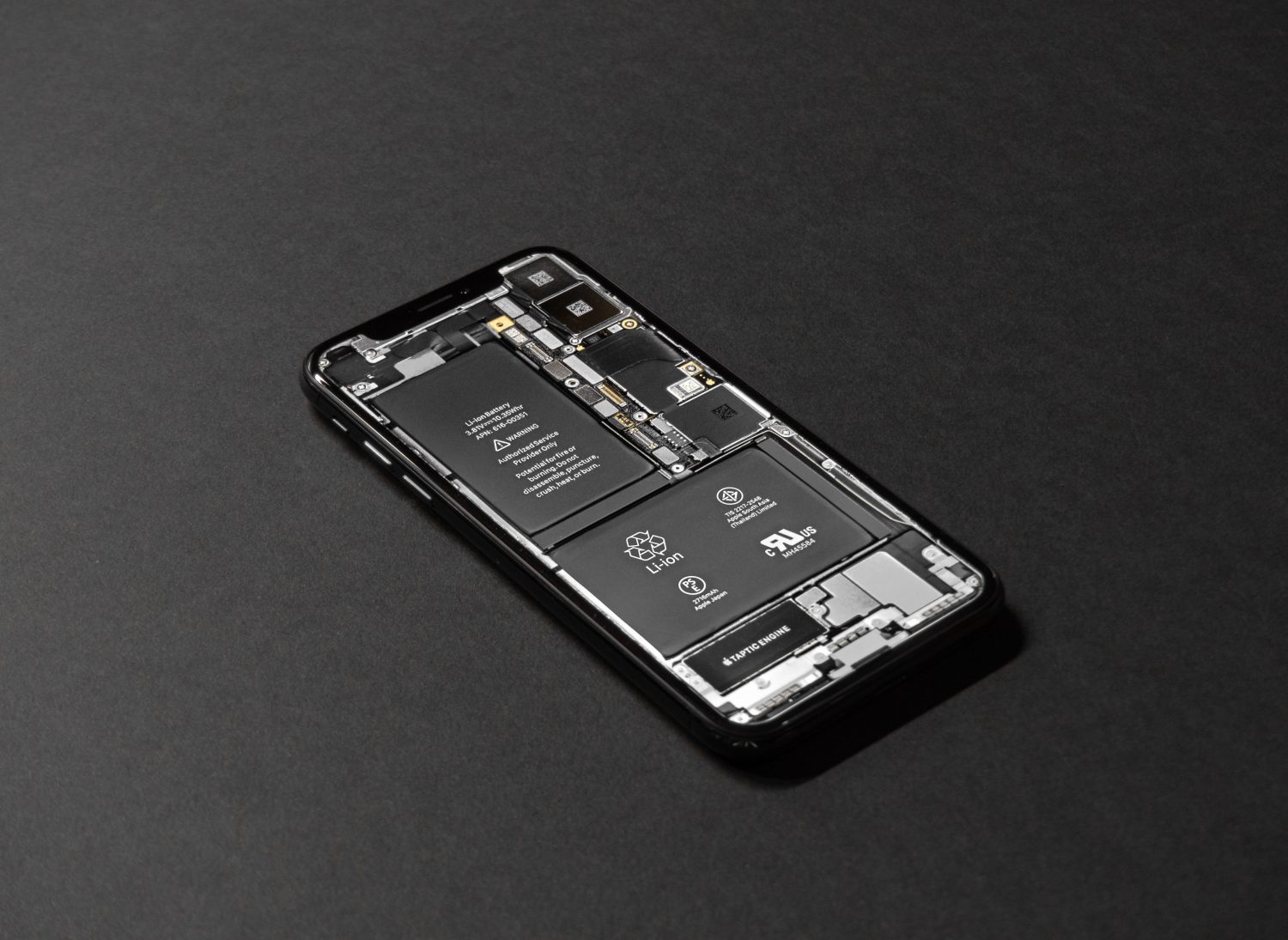
The number of lithium-ion batteries that are recycled is very low since they are housed inside of many devices. The batteries commonly remain in our homes when the old device gets tucked away in a drawer or storage space.


Thermal runaway can be the result of design flaws (inadequate venting, poor chemistry, inadequate safety features), user damage (dropping, crushing, puncturing), improper packaging or storage, or improper charging (wrong charger, cheap chargers, overcharging). To prevent thermal runaway, proper care and storage are key. While the battery is still in use, keep them out of the heat and freezing temperatures, use the charger that came with the lithium-ion powered device, keep them dry, and avoid overcharging them. When your batteries are at the end of their life, make sure to store them at room temperature. Tape over the terminals so that they do not make contact with each other. 

The future of the environment is our responsibility and in this case, it’s the law. Batteries of all types must be recycled. Please be sure to locate an authorized battery recycler in your area to properly recycle your used batteries.


Preventing Food Waste in an Instagram Foodie Culture

Open your Instagram account and click on the explore page, it won’t take too long for most of us to find images of vibrant, crunchy, creamy, steamy, buttered, drizzled, crystalized, smoky, aged, boiled, briny, cheesy, absolutely delightful images of what is on their plate! These days, foodie culture dominates social feeds. The farm to table movement is bigger than ever. We have never been so in tune and in love with what we are eating until now.

Documenting meals for online followers is a normal habit for foodies.

So with that, let’s imagine you just spent all afternoon preparing a pie for dinner guests. You’re are so pleased with the steaming, flaky pie that sits on the counter in front of you. It’s so aromatic and intense that you can recognize each type of fruit in the medley that is making your senses come alive! You cut it into 10 slices, making sure each one is piled high with perfectly candied pastry dough. You are almost ready to serve it to your guests, but before you even unveil it at the dinner table, before you even leave the kitchen, you scrape 4 pieces of pie directly into the garbage. It hits the trash can with a miserable thud, the amber colored gelatin is sliding down the plastic bag and the slices look more like your cat’s food than a guest-worthy dessert. While this might seem like an insane thing to do, it is a realistic picture of the amount of food being wasted in our society.

Sorry, what was I talking about? I am only thinking about pie now…

In the United States, 40% of food goes uneaten. The average Californian throws away 24 pounds of food a month. How can it be that in a time when we are so infatuated with our food, that we are wasting so much? Food waste occurs at many levels – at the farm, at the store, in our fridges, and off our plates. Farmers who grow produce that is considered too ugly, too small, too large, too uneven, or a little colorless are pushed out of the marketplace due to the retailer’s demand for consistency. Food is also lost in transportation. Food spoils in the store and in our refrigerators, but it’s not just food we are discarding without a second thought. We are squandering all of the resources that go into the production and distribution of food! Nationally, 80% of our water, 10% of our energy, and 40% of our land is utilized to grow our food. Despite all of the resources we put into the production of food, it is the leading material in our landfills! In the Miramar Landfill, 40% of the total waste is organic material that could have been mulched, composted, fed to animals, or in some cases, fed to people.

Realizing all of your food doesn’t have to be picture perfect is an easy way to prevent food from going to waste.

Our food systems are not perfect, but together each and every one of us can take a stand against food waste. Even small adjustments to our behavior can create impactful change! Here are a few simple suggestions to help you get started or continue your food waste prevention:

Shop Smart

  • Be prepared: create a shopping list with menus in mind to avoid impulse buys
  • Set a time frame: this gives you less time to buy things not on your prepared list
  • Know what you need: keep stock of what you have at home, note items as they run out to help create your shopping list
  • Be realistic: if you live alone or only need one carrot for a recipe, don’t buy a whole bag
  • Bulk is better: buying in bulk requires a little forethought and planning but is definitely worth it
  • Cut your costs: if you crunch the numbers, bulk purchases typically cost less per unit

Sensible Storage to Slow Spoiling

  • Practice first in, first out habits: move older products to the front of the fridge and stock unopened newer items in the back
  • Monitor what you throw away: throwing away half a loaf every week? Start freezing it.
  • Dates, not deadlines: know that expiration, best by, sell by, and use by dates, are not an exact science but merely manufacture suggestions
  • Leave a little room: don’t overcrowd your fridge, the air needs to circulate
  • Figure out your fridge’s compartments: your fridge has a crisper for a reason and the fridge door is warmer than the shelves
  • If you don’t know, ask: utilize the Alexa Save the Food skill to ask where and how you should store your items while unpacking groceries (like storing your asparagus cilantro, celery, carrots in water to make them last longer)

Creative Cooking

  • Use it up nights: designate one evening a week to focus on using up open items in your fridge
  • No tops or stems left behind: use every part of the produce you can – broccoli stems, beet tops, carrot tops, leave the skin on cucumbers, blend your smoothie with strawberry leaves on
  • Wilted doesn’t have to mean wasted: use your food up, wilted veggies can go into a stir-fry or soup, bruised fruit can be added to a smoothie or applesauce, old cheese rinds can make soups, juice pulp can be utilized numerous ways (bread, guacamole, power bites bars)

Serving, Snacking, and Sensing Satiation

  • Avoid over ordering: if you’re often ordering too much food, try splitting a meal with a friend or ordering smaller portions when out
  • Know your limit: don’t feel guilty if you don’t clean your plate as long as you save and store whatever is remaining
  • Leftovers tonight means lunch tomorrow: take your leftovers home or save anything you cooked but couldn’t finish (don’t forget your reusable containers for leftovers)
  • Smaller plate, smaller portions: we often over serve ourselves because the plate has room – a smaller plate can help you decrease the amount you dish up

Now go enjoy your food and extend its shelf life!