How to Live WaterSmart

The San Diego County Water Authority recently launched a campaign to encourage San Diego County residents to Live WaterSmart. The agency provides many free resources to support water-use efficiency as a way of life and encourage sustainable changes to homes and landscapes. This approach helps ensures our region will have sufficient water supplies for years to come.

Resources provided by the Water Authority and its partners include:

img_1937

Other great WaterSmart tips:

  • Check for leaks in your system by monitoring your water bill for abnormal changes in usage. Use your water meter to check specific areas for leaks.
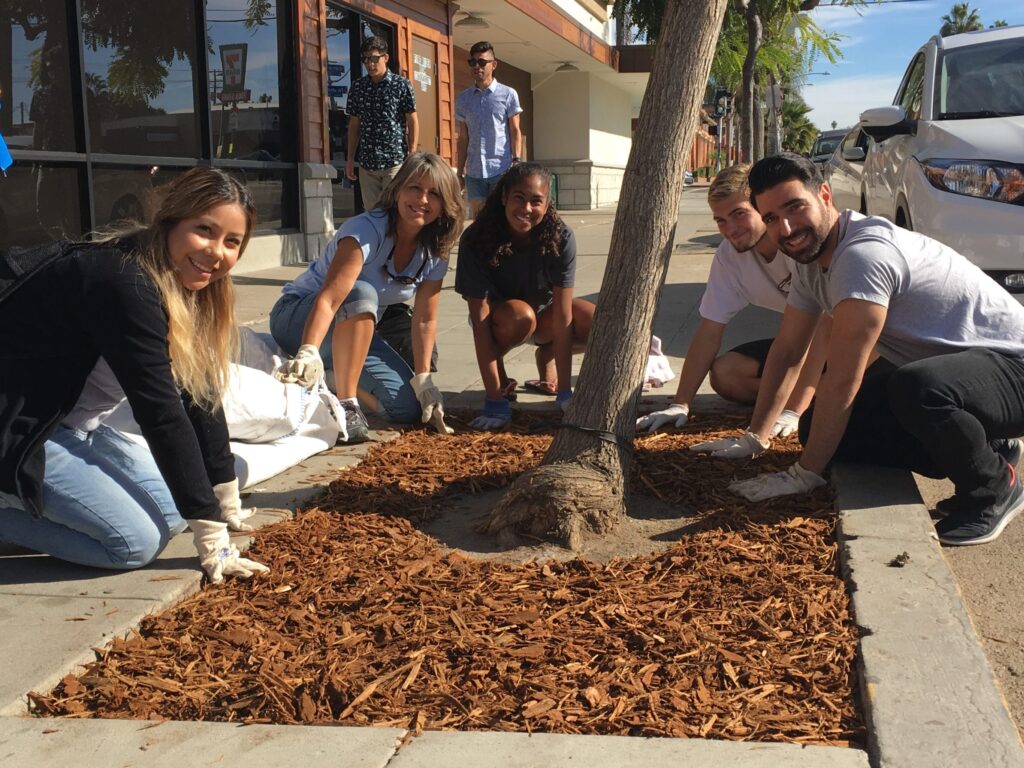
  • Mulch, mulch, mulch! Add mulch around trees and plants to retain moisture in the ground.
  • Regularly check your irrigation system for runoff, leaks and broken sprinkler heads. Upgrade to a water-efficient system to be as WaterSmart as possible!
  • Wash full loads of laundry and dishes to save on water and energy.
  • Incorporate native and low-water plants into your garden. In addition to saving water, these plants typically are easier to care for. That’s good news for those of us who don’t have a green thumb!
  • Turn off the tap when brushing your teeth, shaving and lathering.
  • Scrape food waste into a composting container instead of rinsing it down the drain.
  • Replace older appliances and fixtures with efficient WaterSense® models; take advantage of rebates to save money.
  • Irrigate in the evening or early morning; turn off irrigation systems when it rains and for at least 48 hours afterward


What You Need to Know About the Plastic Bag Ban

Today's blog post was contributed by one of our Education Specialists, Becca.
Today’s blog post was contributed by one of our Education Specialists, Becca.

California recently passed Proposition 67 to ban plastic bags in our state. Most of us are probably wondering exactly how it will impact us. Having lived in Monterey when it banned plastic bags, I know it can be a process to understand the details to be prepared when the ban goes into effect. Here are a few answers to the most common questions we get.

What is the Plastic Bag Ban?
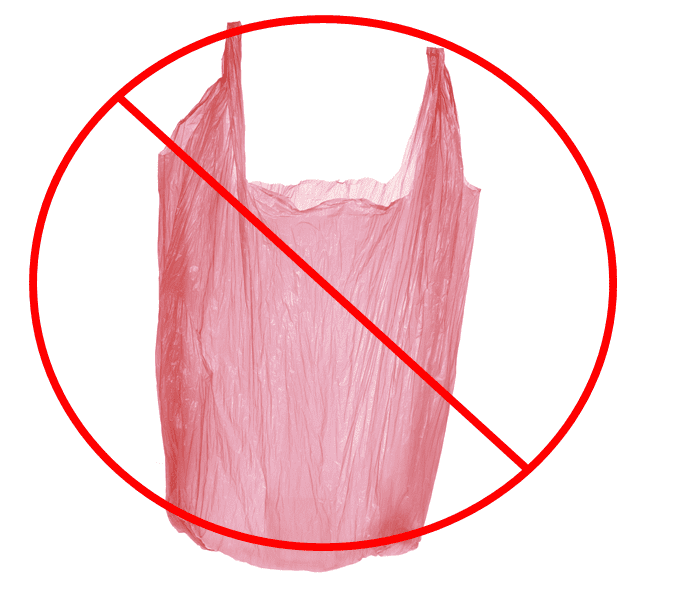
The plastic bag ban prohibits grocery stores, pharmacies, corner market stores and liquor stores from selling single use plastic bags. Instead, they will sell paper and reusable plastic bags for 10 cents each. Customers are encouraged to bring their own reusable bags and won’t be charged a fee when they do.


plastic-bag-ban
The Plastic Bag Ban will go into effect December 9, 2016

What were some reasons for passing this ban?

  1. Protecting wildlife. Many marine animals confuse plastic bags for food. For instance, sea turtles confuse plastic bags for one of their main food sources, jellyfish.
  2. Plastic bags do not biodegrade. Plastic goes through a process known as photodegradation. Photo means light and as sunlight shines on plastics they become more and more brittle and break down into microplastics. These microplastics can hurt wildlife and humans alike as they travel up the food chain.
  3. Plastic bags never fully breakdown. This means less space in landfills for other waste items, as well as disruption of marine and terrestrial food chains by the presence of plastic bags.
  4. Less than 5% of plastic bags are recycled in California.
  5. In 2050, plastic will outweigh fish in the ocean.

When will the bag ban officially start?
December 9, 2016. If you go into a store that isn’t compliant after 12/9/16, call your city public works department to report them.

What happens if you forget your reusable bag?
You will be charged 10 cents for a paper bag or reusable plastic bag. To avoid this, bring your own reusable bags or carry items out of the store without any bagging. Always keep a few reusable bags with you to be prepared for shopping trips.

What about other plastic bags?
The bag ban only prohibits carryout plastic bags at grocery stores, pharmacies, corner market stores and liquor stores. All other plastic bags, like pet waste bags and trash bags, will still be available for purchase. If you’re inspired by the reasons behind the bag ban and wish to discontinue the use of plastic bags in other areas of your life, here are some ideas:

  • Pet waste bags. Picking up after your pup can be easy and zero waste! Simply purchase a small grabber and pick up your dog waste and place it immediately in a trash bin or flush it down the toilet. This method avoids bags altogether. If you need to use a bag, purchase a biodegradable bag or use a newspaper as a first option. If you desire to continue using plastic bags, reuse old bread, produce, cereal or newspaper bags. Cat lovers: we can help out your feline friends as well! For your litter box, introduce organic litter alternatives such as sawdust, mulch, or dirt. Slowly integrate these alternatives within the litter so the cats have time to adjust to the new litter. An alternative to fragrances that cover the smell is baking soda. If you prefer litter over the alternatives, purchase litter in bulk or in compostable packaging. To dispose of the cat waste, there are a few options. First, you can compost the waste in a cat waste specific compost bin and use the compost for ornamental plants. Learn more about how to do that here. If you don’t have enough space for your own compost, check to see if your local community compost collects animal waste. While you can flush dog poop, do not flush cat poop. Cats have a parasite in their feces that is not safe for humans or marine life.
  • Trash bags. Extend the life of your plastic trash bags by dumping out the trash in your trash can and reusing the bag. If you want to get rid of plastic all together, place newspaper or scratch paper at the bottom of the trash to collect excess trash and rinse out the garbage container every so often. We like this tutorial for a DIY Newspaper Garbage Bag. Incorporating practices to reduce your waste will create less need for trash bags such as composting food scraps and eliminating plastic packaging.
  • Shopping bags at other stores. Many other stores will still be using plastic bags at check out. Consider bringing your own reusable bag to clothing stores, pet stores and other retails stores to eliminate plastic bags.

I want to adopt a zero waste lifestyle. Where can I find some resources to begin my journey?
I Love A Clean San Diego’s Zero Waste 101: Home workshop will be taking place this Saturday from 1-3pm at South Chula Vista Library. It’s a great starting point to learn a few tips to begin a zero waste lifestyle at home! We welcome you to join us for this workshop and our upcoming series where we will explore how to adopt zero waste practices into your everyday life. We also offer our zero waste resource WasteFreeSD.org, where you can find more details regarding zero waste and how to enact different practices in your everyday life.To learn more about I Love A Clean San Diego and how we help protect our environment, please visit CleanSD.org!

How to Reduce your Food Waste this Holiday Season

Grace

Today’s blog post comes from Grace, one of our Education Specialists.

Food is a central part to many celebrations this holiday season. Mashed potatoes, stuffing and pumpkin pie are yummy staples people look forward to savoring this time of year. Unfortunately, much of this iconic holiday food ends up in our trashcans. Between Thanksgiving and New Year’s Day, Americans dispose of about 25% more trash than other times of the year. Here in San Diego, organics make up 39% percent of our landfill.

Thankfully, it only takes a little planning and preparing to reduce our food waste. Kick off the holiday season by choosing more sustainable options for your holiday feasts, and follow these simple steps to reduce your food waste without compromising your meal:

  • Be realistic with your portion sizes. If you’re hosting the big meal, get an accurate count of attendees and plan your dishes accordingly. If you plan to host a potluck, make sure everyone knows how many people are coming.
  • Buy the exact amount of food you need. Utilize the bulk section of the grocery store so you can buy the right amount of nuts and grains necessary for your recipes. Take your sustainability to the next level by using reusable produce bags, such as bags from ECOBAGS.
  • Get creative with your meal planning. In an effort to use all of an ingredient, choose recipes that have similar ingredients. For example, use parsley in two recipes in order to use up the entire bundle.
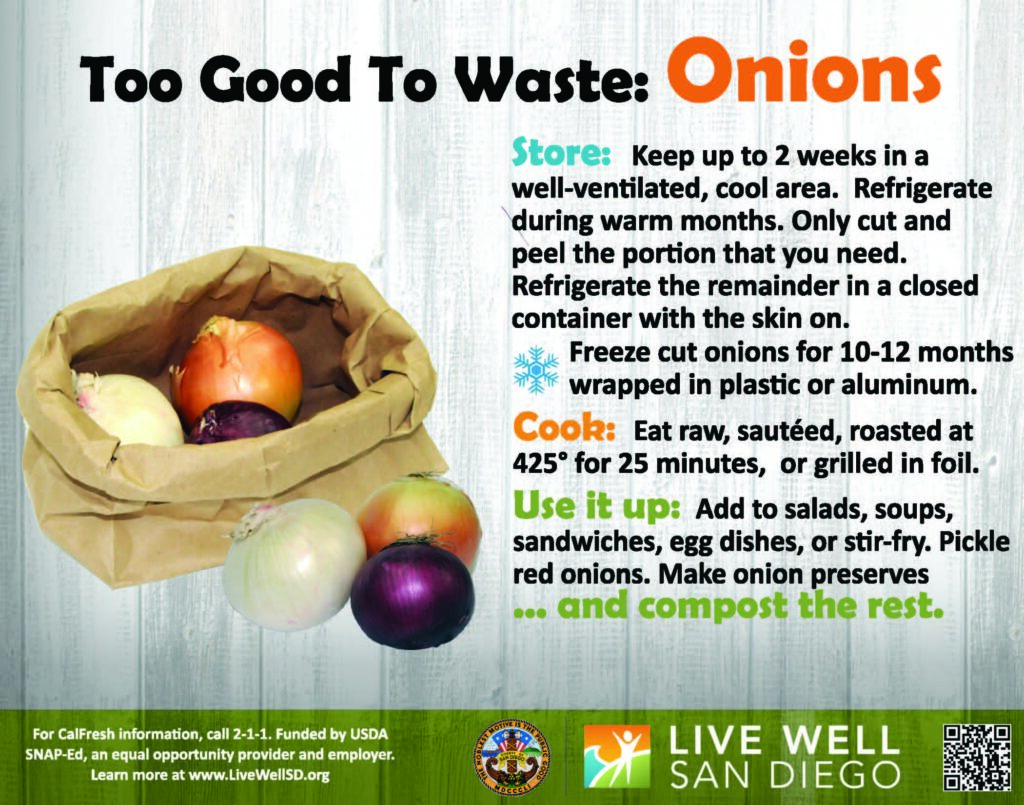
  • Freeze your leftover ingredients. You can freeze your stock inside cartons, basil in ice cube trays with water and blanched vegetables in airtight reusable containers. Make sure to freeze these items right away to keep them at their freshest! Visit the County of San Diego’s Food: Too Good to Waste! page for more tips to keep fruits and vegetables fresh longer.


Help prevent food waste by properly storing, cooking and using your ingredients!


  • Compost your food scraps. Remember no meat, dairy or greasy items. Learn how to start a vermicompost with this composting tutorial.
  • Send everyone home with leftovers. Save jam jars and mason jars leading up to the big event in order to package individual-sized portions. Ask friends and family to bring their own containers from home.
  • Turn your leftovers into something new. We love Food Network’s Thanksgiving Leftover Recipes.
  • Recycle used cooking oils responsibly. Fats, oils, and greases have a harmful effect on our environment when not disposed of properly. Save oils in a secure container and recycle at a certified location. To find the closest drop off location, unincorporated County residents can visit the County of San Diego’s Recycling and Household Hazardous Waste database, www.WasteFreeSD.org.
  • Freeze leftovers. Make sure your food has cooled to room temperature before placing in the freezer. Go zero waste by using reusable containers to store your food in. If you choose glass containers, make sure to use wide-mouth containers and leave plenty of space for expansion.


Saving Energy During the Holidays

The holiday season is in full swing, which often means family and friends coming together to celebrate. Hosting a holiday party can seem counter to conservation efforts at times but your efforts should be not be neglected! This is the perfect time to continue saving energy while striking conversations about why you partake in these conservation-minded behaviors. In lieu of Energy Action Month, which takes place every October, we thought we would remind our readers about the simple ways to save energy when guests are over for the holidays.

Before Guests Arrive

  • Order a no cost water and energy saving kit from SDG&E. The items in the kit are easy to install and slick looking too!
  • Set your refrigerator temperature between 35° – 38° F. The cooler the temperature, the more energy is being used.
  • Thaw food items in the refrigerator overnight instead of running water over them. Saving water saves energy! Collecting, treating, and distributing water can be costly and energy intensive.
  • Use a power strip to easily turn off power to several devices. Chances are you will be too busy mingling to be using your game console, television or computer.
  • Invest in appliances that save money and energy. SDG&E’s Marketplace makes shopping convenient and informative. Compare prices on typical models, calculate how much energy would be saved over periods of time and explore energy scores for each product.


ABOVE: SDG&E provides no-cost energy and water saving kits
SDG&E provides no-cost energy and water saving kits


During Your Holiday Celebrations

  • Kindly remind guests to turn off lights when leaving a room. Making this simple practice a habit will create energy savings all year long.
  • Phantom energy draws electricity from outlets when devices are plugged in but not in use. Remember to unplug fully charged devices and unplug chargers that are not in use to avoid phantom loads.
  • For overnight guests, encourage shorter showers to conserve water and energy. Have a discussion about the importance of water and energy savings on the individual level and praise your guests for incorporating this simple action into their routine. The best way to instill good practices is to remind others about how easy it is to conserve.


light switch
Turn off the juice when not in use!


After Guests Leave

  • Remember to fully load the dishwasher. One full load will save between 25% – 50% more energy than two small loads. Not to mention the water savings as well!
  • The same applies for your washing machine. Use full loads AND set the water temperature to cold. Using cold water costs about 4 cents, compared to hot/warm water which can cost up to 68 cents per load.

Sam’s First Time Driving Our EV

Many of us know by now that the benefits of driving an electric vehicle are plentiful, but a lot of us don’t know what it actually feels like to drive one. If you’ve been wondering about the experience of driving an EV, keep reading to hear what it was like for I Love A Clean San Diego’s Contract Manager, Sam:

Alright, step on the brake, I’m 90% sure this works just like any other car, I said to myself as I hopped into our Fiat Electric Vehicle for the first time. It was definitely unusual to see the layout of this car vs. a standard car. No stick shift, just buttons for transmission, battery life display, the works. It felt a little like I was in the DeLorean from Back To The Future. This car was so simple that it made me a little nervous at first, like I had to be missing something. Turns out, it was really just that simple.

I pushed the key into the ignition and began to rotate the key to start the engine, immediately noticing how quiet the engine was. I sat in limbo for a few seconds, wondering if the car was actually on and ready to go .  Compared to my own car engine, which rumbles really loudly (I prefer the term purr) the electric vehicle is as quiet as a church mouse. It’s actually a very strange, and pleasant experience. Press the “D” button, and you’re ready to go on a smooth, fast, quiet ride.  Handling was great, acceleration was great, and there really didn’t feel like much of a difference from a standard car at all. If anything, it felt like I was floating around instead of operating a very noisy piece of machinery.

sam-ev2

One of the most unique parts of the electric vehicle is the battery life display on the dashboard. It shows how the battery seems to magically charge in stop and go traffic. We’re in the future kids! Turns out that unlike conventional vehicles, that annoying foot-on-and-off-the-brakes traffic is good for electric vehicles, because they charge every time you stop. And you can top off the charge when you get home with the same ease of plugging in your cellphone.

“Wait, so, I can just plug the car into the wall at home? Are you serious? It charges like that?” It sure does. Like I said, the fact that it’s so simple scared me at first, but it’s the real deal, easy as pie. There’s no secret that this is the way of the future. Tesla, GM, Toyota, and virtually any automaker knows this. It’s just a matter of time before these babies are popping up all over the place.

It would be a major deal to have electric vehicles dominating San Diego streets instead of standard combustible engines. Think about it this way: the driving of conventional vehicles accounts for a whopping 47% of greenhouse gas emissions in San Diego County. If we all start driving electric vehicles, which don’t contribute to greenhouse gas emissions, it wouldn’t just be a step in the right direction. It would be an Olympic leap in the right direction. So, if you’re in the market for a new automobile, check out the electric vehicles that are currently on the market. There are great rebates to encourage people to buy them, so it’s a financially smart decision, too. SDG&E has a ton of information to help you find the one that’s right for you. We’ll see you on the road!