

Standley Middle School Goes Green!

Emily, ILACSD Environmental Educator

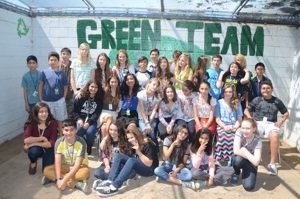
Today’s blog comes from our Environmental Educator, Emily! Emily spends most of her time traveling to different schools around San Diego County and teaching students about different ways they can help protect their local environment. Now, schools all around the county are starting to implement more efforts to be green. One shining example of this is the Green Team from Standley Middle School in University City. Today’s blog highlights the inspiring efforts of these students and their advisor. Read on to celebrate their successes and gain ideas for starting a Green Team at a school near you!

Their journey begins in 2013, when Shelley Rannikko and her colleague took a group of students to Yosemite National Park. This trip inspired the students to become eagerly engaged as environmental stewards. As Shelley recalls, “the ten hour road trip was the perfect place to brainstorm about how we could spread the word of recycling at school through a club called ‘Green Team’.”
DSC_4542

In the short time since its inception, the Green Team has made a significant impact on their campus. Here’s a look at how the club is structured, and what they’ve been able to accomplish:

Mission: The purpose of our team is to educate the students and families of Standley Middle School about the importance of recycling and how to accomplish it. The team is in its second year and maintains over 35 members, with more wanting to join every day! They meet during Academic Prep.

Member Responsibilities: Students are given chores that change weekly. Chores include:

  • Bin Placement – bins provided through an Educate! grant
  • Bin Return
  • Garbage Ghosts – using trash pickers, they pull recyclables out of campus trash cans and place them in the recycling bins
  • Radical Rinsers – rinse recyclables, like plastic bowls, lids, and milk cartons
  • Green Team Ambassadors – pass out Green Team Bucks to students using the recycling bins
  • Recycling Engineers – take cleaned items to the recycling dumpster
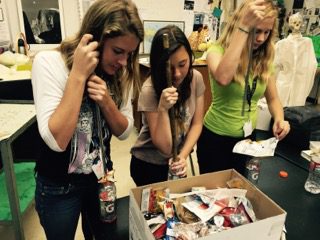
  • Bottle Brick Makers – pack Gatorade bottles with non-recyclable items; bricks will be used to construct a bench on campus,
bottlebricks
These students are packing bottle bricks, which will ultimately become a bench at their school! Great example of reuse and waste diversion!

Recycling: Since its start in 2013, the Green Team has recycled:

STANDLEY’S STATS ON RECYCLING
Item Pieces or Pounds
Juice Pouches 3370
Go Go Squeezes 474
Chip Bags 2000+
Milk/Juice Cartons 150*
Plastic Bowls, Plastic Containers 200+*
Cans and Bottles 300+ pounds

*Collection started last week

Through the TerraCycling program, the students are able to recycle more than the average blue bin. GoGo Squeezes and Juice Pouches are sent to TerraCycle, where the company pays for shipping and gives money back to non-profit organizations or to a charity of your choice from their website. Check your waste hauler’s requirements, or look into innovative programs like this one!
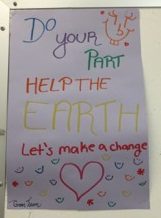
posterGetting Others Involved: The Green Team has implemented a loyalty recycler card program to encourage students to recycle. Additionally, Green Team Ambassadors walk the quad during lunch, giving out Green Team Bucks for placing recyclables in the appropriate bins. For every six stamps or Green Team Bucks, students can earn an otter pop!

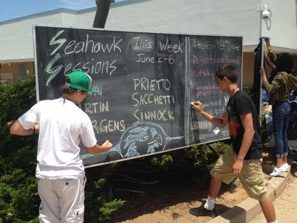
The Green Team creates videos that are shown school-wide during the Principal’s Chat. These videos promote fundraisers, the loyalty recycler card program, membership in the club, and explain what can be recycled on campus. Even Principal Bill Pearson got involved by researching how to reduce paper fliers and informational posters. His solution? Turn existing bulletin boards into chalkboards! A combination of exterior flat paint and unsanded tile grout made this possible, and it brings a bit of character to the quad.chalkboard
Looking Ahead: In addition to the bottle brick bench, the Green Team hopes to combine efforts with the Garden Club to create worm bins and start composting at their school.

If you’re interested in learning more, feel free to contact Shelley Rannikko, the Green Team Advisor, at (619) 920-2183 or srannikko@sandi.net.

[youtube https://www.youtube.com/watch?v=WHG3h1_Wghc]


Related Links for more information:

What is TerraCycle?:  https://www.youtube.com/user/TerraCycleVideos

Drink Pouch Recycling Brigade: https://www.youtube.com/watch?v=vG5CdXhRtrE

Bottle Bricks: http://www.utne.com/environment/eco-bricks-zm0z12ndzlin.aspx
A Rind is a Terrible Thing to Waste

Erika-teamToday’s blog comes from our Education Manager, Erika. Earlier this year, Erika took it upon herself to find new ways to reduce the amount of waste she creates each day – she signed up for a composting course! Now that she is on her way to becoming a Master Composter, she wants to share what she has learned in hopes of inspiring you to take a composting course near you! Read on to learn more about how food waste impacts our landfills and how you can become a skilled composter as well! 

A rind is a terrible thing to waste, so do something! Join the Master Composters!

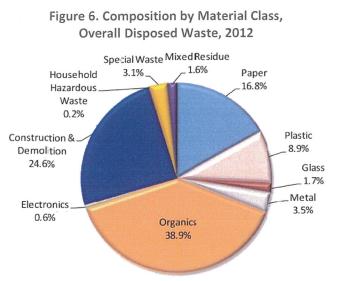
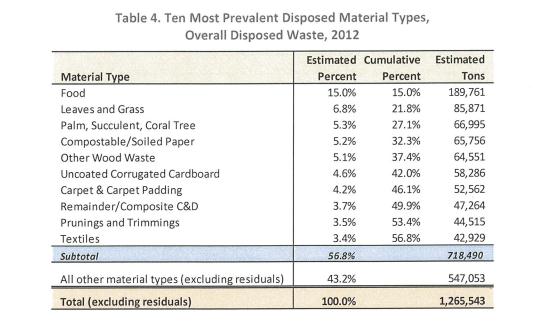
Here at I Love A Clean San Diego, many of my coworkers and I feel strongly about waste reduction. In the past few years, I have seen my own transition from using some disposable items in my life. An example being bringing my stainless steel pint glass to the Adventure Run last week, so that I wouldn’t have to use a disposable plastic cup for that IPA at the end of the race. While I have been able to carry my bamboo cutlery and stainless steel straw around, I noticed that I was still creating quite a bit of waste – food waste. In San Diego, we lead the country in per capita waste, with disposing about 1.3 million pounds in 2012. Of that trash, a 2012-2013 study showed that food represented the most prevalent material composed in our landfill, accounting for 15% of the total waste stream. In residential waste, that percentage increased to 18%. After learning these startling statistics, I realized there is so much more that I can do with regard to waste reduction. So, with waste in my mind, I signed up for a Master Composting class.composting blog - 1 SMW chart - composting blog 2

Hands on learning is always best!

Last October, my friend, @girlforaccleanworld, and I joined with a dozen other composting inquirists, skeptics, novices, and enthusiasts to begin our composting journey to potential Mastery. At first, I was quite anxious. I previously had a horrific experience with a vermicompost, resulting in [read quickly] maggots and other vermin. Needless to say, I was apprehensive but determined to further reduce my waste through composting. The great thing about the course is that there is such a great variety in reasons why people compost – from professional development, to reducing waste, to ameliorating compost gone wrong, to education – there were people from all walks of life.
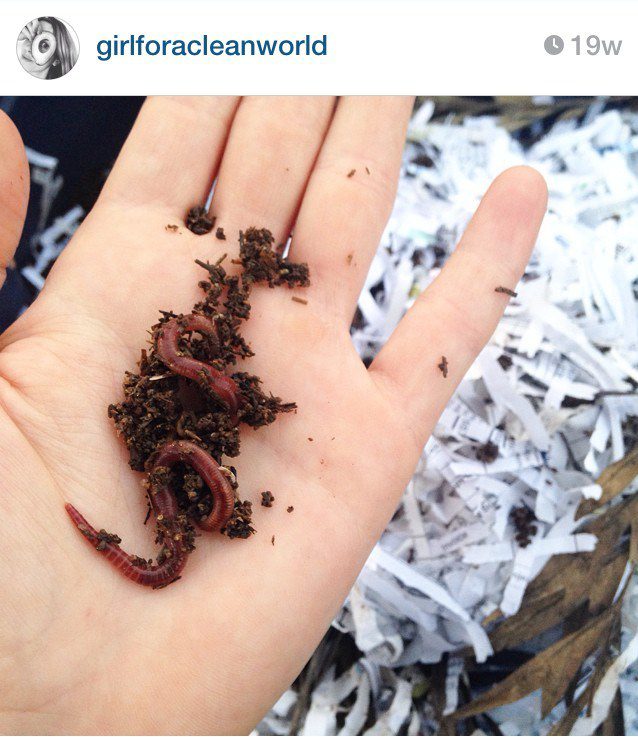
Another great thing about the course is its hands on approach. On the first day, we were already getting our hands dirty, layering greens (food scrapes, grass clippings, etc.) and browns (cardboard, paper, other wood products). Each week, we measured the temperature and moisture of the bin, turned it, and looked for grubs – ok, that might have just been me. I was captivated by how clean everything was and how quickly different items could degrade. While I learned a lot in the class, the take home for me was:
• Anything and everything (natural) will eventually turn to compost, it just is a matter of time.
• You can be active or passive, it will still turn to compost
• Compost does not smell – if it smells, give it a turn, it needs to breath
• Composting doesn’t need a ton of space, especially vermicomposting

Vermicomposting

Since completion, I have been working toward 30 hours community composting service to become an official Master. I have become more conscious of my grocery shopping, as to not buy more than I need, and have been able to help people out with their composting woes. I would highly recommend the class to anyone. For more information visit http://www.thelivingcoast.org/programs/composting-programs/. There is also a 5 week long composting workshop available through the Solana Center that starts on April 11th. For additional information please click here.

Let’s work together to minimize our food waste! Connect with us on Facebook, Twitter, Pinterest and Instagram for helpful tips and tricks about how to reduce waste in your life!

IMG_0304 (2)

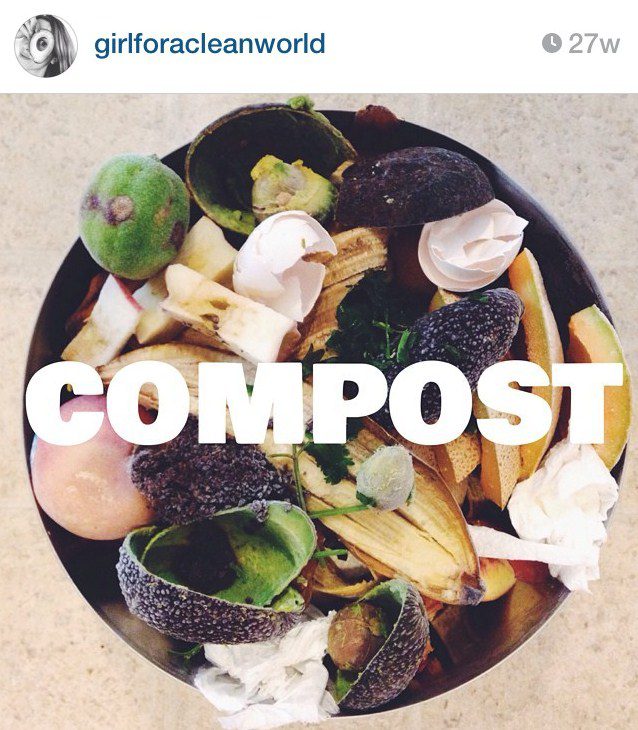
Photo Credit: @girlforaccleanworld. Thanks for allowing us to use these great photos!


Eco Holiday Tips: 5 Easy Ways to Reduce Food Waste

Today’s blog is brought to you by Emily, one of our environmental educators. Emily loves holiday treats (especially her grandma’s jell-o salad), but hates seeing good food go to waste. Keep reading to see how you can reduce the amount of food you throw away.

‘Tis the season for friends, fun, and food.  With all the festivities this time of year, it’s easy for us to be up to our eyeballs in pumpkin spice lattes, turkey sandwich leftovers, and sugar cookies from the grandkids. And with food comes food waste. This holiday season, give a gift to the environment by putting your trash can on a diet.

According to the United States Department of Agriculture, Americans throw away up to 40% of the food supply each year, valued at almost $390 per consumer in 2008. That means every year we’re throwing away enough food to constitute at least a month’s worth of groceries. Since food has become so convenient and readily available, many people wonder what the big deal is. What’s wrong with this picture? We are wasting resources – land and water to grow the food, money to purchase it, and time and energy to prepare the finished product. After unwanted food enters our trash cans, it makes a long, diesel-powered journey to the landfill (soon to be the landfull), where it rots, releasing harmful greenhouse gases. About 14.5% of our municipal solid waste is food waste. Fortunately, the solution is within our reach.

Now, before you go all Dr. Brown on us, let’s look at some simple steps you can take today.

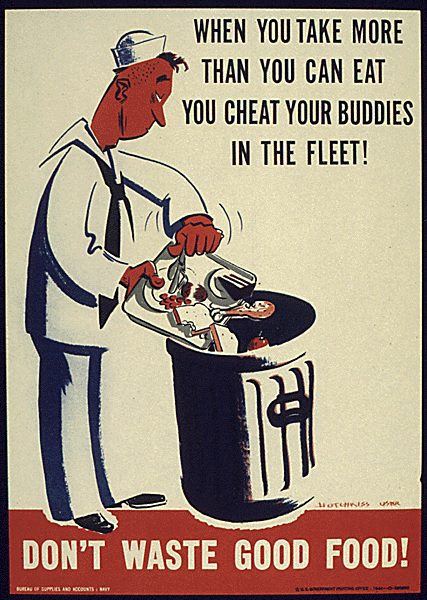
  1. Serving size – As this World War II poster reminds us, taking more than we can eat is one of the most common reasons we dispose of food. It’s better to return for seconds than to throw usable food away. When eating out, asking for a take-out container (or bring your own) when your food arrives to help remind you to take home the leftovers. As you teach your children, friends, and family to be mindful of the helping they put on their plate, you are instilling healthy habits for them and the earth.Don't Waste Good Food


  1. Make a list and check it twice – Despite our best intentions, sometimes our food spoils. Planning ahead before you even get to the grocery store can help prevent that. For example, if you know you want to make a recipe using chicken stock, plan to cook another dish using chicken stock later that same week.
  1. Embrace the ugly – Picking through the produce piles is like a quest for the perfect fruit or vegetable. However, if a potato has an odd knob, or an onion has a conjoined twin, chances are it will taste exactly the same as its normative cousins, especially if you’re chopping it up. Now, we’re not condoning purchasing bruised or unfit for consumption. Rather, you’ll be giving a home to an otherwise discarded piece of perfectly good produce. Besides, it makes for a wonderful game of Rorschach Vegetables.

Ugly Fruit

  1. Love those leftovers – For some, leftovers are the gift that keeps on giving. Others, however, tire of the same meal for weeks. For inspiration on how to jazz up your leftovers, turn to the wonderful world of Pinterest. Maxed out on turkey sandwiches? Freeze your cooked turkey for up to 6 months and keep that tryptophan train runnin’ well into the spring.

Waste Free SD Tip: Choose reusable containers to store your leftovers instead of non-recyclable plastic resealable bags.

  1. Compost – You don’t have to have a lot of space to compost! Contrary to popular belief, apartment dwellers as well as homes with yard space can significantly reduce the amount of food waste that makes it to our landfills and in return, you’ll have a nutrient rich compost for your garden by spring! Click here to learn more and stay tuned for our blog series on composting, coming soon to a computer screen near you.


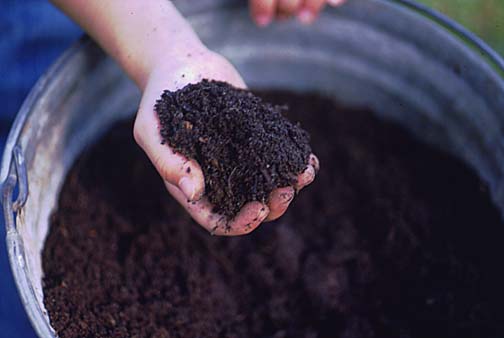
Turn your winter leftovers into nutrient-rich soil by Spring!

As with other eco-friendly actions, reducing food waste is all about our choices. Start today with a small commitment to take a step to decrease your food waste. It may take time to build these habits, but when we’re able to stretch the life of our landfill to accommodate our children and grandchildren, it will certainly be worth it.


To learn more, check out this video:

Back to school guide: The sustainable way!

Today’s blog post comes from our super-star environmental educator Monica Rosquillas!  Monica’s parents are hoping she will someday use all those leftover Trapper-Keepers from junior high… monica

Thousands of San Diego students are getting ready to go back to school. Here are a few tips to do it the green way!

Reduce your daily lunchprint by following these tips:

• If you don’t yet own a reusable water bottle, get one, and make sure to use it! You can significantly reduce the amount of disposable water bottles you toss out just by drinking from your reusable water bottle every day. And it saves you money. Do the math! But take care of it, I’ve personally seen too many reusable water bottles in the lost and found; write your name or initials on the bottle to avoid losing it and creating more waste.

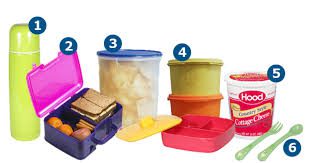
Some great alternatives to plastic bottles and bags.

• Pack a lunch, but think twice before you put your sandwich, cookies, veggies, and other snacks in disposable plastic baggies. Those bags are likely to end up in the trash can, they don’t get recycled. If you throw out 2 bags a school day, that’s 10 bags every week, in a month that’s 40 bags, and in a year that’s a whopping 480 bags, they add up quickly! Save money and avoid making so much trash by switching to REUSABLE sandwich and snack bags. Plus, they are super cool-looking, you’ll impress your friends, and they are widely available.

• Don’t bag your fruit. Fruits come in their own compostable packaging, it’s not necessary to put your banana, orange, or apple in a plastic bag. Sure, it’s more appetizing to eat your already sliced apple out of a bag, but think about all the trash you’re making. If you want to pre-peel or pre-slice your fruit, that’s not a problem, it’s just another opportunity to use your reusable snack bags.

fruit
Fruit comes pre-packaged, naturally! No need for plastic bags.

More green tips!

• Be cool and carpool. Also, if you live close to your school, consider walking, skating, or riding your bike to school.

• Shop smart. I remember getting really excited about the new school year, I always wanted to start the year organized, and with brand new, cool materials, but I ended up buying supplies that I did not need. At my parent’s house there are still drawers full of markers, pens, colored pencils, rulers, notepads etc. that I accumulated throughout my education. So, before going out to buy new school supplies make a list of what you really need, this way you can avoid buying what you don’t. If you have any supplies at home that you won’t use, consider donating them to your school or an after school program. Also: Don’t forget your reusable bags when back-to-school shopping. Already do all the above and want to do more? Here are some tips for the A+ Environmentalists

• Start an organic gardening and composting program at your school.

• How well does your school recycle? If you think more can be done, talk with your teachers and principal about improving recycling at your school.

• Start an environmental club at your school. You can participate in clean-ups and organize recycling events to fundraise for your club or school.

• Help spread the word. Schedule a FREE environmental presentation from ILACSD for your school.