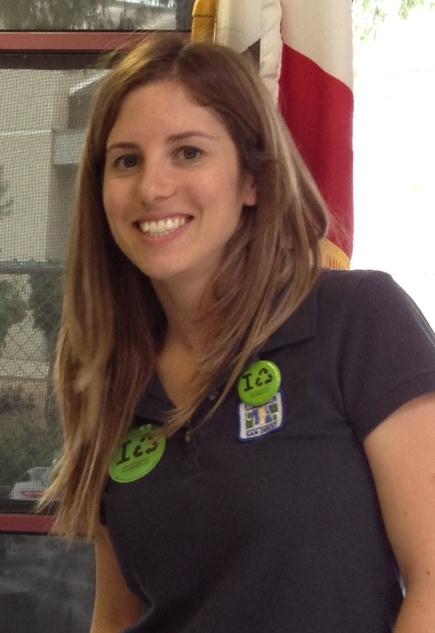
 Today’s blog comes from our Education Manager, Erika. Earlier this year, Erika took it upon herself to find new ways to reduce the amount of waste she creates each day – she signed up for a composting course! Now that she is on her way to becoming a Master Composter, she wants to share what she has learned in hopes of inspiring you to take a composting course near you! Read on to learn more about how food waste impacts our landfills and how you can become a skilled composter as well!
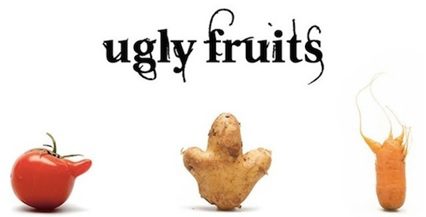
A rind is a terrible thing to waste, so do something! Join the Master Composters!
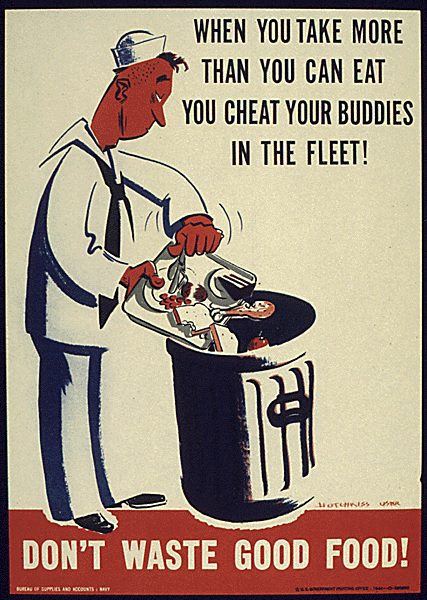
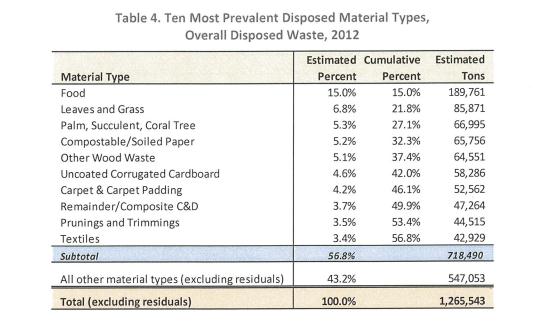
Here at I Love A Clean San Diego, many of my coworkers and I feel strongly about waste reduction. In the past few years, I have seen my own transition from using some disposable items in my life. An example being bringing my stainless steel pint glass to the Adventure Run last week, so that I wouldn’t have to use a disposable plastic cup for that IPA at the end of the race. While I have been able to carry my bamboo cutlery and stainless steel straw around, I noticed that I was still creating quite a bit of waste – food waste. In San Diego, we lead the country in per capita waste, with disposing about 1.3 million pounds in 2012. Of that trash, a 2012-2013 study showed that food represented the most prevalent material composed in our landfill, accounting for 15% of the total waste stream. In residential waste, that percentage increased to 18%. After learning these startling statistics, I realized there is so much more that I can do with regard to waste reduction. So, with waste in my mind, I signed up for a Master Composting class.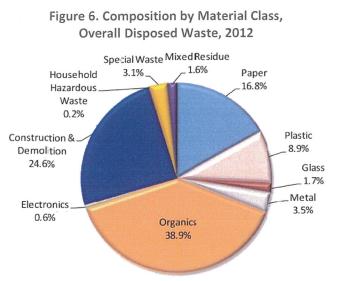

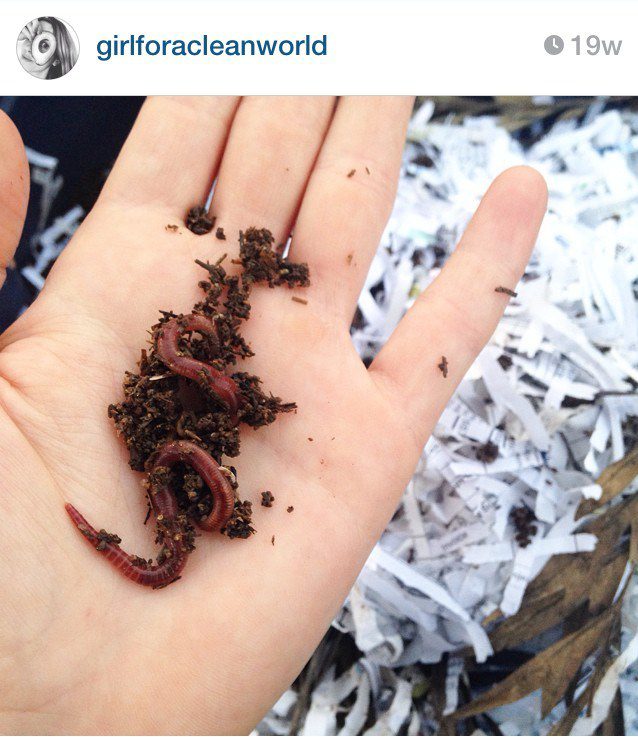
Last October, my friend, @girlforaccleanworld, and I joined with a dozen other composting inquirists, skeptics, novices, and enthusiasts to begin our composting journey to potential Mastery. At first, I was quite anxious. I previously had a horrific experience with a vermicompost, resulting in [read quickly] maggots and other vermin. Needless to say, I was apprehensive but determined to further reduce my waste through composting. The great thing about the course is that there is such a great variety in reasons why people compost – from professional development, to reducing waste, to ameliorating compost gone wrong, to education – there were people from all walks of life.
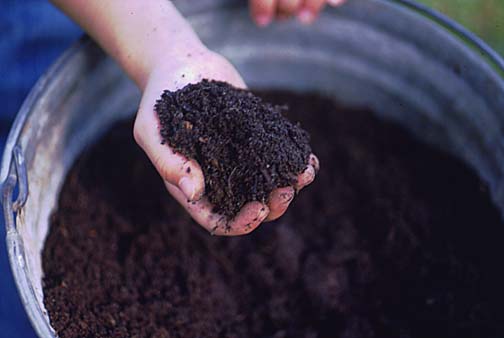
Another great thing about the course is its hands on approach. On the first day, we were already getting our hands dirty, layering greens (food scrapes, grass clippings, etc.) and browns (cardboard, paper, other wood products). Each week, we measured the temperature and moisture of the bin, turned it, and looked for grubs – ok, that might have just been me. I was captivated by how clean everything was and how quickly different items could degrade. While I learned a lot in the class, the take home for me was:
• Anything and everything (natural) will eventually turn to compost, it just is a matter of time.
• You can be active or passive, it will still turn to compost
• Compost does not smell – if it smells, give it a turn, it needs to breath
• Composting doesn’t need a ton of space, especially vermicomposting
Since completion, I have been working toward 30 hours community composting service to become an official Master. I have become more conscious of my grocery shopping, as to not buy more than I need, and have been able to help people out with their composting woes. I would highly recommend the class to anyone. For more information visit http://www.thelivingcoast.org/programs/composting-programs/. There is also a 5 week long composting workshop available through the Solana Center that starts on April 11th. For additional information please click here.
Let’s work together to minimize our food waste! Connect with us on Facebook, Twitter, Pinterest and Instagram for helpful tips and tricks about how to reduce waste in your life!
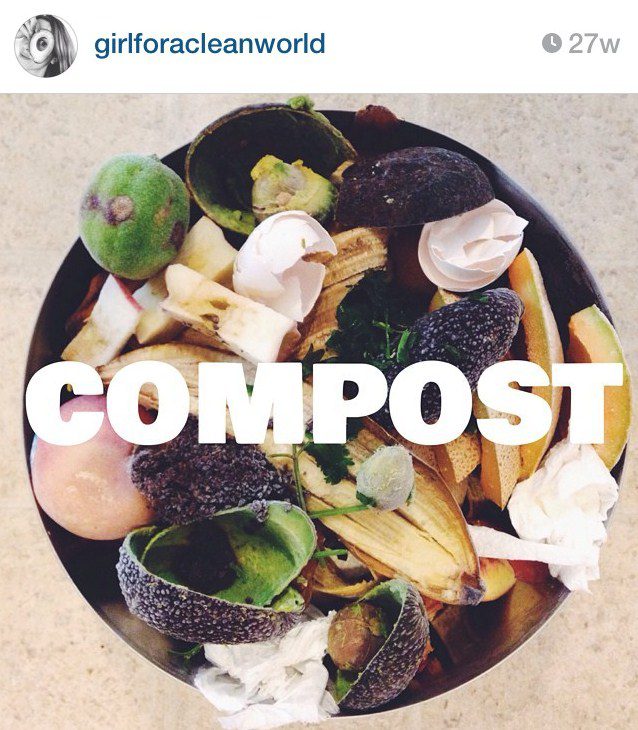
Photo Credit: @girlforaccleanworld. Thanks for allowing us to use these great photos!